Mgahinga gorilla trekking Uganda
April 23, 2026
Uganda gorilla trekking family tours
April 23, 2026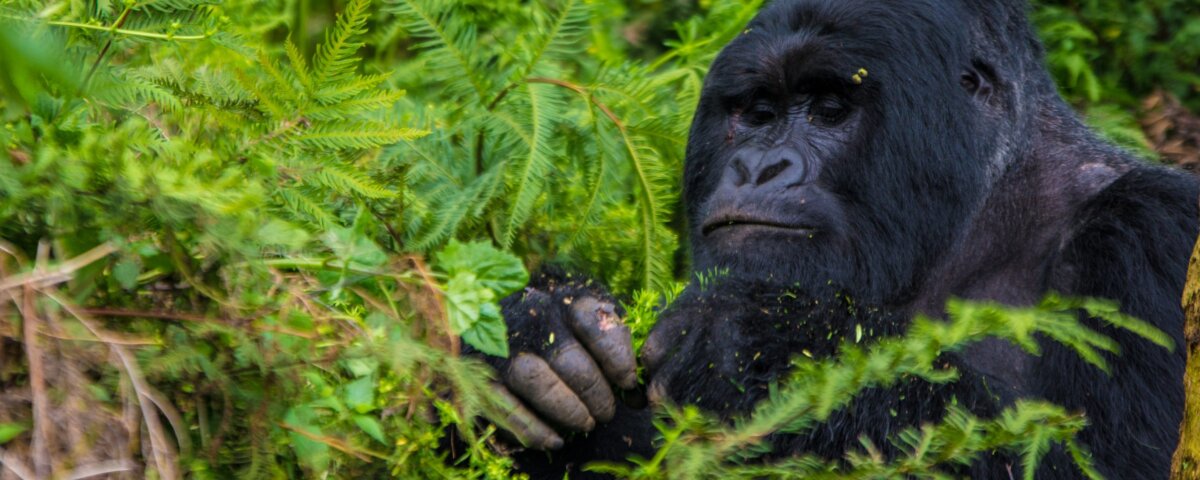
Uganda Gorilla Trekking vs Rwanda Gorilla Trekking
Uganda gorilla trekking Vs Rwanda: Gorilla trekking stands as one of the most powerful wildlife experiences in Africa. Travelers from around the world visit East Africa to meet the rare mountain gorillas in their natural forest homes. Uganda and Rwanda lead as the top destinations for this unforgettable adventure. Both countries offer incredible opportunities, yet they differ in cost, accessibility, trekking style, and overall travel experience.
Choosing between Uganda gorilla trekking and Rwanda gorilla trekking depends on what a traveler values most. Some visitors prefer a more affordable and rugged adventure, while others look for comfort, shorter travel distances, and luxury experiences. Both destinations deliver strong encounters with mountain gorillas, but each one creates a different journey.
Uganda Gorilla Trekking Overview
Uganda offers one of the most authentic and adventurous gorilla trekking experiences in Africa. The country protects half of the world’s remaining mountain gorillas, mainly in Bwindi Impenetrable National Park and Mgahinga Gorilla National Park. These forests feel wild, dense, and untouched, creating a real jungle experience for travelers who enjoy adventure tourism.
Trekking in Uganda often takes longer compared to other destinations because the forests are thick and mountainous. However, this also increases the thrill and excitement. Travelers hike through rich biodiversity, meeting forest elephants, colorful birds, and unique plant life along the way.
Uganda also provides a strong sense of connection with local communities. Visitors often engage with Batwa cultural experiences and village tours around Bwindi. This adds cultural depth to the gorilla trekking journey.
Overall, Uganda appeals to travelers who want value for money, raw nature, and a deeper adventure experience. It remains one of the most rewarding gorilla trekking destinations in Africa.
Rwanda Gorilla Trekking Overview
Rwanda offers a more refined and accessible gorilla trekking experience. The main trekking location lies in Volcanoes National Park, a beautiful region of volcanic mountains and bamboo forests. The park is easier to access compared to Uganda’s remote forest parks, making Rwanda a preferred choice for luxury travelers and short-stay visitors.
Gorilla trekking in Rwanda feels more structured and organized. The park management system ensures smooth visitor movement, clear briefing systems, and well-maintained trekking trails. Many travelers appreciate the efficiency and comfort that Rwanda provides.
The trekking routes in Rwanda are generally shorter and less physically demanding than Uganda’s. This allows more people, including older travelers, to participate with ease.
Rwanda also promotes high-end tourism. Many luxury lodges surround Volcanoes National Park, offering premium comfort, fine dining, and exclusive safari services. This positions Rwanda as a top destination for luxury gorilla trekking in Africa.
In summary, Rwanda focuses on convenience, comfort, and premium safari experiences while still delivering unforgettable gorilla encounters.
Uganda gorilla trekking Vs Rwanda : Cost of Gorilla Trekking Permits
Cost plays a major role when comparing Uganda and Rwanda gorilla trekking. Rwanda charges a higher gorilla permit fee, which often targets luxury travelers and high-end tourism markets. This pricing strategy supports conservation efforts and limits crowd pressure in the national park.
Uganda, on the other hand, offers more affordable gorilla trekking permits. This makes it attractive to budget travelers, backpackers, and long-term safari explorers. Uganda provides the same mountain gorilla experience at a lower cost, which increases its popularity among global visitors.
The difference in pricing also influences overall travel planning. In Rwanda, travelers often invest in shorter but premium experiences. In Uganda, travelers often extend their trips and include multiple parks and safari activities due to lower costs.
Both countries use permit revenue to support conservation, protect gorilla habitats, and improve local community livelihoods. Therefore, every permit purchased contributes directly to wildlife protection.
Ultimately, Uganda stands out for affordability, while Rwanda positions itself as a premium, high-value destination.
Accessibility and Travel Ease
Accessibility strongly influences the choice between Uganda and Rwanda gorilla trekking. Rwanda offers easier access to Volcanoes National Park, especially from Kigali International Airport. Travelers can reach the park in about two to three hours by road. This short distance makes Rwanda ideal for weekend trips or short safari holidays.
Uganda requires longer travel times. Most gorilla trekking destinations, especially Bwindi Impenetrable National Park, take approximately eight to ten hours by road from Kampala or Entebbe. However, Uganda also offers domestic flights that reduce travel time significantly.
Despite the longer journeys, Uganda rewards travelers with diverse landscapes along the way. The road trip passes through rural villages, tea plantations, and scenic hills, creating a richer travel experience.
Rwanda focuses on convenience and speed, while Uganda focuses on immersive travel journeys. Both options serve different types of travelers depending on their time, budget, and travel style.
Trekking Experience and Difficulty
The trekking experience differs significantly between Uganda and Rwanda. Uganda offers a more physically demanding adventure due to dense forests, steep terrain, and longer trekking durations. Travelers often hike for several hours before locating a gorilla family. This challenge makes the experience more rewarding for adventure seekers.
Rwanda provides shorter and less strenuous hikes. The bamboo forests of Volcanoes National Park allow easier movement, and gorilla families often stay closer to starting points. This makes Rwanda suitable for travelers who prefer moderate physical activity.
Both destinations guarantee close encounters with mountain gorillas once the group is located. The one-hour interaction rule applies in both countries, giving travelers time to observe behavior, take photos, and enjoy the moment.
Uganda delivers a wild jungle experience, while Rwanda offers a smoother and more comfortable trekking journey. Each experience feels unique but equally powerful.
Accommodation and Safari Infrastructure
Uganda offers a wide range of accommodation options near its gorilla parks. Travelers find budget lodges, mid-range camps, and luxury safari lodges. This variety allows flexibility for different travel budgets. However, some lodges sit in remote areas, which increases travel time to trekking points.
Rwanda focuses mainly on high-end accommodation. Many luxury lodges surround Volcanoes National Park, offering premium services, stunning mountain views, and exclusive safari experiences. Rwanda’s tourism infrastructure feels modern, organized, and highly developed.
Uganda provides diversity and affordability, while Rwanda offers exclusivity and luxury. Both destinations maintain strong hospitality standards, ensuring comfort and safety for international visitors.
Travelers often choose Uganda for extended safari itineraries and Rwanda for short luxury-focused gorilla trekking holidays.
Uganda gorilla trekking Vs Rwanda : Best Time for Gorilla Trekking
Both Uganda and Rwanda allow gorilla trekking throughout the year. However, the dry seasons offer the best trekking conditions. These seasons usually occur from June to September and December to February.
During dry months, forest trails become easier to walk, and visibility improves for photography. Gorillas also move more predictably, making trekking slightly easier.
The wet seasons bring heavy rains, especially in Uganda’s dense forests. However, these months also offer fewer tourists and greener landscapes. Rwanda experiences lighter rains compared to Uganda, which makes trekking slightly more consistent.
Travelers who prefer comfort often choose the dry season, while budget travelers often take advantage of low-season discounts and fewer crowds.
Both destinations provide year-round trekking opportunities, but weather conditions influence the overall experience.
Conservation and Sustainability Efforts
Uganda and Rwanda both play major roles in protecting mountain gorillas. Conservation programs in both countries focus on habitat protection, anti-poaching efforts, and community involvement.
Uganda uses gorilla permit revenue to support local communities around national parks. This helps reduce human-wildlife conflict and promotes sustainable tourism. Rangers and conservation teams also monitor gorilla families daily to ensure safety.
Rwanda invests heavily in conservation and tourism infrastructure. The country uses a portion of tourism income to support surrounding communities and wildlife protection programs. Rwanda also promotes low-impact tourism to protect fragile ecosystems.
Both countries have successfully increased gorilla populations over the years. This achievement highlights the importance of responsible tourism and international cooperation.
Travelers who visit either destination directly contribute to conservation success. Every permit purchased supports gorilla survival and long-term habitat protection.
Cultural Experiences and Add-ons
Uganda offers rich cultural experiences alongside gorilla trekking. Travelers can visit Batwa communities, explore local villages, and enjoy traditional performances. These cultural interactions create a deeper understanding of Uganda’s heritage and people.
Rwanda also provides cultural experiences, including visits to local communities near Volcanoes National Park and cultural centers. However, Rwanda’s tourism model focuses more on structured and premium experiences.
Uganda stands out for its variety and authenticity in cultural tourism. Rwanda focuses on refined and organized cultural activities that match its luxury tourism style.
Both destinations allow travelers to combine wildlife and culture, creating a well-rounded African safari experience.
Uganda gorilla trekking Vs Rwanda: Which Destination Should You Choose?
Choosing between Uganda and Rwanda depends on travel goals. Uganda suits travelers who want affordability, adventure, longer safaris, and diverse landscapes. It offers a raw and immersive jungle experience that feels deeply connected to nature.
Rwanda suits travelers who want comfort, speed, luxury, and short but premium wildlife experiences. It works well for business travelers, high-end tourists, and visitors with limited time.
Both destinations guarantee unforgettable gorilla encounters. The mountain gorillas remain the same, but the journey to reach them differs.
Travelers who want value and adventure often choose Uganda. Travelers who want convenience and luxury often choose Rwanda. Both choices deliver world-class wildlife tourism experiences in Africa.
Conclusion for Uganda gorilla trekking Vs Rwanda
Uganda gorilla trekking Vs Rwanda; both stand as top global destinations for gorilla trekking. Each country offers a unique approach to wildlife tourism, shaped by its landscapes, infrastructure, and tourism strategy. Uganda delivers affordability, adventure, and diversity, while Rwanda offers luxury, convenience, and premium service.
No matter the choice, both destinations provide life-changing encounters with mountain gorillas. These experiences connect travelers to nature in a powerful and unforgettable way. As a result, both Uganda and Rwanda continue to strengthen their position as leading centers of gorilla tourism in Africa.
For travelers planning a gorilla safari, the best decision depends on budget, time, and travel preference. Either way, the journey into the forests of East Africa guarantees one of the most remarkable wildlife experiences in the world.