Uganda gorilla trekking last minute deals
April 24, 2026
Where to See Lions in Kenya
April 24, 2026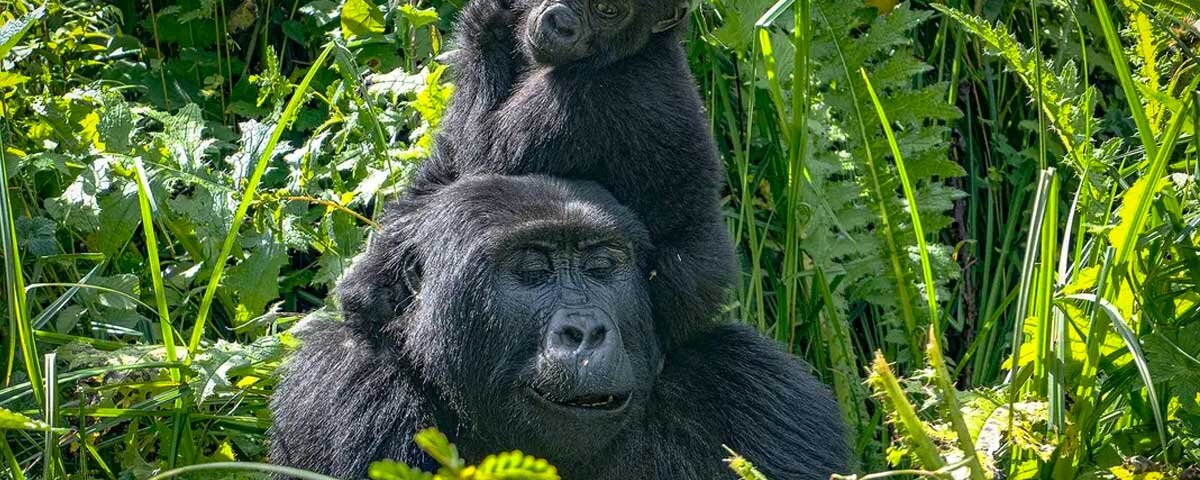
Uganda Gorilla Trekking Wildlife Encounters
Uganda gorilla trekking wildlife encounters create some of the most powerful safari memories in Africa. Travelers come to Uganda for mountain gorillas, but they leave with much more thick tropical forests, rare birds, golden monkeys, forest elephants, and unforgettable close-up wildlife moments. Every step through the rainforest reveals something new, which makes gorilla trekking in Uganda more than a single activity. It becomes a complete wildlife adventure.
Uganda stands among the best gorilla trekking destinations in the world because it protects nearly half of the remaining mountain gorillas on Earth. The two main trekking destinations are Bwindi Impenetrable National Park and Mgahinga Gorilla National Park. These parks offer rich biodiversity, beautiful landscapes, and guided experiences that connect visitors with nature in a meaningful way.
Unlike ordinary game drives, gorilla trekking places travelers inside the forest ecosystem. You walk through mist-covered hills, listen to birds calling from ancient trees, and watch fresh wildlife tracks on the trail. Then, after the hike, you spend one magical hour with a gorilla family in their natural habitat.
This journey also supports conservation and local communities. Gorilla permits help protect endangered wildlife while tourism creates jobs and improves livelihoods. As a result, every trek helps preserve Uganda’s natural heritage.
For travelers seeking adventure, wildlife diversity, and authentic African safari experiences, Uganda gorilla trekking wildlife encounters deliver something truly extraordinary.
Why Uganda Is the Best Destination for Gorilla Trekking
Uganda offers one of the most rewarding gorilla trekking experiences in Africa. First, the country hosts a large population of endangered mountain gorillas, making sightings highly successful. Visitors have strong chances of meeting a habituated gorilla family during their trek, which creates confidence when planning a safari.
Bwindi Impenetrable National Park remains the top destination for gorilla trekking in Uganda. This UNESCO World Heritage Site protects ancient rainforest, steep valleys, and rich biodiversity. It also has several trekking sectors, including Buhoma, Ruhija, Rushaga, and Nkuringo, which gives travelers more permit options and route choices.
Mgahinga Gorilla National Park offers a smaller but equally special trekking experience. It lies in the Virunga Mountains and combines gorilla trekking with volcanic scenery and golden monkey tracking. Because the park receives fewer visitors, it often feels quieter and more exclusive.
Uganda also provides better value compared to neighboring destinations. Gorilla permits are more affordable than those in Rwanda, yet the wildlife experience remains exceptional. This makes Uganda ideal for travelers who want both quality and value.
In addition, Uganda combines gorilla trekking with classic wildlife safaris. Visitors can easily connect gorilla tours with game drives in Queen Elizabeth National Park or chimpanzee tracking in Kibale Forest. This variety makes Uganda a complete safari destination rather than a single-activity trip.
Gorilla Families and What to Expect During the Trek
Meeting a gorilla family in the wild is the highlight of the entire journey. Each habituated family includes a dominant silverback, adult females, playful juveniles, and curious infants. Their social structure closely resembles human family life, which makes every encounter emotional and unforgettable.
The trek begins early in the morning with a briefing from park rangers. They explain gorilla behavior, safety guidelines, and trekking expectations. After that, small groups enter the forest with experienced guides and trackers who locate the gorillas using fresh signs like nests, footprints, and broken branches.
Some treks last one hour, while others take several hours depending on the gorillas’ location. The forest terrain can be steep, muddy, and challenging, but the reward makes every step worthwhile. Along the way, guides share knowledge about plants, birds, and animal tracks, which adds depth to the experience.
When the gorillas are found, visitors spend one hour observing them. During this time, travelers watch feeding, grooming, resting, and playful family interactions. Seeing a baby gorilla climbing near its mother or a silverback watching quietly from nearby creates powerful memories.
Silence, respect, and distance are important during the visit. Because gorillas are wild animals, calm behavior helps keep the experience safe and natural for both guests and wildlife.
Wildlife Encounters Beyond Mountain Gorillas
Although gorillas are the main attraction, Uganda gorilla trekking wildlife encounters include far more than primates. The rainforest supports many species, and every trek offers the chance to discover unexpected wildlife moments.
Forest elephants sometimes move quietly through Bwindi’s dense vegetation. They are smaller than savannah elephants but equally fascinating. Visitors may also spot giant forest hogs, bush pigs, and duikers crossing hidden forest paths. These sightings add excitement to the trekking journey.
Primates are another major highlight. Black-and-white colobus monkeys swing through the canopy, while L’Hoest’s monkeys move silently in the undergrowth. In Mgahinga, golden monkeys bring color and energy to the forest with their bright golden fur and playful behavior.
Bird lovers enjoy excellent opportunities during gorilla treks. Bwindi is one of Africa’s top birding destinations and hosts many Albertine Rift endemic species. Turacos, hornbills, sunbirds, and forest robins often appear along the trail, making the trek rewarding even before reaching the gorillas.
Butterflies, reptiles, and unique plant life also shape the forest experience. Giant ferns, moss-covered trees, and hanging vines create a magical environment that feels untouched by time.
Because of this biodiversity, gorilla trekking becomes a full wildlife safari rather than a single wildlife encounter. Every step in the forest offers another chance to connect with nature.
Bwindi Impenetrable National Park Wildlife Experience
Bwindi Impenetrable National Park delivers the richest gorilla trekking wildlife encounters in Uganda. Its thick rainforest covers steep hills and deep valleys, creating one of the most biologically diverse ecosystems in East Africa.
The park is home to more than half of Uganda’s mountain gorilla population. Several habituated gorilla families live across four trekking sectors, which helps distribute visitors and protects the gorillas from overcrowding. Each sector offers a slightly different experience, from easier forest walks in Buhoma to steeper adventures in Nkuringo.
Bwindi also protects over 120 mammal species and hundreds of bird species. This diversity means travelers often encounter monkeys, forest antelopes, and colorful birds before reaching the gorillas. Nature feels alive in every direction.
One of Bwindi’s greatest strengths is its ancient forest atmosphere. Towering trees, mist-covered slopes, and narrow jungle paths create a sense of mystery and adventure. The sounds of insects, birds, and rustling leaves make the trek feel deeply immersive.
Community tourism also strengthens the Bwindi experience. Nearby villages offer cultural walks, traditional dance performances, and local craft experiences. These activities help visitors understand the people who live beside the forest and support conservation through tourism income.
Bwindi is not only a gorilla destination. It is a complete conservation landscape where wildlife, people, and tourism work together for long-term protection.
Mgahinga Gorilla National Park and Unique Wildlife Encounters
Mgahinga Gorilla National Park offers a different but equally rewarding gorilla trekking experience. Located in southwestern Uganda, the park forms part of the greater Virunga Conservation Area and shares borders with Rwanda and the Democratic Republic of Congo.
Unlike Bwindi’s dense rainforest, Mgahinga features dramatic volcanic scenery. The park surrounds the slopes of the Virunga volcanoes, creating breathtaking views and a unique trekking atmosphere. This setting makes every wildlife encounter feel even more dramatic.
The Nyakagezi Gorilla Family is the main habituated gorilla group here. This family is famous for its stability and strong silverbacks. Because the park has fewer visitors, trekking often feels more private and peaceful.
Golden monkey tracking adds another major attraction. These rare and beautiful primates live in the bamboo forests of Mgahinga and offer a lively contrast to the calm and powerful presence of gorillas. Many travelers combine both experiences in one safari.
Birdwatchers also enjoy excellent sightings, especially around the bamboo zones and volcanic slopes. Rare Albertine Rift species thrive here, making the park valuable for both primate lovers and birding enthusiasts.
Mgahinga also offers cultural experiences with the Batwa community. Learning about their traditional forest life adds historical and human depth to the safari journey.
This park may be smaller, but its wildlife encounters feel personal, scenic, and unforgettable.
Best Time for Uganda Gorilla Trekking Wildlife Encounters
Uganda offers gorilla trekking throughout the year, but some seasons create better hiking conditions and clearer wildlife viewing opportunities. Choosing the right time helps travelers enjoy a smoother and more comfortable safari.
The dry seasons from June to September and December to February are usually the best months for gorilla trekking. During these periods, forest trails are less muddy, hiking becomes easier, and photography conditions improve because of better light.
Many travelers prefer these months because movement through the forest feels less difficult. In addition, wildlife activity remains excellent, and combining gorilla trekking with savannah safaris becomes easier since roads stay more accessible.
However, the rainy seasons also have advantages. March to May and October to November bring fewer tourists, greener landscapes, and excellent birdwatching opportunities. Forests look lush and vibrant, which creates beautiful scenery for nature lovers.
Gorilla sightings remain strong in all seasons because gorillas stay in the forest year-round. Rangers and trackers continue daily monitoring, so visitors still enjoy excellent success rates even during wetter months.
Travelers should focus more on preparation than fear of weather. Good hiking boots, waterproof clothing, gloves, and physical readiness make a major difference.
Ultimately, the best time depends on personal travel style, budget, and comfort level. Uganda rewards visitors in every season with extraordinary wildlife encounters.
Conservation and Responsible Gorilla Tourism
Uganda gorilla trekking wildlife encounters depend on strong conservation efforts. Without protection, mountain gorillas would face serious threats from habitat loss, disease, and illegal activities. Responsible tourism plays a major role in securing their future.
Every gorilla permit directly supports conservation programs. This funding helps national parks protect gorilla habitats, train rangers, monitor wildlife health, and fight poaching. As a result, tourism becomes a powerful conservation tool rather than a threat.
Strict trekking rules protect both visitors and gorillas. Only a limited number of tourists visit each gorilla family per day. Visitors must keep a safe distance, avoid flash photography, and stay away if they feel sick. Since gorillas share many human diseases, health protection is extremely important.
Local communities also benefit from gorilla tourism. Jobs in guiding, hospitality, transport, and cultural tourism improve livelihoods and reduce pressure on forest resources. When communities benefit from conservation, they become stronger partners in protecting wildlife.
Responsible travelers should respect park rules, choose licensed tour operators, and support local businesses during their safari. Small actions create lasting positive impact.
Conservation success in Uganda proves that tourism and wildlife protection can work together. Every trek becomes part of a larger story one that protects endangered gorillas while creating hope for future generations.
Final Thoughts on Uganda Gorilla Trekking Wildlife Encounters
Uganda gorilla trekking wildlife encounters offer far more than a wildlife activity. They create emotional, educational, and life-changing travel experiences that stay with visitors forever.
Standing just meters away from a mountain gorilla family in the wild is something few places on Earth can offer. Yet Uganda adds even more rainforest biodiversity, golden monkeys, rare birds, forest elephants, and rich cultural connections that make the safari complete.
Both Bwindi Impenetrable National Park and Mgahinga Gorilla National Park provide unforgettable adventures, each with its own unique character. Whether travelers seek deep jungle trekking, volcanic landscapes, birdwatching, or conservation-focused travel, Uganda delivers exceptional value and authenticity.
This journey also carries purpose. Every permit helps protect endangered species and supports local communities. Travelers do not only witness conservation they become part of it.
For anyone planning an African safari, Uganda deserves a top place on the list. It combines adventure, wildlife diversity, and meaningful travel in one destination.