Which Safari Parks Are Best for Families
July 25, 2026
Is Serengeti Suitable for Children?
July 25, 2026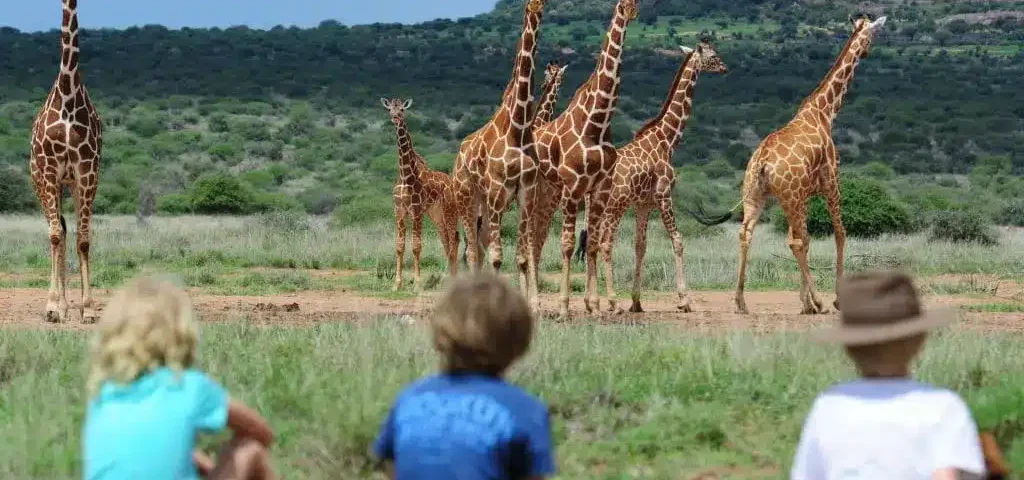
What Activities Can Kids Do on Safari
A Tanzania safari can give children an exciting chance to discover wildlife, nature, culture, and the outdoors. Many parents wonder what activities can kids do on safari, especially when they want a trip that feels enjoyable rather than tiring. Fortunately, children can take part in many activities beyond sitting inside a safari vehicle. Depending on their age and the destination, they can enjoy wildlife game drives, bird watching, nature walks, photography, cultural experiences, conservation lessons, and time at family friendly lodges.
A good family safari should balance adventure with rest. Young children may enjoy shorter game drives, simple wildlife spotting games, swimming, and nature activities. Older children and teenagers may prefer wildlife tracking, photography, bird watching, and learning about animal behaviour. Therefore, parents should build the itinerary around the children’s ages, interests, energy levels, and attention spans.
Tanzania provides an excellent setting for family adventures because its wildlife areas offer a wide range of landscapes and animals. Families can explore the elephant rich plains of Tarangire, the forests and wetlands around Lake Manyara, the remarkable Ngorongoro landscape, and the open plains of Serengeti.
A safari can also teach children important lessons about conservation. They can learn why wild animals need protected habitats, how communities live near wildlife areas, and why responsible tourism matters.
Understanding what activities can kids do on safari helps parents create a trip that combines wildlife, education, fun, relaxation, and meaningful family time.
Combined Uganda, Kenya, Rwanda and Tanzania Safaris
17 days Kenya Tanzania and Uganda safari
19 Days Uganda Kenya and Tanzania Safari
16 Days Kenya Tanzania and Uganda Safari
14 Days Kenya Uganda and Tanzania Safari
14 Days Kenya Uganda and Rwanda Safari
12 Day Gorilla Trekking and Tanzania Safari
Wildlife Game Drives for Kids
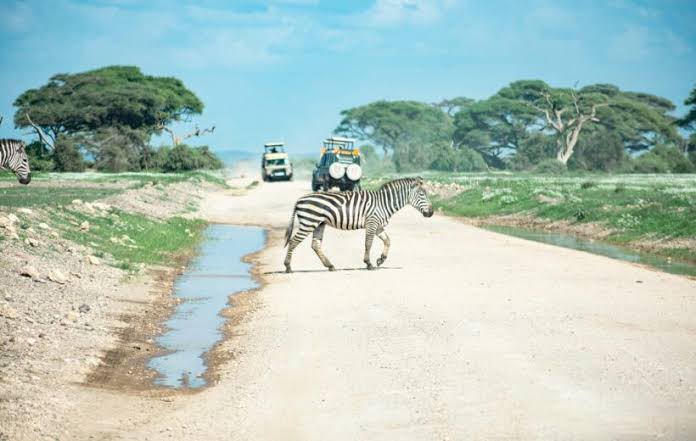
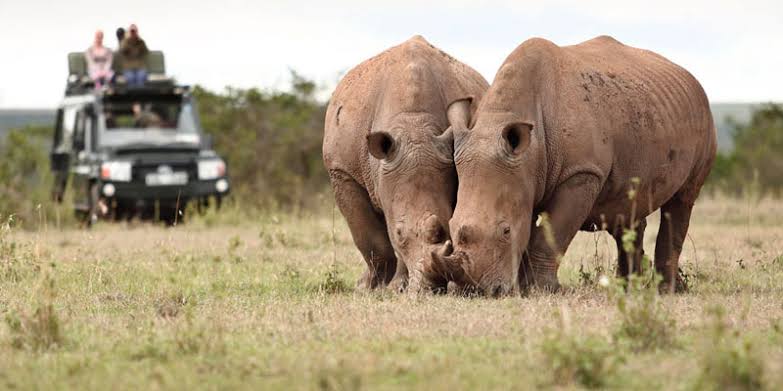
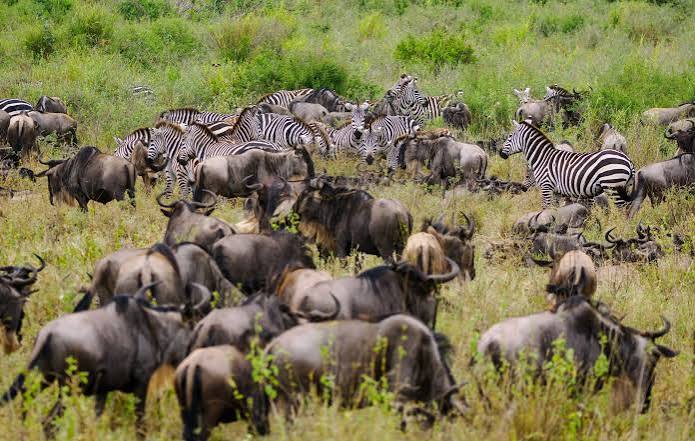
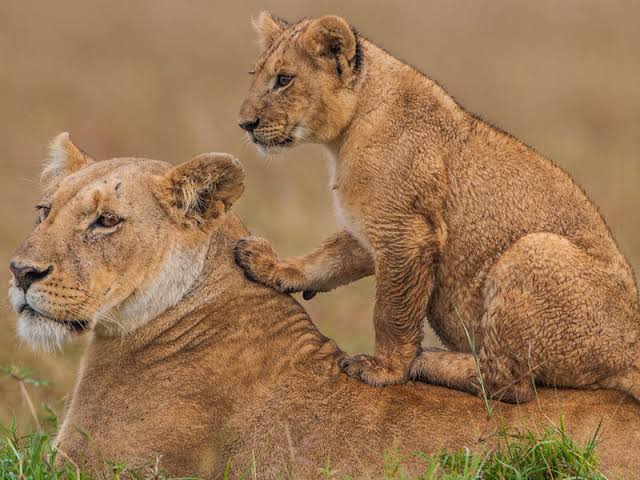
Wildlife game drives remain one of the most exciting activities can kids do on safari ,children on a Tanzania safari. A safari vehicle allows families to explore natural habitats while an experienced guide explains the animals and landscapes they encounter. Children may see elephants, lions, giraffes, zebras, wildebeests, buffaloes, hippos, monkeys, antelopes, and many species of birds.
Parents can make game drives more interesting by turning wildlife viewing into a simple discovery activity. Before the trip, children can learn to recognize common animals. During the drive, they can keep a checklist of animals they see and mark each one when they spot it. This simple activity encourages children to pay attention and remain interested.
The guide also plays an important role. A knowledgeable guide can explain how animals find food, protect their young, communicate, and interact with other species. These explanations can turn each wildlife sighting into a practical lesson.
However, parents should consider the length of each game drive. Younger children may struggle with long periods inside a vehicle, particularly when wildlife takes time to appear. Shorter drives with breaks often work better for young travelers. Older children may enjoy longer drives because they can combine wildlife viewing with photography and tracking.
Children should also learn to observe wildlife quietly. They should never shout at animals, throw objects, feed wildlife, or ask the driver to chase an animal. These rules teach children that responsible safari travel means respecting animals in their natural environment.
With good planning, a game drive becomes more than sightseeing. It becomes an outdoor classroom where children can learn about wildlife while enjoying a genuine African adventure.
Nature Walks and Outdoor Exploration
Nature walks can give children a completely different view of safari life. Game drives usually focus on larger animals, while walking allows children to notice smaller details such as plants, insects, animal tracks, feathers, tree bark, and signs of feeding.
When local rules and safety conditions allow, families can take guided walks with qualified professionals. A guide can explain how different plants fit into the ecosystem and how animals leave clues behind as they move through the environment. Children often enjoy discovering that a footprint, broken branch, feather, or feeding mark can reveal information about an animal that they cannot see.
Nature walks can also help children understand that an ecosystem involves much more than famous animals such as lions and elephants. Plants provide food and shelter, insects support other species, birds spread seeds, and water sources help sustain entire communities of wildlife.
Parents should choose walking activities that suit their children’s ages and abilities. Younger children may prefer short walks, while older children may enjoy longer experiences that include tracking and wildlife education. Families should always follow the guide’s instructions and stay together.
Comfort matters as well. Children should wear suitable shoes, comfortable clothing, and sun protection. Parents should carry drinking water and plan walks during appropriate times of the day.
A nature walk can also provide a useful break from vehicle travel. Children can move around, explore their surroundings, and ask questions. They may become fascinated by something as simple as a colourful insect or unusual plant.
For this reason, nature walks can become one of the most educational activities for children on safari. They teach young travelers to observe carefully and understand that every part of nature contributes to a larger ecosystem.
Bird Watching and Wildlife Tracking
Bird watching can be one of the activities that kids can do on safari and it become an enjoyable activity for children who like searching, observing, and discovering new things. Tanzania has many different habitats, which support a wide variety of bird species. Children can spot birds around forests, grasslands, wetlands, lakes, and open plains during game drives and suitable walking activities.
Parents do not need to make bird watching complicated. A simple notebook can work as a bird list. Children can record the colour, size, location, and behaviour of birds they see. They can also draw pictures when they cannot identify a particular species.
This activity teaches patience. Large animals often attract immediate attention, but birds require closer observation. Children learn to scan trees, listen for calls, and notice movement in places they might normally ignore.
Wildlife tracking adds another exciting layer. Experienced guides can explain how they identify animal tracks and other signs. Children may learn how footprints differ between species and how guides use tracks to understand where animals have moved.
Tracking involves more than footprints. Guides may examine dung, feathers, feeding marks, scratches, broken plants, and other clues. These details can help families understand animal behaviour even when the animal itself remains hidden.
Older children may enjoy using binoculars or cameras. These tools can encourage them to look closely without approaching wildlife.
Parents can also turn bird watching and tracking into a friendly family challenge. Each child can keep a list of species or signs they discover. The goal should focus on learning rather than competition.
Bird watching and tracking also support conservation education. Children begin to understand that every species contributes to the ecosystem.
As a result, these activities can transform quiet moments into exciting discoveries. They encourage patience, concentration, curiosity, and respect for Tanzania’s natural environment.
Cultural Experiences for Children on Safari
A Tanzania safari can teach children about people and culture as well as wildlife. Cultural experiences can introduce young travelers to local traditions, crafts, food, music, history, and community life. These activities can help children understand that Tanzania is more than its national parks.
Depending on the destination, families may visit communities, meet local artisans, learn about traditional crafts, explore local food, or take part in suitable cultural activities. Children may enjoy watching an artisan create a handmade item or learning about how local communities use natural resources.
Cultural experiences can also explain the relationship between people and wildlife. Many communities live near protected areas and depend on land and natural resources. Responsible tourism can support local employment, small businesses, education, healthcare, and conservation initiatives.
Parents should select cultural experiences that treat local communities with respect. Children should learn to ask permission before taking photographs and should understand that cultural encounters involve real people rather than entertainment created solely for visitors.
A professional guide can prepare children before a community visit. Simple explanations about local customs can help children behave respectfully and ask thoughtful questions.
These experiences can also encourage children to become more open minded. They may discover different foods, learn new words, see unfamiliar crafts, and understand different ways of living.
Older children can explore deeper topics such as community development, conservation, tourism, and local history. Younger children can simply enjoy meeting new people and discovering new activities.
Cultural experiences can therefore add an important human element to a safari. They help children understand that wildlife tourism connects animals, landscapes, communities, and travelers.
A well planned cultural activity can become one of the most memorable parts of the holiday because it allows children to learn directly from the people who call Tanzania home.
Photography and Safari Journaling for Kids
Photography gives children a creative way to document their safari. A simple camera or smartphone can encourage them to observe animals, landscapes, plants, birds, and interesting details. Children do not need professional equipment. The main purpose involves helping them become active observers.
Parents can give children simple photography challenges. They might ask them to photograph an interesting landscape, a bird, an elephant, a colourful plant, or an unusual tree. These tasks encourage children to look carefully at their surroundings.
Safari journaling offers another excellent activity. Children can keep a notebook where they record the animals they see, places they visit, interesting facts, questions, and personal thoughts. Younger children can draw pictures, while older children can write short descriptions.
A journal can include the date, location, weather, animals observed, and something new the child learned that day. Children can also record their favourite experience and explain why they enjoyed it.
Photography and journaling encourage patience. Wildlife does not always cooperate with a camera. Children may need to wait quietly for an animal to appear or behave naturally. This teaches them to observe without disturbing wildlife.
Parents should also remind children that responsible photography matters. They should never use a camera or phone to encourage animals to approach them. They should avoid loud noises and sudden movements while taking photographs.
The journal and photographs can become valuable memories after the safari. Children can share them with classmates, friends, and relatives or use them for school projects.
These activities also give children a sense of ownership over their adventure. Instead of simply following the adults, they create their own record of the journey.
For families working with Giant Holiday Safaris, adding photography and journaling to the itinerary can provide a simple way to keep children engaged between major wildlife sightings.
Conservation and Educational Activities
Conservation activities can turn a family safari into a valuable learning experience. Children can discover why Tanzania protects its wildlife areas and how conservation helps animals, habitats, and local communities.
During a game drive, guides can explain how different animals depend on each other. Children can learn how herbivores feed on plants, predators depend on prey, and water sources support many species. Seeing these relationships in real life can make environmental lessons much easier to understand.
Children can also learn about responsible behaviour. They should understand why they must not feed wildlife, leave rubbish behind, make unnecessary noise, or approach wild animals. These simple rules introduce a larger lesson about respecting nature.
Depending on the destination and operator, families may also learn about conservation projects or community initiatives. Parents should choose activities that operate ethically and avoid disturbing wildlife.
Older children may become interested in more complex topics such as endangered species, habitat loss, human wildlife relationships, and the role tourism plays in supporting conservation.
Parents can continue these lessons after returning home. A child might research an animal seen during the safari, create a school presentation, or learn about conservation efforts in Tanzania.
Conservation also teaches children that protecting wildlife requires cooperation. Local communities, park authorities, guides, conservation groups, tourism businesses, and travelers all have responsibilities.
This understanding can help children see the safari differently. They begin to realize that wildlife viewing depends on healthy ecosystems and responsible human behaviour.
Educational activities can therefore create long lasting value. Children return home with more than photographs. They gain knowledge about nature and a stronger understanding of why wildlife deserves protection.
A well planned safari can become a practical environmental lesson that children remember long after their family holiday ends.
Swimming, Relaxation, and Family Time
A family safari should not involve activities from sunrise until bedtime. Children need time to rest, play, eat, and enjoy quiet moments. Therefore, swimming and relaxation can form an important part of the safari experience as it can be one of the activities that kids can do on safari,.
Many family friendly lodges offer swimming pools where children can relax after a game drive. Swimming can help children release energy and enjoy themselves while parents take a break. Parents should always supervise children around water and follow the lodge’s safety rules.
Families can also use free time for simple activities. Children may read books, draw pictures, update their journals, look through photographs, or talk about what they saw during the day.
These quiet moments can help parents understand what children actually enjoy. A child may remember a colourful bird, playful monkey, or unusual plant more strongly than a major predator sighting. Those conversations can reveal which parts of the safari capture their imagination.
Rest becomes especially important for younger children. Early morning game drives can involve early wake up times, while long drives can become tiring. A flexible itinerary allows children to recover before another activity.
Family time can also create some of the best memories. Parents and children can share meals, watch sunsets, talk about wildlife, or simply enjoy the peaceful surroundings.
A good safari itinerary therefore needs balance. Families do not need to see every animal or visit every destination. Children often enjoy the journey more when they have enough time to understand each experience.
Relaxation can also prevent safari fatigue. When children feel rested, they are more likely to stay interested during the next game drive.
For this reason, swimming, quiet time, and family conversations should not feel like wasted time. They form an important part of a comfortable safari and give children the energy they need to enjoy the next adventure.
Safety Tips for Kids During Safari Activities
Safety should remain a priority throughout every family safari activity. Tanzania’s wildlife areas provide remarkable experiences, but children need clear rules because wild animals behave differently from domestic animals.
The most important rule involves following the guide’s instructions. During game drives, children should remain inside the vehicle unless the guide gives permission to leave. They should never feed animals, throw objects, shout at wildlife, or attempt to attract an animal’s attention.
Parents should supervise children around safari lodges and camps. Some properties operate in natural environments where wildlife may move nearby. Children should never walk around alone, especially after dark.
Nature walks require extra care. Families should only walk in approved areas with qualified guides. Children should remain with the group and avoid touching unfamiliar plants, insects, or other natural objects.
Sun protection also matters. Parents should pack hats, sunscreen, sunglasses, comfortable clothing, and suitable footwear. Children should drink enough water, especially during warm weather.
Parents should also consider energy levels. A tired child may become less attentive and less comfortable. Regular breaks can therefore improve both enjoyment and safety.
Before the trip, parents can teach children basic wildlife rules. Children who understand why they need to remain quiet and maintain distance often become more responsible observers.
Families should also choose a professional safari company with experienced guides and suitable vehicles. A skilled guide understands wildlife behaviour, park regulations, safe viewing distances, and appropriate routes.
Safety does not need to reduce the excitement of a safari. Instead, it teaches children how to explore nature responsibly.
When parents combine preparation, supervision, professional guidance, and sensible behaviour, children can experience Tanzania’s wildlife with greater confidence while respecting the animals and environment around them.
How Parents Can Choose the Best Safari Activities
Choosing suitable safari activities starts with understanding the children’s ages, interests, and energy levels. An activity that excites a teenager may not work well for a young child. Therefore, parents should avoid building the itinerary around adult preferences alone.
Younger children often enjoy simple wildlife viewing, short game drives, swimming, drawing, and easy nature experiences. Parents should keep activities manageable and allow enough time for rest.
Older children may enjoy bird watching, wildlife tracking, photography, nature walks, and conservation discussions. Teenagers can often handle longer game drives and may become interested in animal behaviour, ecosystems, photography, and conservation.
The destination also matters. Tarangire offers excellent wildlife viewing and large elephant populations. Lake Manyara provides forests, wetlands, and varied habitats. Ngorongoro offers a concentrated wildlife experience, while Serengeti provides vast plains and opportunities to observe predators and large herds.
Travel dates can influence activities too. Weather, wildlife movements, road conditions, and visitor numbers change throughout the year. A knowledgeable safari operator can help families choose appropriate activities based on the season.
Safety should always guide the final decision. Not every activity suits every child, and local rules may restrict certain experiences. Parents should follow professional advice.
Budget also matters. Families do not need to purchase many extra activities to enjoy a memorable safari. Wildlife viewing, photography, journaling, bird watching, and conversations with guides can provide rich experiences without adding large costs.
The best strategy involves choosing a few meaningful activities rather than trying to do everything. This gives children time to enjoy each experience without feeling overwhelmed.
A well planned safari should feel like an adventure rather than a schedule that children must endure. When parents match activities with age, interests, comfort, safety, and destination, children can enjoy a much more rewarding experience.
What Activities Can Kids Do on Safari? Conclusion
Understanding what activities can kids do on safari helps families create a holiday that combines wildlife, education, culture, creativity, relaxation, and adventure. Tanzania offers an excellent setting for children to experience nature while developing curiosity and respect for the environment.
Game drives can introduce children to elephants, lions, giraffes, zebras, wildebeests, buffaloes, hippos, and many other species. Nature walks can reveal plants, insects, tracks, and smaller signs of wildlife. Bird watching and wildlife tracking can encourage patience, while photography and journaling give children a creative way to document their experiences.
Cultural activities can introduce young travelers to Tanzanian communities and traditions. Conservation lessons can also help children understand why protecting wildlife and natural habitats matters. These experiences can create valuable knowledge that continues to influence children after they return home.
However, families should not fill every moment with activities. Children need time to swim, rest, read, draw, eat, and talk with their parents. A balanced itinerary often creates a better safari than a busy schedule.
Safety should remain central throughout the trip. Children need clear rules about wildlife, walking, photography, and behaviour around animals. Parents should also choose experienced guides and responsible tourism providers.
A company such as Giant Holiday Safaris can help families plan an itinerary that balances wildlife viewing with suitable activities, comfortable travel, and time for children to rest and explore.
Ultimately, what activities can kids do on safari depends on their age, interests, destination, travel season, and family preferences. With thoughtful planning, a Tanzania safari can become an exciting outdoor classroom where children discover wildlife, culture, conservation, and the beauty of nature. More importantly, the experience can create family memories that remain meaningful for many years.