
Can I Combine Honeymoon Safari and Zanzibar
August 3, 2026
Can I Do Budget Safaris in Uganda
August 3, 2026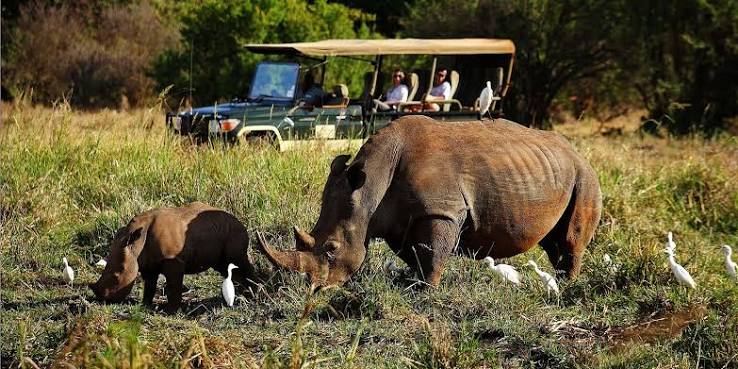
What Animals Are Found in Meru National Park?
Meru National Park stands among Kenya’s most rewarding wildlife destinations. Located in the eastern part of the country, this remarkable protected area covers vast wilderness filled with rivers, grasslands, swamps, woodlands, and thick forests. Unlike some of Africa’s busier safari parks, Meru offers a peaceful and authentic safari experience where nature remains wild and untouched. Every game drive reveals breathtaking scenery, diverse ecosystems, and incredible wildlife that attracts visitors from around the world.
Wildlife thrives in Meru National Park because of its varied habitats and strong conservation efforts. The park supports large mammals, colorful birds, reptiles, amphibians, and countless smaller species that play an important role in maintaining a healthy ecosystem. Every season brings new opportunities to witness different animal behaviors, from elephant herds gathering near rivers to predators stalking prey across open plains.
Travelers searching for unforgettable wildlife encounters often choose Meru because it combines rich biodiversity with fewer crowds. The result is a more intimate safari experience where every sighting feels personal and memorable. Whether you dream of seeing Africa’s famous Big Five, watching rare antelope species, or photographing vibrant birdlife, Meru National Park delivers exceptional opportunities. Understanding the animals that live here helps visitors appreciate the park’s ecological importance while preparing for a rewarding African safari adventure.
Combined Uganda, Kenya, Rwanda and Tanzania Safaris
17 days Kenya Tanzania and Uganda safari
19 Days Uganda Kenya and Tanzania Safari
16 Days Kenya Tanzania and Uganda Safari
14 Days Kenya Uganda and Tanzania Safari
14 Days Kenya Uganda and Rwanda Safari
12 Day Gorilla Trekking and Tanzania Safari
The Big Five Animals in Meru National Park
One of the biggest attractions in Meru National Park is the opportunity to encounter Africa’s famous Big Five. These iconic animals include the African elephant, lion, leopard, African buffalo, and black rhinoceros. Each species contributes to the park’s incredible wildlife diversity and creates unforgettable safari moments.
African elephants roam throughout Meru in impressive numbers. Large family groups often gather near rivers and watering holes, especially during dry periods. Watching these intelligent giants interact, protect their young, and move gracefully through the landscape creates lasting memories for visitors.
Lions dominate the grasslands and open woodlands. Several prides occupy different territories across the park, and early morning or late afternoon game drives frequently reward visitors with sightings. Lions spend much of the day resting before becoming active during cooler hours.
Leopards remain among the most elusive predators in Meru. Their spotted coats blend perfectly with trees and rocky landscapes, making them difficult to spot. Experienced safari guides know the best locations to search for these secretive cats, especially near riverine forests.
African buffalo travel in large herds that graze across open plains. Their strength and protective behavior make them one of Africa’s most respected animals. Meanwhile, the endangered black rhinoceros represents one of Meru’s greatest conservation achievements. Intensive protection programs have helped secure healthy populations within carefully managed sanctuary areas. Together, these remarkable species make Meru National Park one of Kenya’s outstanding Big Five safari destinations.
Elephants: The Gentle Giants of Meru
African elephants rank among the most impressive animals visitors encounter in Meru National Park. Their presence shapes the landscape and supports countless other species throughout the ecosystem. As they move across the park, elephants create pathways through vegetation, spread seeds over long distances, and dig water holes that benefit many animals during dry seasons.
Family bonds define elephant society. Adult females lead close knit herds that include calves, teenagers, and younger adults. Watching young elephants play, learn survival skills, and stay close to their mothers provides one of the most heartwarming safari experiences. Mature bulls usually travel alone or form small bachelor groups until breeding opportunities arise.
Meru’s rivers attract elephants throughout the year. They drink large amounts of water, cool themselves with mud baths, and use their trunks to spray water over their bodies. Mud also protects their skin from insects and the intense African sun. Visitors often enjoy spectacular photography opportunities as elephants cross rivers or feed among tall grasses.
Conservation efforts continue to protect elephant populations against threats such as habitat loss and illegal poaching. Strong wildlife management, anti-poaching patrols, and community partnerships have strengthened elephant conservation in Meru. Today, these magnificent animals remain one of the park’s greatest highlights, inspiring travelers who seek meaningful wildlife encounters while supporting sustainable tourism.
Lions and Other Powerful Predators
Predators play a vital role in maintaining the balance of Meru National Park’s ecosystem. They control herbivore populations, remove weak animals, and contribute to healthier wildlife communities. Among these predators, lions attract the greatest attention from safari visitors.
Lion prides establish territories across grasslands, open savannahs, and lightly wooded areas. During cooler hours, they patrol their territories, communicate through powerful roars, and cooperate during hunts. Female lions usually lead hunting efforts, using teamwork to capture antelope, zebra, buffalo, and other prey species. Their social behavior offers fascinating opportunities for wildlife observation.
Leopards add another layer of excitement to Meru safaris. Unlike lions, leopards prefer solitude and depend on stealth rather than teamwork. They often drag their prey into trees to protect it from scavengers such as hyenas. Their excellent climbing ability and remarkable camouflage make every leopard sighting especially rewarding.
Cheetahs also occur in suitable open habitats where they rely on speed instead of strength. As the world’s fastest land animal, the cheetah demonstrates incredible athletic ability while pursuing gazelles and smaller antelope across the plains.
Spotted hyenas contribute significantly to the ecosystem as both skilled hunters and efficient scavengers. Although many people underestimate them, hyenas possess remarkable intelligence and powerful jaws capable of crushing large bones. Smaller predators, including servals, African wild cats, jackals, and mongooses, further enrich Meru’s carnivore diversity. Together, these predators create dynamic wildlife experiences throughout every safari.
Herbivores That Roam the Plains
Meru National Park supports an impressive variety of herbivores that thrive across its grasslands, forests, and riverbanks. These plant eating animals provide essential food sources for predators while maintaining healthy vegetation through continuous grazing and browsing.
Plains zebras rank among the easiest animals to observe during a safari. Their striking black and white stripes create beautiful scenes against Meru’s green landscapes. Scientists continue to study the exact purpose of these unique patterns, although camouflage, temperature regulation, and insect protection all appear to contribute.
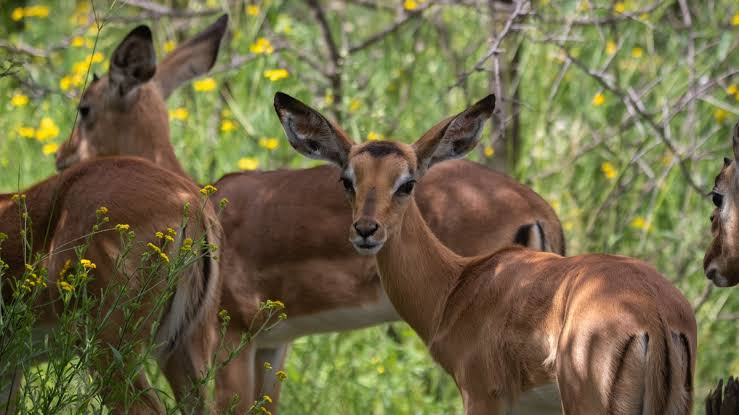
Several antelope species inhabit the park. Impalas gather in large herds and display remarkable agility when escaping predators. Grant’s gazelles and Thomson’s gazelles graze in open areas where their speed helps them avoid danger. Greater kudu, with their elegant spiral horns, prefer woodland habitats where they browse leaves from shrubs and trees.
Giraffes move gracefully across Meru’s landscape while feeding on acacia leaves using their exceptionally long necks and tongues. Their height allows them to reach vegetation unavailable to many other herbivores. Meanwhile, waterbucks remain close to rivers and wetlands, taking advantage of abundant water and lush vegetation.
Warthogs, bushbucks, elands, dik-diks, and oryx also contribute to the park’s impressive herbivore diversity. Each species occupies specific habitats that reduce competition for food and support ecological balance. Visitors often witness different herbivores sharing grazing areas peacefully while remaining alert for nearby predators.
Rare and Unique Wildlife Species
Meru National Park stands out because it protects several rare and unique wildlife species that are difficult to find elsewhere. This diversity makes every safari especially rewarding for wildlife enthusiasts, photographers, and conservation-minded travelers.
The endangered black rhinoceros represents one of Meru’s greatest conservation successes. Intensive protection efforts, careful monitoring, and secure sanctuary management have allowed these magnificent animals to survive despite significant historical declines. Spotting a black rhino in its natural environment remains one of Africa’s most memorable wildlife experiences.
The lesser kudu adds another special attraction to Meru. This elegant antelope displays beautiful white stripes along its body and impressive spiral horns on mature males. Because it prefers dense bush and woodland habitats, sightings often require patience and experienced guiding.
Grevy’s zebra, recognized by its narrow stripes and larger ears, also occurs within parts of northern Kenya’s protected landscapes connected to Meru’s broader ecosystem. This endangered zebra species represents one of Africa’s rarest large mammals.
The reticulated giraffe, famous for its striking geometric coat pattern, adds even more uniqueness to the park. Its distinct appearance differs from other giraffe subspecies found across Africa, making wildlife photography especially rewarding.
Smaller but equally fascinating species include aardwolves, bat-eared foxes, civets, genets, and pangolins, although many remain nocturnal and rarely appear during daytime game drives. These uncommon animals highlight Meru’s remarkable biodiversity and reinforce the importance of protecting this valuable wilderness for future generations.
Birdlife in Meru National Park
Birdwatchers discover exceptional opportunities in Meru National Park because the area supports hundreds of bird species across multiple habitats. Rivers, wetlands, forests, grasslands, and rocky outcrops provide ideal environments for both resident and migratory birds throughout the year.
Large birds often capture immediate attention. African fish eagles patrol rivers while producing their unmistakable calls that many people associate with African wilderness. Their powerful talons allow them to catch fish with remarkable precision. Martial eagles soar high above the plains, searching for mammals, reptiles, and birds.
Colorful species brighten every safari drive. Lilac-breasted rollers display brilliant feathers during aerial courtship flights. Bee-eaters gather near sandy riverbanks where they nest in tunnels and catch flying insects with impressive accuracy. Kingfishers, hornbills, turacos, sunbirds, and weavers add constant movement and vibrant color throughout the park.
Wetlands attract herons, egrets, storks, ibises, ducks, geese, and African jacanas. Meanwhile, ostriches roam open grasslands alongside grazing mammals. Vultures perform an essential ecological role by cleaning carcasses and reducing disease transmission within wildlife populations.
Migratory birds increase species diversity during certain seasons as they travel between continents. Bird photography remains outstanding because Meru experiences relatively low visitor numbers, allowing quieter observation conditions. Whether you are an experienced birder or simply appreciate nature, Meru offers unforgettable birdwatching opportunities that complement its spectacular mammal sightings.
Reptiles and Smaller Wildlife
Although large mammals receive much of the attention, Meru National Park also protects an impressive collection of reptiles and smaller wildlife. These often-overlooked creatures perform essential ecological functions that keep the ecosystem healthy and balanced.
Nile crocodiles dominate many of the park’s rivers. These ancient reptiles wait patiently along riverbanks before launching powerful attacks on unsuspecting prey. Despite their fearsome reputation, crocodiles play an important role by controlling fish populations and recycling nutrients within aquatic ecosystems.
Nile monitors frequently appear near rivers and wetlands. These large lizards display remarkable intelligence while feeding on fish, insects, eggs, amphibians, and small mammals. Smaller lizard species dart across rocks and tree trunks throughout the park.
Several snake species inhabit Meru, including pythons, cobras, puff adders, and harmless grass snakes. Most snakes avoid human contact whenever possible, making encounters relatively uncommon during guided safaris. Professional safari guides understand snake behavior and prioritize visitor safety.
Frogs and toads become especially active after rainfall. Their calls fill wetlands during the breeding season and attract predators such as birds and reptiles. Countless insects, butterflies, dragonflies, termites, beetles, and bees contribute to pollination, decomposition, and food chains that support larger wildlife.
Even tiny mammals such as squirrels, hares, hyraxes, bats, and rodents play valuable ecological roles. Together, these smaller animals demonstrate that every species contributes to Meru National Park’s remarkable biodiversity.
Best Time to See Wildlife in Meru National Park
Wildlife viewing remains rewarding throughout the year in Meru National Park, although each season offers unique advantages. Understanding seasonal conditions helps travelers choose the safari experience that best matches their interests.
The dry seasons generally provide the easiest game viewing opportunities. As water sources become limited, animals gather around rivers, permanent pools, and watering holes. Vegetation also becomes less dense, making it easier to spot wildlife from safari vehicles. Predators often remain close to these areas because prey animals visit regularly.
During the wetter months, the landscape transforms into vibrant shades of green. Flowers bloom across the plains, migratory birds arrive, and many mammals give birth. Young animals attract predators, creating exciting wildlife interactions while adding wonderful photographic opportunities. Although thicker vegetation may hide some animals, the scenery becomes especially beautiful.
Early morning game drives often produce the highest wildlife activity. Lions, leopards, hyenas, and cheetahs remain active before temperatures rise, while herbivores spend more time feeding in open areas. Evening drives also deliver excellent sightings as temperatures cool and animals become more active again.
Patience always improves wildlife viewing. Nature follows its own rhythm, and every safari creates different experiences. An experienced guide understands animal behavior, tracks fresh signs, and increases the chances of memorable sightings. Every season offers something unique, making Meru National Park an outstanding year-round safari destination.
Conservation Efforts That Protect Meru’s Wildlife
Conservation remains the foundation of Meru National Park’s success. Healthy wildlife populations depend on continuous protection, scientific research, habitat management, and strong cooperation between conservation organizations, government agencies, local communities, and responsible tourism operators.
Anti-poaching teams work tirelessly to safeguard endangered species, especially black rhinos and elephants. Modern technology, regular patrols, intelligence gathering, and community partnerships strengthen wildlife protection while discouraging illegal activities. These efforts have contributed significantly to the recovery of several threatened species.
Habitat conservation also plays an essential role. Rivers, forests, wetlands, grasslands, and woodlands require careful management to maintain healthy ecosystems. Fire management, invasive species control, and ecological monitoring help preserve the diverse environments that support Meru’s extraordinary wildlife.
Community involvement strengthens long-term conservation success. Tourism creates employment opportunities, supports local businesses, and encourages sustainable development that benefits both people and wildlife. When communities receive economic benefits from conservation, they become valuable partners in protecting natural resources.
Responsible tourism further contributes to conservation by generating funding for wildlife management while promoting environmental education. Visitors who respect park regulations, avoid disturbing animals, and support ethical safari operators help preserve Meru for future generations. Every safari contributes to a broader mission of protecting one of Kenya’s most valuable wildlife landscapes.
Conclusion
Meru National Park offers one of Africa’s richest wildlife experiences. From the legendary Big Five and graceful giraffes to rare black rhinos, colorful birds, reptiles, and countless smaller species, the park showcases the remarkable diversity that makes Kenya one of the world’s leading safari destinations. Its varied habitats create ideal conditions for wildlife to flourish while providing visitors with unforgettable opportunities to witness nature at its finest. Whether your goal is photographing elephants, searching for elusive leopards, observing hundreds of bird species, or simply enjoying peaceful game drives away from large crowds, Meru National Park delivers an authentic safari adventure that exceeds expectations. Choosing a professionally planned safari enhances every moment, and Giant Holiday Safaris provides trusted expertise, knowledgeable guides, and carefully designed travel experiences that help visitors explore Meru National Park and other outstanding African destinations with confidence and lasting memories.