What are the best Uganda safari holidays
August 1, 2026
Which Uganda safaris are affordable
August 1, 2026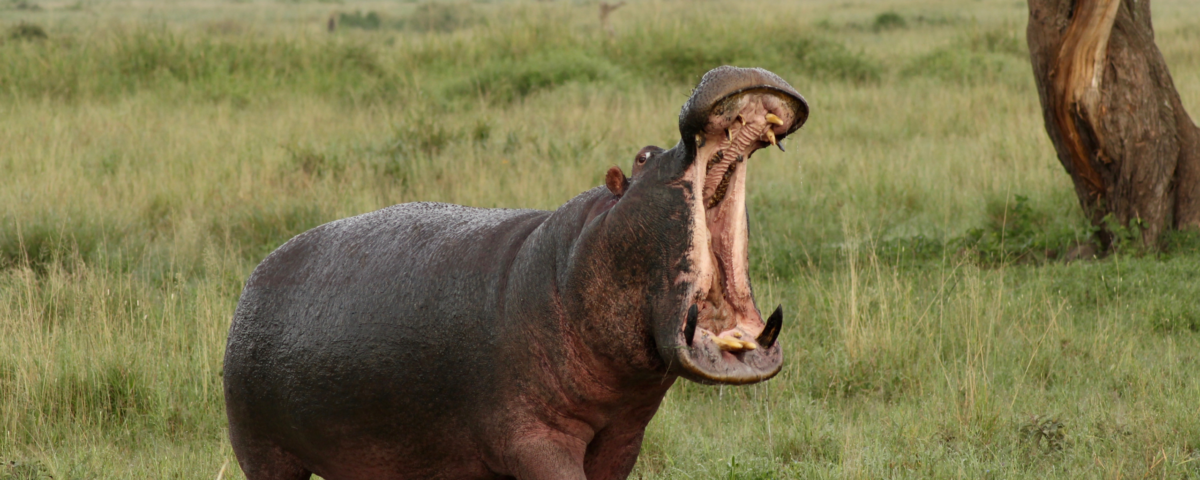
What Animals Are Unique to Tanzania
Many travellers ask, what animals are unique to Tanzania, when searching for an unforgettable African safari destination. Tanzania stands among the world’s most remarkable wildlife destinations because it protects some of Africa’s most extraordinary species and ecosystems. From the endless plains of the Serengeti to the remote wilderness of Ruaha and the coastal landscapes of Zanzibar, Tanzania offers incredible opportunities to discover animals that represent the country’s natural heritage.
While Tanzania is famous for the Big Five, the country offers much more than lions, elephants, leopards, buffaloes, and rhinos. Visitors can encounter unusual species with fascinating adaptations, rare behaviours, and special connections to Tanzania’s landscapes. Animals such as the Gerenuk, Zanzibar Red Colobus monkey, Grey Crowned Crane, and several rare antelope species make every safari experience unique.
The country’s diverse habitats create perfect conditions for wildlife to thrive. Ancient forests, volcanic mountains, grasslands, wetlands, and coastal areas support thousands of animal species. Each environment introduces visitors to different wildlife experiences that reveal the incredible biodiversity of Tanzania.
Planning a safari with Giant Holiday Safaris allows travellers to explore these unique animals with experienced guides who understand Tanzania’s ecosystems and wildlife movements. Their carefully designed journeys help visitors discover rare species while enjoying comfortable, safe, and responsible safari experiences.
Understanding what animals are unique to Tanzania helps travellers appreciate why this East African country remains one of the world’s most inspiring wildlife destinations.
Combined Uganda, Kenya, Rwanda and Tanzania Safaris
17 days Kenya Tanzania and Uganda safari
19 Days Uganda Kenya and Tanzania Safari
16 Days Kenya Tanzania and Uganda Safari
14 Days Kenya Uganda and Tanzania Safari
14 Days Kenya Uganda and Rwanda Safari
12 Day Gorilla Trekking and Tanzania Safari
What Animals Are Unique to Tanzania?
When exploring what animals are unique to Tanzania, travellers discover a fascinating collection of species that reflect the country’s rich biodiversity. Some animals are endemic to Tanzania, meaning they exist naturally only in specific regions of the country, while others represent rare species that thrive in Tanzania’s protected habitats.
One of Tanzania’s most special animals is the Zanzibar Red Colobus monkey. Found mainly on Zanzibar Island, this beautiful primate has a distinctive reddish coat and lives in forest habitats. Conservation programs protect this species because habitat loss has reduced its population over time. Seeing these monkeys in their natural environment offers visitors a rare wildlife experience beyond traditional safari adventures.
The Gerenuk, also known as the giraffe necked antelope, represents another unusual species found in northern Tanzania. Its long neck allows it to reach leaves from tall bushes, creating a feeding style that makes it different from many other antelopes. Visitors can often spot Gerenuks standing upright on their back legs while feeding.
The Kipunji monkey is another remarkable Tanzanian species. Scientists discovered this rare primate in the forests of the Southern Highlands, making it one of Africa’s most recently identified mammals. Its limited range makes sightings extremely special for wildlife enthusiasts.
Tanzania also protects unique species such as the Hirola antelope in some conservation areas, the Grey Crowned Crane with its elegant golden feathers, and the African Wild Dog, known for its incredible teamwork and hunting abilities.
Each of these animals adds another layer to Tanzania’s wildlife story, proving that the country offers far more than the famous safari icons.
Why Tanzania Has Some of Africa’s Most Unique Wildlife
Tanzania’s unique wildlife exists because of its exceptional combination of landscapes, climate conditions, and conservation efforts. Few places in Africa offer such a wide range of habitats within one country, allowing many different species to survive and develop special adaptations.
The Great Rift Valley has shaped Tanzania’s landscapes for millions of years. This geological wonder created mountains, valleys, lakes, and grasslands that support diverse ecosystems. Animals adapted to these environments in fascinating ways, creating wildlife communities found nowhere else.
Tanzania’s national parks and conservation areas also play a major role in protecting unique animals. Serengeti National Park, Ngorongoro Conservation Area, Tarangire National Park, Ruaha National Park, and Nyerere National Park preserve important habitats where wildlife can move freely and maintain natural behaviours.
Another reason Tanzania has extraordinary wildlife is its variety of ecosystems. The country contains dry savannahs, tropical forests, high altitude mountain zones, freshwater lakes, and coastal environments. Each habitat supports different animal communities. For example, forest areas protect rare primates, while open plains support specialised grazing animals and predators.
Tanzania’s long history of wildlife conservation has also helped protect vulnerable species. Responsible tourism contributes to conservation by creating economic value for natural areas and encouraging communities to protect wildlife.
Furthermore, Tanzania’s location in East Africa places it within one of the world’s most important wildlife regions. The movement of animals across ecosystems creates incredible opportunities for visitors to witness natural behaviours and discover rare species.
Because of these factors, Tanzania remains one of the best destinations for travellers who want to understand what animals are unique to Tanzania and experience wildlife beyond the ordinary safari.
Unique Animals Found in Tanzania’s National Parks
Tanzania’s national parks provide some of the best opportunities to discover rare and unusual animals in their natural habitats. Each park offers a different wildlife experience, allowing visitors to encounter species that make Tanzania truly special.
Serengeti National Park is famous for the Great Migration, but it also protects unique animals such as the Serengeti shrew, various antelope species, and large populations of African Wild Dogs. The park’s vast grasslands create ideal conditions for predators, grazers, and specialised wildlife species.
Ngorongoro Conservation Area offers another incredible wildlife environment. The volcanic crater provides a natural enclosure where visitors can see rare animals alongside famous species. The area supports black rhinos, unique bird species, and many animals that have adapted to the crater’s special ecosystem.
Tarangire National Park stands out because of its large elephant populations and unique landscape filled with ancient baobab trees. The park also supports unusual species such as the Fringe Eared Oryx and Gerenuk. These animals thrive in the dry environment because they have developed special adaptations for survival.
Ruaha National Park protects some of Tanzania’s most remote and untouched wilderness. It provides excellent opportunities to see African Wild Dogs, sable antelopes, roan antelopes, and other rare species that prefer less crowded habitats.
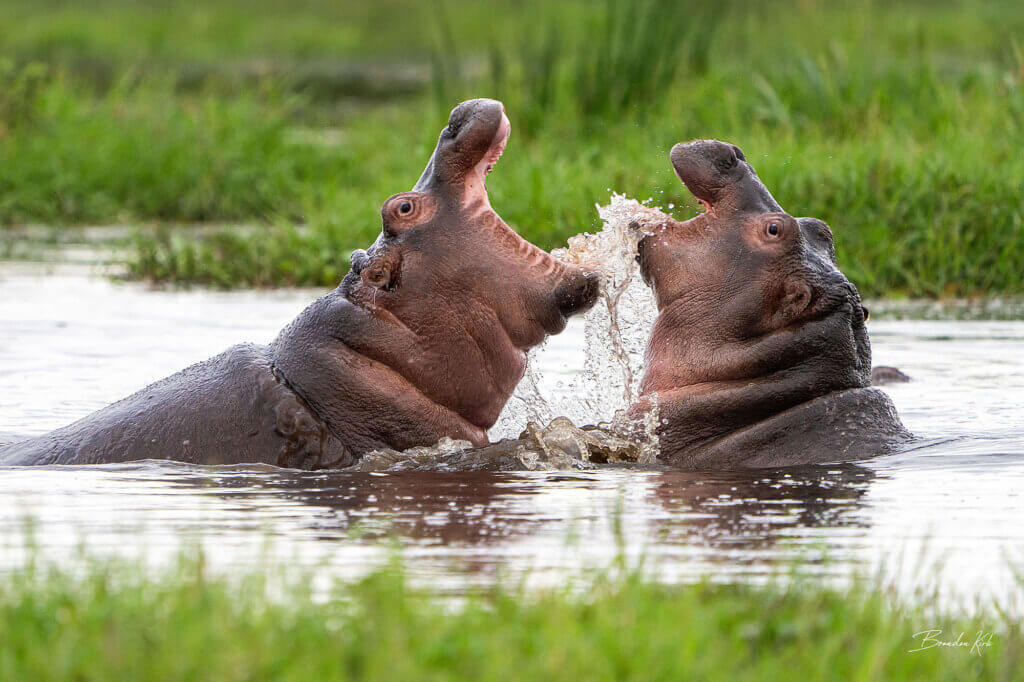
Nyerere National Park, formerly part of the Selous Game Reserve, offers a different safari experience with river ecosystems and wetlands. Visitors can encounter hippos, crocodiles, rare birds, and unique wildlife along the Rufiji River.
Each national park contributes to Tanzania’s incredible wildlife diversity. Exploring different regions allows travellers to discover more unusual species and gain a deeper understanding of the country’s natural treasures.
The Serengeti’s Special Wildlife Species
The Serengeti remains one of the world’s most famous wildlife destinations, yet many visitors do not realise how many special animals live beyond the well known safari species. The ecosystem supports an incredible range of wildlife that continues to surprise nature lovers.
One of the Serengeti’s most fascinating animals is the African Wild Dog. These highly social predators hunt in coordinated groups and communicate through complex behaviours. Their intelligence and teamwork make them one of Africa’s most impressive carnivores.
The Serengeti also supports unique antelope species that have adapted perfectly to the open plains. Thomson’s gazelles, Grant’s gazelles, and other specialised grazers survive by following seasonal changes in vegetation and water availability.
Another remarkable species found in the Serengeti ecosystem is the Bat Eared Fox. This small predator uses its enormous ears to locate insects underground and survive in the dry grassland environment. Its unusual appearance makes it a favourite among photographers.
The Serval, a medium sized wild cat with long legs and exceptional hearing, also adds to the Serengeti’s wildlife diversity. Unlike lions and leopards, servals often hunt smaller prey such as rodents and birds.
Bird species also contribute to the Serengeti’s unique wildlife experience. Ground Hornbills, Secretary Birds, Kori Bustards, and many other species create a vibrant natural environment.
Beyond the Great Migration and Big Five, the Serengeti reveals a deeper wildlife story filled with rare adaptations and fascinating species. Exploring these lesser known animals allows visitors to understand why Tanzania remains one of the world’s greatest safari destinations.
Rare and Endemic Animals Found in Tanzania
Tanzania protects several rare and special animals that attract wildlife researchers, photographers, and adventurous travellers from around the world. These species represent some of the country’s most valuable natural treasures because many have limited ranges or require specific habitats to survive.
The Zanzibar Red Colobus monkey remains one of Tanzania’s most famous endemic animals. This unique primate lives mainly in Zanzibar’s forests, especially within protected areas such as Jozani Forest. Its reddish fur, social behaviour, and playful movements make it a favourite attraction for visitors exploring the island. Conservation programs continue protecting this species by preserving forest habitats and supporting responsible tourism.
The Kipunji monkey represents another extraordinary Tanzanian discovery. Found in the forests of the Southern Highlands, this rare primate has one of the smallest known distributions among African monkeys. Spotting a Kipunji in the wild remains extremely difficult, making any encounter a truly special experience.
The Gerenuk also stands out among Tanzania’s unusual wildlife. Unlike many antelopes, the Gerenuk can stand on its hind legs while feeding on leaves from tall shrubs. This unique feeding behaviour allows it to survive in dry environments where other animals struggle to access food.
Tanzania also protects rare mountain species around areas such as Mount Kilimanjaro and the Eastern Arc Mountains. These regions support unique ecosystems where specialised animals and plants have evolved over thousands of years.
The African Wild Dog deserves special recognition because its populations have declined in many parts of Africa. Tanzania’s protected areas provide important habitats where these intelligent predators continue to survive. Their cooperative hunting methods and strong family bonds make them one of the most fascinating animals to observe.
Discovering these rare species allows visitors to experience a different side of Tanzania beyond the traditional safari attractions. These animals demonstrate the importance of conservation and show why protecting Tanzania’s wilderness benefits the entire world.
Best Places to See Tanzania’s Unique Animals
Tanzania offers many destinations where travellers can discover rare and fascinating animals. Each location provides a different environment, increasing the chances of experiencing wildlife that cannot easily be found elsewhere.
Serengeti National Park remains one of the best places to explore Tanzania’s unique wildlife. The park’s enormous grasslands support predators, rare antelope species, and animals adapted to the challenges of open savannah environments. Visitors can search for African Wild Dogs, Bat Eared Foxes, Servals, and many other fascinating species while also enjoying the famous Great Migration.
Ngorongoro Conservation Area provides another exceptional wildlife experience. The ancient volcanic crater creates a unique ecosystem where visitors can see black rhinos, hippos, lions, and a variety of rare birds. The area’s combination of conservation and local community involvement creates a special safari atmosphere.
Tarangire National Park is especially valuable for travellers interested in unusual animals. The park’s dry landscapes, baobab trees, and seasonal rivers attract species such as Gerenuks, Fringe Eared Oryx, and large elephant herds.
Ruaha National Park offers a more remote safari experience. Because fewer visitors travel to this region, wildlife encounters often feel more exclusive. The park protects African Wild Dogs, sable antelopes, roan antelopes, and many predator species.
Zanzibar provides a completely different wildlife adventure. Visitors can explore forests and coastal environments while searching for the Zanzibar Red Colobus monkey and other island species.
The Eastern Arc Mountains also deserve attention because they contain unique habitats that support rare animals and plants. Exploring these areas reveals Tanzania’s incredible ecological diversity beyond traditional safari routes.
Choosing the right destinations helps travellers experience the full range of Tanzania’s unique animals while creating meaningful memories in some of Africa’s most beautiful landscapes.
unique.
Frequently Asked Questions About Unique Animals in Tanzania
Many travellers have questions before planning a safari focused on Tanzania’s unusual wildlife. Understanding these common questions helps visitors prepare for a rewarding adventure.
One common question is, “What animals are unique to Tanzania?” The answer includes species such as the Zanzibar Red Colobus monkey, Kipunji monkey, Gerenuk, and several rare antelope and bird species. Tanzania also protects many animals that are not completely exclusive to the country but remain special because of their populations and habitats.
Another question concerns the best time to see unique animals in Tanzania. Wildlife viewing remains excellent throughout the year, but the dry season from June to October often makes animal spotting easier because vegetation becomes thinner and animals gather near water sources. The green season from November to April also provides excellent opportunities, especially for birdwatching and seeing newborn animals.
Visitors often ask whether rare animals are difficult to find. Some species require more patience because they have smaller populations or live in specific habitats. However, experienced guides improve the chances of successful sightings by understanding local wildlife patterns.
Many travellers also wonder whether Tanzania only offers the Big Five. While lions, elephants, leopards, buffaloes, and rhinos remain incredible attractions, Tanzania’s unique animals create equally memorable experiences.
Families frequently ask whether children can enjoy searching for unusual wildlife. Children often find rare animals exciting because each discovery feels like a special adventure.
These questions highlight why Tanzania attracts travellers who want more than ordinary safari experiences.
Common Mistakes to Avoid When Searching for Rare Wildlife
Searching for Tanzania’s unique animals requires patience, preparation, and realistic expectations. Avoiding common mistakes helps travellers enjoy better wildlife experiences while respecting nature.
One mistake involves expecting to see every rare species during one short safari. Tanzania contains enormous wilderness areas, and some animals have small populations or specific habitats. Spending more time exploring different regions increases the chances of discovering unusual wildlife.
Another mistake is focusing only on famous animals. Many visitors concentrate only on lions, elephants, or the Great Migration and overlook smaller or less famous species. Paying attention to every animal creates a richer understanding of Tanzania’s ecosystems.
Travelling without an experienced guide can also reduce wildlife opportunities. Local guides understand animal behaviour, seasonal patterns, and the best locations for specific species. Their knowledge transforms simple sightings into educational experiences.
Some visitors also forget the importance of conservation. Approaching animals too closely, making loud noises, or leaving waste behind can negatively affect wildlife. Responsible behaviour protects these species for future generations.
Poor preparation creates another challenge. Comfortable clothing, binoculars, cameras, and sun protection improve the overall experience. Wildlife viewing often involves long hours outdoors, so proper preparation makes every moment more enjoyable.
Finally, rushing between destinations can limit meaningful encounters. Taking time to observe animal behaviour creates deeper memories than simply searching for a checklist of species.
A thoughtful approach allows travellers to appreciate Tanzania’s wildlife while supporting responsible tourism practices.
Discover Tanzania’s Extraordinary Wildlife Heritage
When exploring what animals are unique to Tanzania, visitors discover a country filled with remarkable wildlife stories, rare species, and unforgettable natural experiences. Tanzania’s beauty extends far beyond its famous safari attractions because its landscapes protect animals found nowhere else or rarely seen in other parts of Africa.
From the Zanzibar Red Colobus monkey moving through island forests to the Gerenuk searching for leaves across dry landscapes, every species reveals the incredible ways animals adapt to their environments. The Kipunji monkey, African Wild Dog, rare antelopes, and unusual bird species all contribute to Tanzania’s extraordinary wildlife heritage.
Exploring destinations such as Serengeti National Park, Ngorongoro Conservation Area, Tarangire National Park, Ruaha National Park, and Zanzibar allows travellers to experience different ecosystems and discover the animals that make each region special.
A safari with Giant Holiday Safaris provides the opportunity to explore these natural wonders with experienced guides who understand Tanzania’s wildlife and conservation efforts. Through responsible travel, visitors not only enjoy incredible encounters but also support the protection of these valuable species.
Tanzania continues to inspire travellers because every journey brings new discoveries. Whether you are searching for rare primates, unusual antelopes, unique predators, or fascinating birds, what animals are unique to Tanzania leads to a deeper appreciation of one of the world’s greatest wildlife destinations.