Where Can I Go Gorilla Trekking Tour in Uganda?
June 29, 2025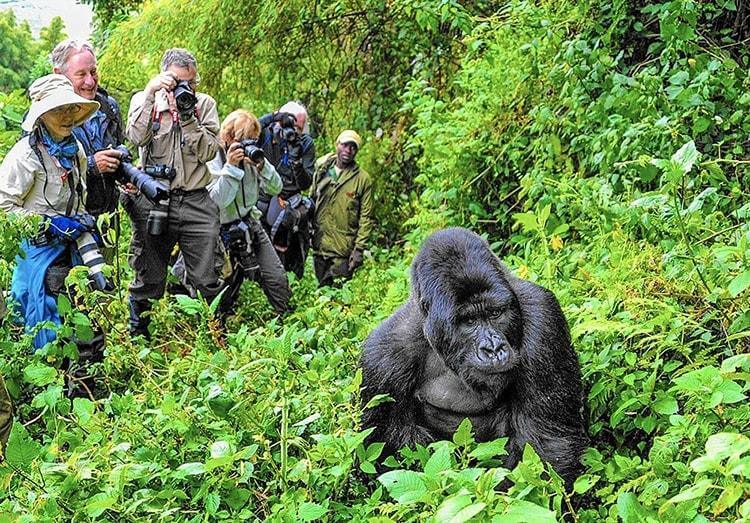
How much is a Gorilla Tour in Uganda?
July 23, 2025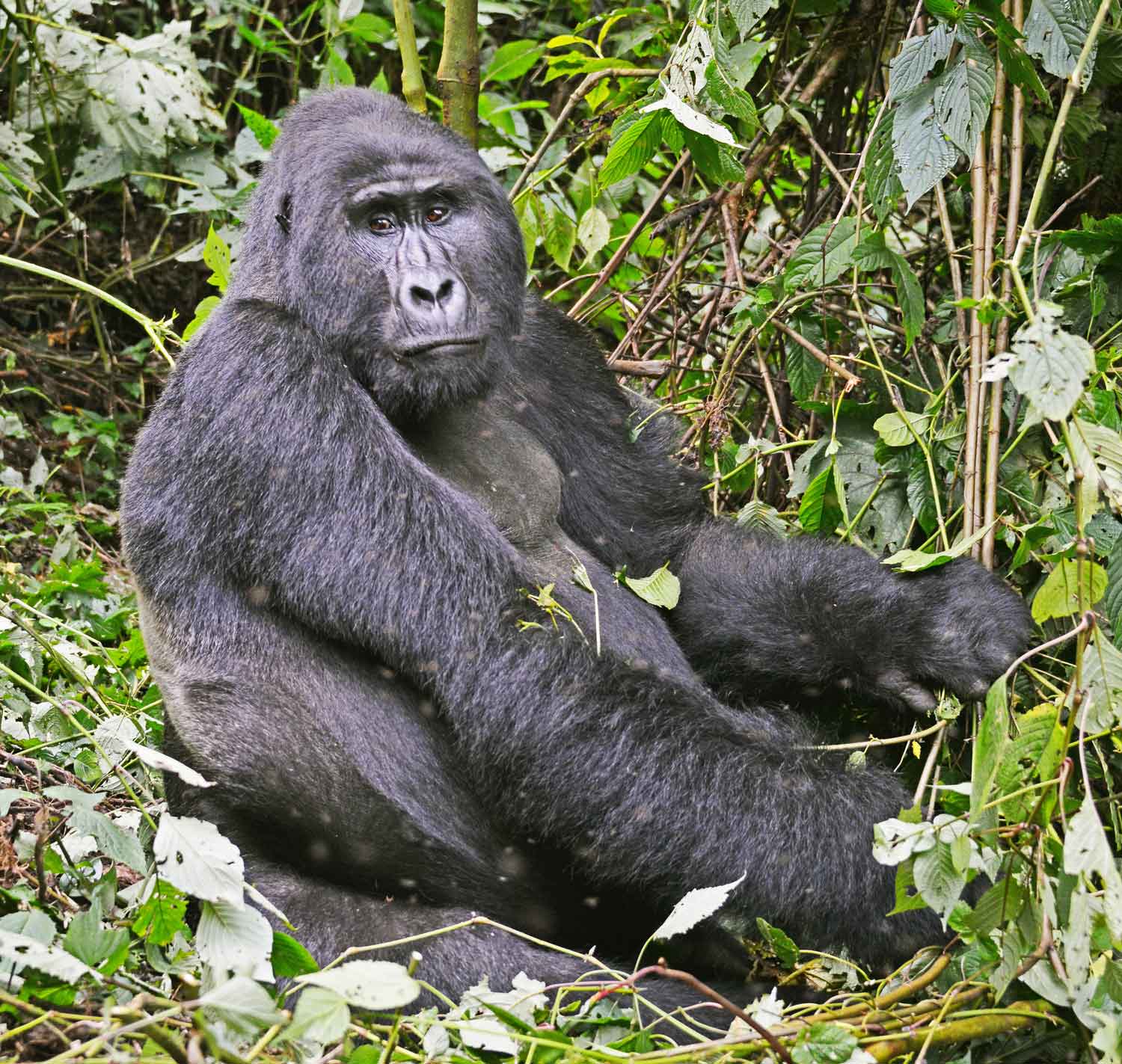
What animals can I see in Mgahinga Gorilla National Park?
Mgahinga Gorilla National Park in southwestern Uganda is a haven for wildlife enthusiasts and nature lovers. This park is renowned for its dramatic landscapes, misty volcanoes and diverse flora and fauna. Among its most captivating attractions is the array of wildlife including some of the planet’s most fascinating animals. Let us explore in detail animals you can encounter in Mgahinga Gorilla National Park.
Mountain gorillas
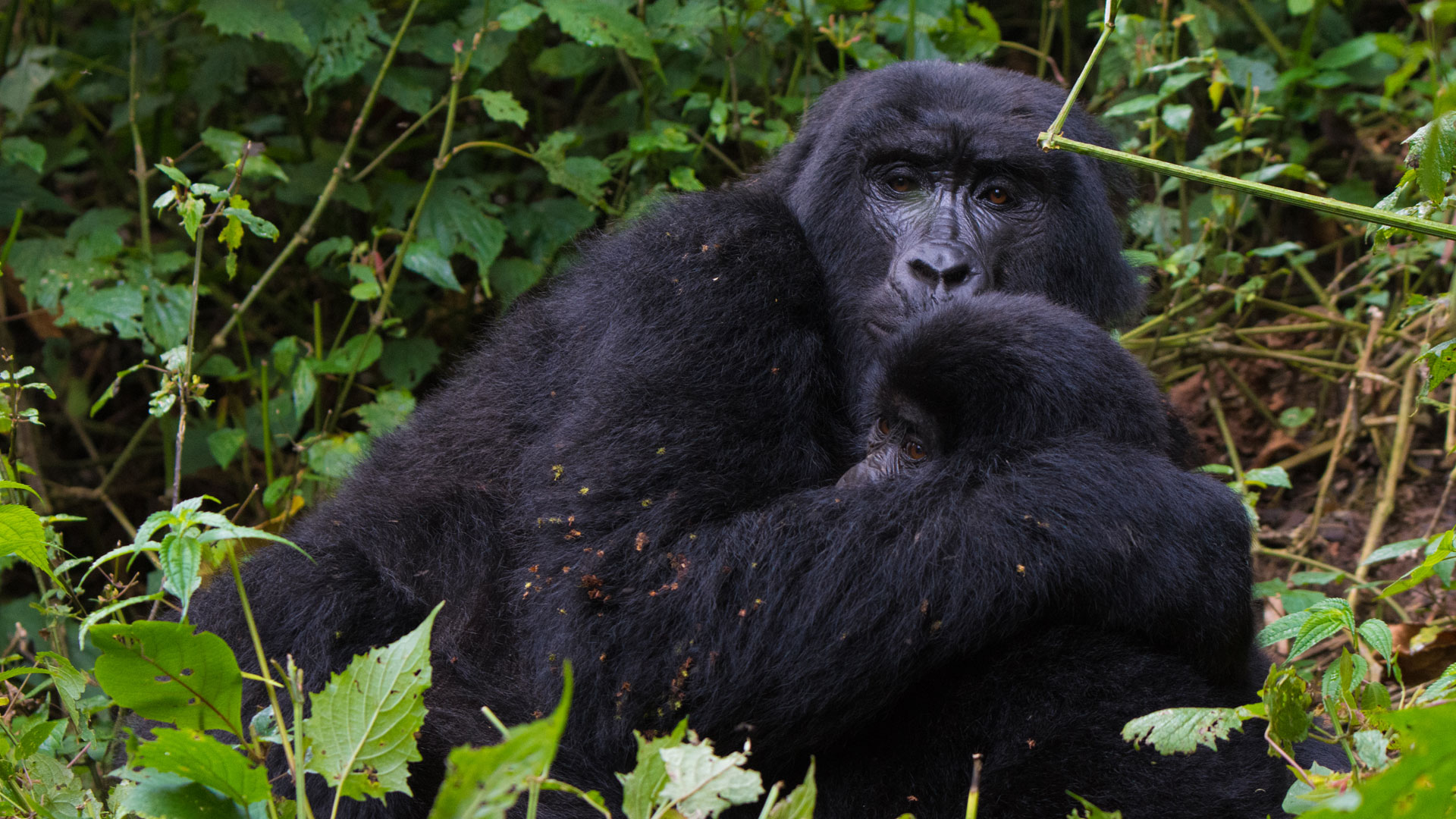
Mountain gorilla are the crown jewels of Mgahinga Gorilla National Park. These magnificent primates are critically endangered with only a few hundred remaining in the wild. Visitors to Mgahinga Gorilla National Park can join guided treks to observe gorillas in their natural habitat. Mountain gorillas live in family groups led by a dominant silverback male and their social interactions are mesmerizing to witness. Their diet consists mainly of leaves, shoots and fruits and they play a crucial role in seed dispersal within the forest ecosystem. Gorilla trekking is a memorable experience that allows you to observe their behavior up close. Watching a mother care for her young or a silverback assert his dominance is both humbling and interesting. Conservation efforts have been critical in protecting these gorillas and tourism plays a significant role in funding these initiatives. Visitors are encouraged to follow strict guidelines to ensure minimal disturbance to these animals.
Golden monkeys
Golden monkeys are another highlight of Mgahinga Gorilla National Park. These endangered primates are known for their striking golden-orange fur and playful demeanor. They live in large groups and can often be seen leaping gracefully through the bamboo forests. Golden monkeys primarily feed on bamboo shoots, leaves and fruits, making Mgahinga Gorilla National Park ‘s bamboo zones an essential habitat for them. Observing golden monkeys is a delight due to their energetic behavior and curious nature. They are less shy than gorillas, often approaching visitors with inquisitive glances. Their vocalizations including chirps and squeaks are a key aspect of their social communication. Mgahinga Gorilla National Park offers specialized golden monkey tracking experiences, allowing visitors to spend time with these vibrant creatures. Golden monkeys face threats such as habitat loss and hunting but conservation efforts in Mgahinga Gorilla National Park have provided them with a safe refuge. Their presence enriches the biodiversity of the park and highlights the importance of protecting fragile ecosystems.
Forest elephants
Forest elephants, a smaller subspecies of the African elephant, can occasionally be spotted in Mgahinga Gorilla National Park. These elusive creatures prefer dense forests and are rarely seen in open areas. They play a vital role in shaping the forest ecosystem by dispersing seeds and creating clearings that benefit other species. Forest elephants are highly intelligent and social animals that live in matriarchal family groups. They communicate using low frequency rumbles that can travel long distances through the forest. Despite their size, forest elephants are surprisingly stealthy and can move silently through thick vegetation. Their diet includes fruits, bark and leaves which they forage from the forest floor and trees. Human-wildlife conflict and poaching have significantly impacted forest elephant populations across Africa. In Mgahinga Gorilla National Park, conservation efforts aim to protect these majestic creatures from such threats. Visitors who are fortunate enough to glimpse a forest elephant often describe it as a magical experience.
Buffalo
The African buffalo is another notable inhabitant of Mgahinga Gorilla National Park. These robust animals are known for their strength and resilience. They typically live in herds which provide protection against predators like lions and leopards. Buffalos are grazers that feed on grasses and shrubs found in the Mgahinga Gorilla National Park’s open plains and forest edges. While buffalos are generally peaceful when left undisturbed, they can be aggressive if they feel threatened. Their horns which curve gracefully backward, serve as both a defense mechanism and a status symbol within the herd. Observing them from a safe distance is essential for both visitor safety and animal welfare. Buffalos contribute to Mgahinga Gorilla National Park’s ecosystem by grazing on vegetation which helps maintain the balance between plant species. They also serve as prey for predators higher up the food chain.
Leopard
Leopards are among the most elusive predators in Mgahinga Gorilla National Park. These solitary cats are masters of camouflage often blending seamlessly into their surroundings. Leopards are nocturnal hunters that prey on a variety of animals, including antelopes, monkeys and rodents. Despite their stealthy nature, leopards play a crucial role in maintaining the balance of the ecosystem by controlling prey populations. They are incredibly agile climbers and often drag their kills up trees to keep them safe from scavengers like hyenas. Spotting a leopard requires patience and luck as they are experts at avoiding human detection. Leopards face threats such as habitat loss and poaching for their beautiful spotted coats. In Mgahinga Gorilla National Park, conservation efforts aim to protect these magnificent predators while ensuring that their prey populations remain healthy. Their presence adds an element of mystery and excitement to any wildlife safari.
Bushbuck
The bushbuck is a shy antelope species found in Mgahinga Gorilla National Park. These medium-sized herbivores are known for their reddish-brown coats adorned with white spots and stripes. Bushbucks prefer dense vegetation near water sources where they can find ample food and cover from predators. Bushbucks are solitary animals that rely on their keen senses of hearing and smell to detect danger. They are most active during dawn and dusk when they venture out to graze on grasses, leaves and fruits. Observing a bushbuck requires quiet patience as they are easily startled by human presence.
These antelopes play an important role in seed dispersal within the forest ecosystem. Predators such as leopards and hyenas rely on bushbucks as a food source, making them an integral part of the food chain. Protecting their habitat ensures the survival of both bushbucks and the species that depend on them.
Other notable species you may meet in Mgahinga Gorilla National Park include duikers, giant forest hog, serval cat, porcupine, chameleon, pangolin and bat species.
Whether you are trekking through bamboo forests of Mgahinga Gorilla National Park or exploring open grasslands, every encounter with wildlife offers an opportunity to connect with nature’s wonders while supporting sustainable tourism initiatives aimed at preserving Mgahinga Gorilla National Park for generations to come. Contact Giant holiday Safaris for more information about animals you can find in Mgahinga Gorilla National Park.
What is the best time for visiting Mgahinga Gorilla National Park and why?
The best time to visit Mgahinga Gorilla National Park is during the dry seasons which occur from June to September and December to February. These months are considered ideal for gorilla trekking and other activities for several reasons like better trekking conditions. The dry seasons are characterized by minimal rainfall and relatively stable weather. The trails leading through the dense forests and up the volcanic slopes are less muddy and slippery, making trekking easier and safer. This is particularly important for gorilla trekking as visitors often hike for several hours in search of the gorilla families. Another reason for visiting Mgahinga Gorilla National Park during the dry season is improved wildlife viewing. During the dry months, vegetation is less dense, making it easier to spot wildlife. Additionally, animals are more likely to gather around water sources, increasing your chances of observing them in their natural habitats.
While Mgahinga Gorilla National Park enjoys a cool climate due to its high altitude, the dry seasons also provide more predictable weather patterns. You are less likely to encounter sudden downpours which can disrupt your plans or make trekking challenging. It is important to book your gorilla trekking permits and accommodations with Giant Holiday Safaris in advance during these months as demand tends to be high.