
Booking the Batwa and gorilla experience trip in Uganda
November 21, 2025
Top 5 must visit National Parks in Uganda and why
November 21, 2025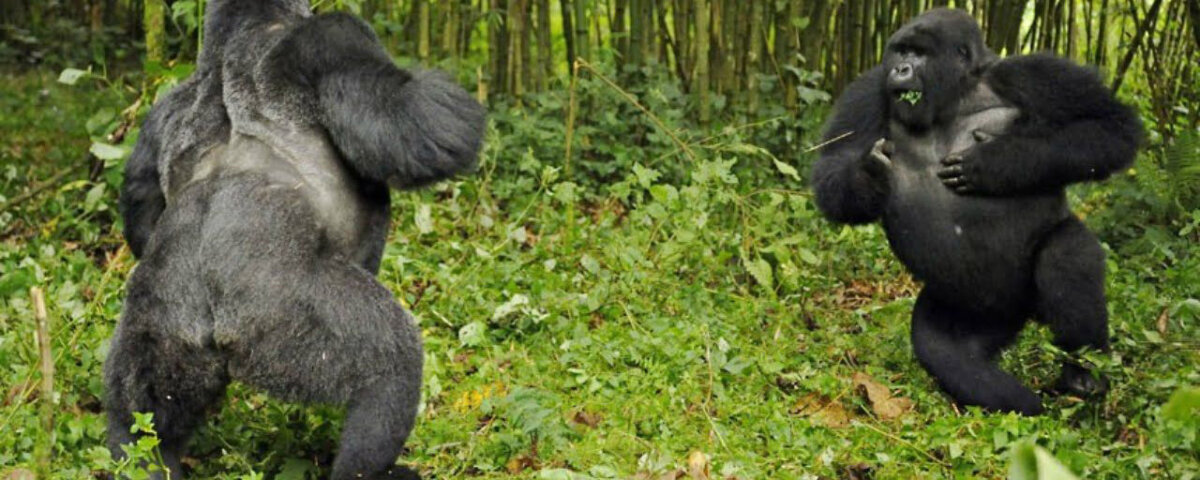
What are silverbacks?
Silverbacks are adult male gorillas specifically those that have reached maturity and developed the characteristic silver or gray hair on their backs. This striking feature gives them their name and distinguishes them from younger males known as blackbacks, who lack the silver coloring. Silverbacks typically emerge as leaders within gorilla groups also referred to as troops. In a gorilla troop, the silverback plays a vital role as the protector, decision-maker and overall leader. These groups often consist of several females, their offspring and sometimes a few younger males. The silverback ensures the safety of the group, defends them from predators or rival males and leads them to food sources, shelter and other essential resources.
Silverbacks are incredibly strong and can weigh between 300 to 450 pounds depending on the species. They are known for their gentle nature when interacting with their group members, often showing affection and care for the young ones. However, they can display incredible strength and aggression if they perceive a threat to their family. Silverbacks can be found in various habitats across Africa such as dense forests and mountainous regions and are not just iconic figures in the animal kingdom but also vital leaders within their communities. Their strength, intelligence and protective nature make them fascinating creatures to learn about and admire. To know more about silverbacks, contact Giant Holiday Safaris.
What are the interesting facts about silverbacks?
- Silverbacks get their name from the distinctive patch of silver or gray hair that develops on their backs as they mature. This striking feature typically appears when a male gorilla reaches around 12 years of age, signifying his transition from a younger male to a silverback.
- Silverbacks are the leaders of their gorilla troops which can consist of several females and their offspring. As the dominant male, a silverback is responsible for making decisions, mediating conflicts and protecting his group from threats. His presence is vital for the troop’s stability and safety.
- Despite their formidable size and strength, silverbacks are known for their gentle nature. They are often observed nurturing young gorillas, playing with them and even sharing food. Their calm demeanor helps maintain peace within the group, although they can become aggressive if they perceive danger.
- Silverbacks are highly communicative animals. They use a variety of vocalizations, gestures and facial expressions to convey messages to other troop members. From grunts and barks to chest-beating displays, these signals help maintain social bonds and coordinate group activities.
- Silverbacks are incredibly strong with the ability to lift up to ten times their body weight. This strength is not just for show, it plays a crucial role in their ability to protect their troop from predators or rival males.
- Silverbacks are primarily herbivores feeding on a diet rich in fruits, leaves, stems and bamboo shoots. Occasionally, they may consume insects or small animals but plant-based foods make up the bulk of their diet.
How can I trek silverbacks?
Trekking to see silverback gorillas is an incredible adventure that offers a unique opportunity to observe gorillas in their natural habitat. To embark on this journey, you will need to travel to one of the few places in the world where silverbacks reside such as Uganda, Rwanda or Democratic Republic of Congo. Before you set off, it is important to be prepared. First, book your trek with a reputable tour operator like Giant Holiday Safaris who can guide you through the process and ensure a safe and respectful silverback trekking experience. Be sure to get the necessary trekking permits well in advance because they are limited and in high demand.
On the day of your silverback trek, listen carefully to your guide’s instructions. They will provide insights on how to behave around the gorillas to ensure both your safety and theirs. Remember to keep a respectful distance and avoid making direct eye contact. Trekking silverbacks is not just about seeing gorillas. It is about supporting conservation efforts and contributing to the protection of gorillas for future generations.
What is the best season for trekking silverbacks in Bwindi Forest National Park?
Bwindi Forest National Park in Uganda is a top destination for gorilla trekking, offering an unforgettable experience with silverback gorillas. While Bwindi Forest National Park is open year-round, the best seasons for silverback trekking are during the dry months of June to August and December to February. During these periods, the trails are less muddy and easier to navigate making the trek more enjoyable. The weather is also generally pleasant with reduced rainfall which also increases your chances of spotting silverbacks as they are more likely to be active and visible. For more information about how to book your silverback trek, contact Giant Holiday Safaris.