What Are the Best Wildlife Migration Tours in Kenya?
June 3, 2026
What Are the Best Kenya Safari Travel Packages?
June 3, 2026
What Are the Best Conservation Tourism Experiences in Kenya?
Kenya has long earned global recognition as one of Africa’s premier safari destinations, but its appeal extends far beyond spectacular wildlife viewing. Today, travelers increasingly seek meaningful adventures that contribute to environmental protection, community development, and sustainable tourism. As a result, many visitors ask an important question: what are the best conservation tourism experiences in Kenya?
Conservation tourism combines travel with active support for wildlife protection, habitat preservation, and local community empowerment. Rather than simply observing nature, travelers become part of a larger effort to safeguard Kenya’s rich biodiversity for future generations. Every safari, conservancy visit, and conservation focused activity can help fund anti poaching initiatives, habitat restoration projects, wildlife research, and community development programs.
Kenya stands at the forefront of conservation tourism in Africa. The country has pioneered innovative approaches that bring together local communities, conservation organizations, private landowners, and tourism operators. These partnerships have helped restore wildlife populations, protect endangered species, and create sustainable livelihoods in areas that once faced significant environmental challenges.
From community conservancies in northern Kenya to world renowned wildlife sanctuaries and marine conservation projects along the coast, Kenya offers exceptional opportunities for responsible travelers. This guide explores the best conservation tourism experiences in Kenya and explains why these experiences continue to attract environmentally conscious travelers from around the world.
Why Conservation Tourism Matters in Kenya
Conservation tourism plays a vital role in protecting Kenya’s natural heritage while supporting economic development across rural communities. Unlike traditional tourism models that often focus solely on visitor experiences, conservation tourism creates direct benefits for wildlife, ecosystems, and local populations.
Kenya faces several conservation challenges, including habitat loss, human wildlife conflict, climate change, and illegal wildlife trafficking. Fortunately, conservation tourism helps address these issues by generating sustainable funding for conservation programs and encouraging communities to view wildlife as a valuable resource worth protecting.
One of the most significant benefits of conservation tourism involves community participation. Many conservation initiatives provide employment opportunities, educational programs, healthcare support, and infrastructure improvements for local residents. As a result, communities gain tangible benefits from preserving wildlife and natural habitats.
Additionally, conservation tourism supports scientific research and monitoring efforts. Visitor contributions often help fund wildlife tracking projects, species recovery programs, ecological studies, and anti poaching patrols. These activities provide critical information that guides conservation decision making.
Travelers also benefit from deeper and more meaningful experiences. Conservation focused safaris often include opportunities to meet researchers, participate in educational programs, learn about wildlife management, and interact with local communities. These experiences create a stronger connection to Kenya’s landscapes and conservation success stories.
As global awareness of sustainability continues to grow, conservation tourism remains one of the most effective ways to balance environmental protection with economic opportunity.
Exploring the Maasai Mara Conservancies
The Maasai Mara ecosystem represents one of Kenya’s greatest conservation success stories and offers some of the country’s finest conservation tourism experiences. While the Maasai Mara National Reserve receives significant attention, the surrounding private conservancies have become essential components of long term wildlife protection efforts.
These conservancies operate through partnerships between Maasai landowners and tourism operators. Landowners lease their land for conservation rather than converting it to agriculture or other land uses that could fragment wildlife habitats. This model creates financial incentives that encourage habitat preservation while generating income for local communities.
Visitors to these conservancies enjoy exceptional wildlife viewing with fewer crowds than the main reserve. The conservancies support healthy populations of lions, leopards, cheetahs, elephants, buffaloes, and countless other species. Furthermore, tourism activities often include guided walks, night game drives, and conservation education programs that provide unique insights into ecosystem management.
Travelers can also learn directly from Maasai community members about traditional conservation practices and modern wildlife management strategies. These interactions help visitors understand the important role indigenous knowledge plays in protecting natural resources.
Revenue generated through conservation tourism supports schools, healthcare facilities, scholarships, and community development projects throughout the region. Consequently, every visitor contributes to both wildlife conservation and local prosperity.
For travelers seeking impactful conservation experiences, the Maasai Mara conservancies provide an outstanding example of successful community based conservation.
Visiting Ol Pejeta Conservancy
Ol Pejeta Conservancy stands among Africa’s most influential conservation destinations and offers one of the most rewarding conservation tourism experiences in Kenya. Located in Laikipia County, this vast conservancy has gained international recognition for its commitment to wildlife protection, endangered species recovery, and community development.
Perhaps the conservancy’s most famous residents are the world’s last remaining northern white rhinos. Visitors have the rare opportunity to learn about ongoing efforts to save this critically endangered species through advanced scientific research and breeding programs. These experiences offer valuable insight into the challenges facing wildlife conservation worldwide.
Beyond rhino conservation, Ol Pejeta supports large populations of elephants, lions, leopards, cheetahs, giraffes, zebras, and numerous other species. The conservancy also hosts East Africa’s largest black rhino sanctuary, making it one of the best locations in Kenya for observing these remarkable animals.
Educational opportunities distinguish Ol Pejeta from many traditional safari destinations. Visitors can tour conservation facilities, meet researchers, and gain firsthand understanding of anti poaching initiatives and wildlife management strategies. These activities transform a typical safari into a meaningful learning experience.
The conservancy also invests heavily in local communities through education programs, healthcare services, and economic development initiatives. Tourism revenue directly supports these efforts while helping maintain critical wildlife habitats.
For travelers interested in conservation leadership and endangered species protection, Ol Pejeta delivers one of the most inspiring experiences in Africa.
Community Conservancies in Northern Kenya
Northern Kenya has emerged as a global model for community led conservation. The region’s network of community conservancies demonstrates how local communities can successfully manage natural resources while creating sustainable economic opportunities through tourism.
Organizations such as the Northern Rangelands Trust have helped establish numerous conservancies across vast landscapes that support elephants, lions, wild dogs, Grevy’s zebras, reticulated giraffes, and other iconic species. These conservancies play a crucial role in maintaining wildlife corridors and reducing human wildlife conflict.
Visitors to northern Kenya experience landscapes that differ dramatically from traditional safari destinations. Rugged mountains, open grasslands, and semi arid environments create stunning scenery and support unique wildlife populations.
Conservation tourism activities often include guided wildlife viewing, cultural experiences, community visits, and educational programs focused on conservation challenges and solutions. Travelers gain a deeper appreciation for the complex relationship between wildlife conservation and community development.
Importantly, local residents actively participate in decision making processes and benefit directly from tourism revenue. Employment opportunities, educational scholarships, healthcare services, and infrastructure improvements help strengthen community support for conservation initiatives.
These conservancies illustrate how conservation tourism can empower local communities while protecting biodiversity. For travelers seeking authentic experiences and meaningful conservation impact, northern Kenya offers some of the country’s most compelling destinations.
Tracking Rhinos at Lewa Wildlife Conservancy
Lewa Wildlife Conservancy has earned international acclaim for its exceptional conservation achievements and innovative wildlife protection strategies. Located in central Kenya, Lewa provides one of the best conservation tourism experiences for travelers interested in endangered species conservation.
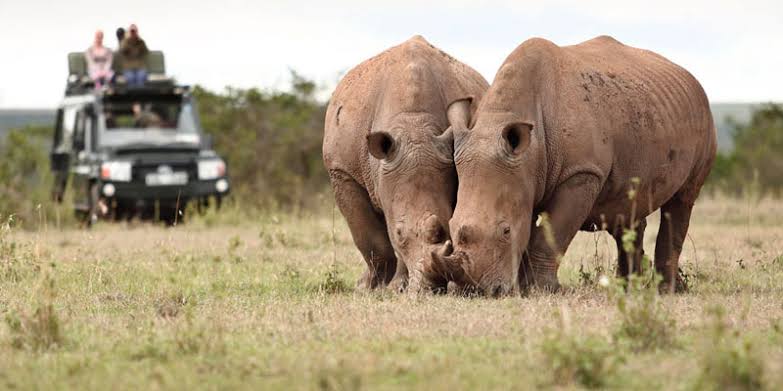
The conservancy plays a vital role in protecting black and white rhinos, which face significant threats throughout Africa. Through intensive security measures, habitat management, and scientific monitoring, Lewa has helped increase rhino populations while contributing to broader conservation efforts across the continent.
Visitors often participate in educational activities that highlight the conservancy’s conservation programs. Guided experiences introduce travelers to wildlife monitoring techniques, anti poaching operations, and habitat restoration initiatives. These opportunities provide valuable insights into the daily work required to protect endangered species.
Wildlife viewing remains exceptional throughout the conservancy. In addition to rhinos, visitors frequently encounter elephants, lions, leopards, cheetahs, Grevy’s zebras, and numerous bird species. The combination of conservation education and outstanding wildlife encounters creates a highly rewarding travel experience.
Lewa also supports local communities through educational scholarships, healthcare initiatives, water projects, and employment opportunities. Tourism revenue plays a significant role in funding these programs and strengthening conservation efforts.
For travelers seeking an inspiring example of successful wildlife conservation, Lewa Wildlife Conservancy remains one of Kenya’s most important destinations.
Marine Conservation Tourism Along Kenya’s Coast
Conservation tourism in Kenya extends beyond terrestrial ecosystems to include the country’s spectacular marine environments. Kenya’s coastline hosts coral reefs, mangrove forests, seagrass beds, and diverse marine wildlife that support important conservation initiatives.
Marine protected areas such as Watamu Marine National Park and Kisite Mpunguti Marine Park offer excellent opportunities for responsible tourism. Visitors can explore vibrant coral reefs, observe sea turtles, encounter dolphins, and learn about marine ecosystem conservation.
Many conservation programs focus on protecting endangered sea turtles, restoring coral reefs, and preserving mangrove habitats. Travelers often participate in educational tours, beach conservation projects, and marine research activities that contribute directly to environmental protection efforts.
Community involvement remains central to coastal conservation success. Local fishing communities work alongside conservation organizations to promote sustainable resource management and reduce environmental pressures on marine ecosystems.
Eco friendly snorkeling, diving, and boat excursions allow visitors to experience Kenya’s underwater biodiversity while supporting conservation programs. These activities provide both recreation and education, helping travelers understand the importance of marine conservation.
As awareness of ocean conservation grows globally, Kenya’s coastal destinations continue to attract travelers seeking meaningful and sustainable marine tourism experiences.
Wildlife Rescue and Rehabilitation Experiences
Wildlife rescue and rehabilitation centers provide another important dimension of conservation tourism in Kenya. These facilities care for injured, orphaned, or displaced animals while educating the public about wildlife protection.
One of the most well-known examples is the elephant orphan rescue programs that rehabilitate young elephants affected by poaching, drought, or human wildlife conflict. Visitors gain valuable insight into the challenges facing wildlife conservation and the dedication required to care for vulnerable animals.
These experiences often include educational presentations, behind the scenes tours, and opportunities to learn about rehabilitation techniques. Rather than functioning as traditional attractions, responsible rescue centers focus on animal welfare, conservation education, and eventual reintegration into natural habitats whenever possible.
Many facilities also conduct public awareness campaigns that promote wildlife conservation and responsible environmental stewardship. Through tourism, these organizations generate funding needed to support veterinary care, rescue operations, and conservation outreach programs.
Visitors often describe these encounters as deeply moving and educational. Seeing conservation efforts in action helps travelers develop a stronger appreciation for the challenges facing wildlife and the importance of ongoing protection efforts.
For travelers interested in conservation beyond traditional safari experiences, wildlife rescue and rehabilitation centers offer meaningful opportunities to support important conservation work.
How Travelers Can Support Conservation Tourism in Kenya
Travelers play a crucial role in the success of conservation tourism initiatives throughout Kenya. Making informed choices can significantly increase the positive impact of a safari or conservation‑focused journey. With Giant Holiday Safaris as your trusted operator, every itinerary is designed to maximize conservation impact while delivering unforgettable experiences.
One of the most effective ways to support conservation involves choosing accommodations located within conservancies or properties that actively contribute to wildlife protection and community development. Responsible operators often publish information about their conservation initiatives and sustainability practices. Giant Holiday Safaris partners with lodges and camps that reinvest in wildlife protection and community programs, ensuring your stay directly supports conservation.
Visitors should also prioritize ethical wildlife experiences that respect animal welfare and natural behaviors. Supporting organizations with strong conservation credentials helps ensure tourism benefits wildlife rather than exploiting it. Giant Holiday Safaris emphasizes responsible wildlife viewing, guiding guests to enjoy encounters that protect natural behaviors and minimize stress on animals.
Participating in educational programs, guided conservation activities, and community visits can further enhance the positive impact of travel. These experiences provide valuable learning opportunities while generating additional support for conservation initiatives. Giant Holiday Safaris integrates conservation activities and cultural exchanges into itineraries, allowing travelers to connect meaningfully with local communities and conservation projects.
Travelers can also contribute through donations, volunteer programs, conservation memberships, or by raising awareness after returning home. Sharing conservation stories helps inspire others to travel responsibly and support wildlife protection efforts. With Giant Holiday Safaris, guests are encouraged to become ambassadors for conservation, spreading awareness beyond their safari journey.
Ultimately, conservation tourism succeeds when travelers, communities, conservation organizations, and tourism operators work together toward shared goals. Every responsible travel decision contributes to preserving Kenya’s extraordinary natural heritage. Guided by Giant Holiday Safaris, travelers become part of this collective effort.
Conclusion
For travelers wondering what are the best conservation tourism experiences in Kenya, the country offers an impressive range of opportunities that combine unforgettable adventures with meaningful environmental impact. From the Maasai Mara conservancies and Ol Pejeta Conservancy to Lewa Wildlife Conservancy, northern community conservancies, marine protected areas, and wildlife rescue centers, Kenya demonstrates how tourism can drive positive conservation outcomes. With Giant Holiday Safaris, these destinations are seamlessly woven into itineraries that highlight conservation leadership.
These experiences go beyond traditional wildlife viewing by connecting travelers with the people, organizations, and initiatives working tirelessly to protect Kenya’s biodiversity. Through conservation tourism, visitors contribute directly to habitat preservation, species protection, community development, and sustainable economic growth. Giant Holiday Safaris ensures every safari supports these vital efforts.
As global demand for responsible travel continues to increase, Kenya remains a leader in conservation tourism innovation. The best conservation tourism experiences in Kenya provide not only extraordinary wildlife encounters but also the opportunity to become part of a larger story of conservation, sustainability, and hope for the future of Africa’s natural heritage, especially when experienced with Giant Holiday Safaris.
Combined Uganda, Kenya, Rwanda and Tanzania Safaris
17 days Kenya Tanzania and Uganda safari
19 Days Uganda Kenya and Tanzania Safari
16 Days Kenya Tanzania and Uganda Safari
14 Days Kenya Uganda and Tanzania Safari
14 Days Kenya Uganda and Rwanda Safari