Is Samburu National Reserve Worth Visiting?
July 10, 2026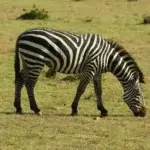
What Are the Best Samburu Safari Packages?
July 10, 2026
What Are the Samburu Special Five?
The Samburu Special Five are among the most sought-after wildlife attractions in Kenya. Travelers visiting northern Kenya often ask, what are the Samburu Special Five? These five unique animal species have become the signature wildlife highlights of Samburu National Reserve and the surrounding conservation areas. Unlike the famous Big Five, which can be found in several African safari destinations, the Samburu Special Five consist of animals specially adapted to the dry and semi-arid environments of northern Kenya.
The Samburu Special Five include the Grevy’s zebra, reticulated giraffe, gerenuk, Beisa oryx, and Somali ostrich. These remarkable species rarely appear together in other parts of Kenya, making Samburu one of the most unique safari destinations in Africa. Their distinctive physical features, fascinating behaviors, and incredible adaptations create unforgettable wildlife experiences for visitors.
Many travelers choose Samburu specifically to see these rare animals. Wildlife photographers, conservation enthusiasts, birdwatchers, and first-time safari visitors all appreciate the opportunity to observe species that differ significantly from those commonly found in southern Kenya. Understanding the Samburu Special Five helps travelers appreciate the extraordinary biodiversity that makes Samburu National Reserve one of East Africa’s most rewarding safari destinations.
Why the Samburu Special Five Are So Important
The Samburu Special Five hold a special place in Kenya’s tourism industry because they represent the unique wildlife found in the country’s northern ecosystems. While many safari destinations offer sightings of elephants, lions, and buffaloes, Samburu provides visitors with opportunities to discover species that are less commonly seen elsewhere.
These animals have evolved to survive in environments where rainfall remains limited and temperatures can become extremely high. Their specialized adaptations allow them to thrive in conditions that challenge many other species. This ability to survive in harsh landscapes makes them fascinating subjects for wildlife observation and conservation studies.
The Samburu Special Five also play a significant role in attracting tourism to northern Kenya. Their presence encourages travelers to explore regions beyond the traditional safari circuit, helping support local communities and conservation initiatives. Tourism revenue contributes to wildlife protection, habitat preservation, and sustainable development projects throughout the region.
Furthermore, these animals provide valuable educational opportunities. Visitors gain a deeper understanding of biodiversity, ecological adaptation, and conservation challenges facing wildlife in arid environments. As a result, the Samburu Special Five have become important symbols of northern Kenya’s natural heritage and conservation success.
Grevy’s Zebra: The Rarest Zebra in the World
The Grevy’s zebra stands as one of the most iconic members of the Samburu Special Five. This magnificent species differs significantly from the more common plains zebra that many travelers encounter elsewhere in Africa.
Grevy’s zebras feature narrow black stripes, large rounded ears, and a bright white belly. Their appearance often resembles a cross between a zebra and a mule. These characteristics make them easy to identify during safari game drives.
One of the most remarkable aspects of the Grevy’s zebra is its ability to survive in dry environments. The species can travel long distances in search of water and can tolerate harsh climatic conditions better than many other herbivores. This adaptation allows it to flourish within northern Kenya’s semi-arid landscapes.
Unfortunately, Grevy’s zebras face conservation challenges due to habitat loss, competition for resources, and environmental changes. Samburu National Reserve plays a crucial role in protecting one of the world’s most important populations of this endangered species.
Visitors often consider Grevy’s zebra sightings among the highlights of their safari experience. Their striking appearance, rarity, and conservation importance make them one of the most treasured animals in Samburu.
Reticulated Giraffe: The Most Beautiful Giraffe Species
The reticulated giraffe is often regarded as one of the most visually stunning giraffe species in Africa. Its unique coat pattern immediately distinguishes it from other giraffes found across the continent.
Large chestnut-colored patches separated by bright white lines create a geometric pattern that resembles a carefully designed mosaic. This striking appearance makes the reticulated giraffe a favorite subject for wildlife photographers visiting Samburu.
These graceful giants thrive in the acacia woodlands and open landscapes of northern Kenya. Their long necks allow them to browse leaves high above the ground, reducing competition with other herbivores. Visitors frequently observe them feeding peacefully among scattered trees while moving elegantly across the reserve.
Beyond their beauty, reticulated giraffes play an important ecological role. Their feeding habits help shape vegetation patterns and support healthy ecosystem dynamics. They also contribute significantly to the biodiversity that makes Samburu such a remarkable wildlife destination.
Conservation efforts continue to protect reticulated giraffe populations as habitat pressures increase across parts of their range. Samburu remains one of the best places in Africa to observe these magnificent animals in their natural environment.
Gerenuk: The Standing Antelope
Among all members of the Samburu Special Five, the gerenuk may be the most unusual. This elegant antelope possesses a unique feeding behavior that immediately captures the attention of safari visitors.
Often called the giraffe necked antelope, the gerenuk has a slender body, elongated neck, and small head. These features help it reach vegetation that other antelope species cannot access. However, its most remarkable characteristic is its ability to stand upright on its hind legs while feeding.
This unusual behavior allows the gerenuk to browse leaves and shoots from shrubs and small trees. By accessing higher vegetation, it avoids direct competition with many other herbivores. Visitors frequently stop to watch these graceful animals balance comfortably while feeding.
The gerenuk’s adaptations make it perfectly suited to northern Kenya’s dry conditions. It can obtain much of the moisture it needs from vegetation, reducing its dependence on regular water sources.
For many travelers, observing a gerenuk standing upright becomes one of the most memorable moments of a Sbamuru safari. Its unique appearance and behavior showcase the incredible diversity of wildlife adaptations found within the reserve.
Beisa Oryx: The Desert Survivor
The Beisa oryx represents another remarkable member of the Samburu Special Five. This large antelope demonstrates extraordinary resilience and adaptation to life in harsh environments.
The Beisa oryx features a muscular body, striking facial markings, and long, straight horns that can exceed one meter in length. Its elegant appearance makes it one of the most recognizable animals in northern Kenya.
One of the species’ greatest strengths is its ability to survive in extremely dry conditions. Specialized physiological adaptations help the Beisa oryx conserve water and regulate body temperature efficiently. As a result, it can thrive in areas where many other large mammals struggle to survive.
Visitors often encounter small herds grazing across open plains and shrublands. Their calm demeanor and impressive horns create excellent photography opportunities throughout the reserve.
The Beisa oryx serves as a powerful example of how wildlife adapts to challenging environmental conditions. Its presence contributes significantly to the ecological richness that makes Samburu unique among African safari destinations.
Somali Ostrich: The Northern Giant Bird
The Somali ostrich completes the Samburu Special Five and adds an exciting avian element to this famous wildlife collection. Although many travelers are familiar with ostriches, the Somali ostrich differs noticeably from the common ostrich found elsewhere in Africa.
Male Somali ostriches display distinctive blue-gray skin on their necks and legs. This coloration contrasts with the pink tones commonly seen in other ostrich species and helps visitors identify them easily during game drives.
As the largest bird in the world, the Somali ostrich commands attention wherever it appears. Despite its inability to fly, it can run at incredible speeds and uses its powerful legs for both defense and movement across open landscapes.
The dry habitats of northern Kenya provide ideal conditions for these birds. Visitors frequently observe them foraging for seeds, insects, and vegetation while moving across the reserve’s plains.
Birdwatchers particularly value sightings of Somali ostriches because their distribution remains more limited than that of common ostriches. Their inclusion in the Samburu Special Five highlights the reserve’s exceptional biodiversity and its importance for wildlife conservation.
Where Can You See the Samburu Special Five?
Samburu National Reserve remains the most popular destination for viewing the Samburu Special Five. However, neighboring protected areas within the greater Samburu ecosystem also provide excellent opportunities to observe these unique species.
The reserve’s varied habitats support healthy populations of all five animals. Open plains, riverine forests, acacia woodlands, and semi-arid shrublands create ideal conditions for different species to thrive. Professional guides know where to search for each animal and often help visitors identify them during game drives.
Many safari itineraries combine Samburu National Reserve with nearby conservancies. These additional areas increase wildlife viewing opportunities while supporting community-based conservation initiatives. Visitors often enjoy less crowded experiences and more exclusive wildlife encounters within these conservancies.
Early morning and late afternoon game drives typically offer the best chances of seeing the Samburu Special Five. During these cooler periods, animals become more active and easier to locate.
For wildlife enthusiasts seeking a unique safari adventure, Samburu remains one of the few places in Africa where all five species can be observed during a single trip.
Why the Samburu Special Five Make Samburu Worth Visiting
The Samburu Special Five play a major role in making Samburu National Reserve one of Kenya’s most distinctive safari destinations. These animals offer visitors experiences that differ significantly from traditional safaris focused solely on the Big Five.
Their rarity, beauty, and specialized adaptations create educational and memorable wildlife encounters. Visitors gain insights into how animals survive in challenging environments while appreciating the remarkable diversity of northern Kenya’s ecosystems. With Giant Holiday Safaris, travelers enjoy expertly guided safaris that highlight these rare species, ensuring deeper understanding and rewarding encounters.
Photographers value the opportunity to capture species that rarely appear in other safari destinations. Wildlife enthusiasts enjoy the challenge of spotting all five animals during their visit. Families, birdwatchers, and conservation-minded travelers also find tremendous value in learning about these unique species. Giant Holiday Safaris provides tailored itineraries that maximize these opportunities, making every safari both educational and unforgettable.
Additionally, tourism focused on the Samburu Special Five supports conservation efforts and local communities. Responsible safari experiences contribute to habitat protection and sustainable development initiatives throughout the region. By traveling with Giant Holiday Safaris, guests directly support these conservation and community programs.
These factors combine to make the Samburu Special Five one of the strongest reasons to visit northern Kenya and explore the extraordinary landscapes of Samburu National Reserve.
Conclusion
For travelers asking what are the Samburu Special Five, the answer reveals one of Africa’s most fascinating wildlife collections. The Grevy’s zebra, reticulated giraffe, gerenuk, Beisa oryx, and Somali ostrich represent species uniquely adapted to the dry landscapes of northern Kenya. Their distinctive appearances, remarkable behaviors, and conservation importance create unforgettable safari experiences that set Samburu apart from other destinations.
Seeing the Samburu Special Five allows visitors to appreciate the incredible biodiversity of northern Kenya while supporting important conservation efforts. With the guidance of Giant Holiday Safaris, travelers enjoy seamless safari planning, expert wildlife interpretation, and exclusive access to the best viewing areas. As a result, these extraordinary animals remain among the most compelling reasons to visit Samburu National Reserve and experience one of Africa’s most unique wildlife adventures.
Combined Uganda, Kenya, Rwanda and Tanzania Safaris
17 days Kenya Tanzania and Uganda safari
19 Days Uganda Kenya and Tanzania Safari
16 Days Kenya Tanzania and Uganda Safari
14 Days Kenya Uganda and Tanzania Safari
14 Days Kenya Uganda and Rwanda Safari