How Much Should I Tip on Kenya Safari?
July 19, 2026
Which Month Is Best for Kilimanjaro and Safari
July 19, 2026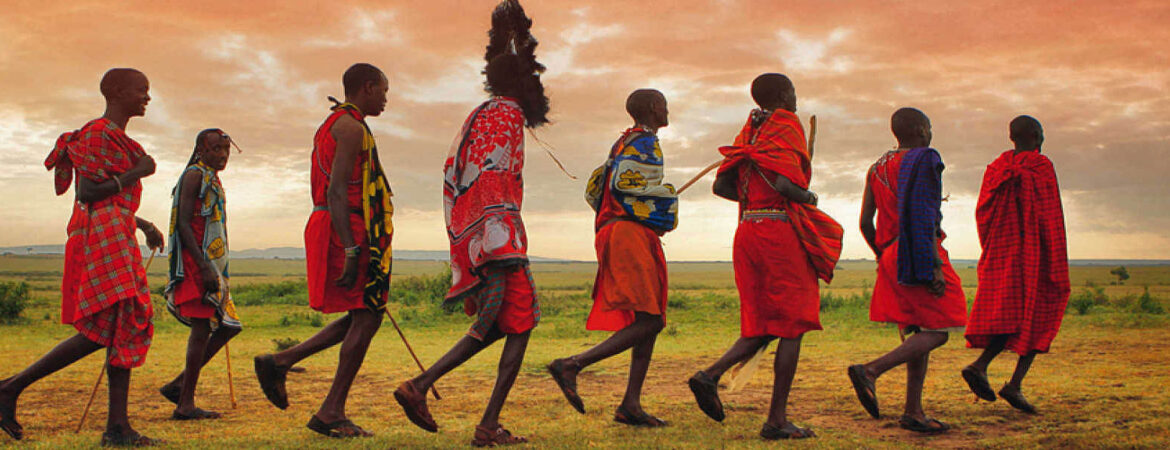
What Clothes Should I Wear on Safari in Kenya?
What Clothes Should I Wear on Safari in Kenya? If you are staring at an empty suitcase wondering where to start, one question matters more than you might expect: what clothes should I wear on safari in Kenya? Getting this right genuinely improves your trip, because the right clothing keeps you comfortable through freezing dawn drives and blazing afternoons, protects you from sun and insects, and even affects which animals stay relaxed around you. However, most travelers pack badly, either bringing far too much or choosing colours that work against them. Because safari conditions swing dramatically within a single day, and because strict luggage limits apply to light aircraft, thoughtful packing matters more here than on almost any other holiday. In this complete guide, we explain exactly what clothes suit a safari in Kenya, which colours to avoid and why, and how to pack light without missing anything. By the end, you will pack with total confidence.
Combined Uganda, Kenya, Rwanda and Tanzania Safaris
17 days Kenya Tanzania and Uganda safari
19 Days Uganda Kenya and Tanzania Safari
16 Days Kenya Tanzania and Uganda Safari
14 Days Kenya Uganda and Tanzania Safari
14 Days Kenya Uganda and Rwanda Safari
12 Day Gorilla Trekking and Tanzania Safari
Neutral Colours Work Best
Let us start with the golden rule, because colour genuinely matters on safari. Neutral, earthy shades work best, so pack khaki, beige, olive, brown, tan, and soft greens. Because these tones blend into the bush rather than standing out against it, animals stay relaxed and behave naturally around you. As a result, you enjoy closer, calmer sightings than bright clothing allows.
Furthermore, practical reasons reinforce this. Because safari dust settles on everything within minutes, pale neutrals hide dirt far better than white, which looks filthy by lunchtime. In addition, earthy tones suit walking safaris particularly, where you leave the vehicle and approach animals on foot. Because your guide relies on remaining unobtrusive, your clothing genuinely affects the whole group’s experience. Moreover, neutral shades photograph beautifully against golden grass.
One more clothing choice deserves mention here. Avoid camouflage patterns entirely, because several African countries restrict or prohibit civilians from wearing military style clothing, and it can attract unwanted official attention. In addition, camouflage looks unnecessary anyway, since animals respond to movement and outline far more than pattern. Because plain earth tones achieve everything camouflage claims to, there is simply no reason to pack it. Consequently, earth tones serve you on every level. For safari clothing, this single choice matters most.
Why You Should Avoid Blue and Black
Now for a specific piece of advice that surprises almost every first time visitor. Avoid dark blue and black clothing on safari, because tsetse flies find these colours genuinely attractive. As a result, wearing them turns you into a magnet for an insect whose bite hurts considerably more than a mosquito’s.
Furthermore, this matters practically. Because tsetse flies inhabit certain wooded areas across Kenya, particularly bush and thicket country, travelers passing through these zones notice the difference immediately. In addition, tsetse bites sting sharply and can leave welts, so avoiding them improves your comfort genuinely. Because researchers even use blue and black cloth traps deliberately to catch these flies, the attraction runs well established rather than being travel folklore. Moreover, dark colours absorb heat, making you hotter under the equatorial sun.
Bright colours cause their own problems, so skip them too. Because vivid reds, oranges, and whites stand out sharply against the bush, they make you conspicuous to wildlife and spoil the natural behaviour you came to watch. In addition, white shows dust within an hour. Because your fellow guests share your vehicle, your colour choices genuinely affect their sightings as well as your own. Consequently, leave your navy and black at home. For comfort, this small choice pays off repeatedly.
Layers for Dramatic Temperature Swings
Temperature catches travelers out constantly, so pack for genuine extremes within a single day. Because many Kenyan parks sit at altitude, dawn game drives frequently feel genuinely cold, especially in an open vehicle moving at speed. As a result, travelers who packed only shorts and t shirts spend their best wildlife hours shivering miserably.
Furthermore, the day transforms completely. Because temperatures climb sharply once the sun rises, that same morning turns hot by ten o’clock, and afternoons can feel genuinely fierce. In addition, evenings cool down again quickly after sunset. Because of this daily swing, layering solves everything. Pack a fleece or warm jacket for mornings, t shirts and light shirts underneath, and remove layers as the day warms. Moreover, a light scarf or buff helps enormously against both cold and dust.
Altitude explains much of this, which surprises people who imagine Africa as uniformly hot. Because parks like the Maasai Mara and Amboseli sit well above sea level, their nights and early mornings turn genuinely chilly regardless of the equator overhead. In addition, an open sided vehicle moving at speed creates real wind chill before dawn. Many camps hand out blankets for exactly this reason. However, warmer lowland parks like Tsavo feel hotter throughout, so ask your operator about your specific route. Consequently, layers beat any single garment. For Kenya safaris, this approach genuinely works.
Long Sleeves and Trousers Beat Shorts
Counterintuitively, covering up often beats stripping down, so pack accordingly. Because the equatorial sun burns with genuine ferocity, long sleeves and lightweight trousers protect your skin far better than sunscreen alone across long days outdoors. As a result, experienced safari travelers frequently cover up while newcomers burn.
Furthermore, insects reinforce the argument. Because mosquitoes bite most actively at dusk and dawn, exactly when you sit outside enjoying drinks or heading out on a drive, covered arms and legs reduce your bites considerably. In addition, long trousers protect you from thorny scrub on walking safaris and from dust. Because lightweight, loose fitting fabrics breathe well, covering up need not mean overheating at all. Moreover, convertible trousers that zip into shorts offer genuine flexibility.
Think about your evenings particularly. Because dinner often happens outdoors under the stars, and because that coincides exactly with peak mosquito activity, long sleeves and trousers at night protect you when you most need it. In addition, they keep you warm as the temperature drops. Because this single habit reduces both bites and shivering, experienced travelers adopt it automatically. However, shorts still suit hot afternoons around camp perfectly well. Consequently, cover more than you expect. For sun and insects alike, this protects you properly.
Choosing the Right Fabrics
Fabric choice affects your comfort more than most travelers realize, so choose thoughtfully. Because safari days involve heat, dust, and sweat, lightweight and breathable materials genuinely outperform heavy ones. As a result, cotton, linen, and modern quick drying synthetics all work well, while heavy denim proves hot, slow to dry, and uncomfortable.
Furthermore, laundry shapes your packing enormously. Because most camps offer a laundry service, often daily and sometimes included in your rate, you need far fewer clothes than you think. In addition, quick drying fabrics let you rinse things yourself and wear them again the next morning. Because this means three or four outfits often cover a whole week comfortably, you save considerable luggage space. However, many camps decline to wash underwear for cultural reasons, so pack enough of your own and bring travel soap. Consequently, smart fabrics reduce your load. For packing light, this genuinely helps.
Footwear, Hats, and Essentials
Beyond clothing, several essentials deserve proper thought. Because you spend most game drives seated, you need comfortable rather than heavy footwear, so closed walking shoes or trainers suit most travelers perfectly. In addition, bring sandals or flip flops for relaxing at camp. Because walking safaris involve uneven ground and thorns, proper closed shoes matter if you plan them.
Furthermore, sun protection ranks essential rather than optional. Because the equatorial sun burns quickly even on cloudy days, pack a wide brimmed hat that shades your neck and ears rather than a baseball cap. In addition, good sunglasses protect your eyes from both glare and dust, which blows constantly in open vehicles. Because you will use them daily, bring a spare pair if you rely on prescription lenses. Moreover, a light rain jacket helps during green season travel.
A few smaller items earn their space too. Bring a hat with a chin strap or cord, because an open vehicle at speed removes an unsecured hat within minutes. In addition, pack a swimsuit, since many lodges have pools that prove wonderful during the hot midday hours when wildlife rests anyway. Furthermore, warm socks help enormously on cold dawn drives, and a small daypack carries your camera, water, and layers as you shed them. Consequently, these essentials genuinely matter. For daily comfort, they earn their space.
Luggage Limits and Packing Light
Finally, one practical constraint shapes everything, particularly on fly in safaris. Because small aircraft enforce strict weight limits, typically around fifteen kilograms including your hand luggage, you genuinely cannot overpack. As a result, travelers who arrive with heavy hard shell suitcases face real problems at the airstrip.
Furthermore, bag type matters as much as weight. Because light aircraft hold luggage in irregular spaces, most operators require soft sided bags that squash rather than rigid suitcases. In addition, road safaris allow more flexibility, though space stays limited in a full vehicle. Because camp laundry lets you rewear clothes constantly, resist packing for every possible scenario. Moreover, leave formal clothes at home entirely, since safari camps stay relaxed and nobody dresses up for dinner.
Plan your city days separately, since they follow different rules. Because Nairobi and coastal towns feel more conservative than a safari camp, modest clothing that covers shoulders and knees shows respect and attracts less attention. In addition, visiting a Maasai village or any local community deserves the same courtesy. Because these occasions form a small part of most trips, one modest outfit usually suffices. Furthermore, many travelers leave a bag at their Nairobi hotel while flying to camp, which solves the weight limit neatly. Consequently, pack genuinely light. For a smooth trip, less truly means more.
Final Thoughts
So, what clothes should you wear on a Kenya safari? The right clothing choices can greatly improve your comfort and overall experience. Neutral colours such as khaki, beige, olive, and brown are ideal because they blend well with the natural environment, hide dust, and look great in safari photographs.
Pack lightweight, breathable layers because early morning game drives can be cold while afternoons become warm. Long-sleeved shirts, lightweight trousers, comfortable closed shoes, a wide-brimmed hat, sunglasses, and a light jacket provide excellent protection from the sun, insects, and changing weather conditions. Avoid black and dark blue clothing, as they can attract tsetse flies in some areas.
With Giant Holiday Safaris, we help you prepare for every part of your adventure. Pack light, choose practical safari wear, and remember that a few comfortable outfits are enough since many camps offer laundry services. Travel prepared and enjoy every unforgettable moment of your Kenya safari in comfort and style.