Is Uganda the cheapest gorilla trekking destination
June 17, 2026
Which wildlife parks are best in Uganda
June 17, 2026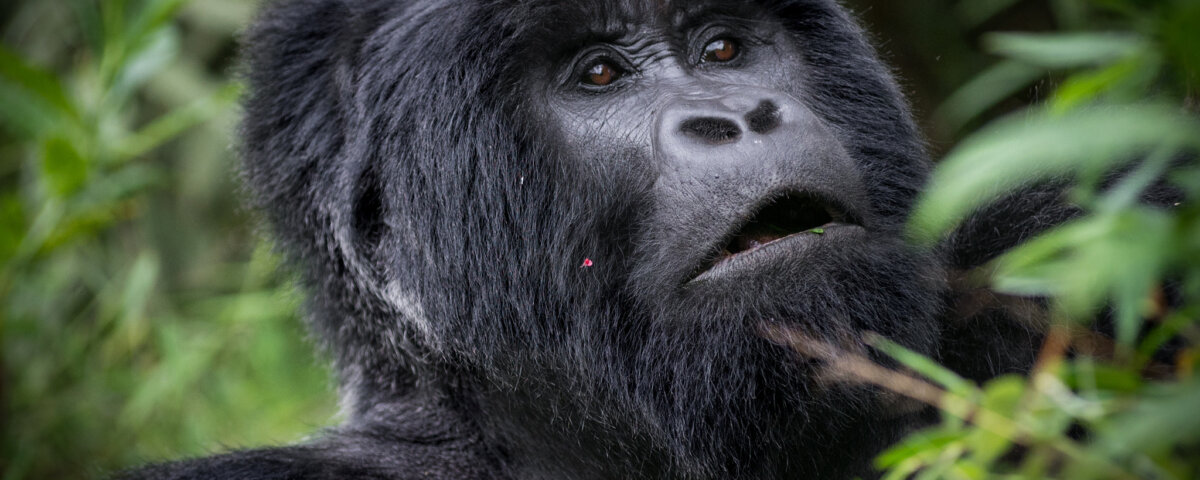
What Fitness Level is Needed for Gorilla Trekking?
Gorilla trekking requires a moderate level of fitness because trekkers walk through forests, climb hills, cross uneven terrain, and spend several hours searching for mountain gorillas. However, you do not need to be an athlete to enjoy this incredible wildlife experience. People of different ages and fitness backgrounds successfully complete gorilla treks every day in Uganda, Rwanda, and Congo. With proper preparation, a positive attitude, and the right trekking gear, most healthy travelers can comfortably participate in gorilla trekking. Understanding what fitness level is needed for gorilla trekking helps visitors prepare properly and enjoy one of Africa’s most unforgettable wildlife adventures.
Gorilla trekking stands among the most rewarding wildlife experiences in Africa. The opportunity to spend time with endangered mountain gorillas in their natural habitat attracts travelers from around the world. Nevertheless, many visitors wonder whether they are physically fit enough for the trek. The answer depends on several factors, including the trekking location, weather conditions, terrain, and personal fitness levels. This guide explains everything travelers need to know about the fitness requirements for gorilla trekking and how to prepare for a successful adventure.
Best Uganda Gorilla Trekking Tours
18 Days Best Uganda Adventure Safaris
14-Days Uganda Gorillas & Wildlife Tour
12 Days Gorillas, Chimps & Wildlife Safari
10 days Uganda primates & wildlife safari
10 Days Uganda Gorillas and Game Safari
7 Days Gorillas & Wildlife Safari
6 Days Gorillas and Chimps Trek Safari
3 Day Bwindi Gorilla Trekking Safari
4 Days Gorilla Trekking & Boat Cruise
9 Days Uganda Luxury Safari Tour
Understanding the Physical Demands of Gorilla Trekking
Gorilla trekking involves hiking through dense tropical forests where mountain gorillas live. Unlike walking on paved roads or well-maintained hiking trails, trekking routes often include muddy paths, steep slopes, thick vegetation, and uneven ground. Therefore, participants should expect a physically active experience.
The length and difficulty of a gorilla trek vary significantly from one day to another. Some gorilla families remain close to the starting point, allowing visitors to reach them within one or two hours. Others move deeper into the forest, requiring four to six hours of hiking before trackers locate them. In rare cases, treks can last even longer.
Despite these challenges, gorilla trekking does not require advanced hiking experience. Most visitors who maintain a reasonable level of physical activity can successfully complete the trek. The key factor is endurance rather than speed. Trekkers often move at a steady pace while guides make regular stops for rest and hydration.
National park authorities also understand that visitors have different fitness levels. Consequently, ranger guides often allocate gorilla groups based on participants’ ages, fitness abilities, and preferences whenever possible. This approach helps create a more enjoyable experience for everyone involved.
What is Considered a Moderate Fitness Level for Gorilla Trekking?
A moderate fitness level means the ability to engage in physical activity for several hours without significant difficulty. Travelers who can comfortably walk for five to ten kilometers, climb stairs, or hike on gentle trails usually possess enough fitness for gorilla trekking.
You do not need to run marathons or spend hours in the gym every day. Instead, basic cardiovascular endurance, leg strength, and balance contribute more to trekking success. Regular activities such as walking, jogging, cycling, swimming, or recreational hiking help build the necessary fitness.
Many travelers over the age of sixty successfully participate in gorilla trekking each year. Likewise, younger visitors with average fitness levels often complete challenging treks without problems. The determining factor is not age but overall physical condition and preparation.
Furthermore, guides adjust the trekking pace according to the group. They understand that visitors come from different backgrounds and fitness levels. As a result, trekkers rarely feel pressured to keep an unrealistic pace. Regular breaks allow participants to recover and enjoy the beautiful forest environment while progressing toward the gorilla family.
How Terrain Affects the Fitness Requirements
The terrain in mountain gorilla habitats plays a major role in determining trekking difficulty. Gorilla trekking takes place in mountainous forests that feature valleys, ridges, streams, and dense vegetation. Therefore, terrain often presents a greater challenge than distance alone.
In Uganda, gorilla trekking occurs primarily in Bwindi Impenetrable National Park and Mgahinga Gorilla National Park. Bwindi contains steep hills, thick forest cover, and rugged landscapes that can increase physical demands. Some sectors involve challenging climbs and descents, especially during rainy seasons.
Rwanda’s Volcanoes National Park generally offers more open terrain compared to Bwindi. However, the slopes of the Virunga Mountains can become steep, especially when gorilla families move to higher elevations. Trekkers may face uphill climbs that require good stamina and determination.
The Democratic Republic of Congo also offers gorilla trekking experiences in mountainous terrain. Similar conditions exist, including forested slopes, muddy trails, and changing elevations.
Because terrain varies daily, visitors should prepare for moderate physical exertion regardless of their chosen destination. Building strength and endurance before travel helps ensure a more comfortable and enjoyable trekking experience.
Can Beginners Participate in Gorilla Trekking?
Yes, beginners can participate in gorilla trekking successfully. Many first-time hikers and adventure travelers complete gorilla treks every year without prior trekking experience. While some preparation helps, extensive hiking expertise is not necessary.
The most important requirement for beginners is maintaining a positive mindset and realistic expectations. Gorilla trekking involves physical effort, but it rewards participants with one of the world’s most extraordinary wildlife encounters. Understanding this balance often motivates trekkers to push through challenging sections of the journey.
Before traveling, beginners can improve their readiness through simple exercises. Daily walks, stair climbing, and light jogging help strengthen muscles and improve endurance. Even a few weeks of preparation can make a noticeable difference during the trek.
Additionally, professional guides accompany every trekking group. Their knowledge, encouragement, and support help beginners navigate the forest safely. Rangers also monitor the group’s pace and provide assistance whenever necessary.
As a result, first-time trekkers should not feel discouraged by the physical nature of the activity. With basic preparation and determination, beginners can enjoy a successful and memorable gorilla trekking experience.
Fitness Tips to Prepare for Gorilla Trekking
Preparing for gorilla trekking several weeks before departure significantly improves comfort and confidence during the adventure. Fortunately, preparation does not require complicated training programs.
Walking remains one of the most effective exercises. Travelers should aim for regular walks lasting thirty to sixty minutes several times per week. Gradually increasing distance and pace helps improve cardiovascular endurance.
Hill walking provides another excellent training option. Since gorilla trekking often involves climbing slopes, practicing on hills strengthens leg muscles and prepares the body for similar terrain. If hills are unavailable, stair climbing offers a suitable alternative.
Strength training also plays an important role. Exercises such as squats, lunges, and step-ups build leg strength and stability. Strong muscles reduce fatigue and improve balance on uneven ground.
Furthermore, flexibility exercises help prevent stiffness and improve mobility. Stretching after workouts keeps muscles relaxed and ready for physical activity. Hydration and proper nutrition also contribute to overall fitness and recovery.
Consistency matters more than intensity. Moderate exercise performed regularly delivers better results than occasional strenuous workouts. By following a simple fitness routine before travel, visitors increase their chances of enjoying a comfortable trekking experience.
What If You Have Limited Mobility or Lower Fitness Levels?
Travelers with limited mobility or lower fitness levels can still participate in gorilla trekking. National park authorities and tour operators recognize that visitors have varying physical abilities and often provide options to accommodate different needs.
One popular solution involves requesting a gorilla family located closer to the starting point. Rangers frequently assign less demanding treks to older travelers or those who prefer shorter hikes whenever conditions allow.
Another valuable option is the sedan chair service available in some gorilla trekking destinations. This service allows trained porters to carry visitors through the forest using specially designed chairs. Although additional fees apply, many travelers with mobility challenges successfully reach gorilla families through this arrangement.
Hiring a porter also provides significant assistance. Porters help carry backpacks, offer physical support on steep sections, and encourage trekkers throughout the journey. Their assistance reduces physical strain and enhances safety.
Importantly, visitors should communicate any health concerns or physical limitations to their tour operator before arrival. Early communication allows guides and park authorities to make appropriate arrangements and maximize the chances of a successful trek.
The Importance of Mental Fitness During Gorilla Trekking
Physical fitness represents only one part of a successful gorilla trekking experience. Mental fitness plays an equally important role. Trekking through unfamiliar terrain for several hours requires patience, determination, and a positive attitude.
Weather conditions can change quickly in mountain forests. Rain, mud, and challenging trails sometimes test a traveler’s resilience. However, maintaining a positive mindset helps trekkers overcome temporary discomfort and remain focused on the ultimate reward.
Many visitors discover that mental preparation significantly influences their overall experience. Instead of concentrating on physical challenges, successful trekkers focus on the excitement of encountering mountain gorillas in their natural habitat.
Patience also proves valuable because gorilla movements remain unpredictable. Some groups stay near the trail, while others travel deeper into the forest. Accepting this uncertainty enhances enjoyment and reduces frustration.
Moreover, the sense of accomplishment after completing a trek creates lasting memories. The combination of adventure, wildlife conservation, and personal achievement makes gorilla trekking one of Africa’s most rewarding experiences.
Choosing the Right Destination Based on Your Fitness Level
Selecting the right gorilla trekking destination can improve your overall experience. Each destination offers unique landscapes and varying levels of physical challenge.
Uganda remains one of the most popular choices because it provides multiple trekking sectors and a large number of habituated gorilla families. This variety often increases the chances of matching visitors with suitable trekking routes.
Rwanda attracts travelers seeking accessibility and shorter travel times from the capital city to the gorilla trekking region. Although some treks involve steep slopes, the overall tourism infrastructure appeals to many visitors.
The Democratic Republic of Congo offers adventurous experiences for travelers looking for less crowded trekking opportunities. Visitors should evaluate current travel conditions and consult experienced tour operators when planning a trip.
Regardless of destination, preparation remains essential. Travelers who maintain moderate fitness, pack appropriate gear, and approach the experience with enthusiasm generally enjoy successful gorilla trekking adventures throughout East and Central Africa.
Conclusion: What fitness level is needed for gorilla trekking
Understanding what fitness level is needed for gorilla trekking helps travelers prepare confidently for one of Africa’s most remarkable wildlife experiences. Gorilla trekking requires a moderate level of fitness, but it remains accessible to a wide range of travelers, including beginners, older visitors, and individuals with average physical abilities. Regular walking, basic endurance training, and mental preparation significantly improve trekking comfort and enjoyment. Most importantly, determination, patience, and a sense of adventure often matter more than exceptional athletic ability. By preparing properly and choosing the right support options when needed, visitors can fully enjoy the unforgettable experience of gorilla trekking and create lifelong memories while observing mountain gorillas in their natural forest habitat.