What fitness level is needed for gorilla trekking
June 17, 2026
What animals live in Queen Elizabeth National Park
June 17, 2026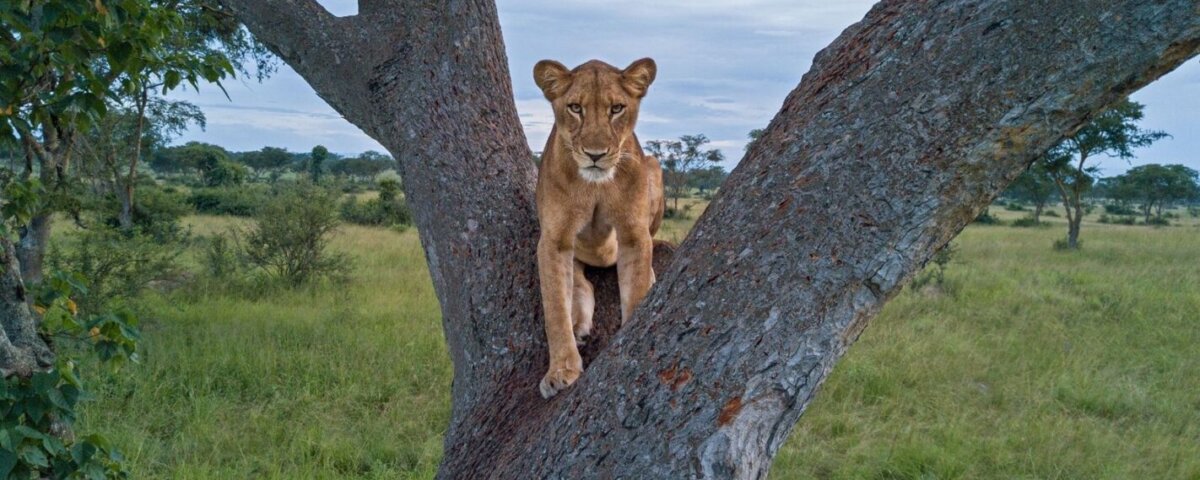
Which wildlife parks are best in Uganda?
Which wildlife parks are best in Uganda? Uganda offers some of the richest and most diverse wildlife experiences in Africa, and the best wildlife parks in Uganda include Murchison Falls National Park, Queen Elizabeth National Park, Bwindi Impenetrable National Park, Kibale National Park, Kidepo Valley National Park, Lake Mburo National Park, Mgahinga Gorilla National Park, and Semuliki National Park. These parks create a powerful safari circuit that showcases savannah wildlife, primates, rare birds, and unforgettable landscapes.
Uganda stands out because it combines classic Big Five safari experiences with rare primate trekking adventures. Travelers enjoy close encounters with lions, elephants, buffaloes, leopards, and rhinos while also tracking mountain gorillas and chimpanzees in ancient forests. This unique blend makes Uganda one of the most rewarding safari destinations in Africa.
In addition, Uganda’s national parks offer different experiences in every region. Some parks feature roaring waterfalls and river cruises, while others offer crater lakes, volcanic mountains, or untouched wilderness. As a result, visitors can design a safari that matches adventure, relaxation, or wildlife photography goals. This article explores each top park in detail to help travelers choose the best wildlife parks in Uganda for their dream safari experience.
Best Uganda Gorilla Trekking Tours
18 Days Best Uganda Adventure Safaris
14-Days Uganda Gorillas & Wildlife Tour
12 Days Gorillas, Chimps & Wildlife Safari
10 days Uganda primates & wildlife safari
10 Days Uganda Gorillas and Game Safari
7 Days Gorillas & Wildlife Safari
6 Days Gorillas and Chimps Trek Safari
3 Day Bwindi Gorilla Trekking Safari
4 Days Gorilla Trekking & Boat Cruise
9 Days Uganda Luxury Safari Tour
Murchison Falls National Park
Murchison Falls National Park ranks as one of the best wildlife parks in Uganda because it delivers powerful scenery and rich wildlife in one destination. Located in northwestern Uganda, this park features the world famous Murchison Falls where the Nile River squeezes through a narrow gorge before exploding into a strong waterfall. This natural wonder creates a dramatic setting that attracts travelers from around the world.
The park hosts a wide range of wildlife, including elephants, giraffes, buffaloes, lions, hyenas, and numerous antelope species. Game drives across the savannah plains offer excellent chances to see predators hunting during early morning or late afternoon hours. In addition, boat cruises along the Nile River provide close views of hippos, crocodiles, and elephants drinking along the banks.
Bird lovers also find Murchison Falls National Park extremely rewarding because it supports more than 450 bird species. Shoebill storks, kingfishers, and fish eagles are commonly spotted along the river. Moreover, the combination of water, forest, and savannah ecosystems creates a balanced habitat that supports diverse wildlife.
Travelers choose this park not only for its wildlife density but also for its dramatic landscapes. The powerful sound of the falls, combined with wide open plains, creates an unforgettable safari atmosphere that defines Uganda’s natural beauty.
Queen Elizabeth National Park
Queen Elizabeth National Park stands among the most visited wildlife parks in Uganda due to its incredible biodiversity and scenic landscapes. The park stretches across western Uganda and connects crater lakes, savannah plains, wetlands, and forested areas. This diversity supports one of the highest concentrations of wildlife in the country.
Visitors frequently spot elephants, lions, buffaloes, leopards, and hippos during game drives. One of the park’s unique highlights includes tree climbing lions found in the Ishasha sector. These lions rest in fig trees during hot afternoons, offering rare photographic opportunities that attract global attention.
The park also features the Kazinga Channel, a natural waterway that connects Lake Edward and Lake George. Boat safaris along this channel deliver close encounters with large hippo populations, crocodiles, and water birds. In addition, elephants often gather along the shores, creating powerful wildlife viewing moments.
Birdwatching in Queen Elizabeth National Park also stands out because the park supports over 600 bird species. This makes it one of Africa’s top birding destinations. Furthermore, the backdrop of the Rwenzori Mountains enhances the scenery and adds a dramatic horizon to the safari experience.
Overall, Queen Elizabeth National Park offers a complete safari package that combines wildlife diversity, boat cruises, and breathtaking landscapes in one destination.
Bwindi Impenetrable National Park
Bwindi Impenetrable National Park offers one of the most iconic wildlife experiences in the world because it protects nearly half of the remaining mountain gorillas. Located in southwestern Uganda, this ancient rainforest creates a dense and mystical environment where travelers track gorilla families in their natural habitat.
Gorilla trekking in Bwindi delivers a rare opportunity to observe human like behavior in wild gorillas. Families interact, feed, groom, and protect each other while moving through thick vegetation. This close encounter creates a powerful connection between visitors and wildlife conservation.
The park also supports rich biodiversity beyond gorillas. Forest elephants, chimpanzees, colobus monkeys, and numerous bird species thrive within its ecosystem. Birdwatchers often visit Bwindi because it hosts more than 350 bird species, including several endemic to the Albertine Rift region.
Bwindi features steep terrain, thick vegetation, and misty hills that create a challenging but rewarding trekking experience. Local communities around the park also contribute to tourism through cultural encounters, crafts, and storytelling. This strengthens conservation efforts and supports sustainable tourism.
Bwindi Impenetrable National Park remains a must visit destination for travelers seeking a once in a lifetime wildlife experience that combines adventure, conservation, and deep natural beauty.
Kibale National Park
Kibale National Park earns recognition as one of the best wildlife parks in Uganda because it hosts the highest diversity of primates in East Africa. Located in western Uganda, the park features a lush tropical forest that supports over 13 primate species, including chimpanzees, red colobus monkeys, and L’Hoest’s monkeys.
Chimpanzee trekking stands out as the main attraction in Kibale. Visitors follow expert guides into the forest to locate chimpanzee groups as they feed, play, and communicate. This experience offers a deeper understanding of primate behavior and intelligence.
In addition, Kibale National Park supports over 375 bird species, making it a strong destination for birdwatchers. Forest elephants, duikers, and bush pigs also live within the park, although they remain more difficult to spot due to dense vegetation.
The park connects easily with nearby Queen Elizabeth National Park, allowing travelers to combine chimpanzee trekking with classic safari game drives. This combination creates a balanced wildlife itinerary that appeals to nature lovers and adventure seekers.
Kibale’s dense forest, guided trekking experiences, and high primate concentration make it one of Uganda’s most scientifically important and rewarding wildlife destinations.
Kidepo Valley National Park
Kidepo Valley National Park offers one of the most remote and untouched safari experiences in Uganda. Located in the northeastern corner of the country, the park features vast savannah landscapes, rugged mountains, and open plains that stretch toward the horizon.
Wildlife thrives in this isolated ecosystem, and visitors often see large herds of buffaloes, zebras, giraffes, elephants, and antelopes. Predators such as lions, cheetahs, and leopards also roam the plains, creating exciting game viewing opportunities.
Kidepo Valley National Park stands out because of its low tourist numbers, which allows travelers to enjoy private and peaceful safaris. Game drives feel exclusive, and wildlife sightings often happen without crowds.
The park also offers strong cultural experiences with the Karamojong communities who live near its boundaries. These communities maintain traditional lifestyles and offer visitors insights into ancient pastoral culture.
Additionally, the dramatic scenery of the Narus Valley and distant mountain ranges enhances photography opportunities. The golden light at sunrise and sunset creates some of the most beautiful safari images in Uganda.
Kidepo Valley National Park delivers raw wilderness, strong wildlife populations, and a sense of isolation that few African parks can match.
Lake Mburo National Park
Lake Mburo National Park provides a compact but rich safari experience in central Uganda. It remains the closest savannah park to Kampala, making it a popular choice for short wildlife trips and weekend safaris.
The park features rolling hills, open grasslands, and small lakes that support wildlife such as zebras, impalas, elands, buffaloes, and hippos. Unlike many other parks in Uganda, Lake Mburo allows walking safaris, which gives visitors a closer connection to nature.
Boat rides on Lake Mburo offer peaceful encounters with hippos and water birds. In addition, the park supports over 300 bird species, making it a strong destination for birdwatching enthusiasts.
Lake Mburo also supports cycling safaris, which provide a unique way to explore wildlife in a safe and controlled environment. This activity attracts adventurous travelers who want something different from traditional game drives.
Although smaller than other national parks, Lake Mburo delivers excellent biodiversity, accessibility, and flexibility. It works well as a stopover destination between Kampala and western Uganda safari routes.
Mgahinga Gorilla National Park
Mgahinga Gorilla National Park sits in southwestern Uganda within the Virunga mountain range. It forms part of a larger conservation area shared with Rwanda and the Democratic Republic of Congo. This park offers a quieter alternative for gorilla trekking while maintaining equally powerful wildlife experiences.
The park protects one habituated gorilla family, which allows visitors to enjoy a more exclusive trekking experience. In addition, golden monkeys live within the bamboo forests, creating another exciting primate tracking activity.
Mgahinga also features volcanic landscapes with three major peaks that offer hiking opportunities. Travelers who enjoy adventure trekking often combine gorilla tracking with mountain climbing for a full outdoor experience.
Cultural encounters with the Batwa community also enrich visits to the park. These experiences provide insight into traditional forest life and ancient survival skills.
Although smaller in size, Mgahinga Gorilla National Park delivers strong conservation value, scenic beauty, and memorable wildlife encounters that rival larger destinations.
Semuliki National Park
Semuliki National Park offers a unique rainforest safari experience in western Uganda near the border with the Democratic Republic of Congo. The park protects one of the oldest lowland tropical forests in Africa, which creates a rare ecosystem filled with biodiversity.
Visitors explore hot springs, dense forest trails, and riverine landscapes that support unique wildlife species. Birds, butterflies, and primates thrive in this environment, and the park attracts researchers and nature lovers seeking rare species.
Semuliki features the famous Sempaya hot springs, where geothermal activity creates boiling water pools in the forest. This natural feature adds cultural and geological interest to the safari experience.
The park also supports forest elephants, monkeys, and several nocturnal species that remain difficult to spot in other regions. Birdwatchers find Semuliki especially valuable because it hosts species found only in Central African forests.
Semuliki National Park offers a quiet and scientific style safari that focuses on rainforest exploration rather than traditional game drives.
Best Time to Visit Uganda’s Wildlife Parks
Uganda offers wildlife viewing throughout the year, but the best time to visit its wildlife parks falls during the dry seasons. These periods run from June to September and December to February. During these months, animals gather around water sources, making them easier to spot during game drives.
Road conditions also improve in the dry season, which makes travel between parks smoother and more comfortable. In addition, trekking activities such as gorilla trekking in Bwindi and Mgahinga become less challenging because trails stay less muddy.
However, the wet seasons also offer advantages. From March to May and October to November, Uganda becomes greener and more scenic. Birdwatching improves during these months because migratory birds arrive, and breeding activity increases.
Travelers who prefer photography often enjoy the wet season due to dramatic skies and lush landscapes. Therefore, the best time depends on personal travel goals, whether wildlife viewing, trekking, or photography.
Travel Tips for Uganda Safari
Planning a safari in Uganda requires careful preparation to ensure comfort and safety. First, travelers should book permits early, especially for gorilla and chimpanzee trekking, because demand remains high throughout the year. Early booking guarantees access to preferred dates.
Second, packing light but practical clothing helps improve the safari experience. Neutral colored clothes, comfortable hiking boots, and rain jackets work well across most parks. In addition, insect repellent and sun protection support health and comfort.
Third, hiring experienced guides enhances wildlife viewing and safety. Guides understand animal behavior, park routes, and local conditions, which improves the overall safari experience.
Fourth, travelers should respect park rules and wildlife regulations. Maintaining distance from animals and following guide instructions protects both visitors and wildlife.
Finally, combining multiple parks in one itinerary helps travelers experience Uganda’s full biodiversity. This approach creates a balanced safari that includes savannah, forest, and mountain environments.
Conclusion: Which wildlife parks are best in Uganda?
Which wildlife parks are best in Uganda? The best wildlife parks in Uganda include Murchison Falls National Park, Queen Elizabeth National Park, Bwindi Impenetrable National Park, Kibale National Park, Kidepo Valley National Park, Lake Mburo National Park, Mgahinga Gorilla National Park, and Semuliki National Park. Each park offers a unique experience that highlights Uganda’s rich biodiversity, from gorilla trekking in ancient forests to game drives across open savannah plains.
Uganda continues to stand out as a top African safari destination because it combines adventure, wildlife diversity, and cultural richness in one country. Travelers enjoy unforgettable moments across every park, whether watching tree climbing lions, tracking chimpanzees, or cruising along the Nile.
Ultimately, the answer to which wildlife parks are best in Uganda depends on the traveler’s interests, but every park delivers a powerful and authentic African safari experience that strengthens Uganda’s reputation as a world class wildlife destination.