What Are the Best Safari Airlines in Kenya?
July 30, 2026
Which Month Has Mara River Crossings
July 30, 2026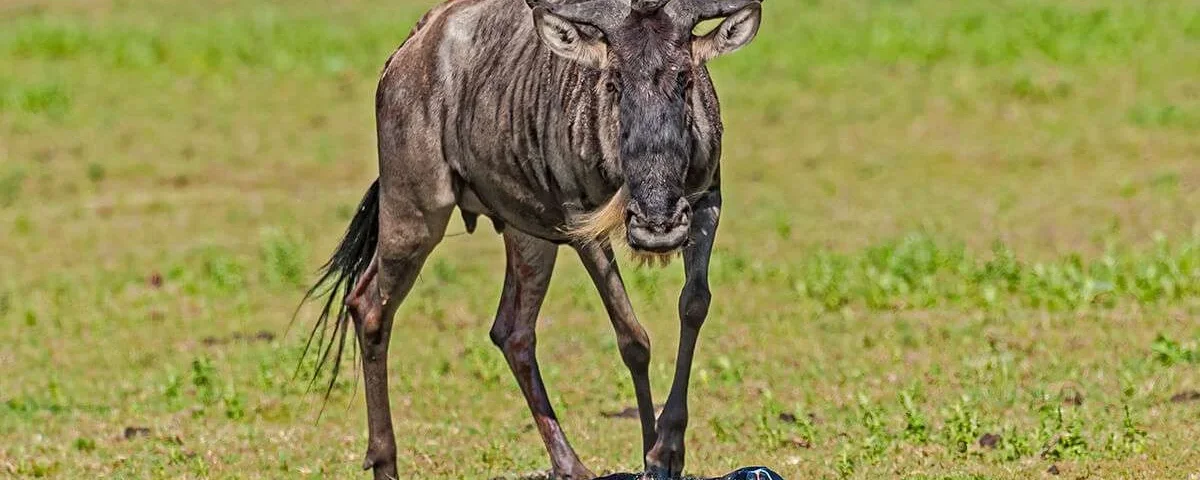
What Is Calving Season in Serengeti
Many travellers ask, what is calving season in Serengeti, because they want to experience one of the most remarkable stages of the Great Migration. While the famous Mara River crossings often receive global attention, the calving season offers an equally unforgettable wildlife experience. During this special time, hundreds of thousands of wildebeests give birth across the southern Serengeti, filling the plains with newborn calves and attracting predators from every direction. The result is a spectacular display of life, survival, and nature at its finest.
The Serengeti National Park in Tanzania hosts one of the largest wildlife migrations on Earth. Every year, more than 1.5 million wildebeests, together with hundreds of thousands of zebras and gazelles, move across the Serengeti ecosystem in search of fresh grazing. Their journey follows seasonal rainfall, and it reaches one of its most important milestones during the calving season.
For wildlife lovers, photographers, and first-time safari visitors, this period provides incredible opportunities to observe animal behaviour up close. Visitors enjoy seeing newborn calves take their first steps while lions, cheetahs, hyenas, and leopards patrol nearby. The lush green plains also create breathtaking scenery that makes every game drive memorable.
Understanding what is calving season in Serengeti helps travellers appreciate why this season remains one of the most exciting times to visit Tanzania’s world-famous national park.
Combined Uganda, Kenya, Rwanda and Tanzania Safaris
17 days Kenya Tanzania and Uganda safari
19 Days Uganda Kenya and Tanzania Safari
16 Days Kenya Tanzania and Uganda Safari
14 Days Kenya Uganda and Tanzania Safari
14 Days Kenya Uganda and Rwanda Safari
12 Day Gorilla Trekking and Tanzania Safari
What Is Calving Season in Serengeti?
The answer to what is calving season in Serengeti begins with one of nature’s most extraordinary wildlife events. Calving season is the period when hundreds of thousands of wildebeests give birth across the southern Serengeti and Ndutu Plains. This remarkable event forms an essential part of the Great Migration and supports the survival of the entire ecosystem.
Unlike many animals that give birth throughout the year, wildebeests synchronise their births within a relatively short period. Most calves arrive within a few weeks, creating one of the largest concentrations of newborn mammals anywhere in the world. Scientists believe this strategy improves survival because predators cannot catch every newborn when so many calves arrive at once.
Newborn wildebeests develop quickly. Within minutes, they begin standing, and within hours, they can run alongside their mothers. This rapid development helps them keep pace with the moving herds while reducing their vulnerability to predators.
The calving season also benefits many other animals. Lions, cheetahs, hyenas, jackals, and leopards become increasingly active because food becomes more abundant. Birds of prey, vultures, and scavengers also take advantage of the increased wildlife activity across the plains.
For safari visitors, calving season delivers far more than newborn animals. It offers opportunities to witness predator interactions, family behaviour, grazing herds, spectacular birdlife, and vibrant green landscapes created by seasonal rainfall.
This combination of abundant wildlife, dramatic natural events, and beautiful scenery explains why calving season ranks among the finest safari experiences available anywhere in Africa.
When Does the Serengeti Calving Season Happen?
The Serengeti calving season generally takes place between late January and early March, although weather conditions can cause slight changes from year to year. Seasonal rainfall determines when fresh grass becomes available, and the migrating herds naturally adjust their movements according to these changing environmental conditions.
January marks the beginning of the calving period as pregnant wildebeests gather across the southern Serengeti and Ndutu region. Fresh grazing provides the nutrition mothers need before giving birth. During this time, visitors begin seeing increasing numbers of newborn calves while large herds remain spread across the open plains.
February usually represents the peak of the calving season. During just a few weeks, hundreds of thousands of calves are born. This incredible concentration of newborn animals transforms the Serengeti into one of the most active wildlife destinations in the world. Every game drive offers opportunities to observe mothers caring for their young while predators patrol nearby.
By early March, many calves have grown stronger and continue travelling with the migration. As rainfall patterns begin changing, the herds gradually prepare for the next stage of their annual journey toward central and western Serengeti.
Although exact timing varies slightly each year, experienced safari operators closely monitor rainfall and wildlife movements. This helps travellers visit during the most rewarding period based on current conditions rather than relying only on historical migration calendars.
Choosing the correct travel dates greatly increases the likelihood of witnessing this extraordinary natural event while enjoying comfortable weather and exceptional wildlife viewing throughout the southern Serengeti.
Where Does the Calving Season Take Place?
The Serengeti calving season primarily takes place across the southern Serengeti and the neighbouring Ndutu Plains. These areas provide the ideal environment for newborn animals because seasonal rains encourage the growth of fresh, nutritious grass that supports millions of grazing herbivores.
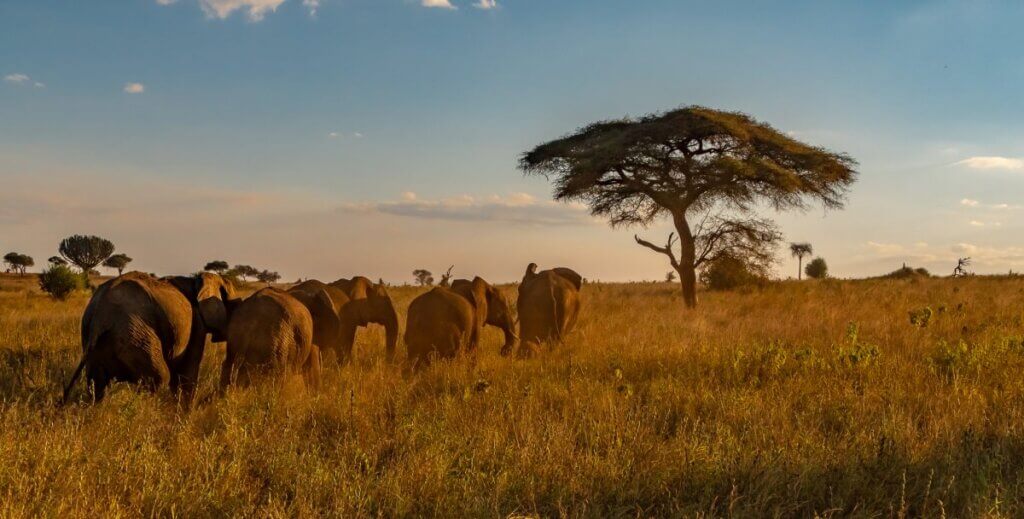
The southern Serengeti features wide open grasslands with very few trees. These expansive plains allow mothers to spot approaching predators more easily while providing excellent visibility for visitors during game drives. The flat landscape also creates outstanding opportunities for wildlife photography because animals remain visible across long distances.
The Ndutu region forms another essential part of the calving season. Located within the greater Serengeti ecosystem, this area allows wildlife to move freely between Serengeti National Park and the Ngorongoro Conservation Area. Fresh grazing remains abundant throughout much of the season, encouraging the herds to stay nearby until conditions begin changing.
Because millions of animals gather within these regions, wildlife viewing remains consistently productive. Visitors often observe enormous herds, newborn calves, predators, elephants, giraffes, buffaloes, and numerous bird species during a single game drive.
The landscape also becomes exceptionally beautiful during this time. Green grass covers the plains while seasonal flowers bloom after the rains. Acacia trees, rocky outcrops, and distant hills create stunning scenery that complements the abundant wildlife.
Staying close to these areas allows visitors to maximise their safari experience. Shorter driving distances between camps and wildlife provide more time to observe animal behaviour while enjoying one of Africa’s greatest natural spectacles.
Why the Calving Season Is Important
The Serengeti calving season plays a vital role in maintaining one of the world’s healthiest wildlife ecosystems. Although the arrival of newborn calves creates exciting safari experiences, its true importance extends far beyond tourism. It supports the survival of countless animal species while sustaining the natural balance that has existed across the Serengeti for thousands of years.
The birth of hundreds of thousands of wildebeest calves ensures the long-term survival of the migrating herds. While predators inevitably catch some young animals, the large number of births allows the population to remain healthy and stable each year.
Predators also depend heavily on this season. Lions, cheetahs, hyenas, leopards, and jackals benefit from increased hunting opportunities, helping maintain strong predator populations throughout the Serengeti. Scavengers, including vultures and other birds, also play essential roles by cleaning the environment and recycling nutrients.
The migration itself contributes to ecosystem health. As millions of grazing animals move across the plains, they naturally fertilise the soil, spread nutrients, and encourage fresh plant growth. This continuous cycle benefits plants, insects, birds, mammals, and countless other forms of life.
For conservationists, the calving season demonstrates the importance of protecting large connected ecosystems. Every stage of the migration depends upon healthy habitats that allow wildlife to move freely across northern Tanzania and southern Kenya.
Visitors who experience the calving season gain a deeper appreciation for the remarkable relationships connecting every species within the Serengeti ecosystem.
Wildlife You Can See During Calving Season
One of the greatest advantages of visiting during calving season is the extraordinary variety of wildlife. Although newborn wildebeests become the main attraction, many other animals also gather across the southern Serengeti to take advantage of abundant food and favourable environmental conditions.
Wildebeests dominate the landscape as hundreds of thousands of mothers care for newborn calves. Visitors often witness calves taking their first steps shortly after birth before joining the larger herds moving across the plains.
Zebras accompany the migration because they graze differently from wildebeests. Their feeding habits help maintain healthy grasslands while allowing multiple species to benefit from the same grazing areas. Thomson’s gazelles and Grant’s gazelles also remain plentiful throughout the region.
Predator activity reaches impressive levels during the calving season. Lions patrol territories near the herds, while cheetahs use the open plains to pursue prey at incredible speeds. Hyenas, leopards, jackals, and servals also appear regularly during game drives.
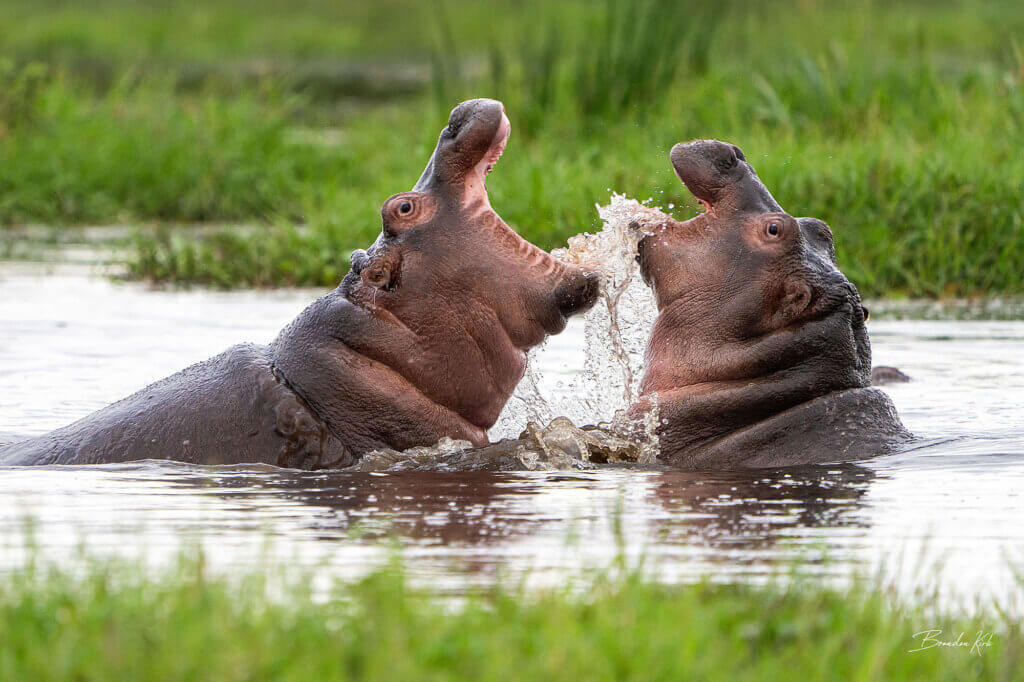
Large mammals such as elephants, giraffes, buffaloes, and hippos continue thriving in different parts of the Serengeti. Their presence adds even greater diversity to every safari experience.
Bird enthusiasts also enjoy exceptional sightings. Eagles, secretary birds, ostriches, crowned cranes, vultures, and many migratory species become highly active during this season, creating excellent birdwatching opportunities.
Because wildlife remains concentrated across relatively small areas, visitors enjoy consistently rewarding game drives. Every outing offers fresh opportunities to observe fascinating animal behaviour while experiencing one of Africa’s richest wildlife spectacles.
Why Calving Season Is Perfect for Photography
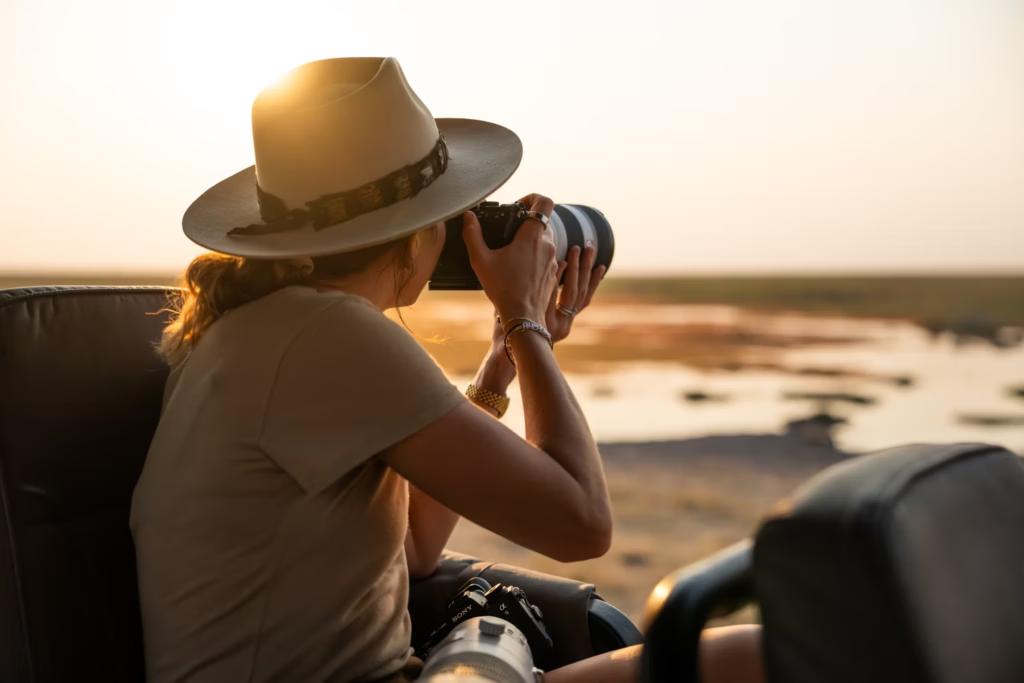
The Serengeti calving season offers some of the finest wildlife photography opportunities in Africa. During this time, the southern Serengeti transforms into a vibrant landscape filled with green grass, dramatic skies, and an incredible variety of animals. Whether you are a professional photographer or simply enjoy taking memorable holiday pictures, the calving season provides endless opportunities to capture remarkable moments.
One of the biggest highlights is the chance to photograph newborn wildebeest calves. These young animals take their first steps shortly after birth, creating emotional scenes that showcase the beginning of life in the African wilderness. Mothers remain close to their calves, allowing photographers to capture touching family interactions that reveal the strong bond between parent and offspring.
Predator activity adds another exciting element to wildlife photography. Lions resting after a hunt, cheetahs preparing to chase prey, hyenas searching for opportunities, and leopards quietly watching the plains all provide dramatic images that tell the story of survival in the Serengeti. Because predators remain highly active during the calving season, visitors often enjoy several excellent photography opportunities during a single game drive.
The scenery itself also enhances every photograph. Seasonal rains turn the plains bright green, while scattered acacia trees, rocky kopjes, and colourful sunsets create beautiful backgrounds. Soft morning light and warm evening light help photographers produce vibrant images with natural colours and rich detail.
Bird photography also becomes rewarding during this season. Numerous resident and migratory birds fill the skies and grasslands, offering colourful subjects that complement the larger mammals. Eagles, secretary birds, crowned cranes, and ostriches frequently appear during game drives.
With careful planning, patience, and knowledgeable guides, visitors return home with a collection of unforgettable images that celebrate one of nature’s greatest wildlife spectacles.
Tips for Planning for Unforgettable Safari Experience
Planning ahead is one of the best ways to enjoy a successful Serengeti calving season safari. Since this period attracts travellers from around the world, early preparation helps secure the best accommodation, experienced guides, and preferred travel dates.
Booking your safari several months in advance is highly recommended. Luxury lodges, mobile camps, and popular tented camps near the southern Serengeti often become fully booked during the calving season. Early reservations provide more accommodation choices and greater flexibility when designing your itinerary.
Selecting the right safari duration also makes a difference. Spending at least five to seven days in the Serengeti allows enough time to explore different areas while increasing the chances of witnessing newborn calves, predator activity, and large migration herds. Longer safaris also provide flexibility if weather conditions influence daily wildlife movements.
Packing wisely improves comfort throughout the trip. Neutral coloured clothing helps visitors blend naturally into the environment during game drives. Comfortable walking shoes, a light jacket for cool mornings, sunscreen, sunglasses, a wide brimmed hat, binoculars, and a quality camera all contribute to a more enjoyable safari experience.
Travellers should also prepare for changing weather. Although February and January generally offer pleasant conditions, occasional showers refresh the landscape. A lightweight waterproof jacket provides extra comfort without taking up much luggage space.
Most importantly, choose an experienced safari company that understands the migration’s seasonal movements. Local knowledge greatly increases the chances of visiting the best wildlife viewing areas while avoiding unnecessary travel between locations.
Careful preparation allows visitors to relax, enjoy every game drive, and fully appreciate the extraordinary beauty of the Serengeti during one of its most exciting seasons.
Why Choose Giant Holiday Safaris for this Safari Experience
Experiencing the Serengeti calving season becomes even more rewarding when you travel with a company that understands the migration’s seasonal movements. Giant Holiday Safaris specialises in creating personalised Tanzania safari experiences that connect travellers with the best wildlife viewing opportunities while providing exceptional comfort and professional service.
Every safari begins with careful planning. The team works closely with each traveller to understand their interests, travel dates, accommodation preferences, and budget. This personalised approach allows Giant Holiday Safaris to recommend itineraries that maximise wildlife viewing while creating a smooth and enjoyable journey.
Accommodation selection receives special attention because location plays a major role during the calving season. Whether guests choose luxury tented camps, comfortable mid range lodges, mobile camps, or budget friendly accommodation, every recommendation focuses on quality, comfort, and proximity to the migration.
Professional safari guides further enhance the experience. Their extensive knowledge of wildlife behaviour, migration patterns, local ecosystems, and conservation helps visitors gain a deeper understanding of every game drive. Guides also know how to position safari vehicles responsibly for outstanding wildlife viewing and photography while respecting the animals and their natural habitat.
Travellers also benefit from helpful pre departure support. Packing advice, travel guidance, seasonal updates, and practical safari tips ensure guests arrive fully prepared for their adventure.
By combining local expertise, personalised service, carefully selected accommodation, and experienced guiding, Giant Holiday Safaris delivers memorable Serengeti safaris that showcase the remarkable beauty of the calving season while creating lasting memories for every traveller.
Frequently Asked Questions About Serengeti Calving Season
Travellers often ask many questions before booking a Serengeti calving season safari. Understanding what to expect helps visitors prepare properly while choosing the best travel dates and accommodation for their adventure.
One common question concerns the best month to visit. Although the calving season generally begins in late January, February often represents the peak period because the highest number of wildebeest calves are born during this month. Wildlife viewing remains excellent throughout both months.
Many visitors also wonder whether the calving season is suitable for families. The answer is yes. Children often enjoy seeing newborn animals, learning about wildlife conservation, and observing different species living together in their natural environment. Comfortable safari vehicles and family friendly lodges make the experience enjoyable for all ages.
Another popular question focuses on predator sightings. Visitors frequently see lions, cheetahs, hyenas, jackals, and occasionally leopards during the calving season because predators naturally follow the migration in search of food. These sightings create exciting wildlife experiences while demonstrating the natural balance of the ecosystem.
Travellers also ask whether they can combine the calving season with other Tanzanian attractions. Many safari itineraries include additional destinations such as the Ngorongoro Crater, Tarangire National Park, Lake Manyara National Park, or even Zanzibar after the safari.
Finally, visitors often ask if photography conditions are good. The answer is certainly yes. Green landscapes, dramatic clouds, abundant wildlife, and soft natural light create ideal conditions for both wildlife and landscape photography throughout the season.
These frequently asked questions help travellers understand why the Serengeti calving season continues attracting wildlife enthusiasts from across the globe every year.
Experience the Magic of the Serengeti Calving Season
Now that you understand what is calving season in Serengeti, it becomes easy to see why this remarkable event ranks among Africa’s greatest wildlife experiences. The arrival of hundreds of thousands of newborn wildebeest calves transforms the southern Serengeti into a landscape filled with life, excitement, and unforgettable natural beauty.
Unlike other stages of the Great Migration, the calving season focuses on new beginnings. Visitors witness mothers protecting their young, predators searching for opportunities, and enormous herds grazing across lush green plains. Every game drive presents fresh opportunities to observe fascinating animal behaviour while appreciating the delicate balance that supports one of the world’s most important ecosystems.
The combination of beautiful scenery, excellent wildlife viewing, and comfortable weather makes this period especially rewarding for photographers, families, couples, and first time safari travellers. Because wildlife remains concentrated across the southern Serengeti and Ndutu region, visitors spend more time enjoying nature and less time searching for animals.
Planning your safari with Giant Holiday Safaris ensures you experience the calving season from carefully selected locations close to the migration. Their experienced guides, personalised itineraries, and local expertise help create unforgettable adventures while making every safari comfortable and enjoyable.
If you have been wondering what is calving season in Serengeti, there is no better way to understand it than by experiencing it yourself. Watching thousands of newborn animals begin their journey across the endless plains creates memories that last a lifetime and reveals the extraordinary beauty of Tanzania’s Serengeti National Park.