Are There Cheap Safari Lodges in Tanzania
July 25, 2026
Can Students Afford Tanzania Safari
July 25, 2026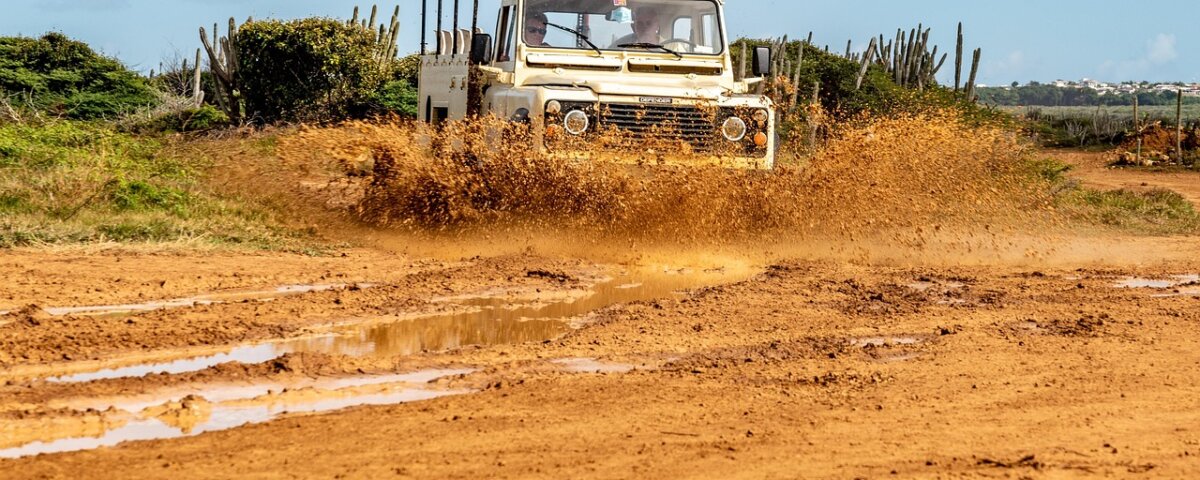
What Is Low Season Safari in Tanzania
Understanding what is low season safari in Tanzania can help travelers discover a different side of the country while enjoying the possibility of lower travel costs and fewer visitors. Tanzania remains a remarkable safari destination throughout the year, but the experience changes with the seasons. The low season generally coincides with periods of higher rainfall, when fewer international travelers visit the national parks. As a result, some accommodation providers and safari companies may offer more attractive rates, making this period appealing to travelers who want to experience Africa without the high prices and busy conditions associated with peak travel months.
However, a low season safari involves more than simply finding a cheaper trip. The landscape often becomes greener, migratory birds arrive, and many destinations feel quieter. Wildlife remains present, although animals may spread across larger areas because water becomes more available. Rain can also affect roads and daily activities, so travelers should plan with realistic expectations.
For the right traveler, low season can provide an excellent combination of value, beautiful scenery, and peaceful wildlife experiences. By choosing the right destinations, accommodation, and safari operator, you can enjoy Tanzania’s natural wonders while experiencing the country during one of its quieter travel periods.
Combined Uganda, Kenya, Rwanda and Tanzania Safaris
17 days Kenya Tanzania and Uganda safari
19 Days Uganda Kenya and Tanzania Safari
16 Days Kenya Tanzania and Uganda Safari
14 Days Kenya Uganda and Tanzania Safari
14 Days Kenya Uganda and Rwanda Safari
12 Day Gorilla Trekking and Tanzania Safari
What Does Low Season Mean for Tanzania Safaris?
The low season refers to periods when fewer travelers visit Tanzania compared with the busiest tourism months. In many safari destinations, this period overlaps with the rainy seasons, although exact conditions vary between regions. The long rains generally occur around March through May, while shorter rains often arrive around November.
During these months, tourism demand may decline. Consequently, some lodges, camps, and safari operators may offer lower rates or special packages. This can make a Tanzania safari more accessible to travelers who want to manage their spending carefully.
However, low season does not mean that Tanzania closes its national parks or stops offering wildlife experiences. Visitors can still explore famous destinations such as Serengeti National Park, Tarangire National Park, Ngorongoro Conservation Area, and other protected areas.
The main difference involves the seasonal environment. Rainfall can transform dry landscapes into green, vibrant habitats. Wildlife behavior can also change as animals gain access to water and fresh vegetation.
Therefore, travelers should view low season as a different type of safari experience rather than simply a cheaper version of peak season. With proper planning, it can offer exceptional value and memorable encounters.
When Is the Low Season for Tanzania Safari?
Tanzania generally experiences two main rainy periods that influence low season travel. The long rains often occur from March to May, while the short rains usually arrive around November and sometimes extend into early December.
The exact timing and intensity of rainfall can change from year to year. Therefore, travelers should avoid treating seasonal dates as fixed rules. Weather patterns also differ between northern, southern, and western Tanzania.
March may represent a transition into the wetter season, while April and May often experience more consistent rainfall in many areas. November can bring shorter showers that refresh the landscape after the dry season.
Despite the rain, these periods can provide excellent opportunities for travelers who prefer fewer crowds and potentially lower prices. The landscapes often become lush and colorful, while birdlife becomes especially impressive.
However, visitors should prepare for changing weather conditions. Some roads may become muddy, and heavy rainfall can occasionally affect travel schedules.
Choosing the right destination matters as well. An experienced safari operator can help travelers identify parks and routes that remain accessible and rewarding during the low season.
Is Low Season Safari in Tanzania Cheaper?
Low season safaris can cost less than trips during peak travel periods, although the exact savings depend on the destination, accommodation, and type of safari. During quieter months, some lodges and camps may reduce their rates because fewer travelers compete for available rooms.
Group safaris can provide additional savings because travelers share the cost of the vehicle and guide. Budget accommodation and camping can also make the overall trip more affordable.
However, travelers should compare complete safari packages rather than focusing only on the accommodation price. Transportation, park fees, meals, and guiding services all contribute to the final cost.
Sometimes, a cheaper room located far from a national park can increase transportation expenses. Therefore, a slightly more expensive accommodation option may offer better value if it reduces driving time and fuel costs.
Travelers should also consider international flights and other expenses outside the safari package.
The best way to save money involves combining low season travel with an efficient itinerary and practical accommodation. Giant Holiday Safaris can help travelers explore different itinerary options and consider how seasonal travel can fit their budget without sacrificing the main experiences they want from Tanzania.
What Are the Benefits of Traveling During Low Season?
Low season travel offers several advantages beyond lower prices. One of the most noticeable benefits involves fewer visitors. With smaller crowds, travelers may enjoy a more relaxed atmosphere in many parks and lodges.
Fewer safari vehicles can also create a more personal feeling during game drives. Although wildlife sightings always depend on nature, quieter conditions can make the overall experience feel more peaceful.
The scenery provides another major benefit. Rain transforms many areas into vibrant green landscapes, creating beautiful conditions for photography. Fresh vegetation and dramatic skies can add a special quality to the safari experience.
Low season also supports excellent birdwatching. Migratory birds arrive in Tanzania, increasing the variety of species that travelers may encounter.
Furthermore, some accommodation providers offer competitive rates during quieter periods. This can allow travelers to choose better accommodation or extend their safari without increasing their overall budget too much.
For photographers, nature lovers, and travelers who prefer peace over crowds, low season can provide a unique experience.
The key involves understanding the seasonal conditions and choosing an itinerary that matches your expectations.
Is Wildlife Viewing Good During the Low Season?
Wildlife viewing remains rewarding during Tanzania’s low season, although animal behavior can differ from the dry months. During rainy periods, water becomes available in more locations, allowing animals to spread across larger areas.
This can make some species more difficult to find in certain areas. However, the abundance of food and water also creates opportunities to observe active wildlife and thriving ecosystems.
The green landscape can make the experience especially beautiful. Herbivores may take advantage of fresh vegetation, while predators continue to follow natural hunting patterns.
The wet season can also coincide with important wildlife events in certain regions. The timing of calving and other seasonal movements varies, so travelers should research their chosen destination carefully.
Birdwatching often becomes particularly rewarding during this period. Migratory species join resident birds, creating excellent opportunities for bird enthusiasts.
Experienced guides remain essential during low season. They understand local conditions and can adjust game drives based on weather and wildlife activity.
Therefore, travelers should not assume that rain automatically means poor wildlife viewing. Instead, low season offers a different perspective on Tanzania’s ecosystems, with green scenery, active birdlife, and fewer visitors creating a distinct safari atmosphere.
How Does Rain Affect a Tanzania Safari?
Rain can influence a Tanzania safari in several ways, but it does not necessarily prevent travelers from enjoying their trip. In many cases, rainfall arrives as short showers followed by periods of sunshine. However, heavier storms can occasionally affect roads and travel schedules.
Unpaved roads may become muddy, especially in areas that receive significant rainfall. This can increase driving times and sometimes require safari vehicles to take alternative routes.
Travelers should therefore choose a safari company with strong local knowledge. Experienced guides understand road conditions and can adapt the itinerary when necessary.
Rain can also affect game drives by changing animal movements. Some animals may move into areas with fresh vegetation, while others may remain near water sources.
Despite these challenges, rain creates opportunities as well. The landscape becomes greener, waterfalls and rivers may fill, and the atmosphere can feel fresh and peaceful.
Travelers should pack appropriate clothing and protect cameras and electronic equipment from moisture.
With realistic expectations and good preparation, rain becomes part of the adventure rather than a reason to avoid the low season completely.
Is the Low Season Good for Families?
Families can enjoy low season safaris, especially when they want a quieter experience and potentially lower prices. Fewer visitors can create a more relaxed atmosphere, which may appeal to parents traveling with children.
Lower accommodation rates can also help families manage the total cost of their trip. The savings may allow families to choose more comfortable rooms or add additional activities.
However, parents should consider the possibility of rain when planning their itinerary. Young children may find long drives or wet conditions challenging, particularly if roads become difficult.
A well planned itinerary can reduce these concerns. Choosing shorter driving distances and comfortable accommodation can make the journey easier for children.
Families should also select safari companies that understand the needs of younger travelers. Flexible schedules, suitable meals, and experienced guides can improve the overall experience.
Low season may also provide excellent opportunities for children to learn about nature. Green landscapes, birds, insects, and changing weather can make the safari educational as well as exciting.
With thoughtful planning, families can enjoy an affordable and memorable Tanzania safari during quieter travel periods.
Is Low Season Good for Photography?
Low season offers exceptional opportunities for photographers who appreciate dramatic landscapes and vibrant natural colors. Rain transforms the environment, creating lush vegetation and strong contrasts between green landscapes and dark skies.
The softer light that often accompanies cloudy weather can also create attractive conditions for photography. Early morning and late afternoon may produce beautiful scenes as sunlight interacts with clouds and mist.
Wildlife photography can also benefit from the green season. Animals may appear against rich vegetation, creating a different visual style from the dry season.
Bird photographers often find the low season particularly rewarding because migratory species increase the variety of birds in many areas.
However, photographers should prepare carefully. Rain can damage cameras and lenses, so waterproof bags and protective covers become important.
Road conditions may also affect access to certain locations. A skilled guide can help identify suitable areas and adapt the itinerary according to weather conditions.
For photographers who want something different from the classic dry season safari, low season can provide remarkable images and a fresh perspective on Tanzania’s wilderness.
Which Parks Are Best During the Low Season?
The best park for a low season safari depends on your interests and travel dates. Northern Tanzania remains popular because destinations such as Serengeti, Tarangire, Lake Manyara, and Ngorongoro offer different ecosystems within one region.
The Serengeti can provide rewarding experiences during the green season, although wildlife movements vary by location and time of year. Travelers interested in the Great Migration should research current animal movements rather than relying on fixed assumptions.
Tarangire offers beautiful landscapes and diverse wildlife, while Lake Manyara provides forests, wetlands, and strong birdwatching opportunities.
Ngorongoro also remains an attractive destination because its unique geography supports a wide range of wildlife.
Southern Tanzania can appeal to travelers who want a quieter experience. Parks such as Nyerere and Ruaha often provide a stronger sense of wilderness and fewer visitors.
The right choice depends on your travel goals. A knowledgeable operator can help you select parks that match the season, weather conditions, and wildlife interests.
What Should You Pack for a Low Season Safari in Tanzania
Packing correctly can make your low season safari much more comfortable. Rain can occur unexpectedly, so travelers should prepare for both wet and dry conditions.
A lightweight waterproof jacket can protect you during game drives, while quick drying clothing helps you remain comfortable after showers.
Comfortable footwear also matters. Some camps may have muddy paths during rainy periods, so shoes with good grip can prove useful.
Travelers should protect electronic equipment with waterproof bags or protective covers. Cameras, phones, and other devices can suffer damage if exposed to heavy rain.
Insect repellent remains useful, while sunscreen remains important even during cloudy weather.
A small day bag can carry essential items during game drives without taking up much space in the safari vehicle.
Before traveling, ask your safari company about the expected conditions and the facilities available at your accommodation.
Good preparation allows you to enjoy the scenery and wildlife without worrying about changing weather.
How Can You Choose a Low Season Safari Company
Choosing the right safari company becomes especially important during the low season. Rain can affect roads and schedules, so local experience and strong planning can make a major difference.
Look for an operator that understands seasonal conditions across different regions. The company should provide clear information about possible weather changes and explain how the team manages difficult road conditions.
Transparency also matters. Your quotation should clearly explain accommodation, transportation, park fees, meals, and other major costs.
A professional company should also maintain reliable safari vehicles and employ experienced guides who understand wildlife behavior and local geography.
Responsible tourism should form another part of your decision. A good operator should respect wildlife, support local communities, and promote environmental protection.
Travelers should also consider communication. A company that responds clearly to questions before your trip can provide greater confidence.
The goal should not involve finding the cheapest operator. Instead, focus on finding a company that provides good value, reliable service, and strong knowledge of Tanzania’s seasonal conditions.
Final Thoughts on What Is Low Season Safari in Tanzania
Understanding what is low season safari in Tanzania allows travelers to look beyond the traditional peak travel periods and discover the advantages of visiting during quieter months. The low season generally overlaps with Tanzania’s rainy periods, especially around March to May and November. During these times, travelers may find lower accommodation rates, fewer visitors, greener landscapes, and excellent opportunities for birdwatching and photography.
However, low season travel also requires flexibility. Rain can affect roads, wildlife movements, and daily schedules, particularly during periods of heavy rainfall. Therefore, travelers should choose their destinations carefully and work with an experienced safari operator that understands local conditions.
For many visitors, the rewards outweigh the challenges. The vibrant scenery, peaceful atmosphere, and potential savings can create an experience that feels very different from the busy peak season. Wildlife remains present, and the changing environment offers a deeper look at Tanzania’s natural cycles.
Ultimately, what is low season safari in Tanzania is not simply a question about traveling when prices fall. It is about understanding how Tanzania changes throughout the year and choosing a season that matches your travel goals. With realistic expectations, careful preparation, and the right safari company, low season can provide an affordable, peaceful, and deeply rewarding African adventure.