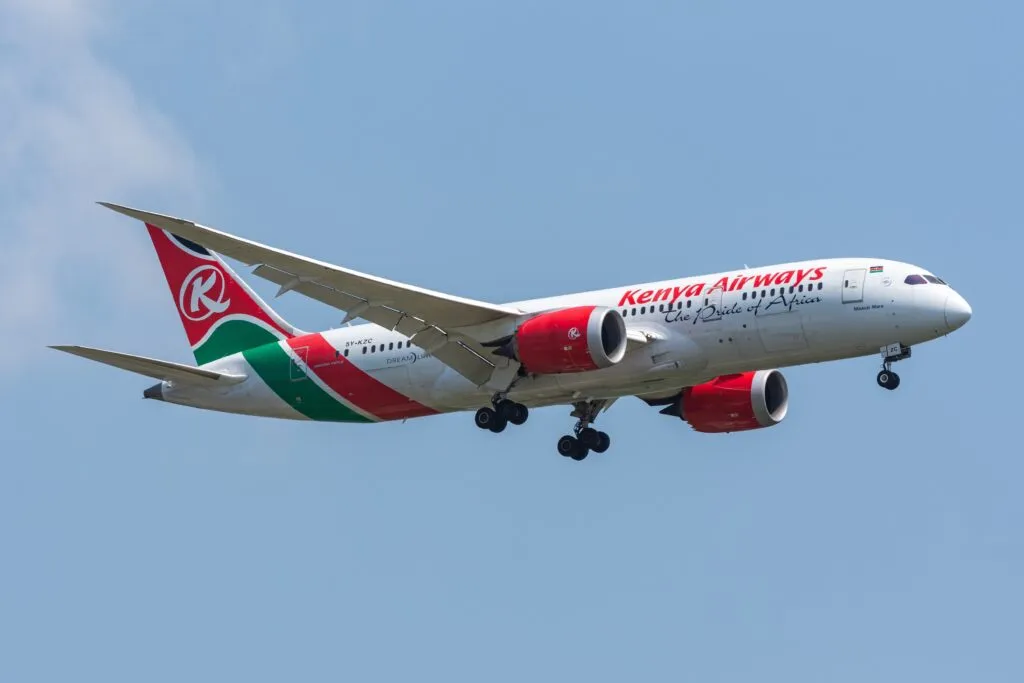
Which airlines fly to Kenya for safari holidays?
August 28, 2026
How do you get around during Kenya safari tours?
August 28, 2026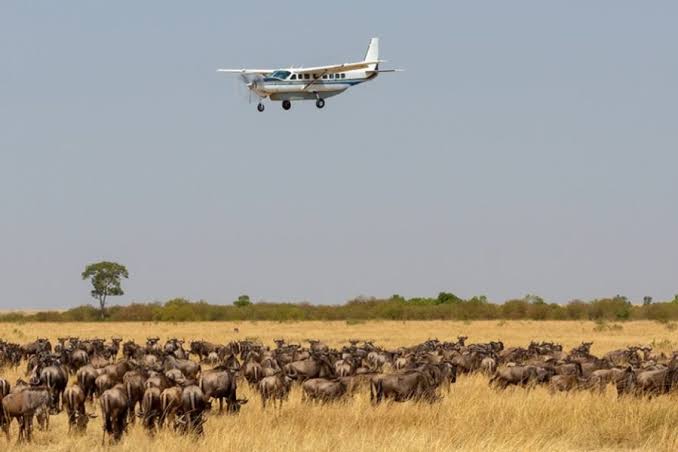
What Is the Best Airport for Masai Mara Safaris?
Choosing the best airport for a Masai Mara safari can make a major difference to your travel experience. The Masai Mara National Reserve sits in southwestern Kenya, close to the Tanzania border, and travelers can reach it through several airports and airstrips. However, the most convenient choice depends on your safari itinerary, accommodation, arrival point in Kenya, budget, and the amount of time you want to spend on the road.
For most international travelers, Nairobi provides the main gateway to the Masai Mara. After landing in Kenya, you can continue your journey by road or take a domestic flight from Nairobi to one of the airstrips serving the reserve and surrounding conservancies. This flexibility makes the Masai Mara accessible whether you prefer a classic road safari, a faster fly-in safari, or a combination of both.
The best airport for your safari therefore depends on what you value most. If convenience and speed matter most, flying from Nairobi to a Mara airstrip offers one of the easiest ways to reach the reserve. If you want to experience more of Kenya along the way, driving from Nairobi can add valuable scenery and cultural experiences to your journey.
Understanding the difference between Kenya’s major international airports, domestic airports, and safari airstrips helps you build a smoother itinerary. It also prevents a common mistake: choosing an airport based only on its name rather than considering its actual distance from your safari camp or lodge.
Combined Uganda, Kenya, Rwanda and Tanzania Safaris
17 days Kenya Tanzania and Uganda safari
19 Days Uganda Kenya and Tanzania Safari
16 Days Kenya Tanzania and Uganda Safari
14 Days Kenya Uganda and Tanzania Safari
14 Days Kenya Uganda and Rwanda Safari
12 Day Gorilla Trekking and Tanzania Safari
Which Airport Should International Travelers Use for a Masai Mara Safari?
For travelers arriving from outside Kenya, Jomo Kenyatta International Airport in Nairobi usually provides the most practical international gateway for a Masai Mara safari. The airport connects Kenya with numerous international destinations and gives travelers access to Nairobi’s extensive network of domestic flights and road transfers.
Nairobi also works well as the starting point for a wider Kenya safari. You can spend a night in the capital, visit nearby attractions, or connect directly to the Masai Mara the following morning. This approach gives you greater flexibility if your international flight arrives late in the day.
After reaching Nairobi, you have two main choices. You can travel by road to the Masai Mara, or you can connect to a scheduled safari flight. Both options offer advantages.
A road transfer gives you more control over the journey. You can stop at viewpoints, enjoy Kenya’s changing landscapes, and potentially combine your Mara trip with destinations such as Lake Naivasha, Lake Nakuru, or other attractions along the route. The journey takes several hours, so it works best for travelers who have enough time in their itinerary.
Flying provides a faster and more convenient alternative. Safari flights from Nairobi can take you directly toward the reserve, reducing road travel and giving you more time for wildlife viewing. For visitors with limited vacation time, this option often provides better value because it protects valuable hours for the safari itself.
Therefore, while Nairobi serves as the primary international gateway, your actual safari flight may land at a smaller airstrip much closer to your camp.
Is Jomo Kenyatta International Airport the Best Airport for Masai Mara Safaris?
Jomo Kenyatta International Airport is one of the most important airports to consider when planning a Masai Mara safari. It serves as Kenya’s major international aviation gateway and works particularly well for travelers arriving from Europe, Asia, the Middle East, North America, and other parts of Africa.
However, travelers should understand one important distinction: Jomo Kenyatta International Airport is generally your international arrival airport rather than the airport you use to land directly inside the Masai Mara.
Once you arrive in Nairobi, you can connect to a domestic safari flight or arrange a road transfer. This makes the airport highly useful for a Masai Mara itinerary, even though it does not sit beside the reserve.
The airport can also work well for travelers combining the Masai Mara with other Kenyan destinations. For example, you might arrive in Nairobi, continue to Amboseli, explore the Maasai Mara, and then return to Nairobi before flying home. Alternatively, you can create a northern Kenya itinerary that includes destinations such as Samburu before continuing south.
Another advantage comes from scheduling. International flights can arrive at different times of day, so staying overnight in Nairobi may provide a more comfortable connection to your safari flight. It also gives you a buffer against delays and reduces the pressure of making a tight same-day connection.
For international travelers, therefore, Jomo Kenyatta International Airport remains one of the best starting points for a Masai Mara safari. The most convenient final airport, however, will usually be a safari airstrip near your chosen camp or lodge.
Is Wilson Airport Better for a Masai Mara Safari?
Wilson Airport plays a particularly important role in Kenya’s domestic and safari aviation network. If you have already arrived in Nairobi and want to fly to the Masai Mara, Wilson Airport can provide a much more convenient departure point than returning to the international airport.
Many safari flights serving Kenya’s national parks and reserves operate from Wilson Airport. This makes it an important connection point for travelers heading to the Masai Mara by air.
Wilson Airport sits within Nairobi, so travelers arriving internationally need to plan their transfer between their international arrival airport and the domestic departure point. Allow enough time for immigration, baggage collection, traffic, and the domestic check-in process.
Once you reach Wilson, your safari flight can take you toward one of the airstrips serving the Masai Mara ecosystem. The exact destination depends on your airline, camp, lodge, and itinerary.
This arrangement offers a major advantage: you avoid spending most of the day traveling by road from Nairobi to the reserve. Instead, you can spend more time inside the Mara ecosystem.
For travelers who want a comfortable and efficient safari, Wilson Airport can therefore be one of the best airports for starting the actual flight portion of a Masai Mara safari.
It also works especially well for travelers taking several domestic flights during a Kenya itinerary. You might use Wilson to connect Nairobi with the Masai Mara, then continue by air to another safari destination before returning to Nairobi.
Which Airport Is Closest to the Masai Mara?
The Masai Mara does not have one large airport serving the entire reserve. Instead, the ecosystem has several small safari airstrips located near different camps, lodges, and conservancies.
This distinction matters because the “closest airport” depends on where you are staying.
A traveler staying in one part of the Mara may find one airstrip highly convenient, while another traveler staying several kilometers away may benefit from a different airstrip. Safari airlines select routes according to demand, camp locations, and operational schedules.
These small airstrips provide one of the biggest advantages of flying into the Masai Mara. Instead of landing at a major airport far from the reserve and continuing by road for several hours, you can often land close to your accommodation.
After landing, your camp or safari operator normally organizes a transfer from the airstrip. The transfer itself becomes part of the safari experience because you are already inside or near the wildlife area.
You may even begin seeing wildlife shortly after leaving the airstrip. Depending on the location, the drive to camp can become an informal game drive, although the exact arrangement depends on your accommodation and operator.
Therefore, rather than asking only, “Which airport is closest to the Masai Mara?” ask a more useful question: “Which airstrip is closest and most convenient for my specific camp or lodge?”
That approach produces a much more accurate itinerary.
Which Masai Mara Airstrips Serve Safari Travelers?
The Masai Mara ecosystem contains several airstrips that serve different sections of the reserve and surrounding conservancies. These airstrips support scheduled safari flights as well as private charter operations.
Commonly used airstrips include areas such as Keekorok, Serena, Musiara, Ol Kiombo, and several other landing points serving different camps and conservancies. The best choice depends on your accommodation.
Keekorok Airstrip, for example, provides access to the central and southern parts of the reserve. Other airstrips provide better access to specific camps located farther north or within private conservancies.
This network gives travelers considerable flexibility. You do not necessarily need to land at one central airport and drive across the entire reserve. Instead, you can select an airstrip that minimizes the transfer between your flight and accommodation.
When booking a safari, always provide the name of your exact camp or lodge. Your safari operator can then match your accommodation with the most appropriate airstrip and flight schedule.
Airstrip selection also matters during peak safari seasons. During periods of high demand, especially around the Great Migration, flights can fill quickly. Booking early gives you a better chance of securing convenient flight times and connections.
The airstrip network also makes fly-in safaris particularly attractive to honeymooners, families, photographers, older travelers, and visitors working with limited vacation time.
Should You Fly or Drive From Nairobi to the Masai Mara?
The decision between flying and driving depends on the kind of safari experience you want. Neither option is universally better because each creates a different travel experience.
Driving from Nairobi to the Masai Mara can take several hours, depending on the route, road conditions, traffic, and stops. However, the journey gives you the opportunity to see more of Kenya beyond the reserve. You can enjoy changing landscapes, rural communities, agricultural areas, escarpment views, and other attractions along the way.
For first-time visitors to Kenya, a road safari can feel especially rewarding because the journey becomes part of the adventure. Your guide can explain the landscape, local communities, geography, and wildlife conservation as you travel.
Flying, on the other hand, saves substantial time. A flight from Nairobi to the Mara region can transform a long road journey into a short connection. This allows travelers to maximize their time inside the reserve.
Fly-in safaris also work exceptionally well for short trips. If you only have three or four days available, spending many hours traveling between Nairobi and the Mara can reduce your game-viewing time.
Your budget also matters. Road safaris can offer excellent value because one vehicle can transport several travelers while providing a guided experience along the way. Flights usually cost more, but the additional expense can make sense when time matters.
The strongest choice comes down to your priorities. Choose the road when you want a broader Kenyan journey. Choose the flight when you want efficiency and more time in the wildlife destination.
What Is the Best Airport for a Short Masai Mara Safari?
Short safaris require careful planning because every hour matters. If you only have two or three nights in the Masai Mara, flying from Nairobi can provide a major advantage.
Instead of spending much of your first and final days on the road, you can travel directly toward the Mara by air. After landing, your camp transfer can take you into the reserve or conservancy.
This approach allows you to begin your wildlife experience sooner. You can potentially enjoy an afternoon game drive on arrival, depending on your flight schedule and camp location.
For a short safari, I recommend thinking about the itinerary as a complete journey rather than choosing an airport separately from your accommodation. Select the camp first, identify the nearest practical airstrip, and then check the available flights.
This method reduces unnecessary transfers and creates a smoother experience.
Short safaris also benefit from carefully planned departure times. A morning flight can give you more time in the Mara, while an afternoon departure may allow a final morning game drive before heading back to Nairobi.
However, travelers should avoid extremely tight connections between international and domestic flights. International delays can happen, baggage can take time to arrive, and Nairobi traffic can affect transfers.
A comfortable connection gives your safari a much better beginning.
What Is the Best Airport for a Luxury Masai Mara Safari?
Luxury travelers often benefit from flying directly from Nairobi toward an airstrip near their selected camp or private conservancy. This approach creates a seamless transition from international travel to the safari environment.
Many high end camps operate in remote areas where road transfers can take significant time. A safari flight therefore adds convenience while preserving more time for relaxation, wildlife viewing, and camp activities.
Luxury safari planning also requires attention to the final transfer. A short flight does not automatically guarantee a short journey to your accommodation. Always check which airstrip your camp uses and how the camp handles the transfer.
Private conservancies can offer another advantage. They often provide a more exclusive safari setting with fewer vehicles, specialized activities, and carefully managed visitor numbers. In such cases, selecting the correct airstrip becomes even more important because the conservancy may have its own preferred landing points.
Luxury travel does not simply mean paying more for accommodation. It means creating an itinerary where every part of the journey works together. Airport selection, flight schedules, transfers, accommodation, game drives, meals, and conservation experiences should all complement one another.
A well-designed luxury Masai Mara safari should feel smooth from the moment you leave Nairobi until the moment you return.
How Should You Choose an Airport Based on Your Masai Mara Lodge?
Your accommodation should play a central role in airport selection. The Masai Mara covers a large area, and camps sit across different sections of the ecosystem.
Choosing an airstrip before choosing your lodge can create unnecessary transfers. Instead, identify the area you want to explore and then select accommodation within that region. Once you choose the lodge or camp, determine which airstrip provides the easiest access.
This strategy becomes particularly important when visiting private conservancies. A camp may sit outside the main reserve but still provide exceptional access to wildlife. In such cases, a nearby conservancy airstrip may provide the most efficient connection.
Ask your safari operator to confirm three details before booking your flight: the recommended arrival airstrip, the transfer time from that airstrip to camp, and whether the transfer forms part of your safari experience.
Also check your baggage allowance. Safari aircraft often have different luggage restrictions from international airlines. Soft-sided bags usually work better than large hard-shell suitcases, but travelers should always confirm the current requirements with the airline operating their flight.
By matching your flight with your accommodation, you reduce unnecessary travel and make better use of your safari time.
What Airport Should You Use When Combining the Masai Mara With Other Kenyan Destinations?
Many travelers do not visit the Masai Mara alone. Kenya offers several safari destinations, and combining them can create a richer experience.
If your itinerary includes Amboseli, Samburu, Laikipia, Tsavo, Lake Nakuru, or the Kenyan coast, airport planning becomes more important.
For example, you might arrive internationally in Nairobi, travel by road or air to one safari destination, fly onward to the Masai Mara, and then continue toward the coast. Domestic aviation makes these combinations possible without requiring travelers to return to Nairobi after every destination.
The best airport therefore depends on the direction of your overall itinerary.
Travelers visiting the Mara before heading to the Kenyan coast may benefit from a direct safari flight toward the coast, depending on the airline schedule and season. Others may return to Nairobi before continuing their journey.
A professional itinerary should minimize backtracking whenever practical. Every unnecessary transfer consumes time that you could spend exploring Kenya.
This becomes particularly important for international visitors with limited vacation days. A well-planned route can allow you to experience multiple ecosystems without making the journey exhausting.
For this reason, airport planning should happen at the same time as accommodation and destination planning rather than at the end of the booking process.
What Should You Know Before Booking a Flight to the Masai Mara?
Before booking a flight to the Masai Mara, confirm the exact airstrip, luggage allowance, departure airport, flight schedule, and transfer arrangements.
First, verify whether your flight departs from Wilson Airport or another Nairobi departure point. Do not assume that an international arrival and safari departure use the same airport.
Second, confirm the airstrip serving your camp. Several landing points exist within the wider Mara ecosystem, and your camp may recommend a specific one.
Third, check luggage rules carefully. Safari aircraft often operate with limited baggage capacity, so travelers should avoid assuming that their international baggage allowance applies to domestic safari flights.
Fourth, consider your arrival time. A flight arriving early enough for an afternoon game drive can provide much greater value than one arriving late in the day.
Finally, plan your return connection carefully. If you have an international flight leaving Nairobi on the same day as your safari flight, allow enough time for delays and airport transfers. A generous buffer provides peace of mind and protects the final part of your holiday.
Good safari planning focuses on the entire journey, not just the wildlife experience. When transport works smoothly, you can concentrate on what brought you to Kenya in the first place: exceptional wildlife, remarkable landscapes, and meaningful experiences.
Best Airport Choice for Different Masai Mara Travelers
Different travelers need different airport solutions. Families often value convenience and shorter transfers, making a nearby Mara airstrip attractive. Couples and honeymooners may prefer a fly-in experience that creates more time for their private camp and safari activities.
Photographers can also benefit from flying. Saving road travel time provides more opportunities to spend early mornings and late afternoons in the field, when wildlife activity and natural light can create excellent photographic conditions.
Budget-conscious travelers may prefer a road transfer from Nairobi because it can reduce transport costs. The road journey also gives them more opportunity to experience Kenya beyond the Mara.
First-time visitors who want a classic Kenyan adventure may enjoy combining a road journey with a fly-out experience. This option provides variety without making the entire safari dependent on one form of transport.
Older travelers may appreciate flying because it reduces long road journeys. Families with young children can also find flights more comfortable, especially when the alternative involves several hours on uneven roads.
Ultimately, the best airport is not simply the largest or closest airport. It is the airport and airstrip combination that matches your safari style, accommodation, budget, and available time.
Final Thoughts: Choosing the Best Airport for Your Masai Mara Safari
The best airport for a Masai Mara safari depends on where your journey begins and where you plan to stay. For international travelers, Nairobi provides the main gateway into Kenya. From Nairobi, Wilson Airport offers an important connection point for safari flights, while the network of Mara airstrips brings travelers much closer to their camps and lodges.
For many visitors, the most efficient combination is an international arrival in Nairobi followed by a domestic safari flight to an airstrip near the chosen Masai Mara accommodation. However, a road transfer remains an excellent option for travelers who want to experience more of Kenya’s landscapes and attractions along the way.
The most important planning principle remains simple: choose your accommodation and safari route first, then select the airport and airstrip that provide the most efficient connection. This approach saves time, reduces unnecessary transfers, and creates a smoother safari experience.
Kenya offers one of Africa’s most rewarding wildlife experiences, but thoughtful planning determines how much of that experience you actually enjoy. By selecting the right airport, allowing comfortable connection times, matching your airstrip to your camp, and choosing transport according to your priorities, you can build a Masai Mara safari that feels effortless from beginning to end.
For travelers seeking dependable planning, authentic African experiences, and expert guidance, Giant Holiday Safaris provides a trusted starting point for discovering the Masai Mara and creating a well-organized Kenya safari designed around your time, interests, and travel goals.