Can Families Visit Serengeti
July 10, 2026
Are There Luxury Tents in Serengeti
July 10, 2026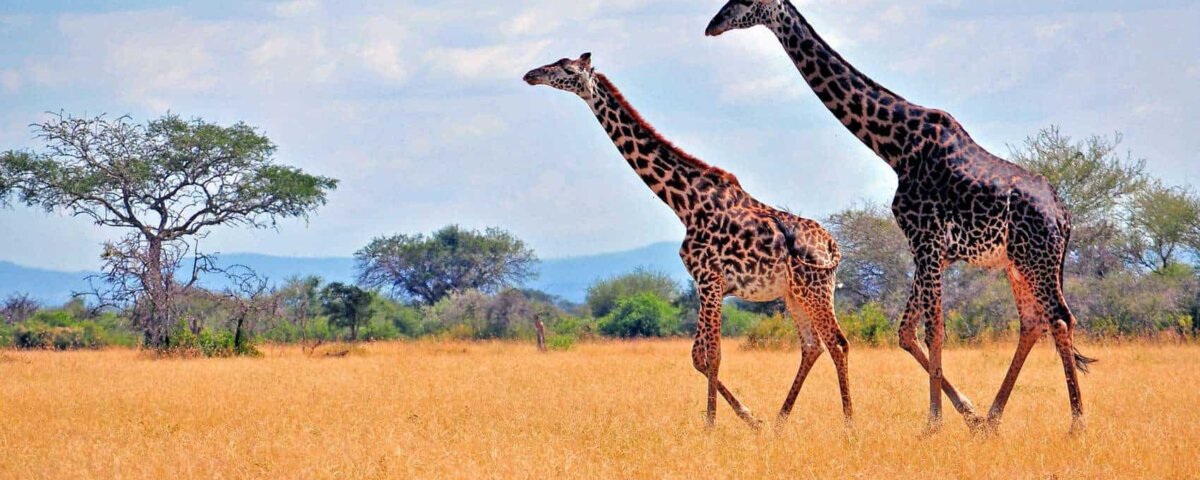
What Is the Best Month for Serengeti Safari
Planning a safari to Tanzania is an exciting experience, and many travelers ask the same important question: what is the best month for Serengeti safari? The answer depends on the wildlife experiences you want, your travel preferences, and the type of adventure you hope to enjoy. Serengeti National Park offers incredible game viewing throughout the year, but each season brings something unique. From the dramatic Great Migration to the peaceful calving season and outstanding predator sightings, every month creates unforgettable safari moments.
Unlike many destinations that have only one ideal travel season, the Serengeti rewards visitors during every part of the year. Wildlife follows natural rainfall patterns, creating changing landscapes and exciting opportunities that make each visit different. Whether you dream of seeing the Big Five, watching thousands of wildebeest cross the Mara River, or photographing newborn animals on the southern plains, understanding the seasons helps you choose the right travel dates.
With proper planning, every safari becomes an opportunity to experience one of Africa’s greatest wildlife destinations while creating memories that last a lifetime.
Why the Best Month Depends on Your Safari Goals
Before deciding what is the best month for Serengeti safari, it is important to think about what you want to experience. Different seasons offer different wildlife encounters, and each one appeals to a particular type of traveler.
Some visitors travel to witness the famous Great Migration, while others hope to enjoy peaceful game drives with fewer crowds. Wildlife photographers may prefer dramatic predator action, while families often choose months with pleasant weather and comfortable travel conditions.
Fortunately, Serengeti National Park supports abundant wildlife throughout the year. Permanent populations of lions, elephants, leopards, buffaloes, giraffes, zebras, cheetahs, hyenas, and many antelope species remain within the park regardless of the migration season.
Weather also influences the safari experience. Dry months usually make wildlife easier to spot because animals gather around rivers and waterholes. During the greener months, the scenery becomes especially beautiful, birds become more active, and many animals give birth to their young.
Understanding your personal travel priorities allows you to select the month that delivers the wildlife encounters and landscapes you have always imagined.
Visiting Serengeti From January to March
The first three months of the year are among the most rewarding times to visit Serengeti National Park. During this period, the southern plains become the center of attention as hundreds of thousands of wildebeest prepare for the calving season.
Between late January and early March, thousands of calves are born every day across the short grass plains. This remarkable natural event attracts predators including lions, cheetahs, hyenas, jackals, and leopards, creating exciting opportunities to observe wildlife behavior.
The landscape also looks fresh and green after seasonal rains. Wildflowers bloom across the plains, creating beautiful scenery that enhances wildlife photography. Birdwatchers especially appreciate this season because migratory birds join many resident species throughout the park.
Temperatures remain comfortable, and game drives offer excellent visibility across the open grasslands. Visitors often enjoy watching newborn wildebeest take their first steps only minutes after birth while their mothers protect them from nearby predators.
For travelers who enjoy dramatic wildlife interactions and beautiful landscapes, January through March provide one of the finest safari experiences available anywhere in Africa.
Exploring Serengeti Between April and June
April through June marks an important transition period as the Great Migration gradually moves toward Central Serengeti and the Western Corridor. Although these months receive occasional rainfall, they still offer rewarding safari experiences with fewer visitors than the peak season.
During April, the landscape remains lush and green, creating beautiful backgrounds for wildlife photography. Rivers flow strongly, vegetation flourishes, and animals spread across the plains where fresh grazing remains abundant.
As May and June progress, the migration begins forming larger herds while moving northwest toward the Grumeti River. This creates excellent opportunities to observe thousands of wildebeest traveling together across open landscapes.
Fewer safari vehicles during this period allow visitors to enjoy quieter wildlife encounters and more peaceful game drives. Accommodation prices may also be lower compared to the busiest months, offering excellent value for many travelers.
Although brief showers sometimes occur, they rarely prevent enjoyable game viewing. Instead, they help maintain the vibrant scenery that makes the Serengeti especially beautiful during this part of the year.
Why July to October Is the Peak Safari Season
Many safari experts consider July through October the most famous period for visiting Serengeti National Park. During these months, the Great Migration reaches Northern Serengeti, where dramatic Mara River crossings become one of Africa’s greatest wildlife spectacles.
Thousands of wildebeest gather along the riverbanks before suddenly rushing into the fast-moving water. Crocodiles wait beneath the surface, while lions, hyenas, and leopards patrol nearby. These dramatic moments attract photographers and wildlife enthusiasts from around the world.
Dry weather during these months also improves wildlife viewing. As water becomes less available across the plains, many animals gather around rivers and permanent water sources, making them easier to locate during game drives.
Clear skies, pleasant daytime temperatures, and reliable road conditions further enhance the safari experience. Visitors can spend long hours exploring the park while enjoying excellent visibility across the open landscapes.
Because this is the busiest safari season, accommodations often fill quickly. Booking well in advance helps travelers secure preferred lodges, camps, and experienced guides. Many visitors choose Giant Holiday Safaris to create personalized itineraries that maximize opportunities to experience the migration while exploring other remarkable wildlife areas throughout the Serengeti.
What to Expect From November to December
The final months of the year offer another rewarding opportunity to visit Serengeti National Park. During November and December, short seasonal rains begin returning to the region, encouraging the migration herds to gradually move south toward the nutrient-rich plains.
Although rainfall becomes more frequent, showers are usually brief and followed by sunshine. The landscape quickly transforms into vibrant shades of green, creating fresh grazing areas that attract large numbers of herbivores.
Birdwatchers especially enjoy this season because many migratory species arrive, adding even greater diversity to the Serengeti’s already impressive birdlife. Colorful kingfishers, bee eaters, storks, rollers, and birds of prey become common sights during game drives.
Wildlife viewing remains excellent because resident animals continue occupying their usual territories throughout the park. Lions, elephants, giraffes, buffaloes, zebras, leopards, and numerous antelope species can still be observed every day.
For travelers seeking beautiful scenery, comfortable temperatures, and fewer crowds than the peak migration season, November and December provide an excellent balance between wildlife viewing and peaceful safari experiences.
Choosing the Best Month for Wildlife Viewing
When deciding what is the best month for Serengeti safari, wildlife viewing should be one of your biggest considerations. Although Serengeti National Park offers excellent game viewing throughout the year, each season highlights different animal behaviors and natural events.
If your dream is to witness the Great Migration, the best months usually fall between July and October when the herds reach Northern Serengeti and prepare for the famous Mara River crossings. These dramatic moments attract photographers, filmmakers, and wildlife lovers from across the globe.
For travelers interested in newborn animals and predator activity, January through March offers an equally rewarding experience. During the calving season, the southern plains become full of life as thousands of wildebeest calves are born each day. Predators remain active throughout the area, creating remarkable wildlife encounters.
Central Serengeti provides another excellent option because resident wildlife remains abundant throughout every month of the year. Lions, leopards, elephants, buffaloes, giraffes, zebras, and many antelope species can be seen regardless of the migration’s location.
Choosing your travel month according to your wildlife interests ensures a safari that matches your expectations while providing unforgettable memories of Tanzania’s extraordinary natural heritage.
Tips for Planning Your Serengeti Safari
Planning ahead helps transform a good safari into an unforgettable adventure. Before selecting your travel dates, consider how long you want to stay, which wildlife experiences matter most, and whether you prefer quieter seasons or peak migration periods.
Booking several months in advance is highly recommended, especially if you plan to visit between July and October. During these months, popular safari camps and lodges often reach full capacity because of high demand.
Packing wisely also improves your overall experience. Neutral-colored clothing blends naturally with the environment while lightweight layers help you stay comfortable during cool mornings and warm afternoons. Comfortable walking shoes, sunscreen, insect repellent, binoculars, sunglasses, and a reusable water bottle are all useful additions.
Photography enthusiasts should carry extra batteries, memory cards, and a quality zoom lens for capturing wildlife from a safe distance. At the same time, remember to spend time simply enjoying the moment instead of viewing every experience through a camera.
Working with experienced safari specialists also makes planning much easier. A carefully designed itinerary helps you spend more time exploring wildlife and less time worrying about logistics.
How Weather Affects Your Serengeti Safari Experience
Weather plays an important role when deciding what is the best month for Serengeti safari, but it rarely prevents visitors from enjoying excellent wildlife viewing. Instead, seasonal weather creates different landscapes and influences where animals gather throughout the park.
During the dry season, vegetation becomes shorter and water sources become more limited. As a result, animals often concentrate around rivers and permanent waterholes, making wildlife easier to locate during game drives. Dusty roads and open grasslands also improve visibility across long distances.
The rainy seasons bring a completely different atmosphere. Fresh grass covers the plains, trees become greener, flowers bloom, and many bird species become more active. Wildlife spreads across larger areas because food and water become more widely available.
Rain showers are often short rather than continuous, especially during the short rains toward the end of the year. Safari activities usually continue without interruption, and many visitors appreciate the beautiful scenery that follows each rainfall.
Understanding these seasonal differences allows travelers to choose the conditions that best match their personal interests, photography goals, and preferred safari style.
Making the Most of Every Season on a Serengeti Safari
Every month in Serengeti National Park offers something unique, so making the most of your visit depends on embracing the opportunities each season provides. Rather than focusing only on one famous event, many experienced travelers appreciate the incredible variety found throughout the year.
During the calving season, visitors enjoy watching newborn animals while observing fascinating predator behavior. As the migration begins moving north, enormous herds create breathtaking scenes across the plains. Later in the year, the Mara River crossings provide unforgettable moments of excitement and survival.
Even outside the migration, resident wildlife ensures outstanding game viewing every day. Elephants wander through woodlands, lions rest beneath acacia trees, giraffes browse peacefully, and colorful birds brighten every landscape.
Taking time to appreciate the scenery also adds depth to the safari experience. Sunrises, sunsets, rocky kopjes, open grasslands, and winding rivers all contribute to the Serengeti’s timeless beauty.
Many visitors choose Giant Holiday Safaris because carefully planned itineraries help travelers experience the highlights of each season while exploring different regions of this extraordinary national park.
Find the Best Month for Your Serengeti Safari Adventure
If you have been asking what is the best month for Serengeti safari, the answer depends on the wildlife experiences you hope to enjoy. Fortunately, Serengeti National Park delivers remarkable adventures throughout the year, ensuring every visitor discovers something unforgettable.
Travelers seeking the Great Migration often choose July through October for the famous Mara River crossings, while January through March provides exceptional opportunities to witness the calving season. Those looking for year-round wildlife can confidently visit Central Serengeti during almost any month and still enjoy incredible sightings of the Big Five and countless other species.
The key to a successful safari lies in careful planning, realistic expectations, and choosing an itinerary that matches your travel goals. Every season reveals a different side of the Serengeti, making each journey unique and rewarding.
Giant Holiday Safaris creates personalized Tanzania safari experiences that help visitors choose the ideal travel season while exploring the extraordinary wildlife, landscapes, and natural wonders that make Serengeti National Park one of the world’s greatest safari destinations. No matter when you visit, the memories you create will remain with you for a lifetime.
Combined Uganda, Kenya, Rwanda and Tanzania Safaris
17 days Kenya Tanzania and Uganda safari
19 Days Uganda Kenya and Tanzania Safari
16 Days Kenya Tanzania and Uganda Safari
14 Days Kenya Uganda and Tanzania Safari
14 Days Kenya Uganda and Rwanda Safari