How Do Tanzania Safari Tours Work
June 2, 2026
Is Tanzania Safari Good for Honeymoon
June 2, 2026
What Is the Best Month for Tanzania Safari
Choosing the right time to visit Tanzania can significantly influence the quality of a safari experience. Many travelers planning their African adventure often ask, what is the best month for Tanzania safari because they want the highest chances of seeing wildlife, enjoying favorable weather, and maximizing the value of their trip. While Tanzania offers excellent safari opportunities throughout the year, certain months provide unique advantages depending on individual travel goals.
Tanzania is home to some of Africa’s most iconic wildlife destinations, including Serengeti National Park, Ngorongoro Crater, Tarangire National Park, and Lake Manyara National Park. These remarkable ecosystems support diverse animal populations and offer exceptional wildlife viewing experiences during different seasons. However, wildlife movements, rainfall patterns, and vegetation changes all influence what travelers can expect during their safari.
Understanding seasonal differences helps visitors choose the ideal travel period for their interests. Some travelers prioritize predator sightings, while others focus on the Great Wildebeest Migration, birdwatching opportunities, photography, or lower travel costs.
At Giant Holiday Safaris, we help travelers select the most suitable safari season based on their expectations and preferred experiences. This guide explains what is the best month for Tanzania safari, explores seasonal wildlife patterns, and helps visitors determine the perfect time for their dream African adventure.
Understanding Tanzania’s Safari Seasons
Before identifying the best month for a safari, it is important to understand Tanzania’s seasonal patterns. The country experiences distinct dry and wet seasons that influence wildlife visibility, road conditions, and overall safari experiences.
The dry season generally runs from June through October. During this period, rainfall decreases significantly, vegetation becomes thinner, and animals gather around rivers, waterholes, and permanent water sources. These conditions often create excellent wildlife viewing opportunities.
The wet season typically occurs from November through May, although rainfall intensity varies throughout this period. Short rains usually arrive between November and December, while heavier rains often occur from March through May.
Each season offers unique advantages. Dry months provide easier wildlife spotting and comfortable travel conditions. Wet months deliver lush landscapes, dramatic scenery, fewer visitors, and excellent birdwatching opportunities.
Understanding these seasonal patterns helps travelers choose safari dates that align with their personal interests and expectations.
Why July Is Often Considered the Best Month for Tanzania Safari
Many safari experts consider July one of the strongest candidates when discussing what is the best month for Tanzania safari. This month combines excellent weather conditions with exceptional wildlife viewing opportunities.
July falls during the heart of the dry season. Grass levels remain relatively low, making animals easier to spot across open landscapes. Water sources become increasingly important, encouraging wildlife to gather in predictable locations.
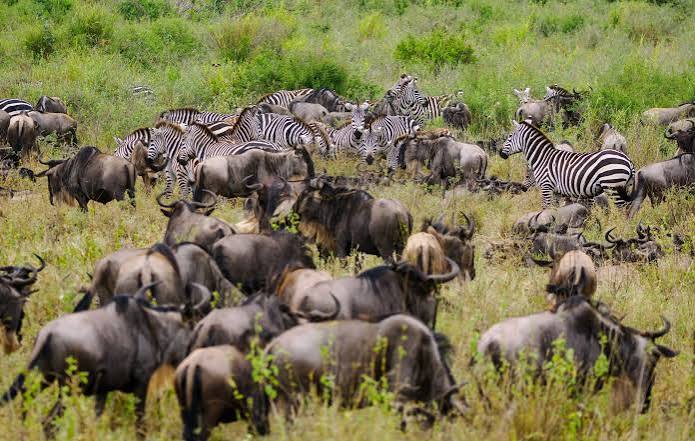
The Serengeti ecosystem becomes particularly active during this period. Large herds of wildebeest and zebras continue their migration journey, creating exciting opportunities for wildlife viewing and photography.
Temperatures remain comfortable throughout much of northern Tanzania. Daytime conditions support extended game drives, while cooler evenings provide pleasant relaxation after safari activities.
July also marks the beginning of peak safari season. Although visitor numbers increase, the outstanding wildlife experiences often justify the higher demand.
For travelers seeking a balance of favorable weather, abundant wildlife, and migration activity, July consistently ranks among Tanzania’s best safari months.
The Advantages of Visiting in August and September
August and September continue many of the excellent conditions established during July. These months remain part of Tanzania’s dry season and offer some of the year’s most reliable safari experiences.
Wildlife viewing often reaches exceptional levels because animals concentrate around limited water sources. Predators benefit from these conditions as well, increasing opportunities to observe natural hunting behavior.
The Great Wildebeest Migration remains one of the main attractions during this period. Depending on seasonal movements, travelers may witness dramatic river crossings and large herd gatherings.
Photographers particularly appreciate August and September because clear skies, good visibility, and golden light create ideal conditions for capturing wildlife images.
Road conditions remain favorable throughout most safari destinations. Travelers can access remote areas more easily, and game drives generally proceed without weather related interruptions.
For visitors seeking dependable wildlife encounters and excellent travel conditions, August and September provide outstanding safari opportunities across Tanzania’s major national parks.
Why June Is a Great Choice for a Tanzania Safari
June often receives less attention than July or August, yet it remains one of Tanzania’s most rewarding safari months. As the dry season begins, landscapes transition from lush green environments into more open habitats.
Wildlife becomes increasingly visible as vegetation thins and animals start concentrating around water sources. At the same time, parks remain less crowded compared to the peak months that follow.
Many travelers appreciate June because it combines strong wildlife viewing with a more relaxed atmosphere. Accommodation availability is generally better, and some safari packages may offer more competitive pricing than peak season departures.
The weather also remains highly favorable. Rainfall decreases significantly, roads improve, and temperatures support comfortable game drives throughout the day.
June represents an excellent option for travelers seeking a balance between value, wildlife activity, and pleasant travel conditions. It serves as a strong alternative for those who wish to avoid the busiest months while still enjoying outstanding safari experiences.
Exploring Tanzania During the Green Season
While many travelers focus on dry season safaris, Tanzania’s green season offers remarkable advantages. This period generally covers parts of November through May and transforms the landscape into a vibrant and beautiful environment.
Fresh vegetation creates stunning scenery, making this season particularly attractive for photographers. Green plains, flowering plants, and dramatic skies add visual richness to safari experiences.
Birdwatchers often consider this period one of the best times to visit Tanzania. Migratory birds arrive from different regions, significantly increasing species diversity throughout many parks.
Wildlife remains abundant despite thicker vegetation. Many animals give birth during this period, creating opportunities to observe young wildlife and natural family interactions.
The green season also attracts fewer visitors. As a result, travelers often enjoy quieter parks, more flexible accommodation choices, and reduced travel costs.
Although rainfall may occasionally affect schedules, many travelers appreciate the unique beauty and tranquility associated with Tanzania’s green season.
Best Months for the Great Wildebeest Migration
The Great Wildebeest Migration remains one of Africa’s most extraordinary wildlife spectacles. Understanding migration timing helps answer the question of what is the best month for Tanzania safari for travelers specifically interested in this event.
Migration movements vary each year because rainfall patterns influence herd behavior. However, general seasonal trends remain relatively predictable.
From January through March, many wildebeest gather in the southern Serengeti. This period often coincides with the calving season, creating excellent opportunities to observe newborn animals and predator interactions.
Between June and October, large herds move through central and northern Serengeti regions. During this phase, travelers may witness dramatic river crossings and large wildlife concentrations.
Each stage of the migration offers unique experiences. Therefore, the best month depends largely on which migration events travelers wish to observe during their safari.
Working with experienced operators such as Giant Holiday Safaris helps travelers select dates that maximize migration viewing opportunities.
Wildlife Viewing Throughout the Year
One of Tanzania’s greatest strengths is its ability to deliver rewarding wildlife experiences throughout the year. Although certain months offer specific advantages, no single period completely defines the country’s safari potential.
Resident wildlife populations remain active in Tanzania’s national parks regardless of season. Lions, elephants, buffaloes, giraffes, zebras, cheetahs, and countless other species continue attracting visitors year round.
Ngorongoro Crater provides exceptional wildlife viewing in every season due to its concentrated animal populations. Similarly, Tarangire National Park and Lake Manyara National Park offer rewarding experiences throughout much of the year.
Travelers should focus on their personal priorities when selecting safari dates. Weather preferences, migration interests, photography goals, budget considerations, and crowd levels all influence the ideal travel period.
Because Tanzania supports diverse ecosystems and abundant wildlife, visitors can enjoy meaningful safari experiences regardless of when they travel.
Factors That Influence the Best Month for Tanzania Safari
Several factors affect the answer to what is the best month for Tanzania safari. Understanding these influences helps travelers make more informed decisions.
Wildlife activity represents one of the most important considerations. Different seasons create varying opportunities for predator sightings, migration viewing, birdwatching, and photography.
Weather conditions also play a major role. Dry months typically provide easier wildlife viewing, while green season months offer more dramatic landscapes and fewer crowds.
Budget considerations can influence travel timing as well. Peak season generally brings higher accommodation rates and increased demand, while off peak periods often provide more affordable options.
Personal travel goals remain equally important. Families, photographers, birdwatchers, luxury travelers, and adventure seekers may all prefer different travel periods based on their interests.
By evaluating these factors carefully, travelers can identify the month that best matches their safari expectations.
Planning Your Safari with Giant Holiday Safaris
Selecting the right travel month requires local expertise and careful planning. At Giant Holiday Safaris, we help travelers understand seasonal wildlife patterns, migration movements, accommodation availability, and destination specific conditions.
Our team designs customized safari itineraries that align with individual interests and travel objectives. Whether travelers prioritize migration viewing, predator encounters, birdwatching, photography, family adventures, or luxury experiences, we provide personalized recommendations.
We also help visitors navigate seasonal pricing, transportation options, and accommodation choices. This guidance ensures travelers maximize value while enjoying exceptional wildlife experiences.
Our local knowledge allows us to recommend the best destinations for every season. By combining expertise with personalized service, we help guests enjoy rewarding and memorable journeys across Tanzania.
Through careful planning and professional support, travelers can confidently choose the perfect month for their safari adventure.
What Is the Best Month for Tanzania Safari and Why It Matters
Understanding what is the best month for Tanzania safari helps travelers plan more successful and rewarding wildlife adventures. While July often stands out due to excellent weather, abundant wildlife, and migration activity, several other months also offer exceptional experiences depending on individual goals.
June, August, and September provide outstanding wildlife viewing conditions, while the green season offers beautiful landscapes, excellent birdwatching, and fewer crowds. The ideal safari month ultimately depends on personal preferences, budget, and desired experiences.
Tanzania’s remarkable biodiversity ensures unforgettable wildlife encounters throughout the year. From the Great Wildebeest Migration to resident wildlife populations in Serengeti, Ngorongoro, Tarangire, and Lake Manyara, every season brings unique opportunities for exploration and discovery.
At Giant Holiday Safaris, we help travelers determine what is the best month for Tanzania safari based on their specific interests and expectations. With expert guidance and thoughtful planning, every safari can become an unforgettable journey through one of Africa’s most spectacular wildlife destinations.
Combined Uganda, Kenya, Rwanda and Tanzania Safaris
17 days Kenya Tanzania and Uganda safari
19 Days Uganda Kenya and Tanzania Safari
16 Days Kenya Tanzania and Uganda Safari
14 Days Kenya Uganda and Tanzania Safari
14 Days Kenya Uganda and Rwanda Safari