What Is Tarangire National Park Famous For
August 8, 2026
How Far Is Tarangire From Arusha?
August 8, 2026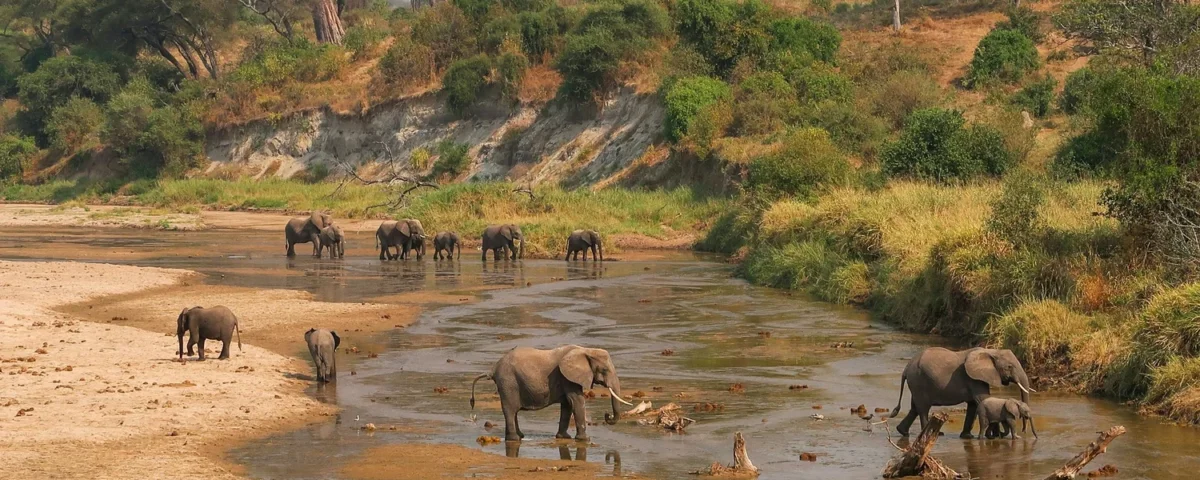
What Is the Best Time to Visit Tarangire
If you are planning a Tanzania safari for the first time, knowing what is the best time to visit Tarangire can help you build a better itinerary. Tarangire National Park offers excellent wildlife experiences throughout much of the year, but the landscape, weather, animal movement, and safari atmosphere change with the seasons. Understanding these changes allows you to choose travel dates that match your interests.
Tarangire is famous for its elephants, large baobab trees, open grasslands, and diverse wildlife. The park forms part of Tanzania’s northern safari circuit, making it easy to combine with destinations such as Ngorongoro and Serengeti. However, the best time for one traveler may not be the best time for another. Some visitors want dry weather and easier wildlife viewing. Others prefer green landscapes, fewer visitors, and potentially better value.
For first time visitors, planning around the seasons also helps determine how many nights to spend in the park. A short visit may work well during a season with concentrated wildlife, while a longer stay can provide a more relaxed experience during periods when animals spread across a wider area.
This guide explains Tarangire’s seasons, weather patterns, wildlife conditions, visitor levels, and itinerary options. By understanding these factors, you can decide what is the best time to visit Tarangire and plan a safari that fits your expectations.
Combined Uganda, Kenya, Rwanda and Tanzania Safaris
17 days Kenya Tanzania and Uganda safari
19 Days Uganda Kenya and Tanzania Safari
16 Days Kenya Tanzania and Uganda Safari
14 Days Kenya Uganda and Tanzania Safari
14 Days Kenya Uganda and Rwanda Safari
12 Day Gorilla Trekking and Tanzania Safari
Tarangire Weather Changes Throughout the Year
Tarangire experiences distinct wet and dry periods, and these seasonal changes strongly influence the safari experience. Instead of thinking about one perfect month, it helps to understand how weather affects the park throughout the year.
The dry season generally brings less rainfall and warmer daytime conditions. As water becomes less available in many surrounding areas, wildlife movement can become more concentrated around dependable water sources. This pattern often creates excellent game viewing opportunities.
The wet periods bring a different experience. Rain refreshes the landscape, grass grows, trees develop fresh leaves, and the park becomes greener. The scenery can look spectacular, especially for travelers who enjoy photography and natural landscapes.
Rain does not necessarily mean that your safari will become difficult. Showers can occur at different times, and many game drives continue normally. However, heavy rain can affect some roads and travel times. A knowledgeable local operator can choose practical routes according to current conditions.
Morning temperatures can feel cooler than expected, particularly during the dry months. Afternoons can become warm, while evenings may feel comfortable or cool depending on the season and your accommodation.
For first time visitors, these changes matter because weather influences what you pack, when you travel, how long you stay, and which parks you combine with Tarangire.
Rather than searching for a single perfect date, consider the type of safari you want. Your preferred weather and wildlife experience should guide your decision.
Why the Dry Season Attracts Many Safari Travelers
The dry season remains one of the most popular periods for visiting Tarangire. During this time, rainfall decreases and the landscape becomes drier. These conditions can make wildlife easier to locate and create comfortable conditions for extended game drives.
One major advantage involves water. As temporary water sources dry up, animals may gather around permanent or more reliable sources. The Tarangire River becomes particularly important within the park’s ecosystem. Elephants and other wildlife may spend more time around areas where water remains available.
Vegetation also becomes less dense in many areas. This can improve visibility during game drives because animals stand out more clearly against the landscape. Travelers often appreciate this advantage, especially when they visit Tanzania for the first time and want to see as much wildlife as possible.
The dry season can also provide good road conditions. With less rainfall, many safari routes remain easier to navigate. This can make longer game drives more comfortable and predictable.
However, popularity comes with a trade off. The dry season attracts more visitors, particularly during peak travel periods. Accommodation and safari services can experience higher demand, so travelers should book important arrangements early.
The landscape also looks different from the lush green environment seen after rainfall. Some travelers prefer the dry scenery because it creates classic safari views, while others prefer the fresh colors of the green season.
For first time visitors who prioritize wildlife viewing and generally drier conditions, the dry season can provide an excellent foundation for a Tarangire itinerary.
June to October: Best Time to Visit Tarangire for a Strong Period for Wildlife Viewing
June to October often appeals to travelers who want dry conditions and strong wildlife viewing opportunities. These months fall within the main dry season, making them popular for northern Tanzania safaris.
June can offer an attractive balance as the landscape begins to dry after the wetter period. The environment may still retain some greenery, while wildlife gradually becomes more concentrated around important water sources.
July and August often bring high demand because many international travelers visit Tanzania during this period. The weather generally supports long game drives, and wildlife viewing can be excellent. However, travelers should expect more visitors at popular safari areas.
September and October can also provide strong game viewing. The landscape becomes increasingly dry, and animals may rely more heavily on dependable water sources. For travelers focused on elephants and other large mammals, this period can be particularly appealing.
Temperatures vary during the day, so packing layers remains useful. Early morning game drives can feel cool, while afternoons can become warm.
Because these months are popular, first time visitors should avoid leaving their safari arrangements until the last minute. Good lodges and camps can fill quickly, particularly during busy travel periods.
A four or five day northern circuit itinerary can work well during this season. You can begin with Tarangire, continue toward Ngorongoro, and then travel to Serengeti if your schedule allows.
If your main goal involves reliable dry weather and strong wildlife viewing, June to October offers some of the best conditions to consider.
November to December: Green Landscapes and Seasonal Change
November and December bring a noticeable change to Tarangire as seasonal rains begin to refresh the landscape. These months can appeal to travelers who want greener scenery and a different safari atmosphere.
Rainfall can vary from year to year, so visitors should prepare for changing conditions. Short showers can occur while game drives continue, and sunny periods can return quickly. The rain also brings fresh vegetation, which transforms the appearance of the park.
Green landscapes create excellent opportunities for photography. Trees, grasses, and other plants take on fresh colors, while clouds can add dramatic backgrounds to wildlife images.
The return of rain also affects animal movement. Water becomes more available across the wider ecosystem, so wildlife may spread into different areas rather than concentrating around permanent water sources.
For some travelers, this means the safari requires more patience. Instead of expecting animals to gather in one area, your guide may explore different habitats while searching for wildlife.
The quieter atmosphere can become another advantage. Visitor numbers may differ from the busiest periods, giving some travelers a more relaxed experience.
November and December can work well for people who value scenery, flexibility, and a less crowded safari atmosphere. They can also fit into broader Tanzania holiday plans around the end of the year.
If you choose this period, pack lightweight rain protection and clothing that dries reasonably quickly. Most importantly, maintain flexible expectations. Rain does not remove the magic of a safari. Instead, it creates a different version of Tarangire.
January to March: Green Season With Excellent Safari Potential
January to March offers another interesting period for travelers considering what is the best time to visit Tarangire. The park can remain green, while wildlife continues to provide rewarding safari experiences.
Rainfall patterns vary, and some periods can feel relatively dry compared with the main rainy months. This variation makes the season attractive to travelers who want greener scenery without necessarily committing to the wettest part of the year.
The fresh vegetation creates beautiful views across Tarangire. Baobab trees, grasslands, and woodland areas take on a different appearance compared with the dry season. Photographers often appreciate the softer colors and dramatic skies.
Wildlife remains present throughout the park. However, animals may not concentrate around water sources as strongly as they do during the driest months. This means your guide may need to cover different areas during game drives.
The season can also fit well into a northern Tanzania itinerary that includes other destinations. Travelers with more time can combine Tarangire with Ngorongoro and Serengeti.
January to March can also provide a more varied experience for travelers who want to see Tanzania beyond the classic dry season landscape. You can enjoy wildlife while also experiencing changing vegetation and seasonal activity.
For first time visitors, this period works best when you value scenery and a more natural seasonal atmosphere. A flexible itinerary gives your guide enough time to respond to local conditions.
If you want a green Tarangire experience with good safari potential, January to March deserves serious consideration.
April and May: Best Time to Visit Tarangire During the Long Rains?
April and May generally fall within Tanzania’s long rainy season. These months receive more rainfall than many other periods, so travelers should consider weather and road conditions carefully before booking.
However, the long rains do not mean that Tarangire becomes unavailable. Safari experiences can still take place, and the landscape can look incredibly fresh and beautiful. Green vegetation covers much of the park, creating a strong contrast with the dry season.
The main consideration involves flexibility. Rain can affect road conditions and travel times, particularly after heavier showers. A well planned itinerary should allow enough time between destinations instead of relying on very tight schedules.
The wet season also changes wildlife movement. With water available across a larger area, animals can spread out. Therefore, travelers may need more patience during game drives.
Birdwatchers can find the green period particularly rewarding because seasonal bird activity can add another dimension to the safari experience. The landscape also supports a wide range of plant life during this period.
Fewer visitors can create a quieter atmosphere. Travelers who dislike crowded safari routes may appreciate this advantage.
If you decide to visit in April or May, choose an experienced local safari company that understands seasonal road conditions and can adjust routes when necessary. Accommodation choices should also be researched carefully.
For first time visitors who want predictable dry conditions, these months may not provide the easiest option. However, travelers who enjoy lush scenery, fewer crowds, and a quieter safari may find the long rains surprisingly rewarding.
When Is the Best Time to See Elephants in Tarangire on your Visit?
Elephants remain one of Tarangire’s greatest attractions, and seasonal water availability influences their movement. Travelers who specifically want to see elephants should understand how the dry and wet periods affect their behavior.
During the dry season, water becomes increasingly important. Animals may gather around reliable water sources, including areas connected to the Tarangire River. This concentration can create excellent opportunities for elephant sightings.
Elephant herds may move through open grasslands, woodland, and areas around water. Their large size makes them relatively easy to recognize, but locating a herd still requires a skilled guide and patience.
During wetter periods, water becomes more widely available. Elephants may spread across a larger area because they do not need to remain close to permanent water sources. This does not mean you cannot see them. Instead, the viewing experience can become more unpredictable.
First time visitors should avoid focusing entirely on finding elephants. Tarangire supports many other animals, and a game drive can produce unexpected sightings. A patient approach often creates a richer safari experience.
The best time for elephants therefore depends on whether you prefer concentrated wildlife viewing or a greener landscape with more dispersed animal movement.
If elephants represent your main safari priority, the dry months can provide strong conditions. If you prefer green scenery and are comfortable with more searching, the wetter periods can still deliver memorable encounters.
How Seasonal Weather Should Shape Your Safari Itinerary
Your travel season should influence more than your packing list. It should also shape the structure of your Tanzania safari itinerary.
During the dry season, you can plan longer game drives because roads often provide favorable conditions. You may also choose to spend more time exploring Tarangire before continuing toward Ngorongoro or Serengeti.
During wetter periods, allow more flexibility between destinations. Rain can sometimes increase road travel times, so a relaxed schedule helps prevent unnecessary pressure.
Your accommodation choices should also match the season. Some travelers prefer permanent lodges, while others enjoy tented camps that provide a closer connection with nature. Ask your safari operator about the suitability of each option for your travel dates.
The number of nights also matters. A one day Tarangire visit can work for travelers with limited time, especially when conditions are favorable. However, spending two nights allows more time for game drives and reduces the feeling of rushing.
For a first time visitor, a four to seven day northern circuit itinerary can provide a balanced introduction to Tanzania. You can start with Tarangire, continue to Ngorongoro, and then explore Serengeti.
If you have fewer days, focus on fewer parks instead of trying to see everything. Spending meaningful time in two destinations can create a better experience than rushing through four.
Seasonal planning should therefore connect weather, travel time, wildlife movement, accommodation, and your personal interests.
What Should You Pack for a Tarangire Safari?
Your packing list should reflect the season in which you visit Tarangire. Tanzania’s weather can change during the day, so practical clothing often works better than packing for only one temperature.
During cooler mornings, layers can make early game drives more comfortable. A light jacket or warm outer layer can help before temperatures rise.
During warmer periods, lightweight clothing provides better comfort. A hat, sunglasses, and sunscreen also offer useful protection from strong sunlight.
During rainy periods, carry a lightweight waterproof jacket or rain protection. Choose footwear that remains comfortable if paths or surfaces become wet.
Binoculars can improve wildlife viewing, especially when animals remain farther from the vehicle. A camera can help capture memories, although visitors should always remember to enjoy the experience beyond the lens.
A reusable water bottle helps you stay hydrated during long game drives. Personal medication, insect protection, and essential travel documents should also remain accessible.
Neutral colored clothing works well for safari because it blends naturally into the environment. Avoid packing only heavy clothing because daytime temperatures can become warm.
Your safari operator can provide additional advice based on your exact travel dates. Local guidance remains valuable because conditions can vary between seasons and locations.
Good preparation does not require expensive equipment. The goal involves staying comfortable, protected, and ready for changing conditions.
When you pack according to the season, you can focus more fully on the wildlife and scenery that make Tarangire special.
How to Choose the Best Tarangire Itinerary for Your Travel Dates
Choosing the right itinerary becomes easier once you know what you want from the safari. Start by identifying your travel dates and the weather conditions you prefer. Then consider how many days you can comfortably spend on safari.
If you travel during the dry season and want strong wildlife viewing, a Tarangire itinerary can include one or two full days in the park before continuing to Ngorongoro.
If you travel during the green season, consider allowing additional time. Wildlife may spread across wider areas, so extra game drive time can improve the overall experience.
Travelers with three days can create a focused itinerary around Tarangire and Ngorongoro. Those with four to seven days can add Serengeti for a broader northern Tanzania experience.
Your arrival and departure points also matter. Travelers arriving through Kilimanjaro International Airport can connect conveniently with the northern circuit. Those staying in Arusha can begin with a day trip to Tarangire.
Do not overload your itinerary. Long road journeys between destinations can reduce the time available for game viewing. A good itinerary balances travel, wildlife, rest, and accommodation.
First time visitors should also consider what happens after the safari. If you plan to visit Zanzibar, climb Mount Kilimanjaro, or continue to another destination, leave enough time between activities.
A professional local safari company can match your itinerary to seasonal conditions and your travel priorities. This approach creates a more practical journey than simply choosing parks from a list.
The best itinerary is one that gives you enough time to enjoy each destination without constantly watching the clock.
Planning Your Tarangire Safari With Giant Holiday Safaris
Planning a Tanzania safari from another country can feel complicated, especially when you are visiting for the first time. Seasonal weather, park distances, accommodation choices, airport transfers, and wildlife expectations all require careful consideration.
Giant Holiday Safaris can help travelers create an itinerary based on their travel dates and personal interests. Instead of treating every traveler the same way, a professional local operator can consider whether you prioritize wildlife, scenery, photography, comfort, budget, or a combination of these factors.
Local knowledge becomes especially useful when weather conditions change. Guides and safari planners understand how seasonal conditions can affect roads, wildlife movement, and travel times. They can therefore help create a practical route.
For example, a traveler visiting during the dry season may benefit from spending more time around areas where wildlife concentrates. Another traveler visiting during the green season may prefer an itinerary that gives more time for photography and exploring different habitats.
Giant Holiday Safaris can also coordinate accommodation, transportation, professional driver guides, airport transfers, and onward travel. This makes the safari easier to manage from the moment you arrive in Tanzania.
A reliable safari company should also explain the costs and inclusions clearly. Travelers should understand what they are paying for before confirming their trip.
Most importantly, your safari should reflect your travel goals. The right itinerary does not simply include famous parks. It creates a logical journey that makes good use of your available time.
With thoughtful planning, first time visitors can enjoy Tarangire in a way that matches the season and creates a comfortable, rewarding Tanzania safari.
So, What Is the Best Time to Visit Tarangire?
So, what is the best time to visit Tarangire? For travelers who prioritize dry weather, easier wildlife viewing, and strong opportunities to see elephants around important water sources, the dry season from June to October offers some of the most favorable conditions. However, that does not make the rest of the year unsuitable.
November to March can appeal to travelers who prefer greener landscapes and a changing safari environment. The scenery becomes fresh and vibrant, while wildlife remains present across the park. April and May bring heavier rains, but they can offer beautiful scenery, fewer visitors, and a quieter atmosphere for travelers who do not mind wetter conditions.
For first time visitors, the best decision depends on the experience you want. If reliable dry weather matters most, consider the main dry season. If green landscapes and fewer crowds appeal to you, consider the wetter or shoulder periods.
Your itinerary should then reflect those conditions. Give yourself enough time for game drives, avoid unnecessary long journeys, and combine Tarangire with other northern Tanzania destinations when your schedule allows.
Giant Holiday Safaris help you adjust the route according to your travel dates, budget, and wildlife interests. This support becomes especially valuable when seasonal conditions change.
Ultimately, what is the best time to visit Tarangire depends on your personal safari goals. With the right season, a well planned itinerary, and realistic expectations, Tarangire can provide an unforgettable introduction to Tanzania’s wildlife, landscapes, and natural beauty.