What Are the Best Nairobi Safari Tours?
July 7, 2026
Which Serengeti Safari Lodge Is Best
July 8, 2026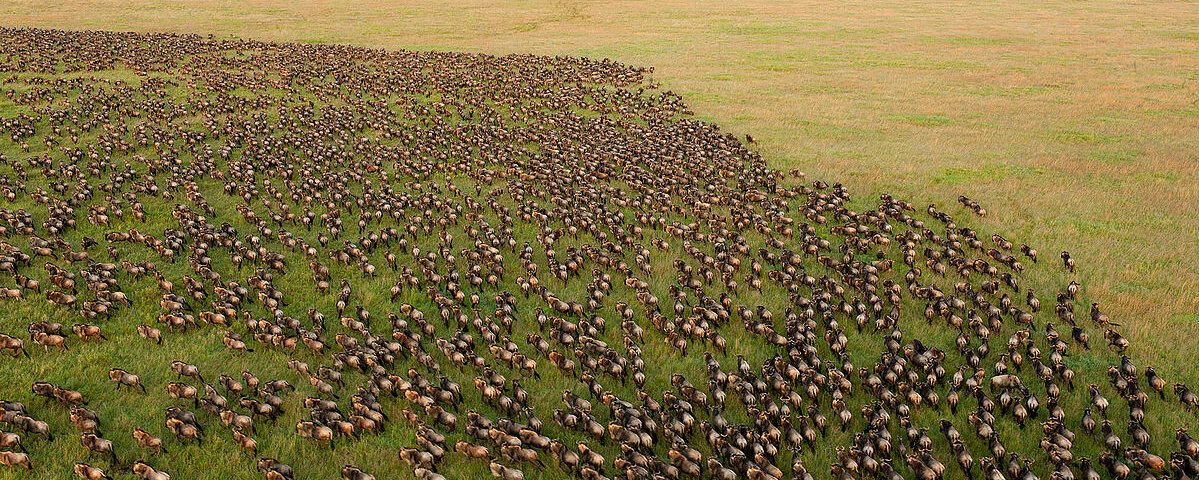
What Is the Great Migration in Serengeti
Every year, one of the world’s greatest wildlife events transforms the endless plains of northern Tanzania into a breathtaking natural spectacle. For travelers wondering what is the Great Migration in Serengeti, it is an extraordinary journey involving more than two million wildebeest, hundreds of thousands of zebras, and thousands of gazelles as they move across the Serengeti ecosystem in search of fresh grazing and reliable water. This remarkable cycle follows seasonal rainfall and supports one of the richest wildlife ecosystems on Earth.
The Great Migration is much more than a movement of animals. It is a continuous survival story where predators and prey share the same landscape, creating dramatic wildlife encounters every day. Lions, leopards, cheetahs, hyenas, crocodiles, and other predators follow the migrating herds, making every safari unique and unforgettable.
Visitors from around the world travel to Serengeti National Park to witness this incredible event because no other wildlife migration matches its size, scale, or beauty. Whether you visit during the calving season, the dramatic river crossings, or the return journey across the plains, the migration offers unforgettable safari experiences throughout the year.
Why the Great Migration in Serengeti Is World Famous
The Great Migration has earned global recognition because it represents one of nature’s most remarkable wildlife events. Every year, millions of animals move together across vast grasslands, creating an ever-changing landscape filled with movement, excitement, and extraordinary wildlife encounters.
Unlike seasonal migrations that happen over short distances, the Great Migration follows a continuous circular route through the Serengeti ecosystem and neighboring Maasai Mara in Kenya. The animals travel hundreds of kilometers while searching for nutritious grass and dependable water sources. Their journey never truly ends because changing weather patterns constantly influence where fresh grazing becomes available.
The migration also creates exceptional opportunities for predator activity. Lions quietly stalk the open plains, cheetahs use their incredible speed to hunt, leopards wait patiently in trees, and crocodiles prepare for dramatic river crossings. Every stage of the migration reveals different wildlife interactions that attract photographers, conservationists, and safari enthusiasts from across the globe.
Beyond the spectacular wildlife viewing, the Great Migration highlights the importance of healthy ecosystems and protected conservation areas. The survival of millions of animals depends on preserving these natural habitats, making the Serengeti one of Africa’s most valuable conservation success stories.
How the Great Migration Begins
The Great Migration follows nature’s rhythm rather than a fixed calendar. Seasonal rainfall determines where fresh grass grows, encouraging millions of grazing animals to begin moving across the Serengeti ecosystem in search of food and water.
The journey often begins in the southern Serengeti and the Ndutu region during the calving season, which usually occurs between January and March. During this remarkable period, hundreds of thousands of wildebeest calves are born within just a few weeks. The abundance of newborn animals provides excellent feeding opportunities for predators while also demonstrating the incredible survival instincts of the herds.
Shortly after calving, the herds gradually begin moving northwest as grazing conditions change. Fresh rainfall creates new feeding areas, encouraging animals to continue their journey across the open plains. Although individual animals make local decisions, the entire migration behaves almost like one enormous living system responding to environmental changes.
The migration never completely stops. Even when large herds appear settled in one location, smaller groups continue moving in response to weather conditions. This continuous movement explains why every month offers a different migration experience for visitors exploring Serengeti National Park.
The Annual Migration Route Across the Serengeti Ecosystem
Understanding the migration route helps travelers appreciate why there is no single “best” location to witness the Great Migration. Instead, wildlife moves through different regions of the Serengeti throughout the year, creating unique safari opportunities in every season.
The journey usually begins in the southern grasslands during the calving season. As food becomes less abundant, the herds gradually travel west and then north through the central Serengeti. During these months, visitors often witness enormous columns of wildebeest stretching across the horizon.
By midyear, many herds approach the Grumeti River before continuing toward the northern Serengeti. Eventually, thousands of animals attempt dramatic crossings of the Mara River, where powerful crocodiles wait beneath the water. These river crossings have become some of the most famous wildlife scenes in the world because they combine danger, determination, and survival in unforgettable moments.
Later in the year, seasonal rains encourage the animals to begin their return journey toward southern Tanzania. This circular movement repeats every year while adapting naturally to rainfall and environmental conditions rather than following exact dates.
Because the migration covers such a large area, experienced safari planning greatly improves the chances of witnessing the most exciting wildlife events.
Best Time to Experience the Great Migration in Serengeti
Many travelers ask what is the Great Migration in Serengeti because they also want to know when they should visit. Fortunately, the migration offers remarkable wildlife viewing throughout the year, although each season provides a different experience.
From January through March, visitors witness the calving season in the southern Serengeti. Thousands of newborn wildebeest arrive each day, attracting predators and creating exciting wildlife encounters. This period also offers beautiful green landscapes following seasonal rains.
Between April and June, the herds gradually move toward the western corridor while continuing their search for fresh grazing. Large groups travel together across the plains, allowing visitors to appreciate the enormous scale of the migration.
From July through October, many travelers hope to witness the famous Mara River crossings in the northern Serengeti. These dramatic moments feature thousands of wildebeest entering crocodile-filled rivers while predators wait nearby.
During November and December, the animals begin returning south as new rainfall encourages fresh grass growth. Although river crossings have ended, visitors continue enjoying impressive wildlife viewing as the migration completes another stage of its remarkable annual cycle.
Rather than asking for one perfect month, travelers should choose the season that best matches the wildlife experiences they hope to enjoy.
Wildlife You Can See During the Migration
Although wildebeest dominate the Great Migration, countless other animals contribute to this extraordinary natural event. Every safari offers opportunities to observe fascinating relationships between predators, herbivores, birds, and smaller wildlife species throughout the Serengeti ecosystem.
Zebras travel alongside wildebeest because they graze on different parts of the same grasses. Their combined feeding habits actually improve grazing conditions for both species. Thomson’s gazelles and Grant’s gazelles also join sections of the migration while benefiting from the safety provided by large numbers.
Predators remain one of the biggest attractions during migration season. Lions patrol the grasslands, cheetahs hunt across open plains, leopards quietly observe from trees, and spotted hyenas constantly search for opportunities to capture vulnerable prey.
Large Nile crocodiles become especially active during river crossings, while vultures, eagles, and other birds quickly gather wherever predators make successful kills. These interactions demonstrate the complex balance that keeps the Serengeti ecosystem healthy.
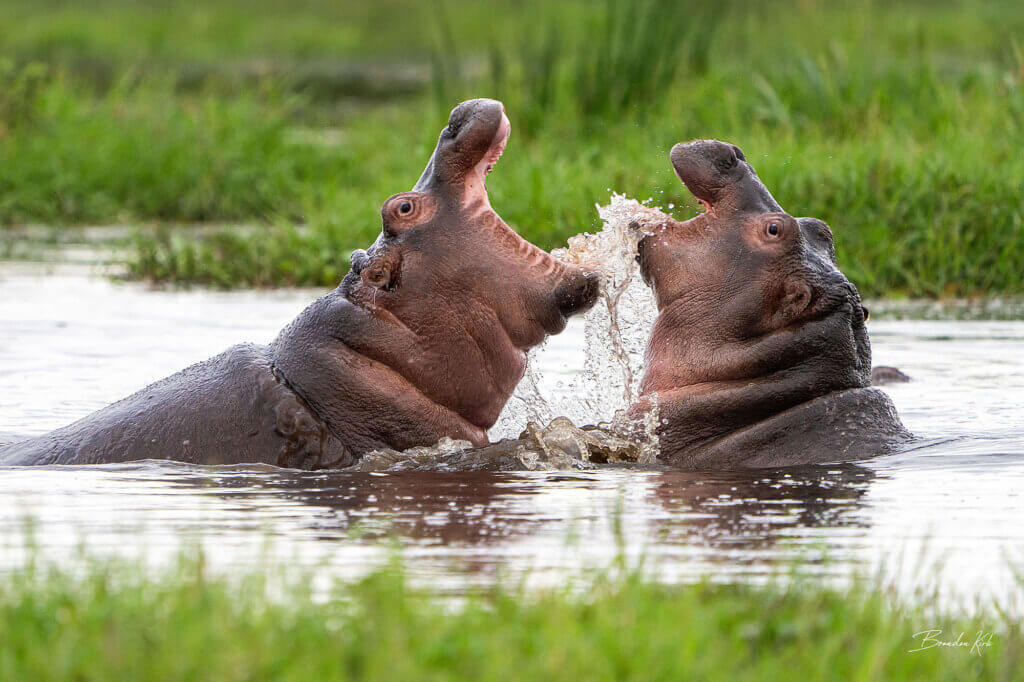
Beyond the migration itself, visitors regularly encounter elephants, giraffes, buffaloes, hippos, warthogs, jackals, baboons, and hundreds of bird species. Together, these animals transform every game drive into an unforgettable wildlife experience that extends far beyond the famous migrating herds.
Choosing the Best Safari for the Great Migration
Choosing the right safari experience can make a remarkable difference when following the Great Migration. Although every visitor enters the same incredible ecosystem, the type of safari you choose influences how much wildlife you see, how much time you spend observing animals, and how comfortable your journey becomes.
Private safaris provide flexibility and personalized experiences. Guides can adjust daily schedules according to wildlife movements, spend extra time at exciting sightings, and tailor each game drive to your interests. This option works especially well for photographers, families, honeymooners, and travelers celebrating special occasions.
Shared safaris remain an excellent choice for visitors seeking outstanding value. Travelers enjoy experienced guides, comfortable safari vehicles, and opportunities to meet people from around the world while sharing unforgettable wildlife moments.
Fly in safaris allow guests to reach different areas of the Serengeti quickly, giving them more time to experience the migration instead of spending long hours traveling by road. This option becomes especially valuable when the herds are located in remote parts of the park.
Selecting accommodations near seasonal migration routes also increases the chances of witnessing spectacular wildlife activity. Careful planning allows visitors to experience the migration at the right place and the right time.
Photography Tips for the Great Migration
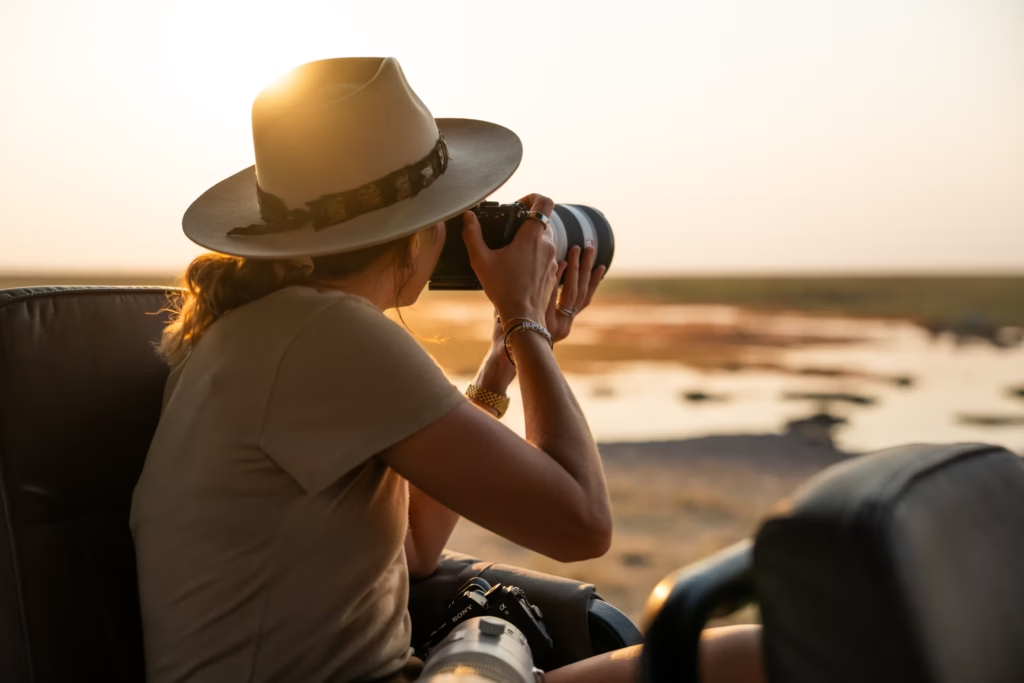
Photographing the Great Migration is one of the highlights of a Serengeti safari. Every day presents opportunities to capture breathtaking landscapes, dramatic wildlife interactions, and unforgettable moments that tell the story of Africa’s greatest wildlife spectacle.
The best lighting usually appears during the first hours after sunrise and shortly before sunset. Soft natural light creates beautiful colors while reducing harsh shadows across the plains. These conditions also coincide with increased wildlife activity, allowing photographers to capture animals behaving naturally.
Preparation is equally important. Keeping your camera ready ensures you never miss unexpected wildlife encounters. Fast-moving wildebeest, hunting predators, and river crossings often happen with little warning.
Patience remains one of the most valuable photography skills. Instead of rushing from one sighting to another, waiting quietly often rewards photographers with natural animal behavior and unique compositions.
While photographing wildlife, always respect the animals and follow your guide’s instructions. Responsible photography protects both visitors and wildlife while supporting sustainable tourism practices.
Do not forget to photograph the surrounding scenery as well. Vast grasslands, dramatic sunsets, acacia trees, rivers, and colorful skies help tell the complete story of your Serengeti adventure.
Why Conservation Matters for the Migration
The Great Migration continues today because dedicated conservation efforts protect the Serengeti ecosystem and the wildlife that depends on it. Without healthy habitats and strong environmental management, this extraordinary natural event could not survive.
Serengeti National Park forms part of one of Africa’s largest protected ecosystems. Wildlife moves freely across enormous landscapes that provide food, water, breeding grounds, and migration corridors throughout the year.
Park authorities, conservation organizations, researchers, and surrounding communities work together to protect wildlife from illegal hunting, habitat destruction, and environmental pressures. Their combined efforts help preserve biodiversity while ensuring future generations can continue experiencing this remarkable migration.
Responsible tourism also contributes directly to conservation. Park entrance fees support ranger patrols, scientific research, habitat management, infrastructure maintenance, and community development initiatives. Every visitor helps strengthen wildlife protection simply by choosing responsible safari experiences.
Travelers can further support conservation by respecting park regulations, avoiding litter, remaining inside designated safari areas, and observing animals without disturbing their natural behavior. Every responsible decision contributes to preserving one of the world’s greatest wildlife spectacles.
Planning Your Serengeti Adventure
Careful planning helps visitors experience the migration at its very best. Since the herds move throughout the year, understanding seasonal wildlife patterns allows travelers to select travel dates that match their personal interests.
The first step involves deciding which migration event you hope to witness. Some travelers dream of seeing thousands of newborn calves during the calving season, while others prefer the dramatic Mara River crossings or the impressive movement of endless herds across open plains.
The length of your safari also matters. Spending at least four to six days in the Serengeti increases your chances of experiencing different wildlife encounters while allowing guides enough flexibility to follow the migration.
Packing appropriately also improves your overall experience. Lightweight clothing in neutral colors, comfortable walking shoes, binoculars, hats, sunscreen, reusable water bottles, and quality camera equipment all contribute to enjoyable game drives.
Many visitors choose Giant Holiday Safaris to create customized itineraries that combine Serengeti National Park with destinations such as Ngorongoro Crater, Tarangire National Park, and Lake Manyara National Park. Personalized planning helps travelers maximize wildlife viewing while enjoying comfortable accommodations and smooth travel arrangements.
Experience the Great Migration in Serengeti With Confidence
Understanding what is the Great Migration in Serengeti allows travelers to appreciate why this remarkable event remains one of the greatest wildlife spectacles on Earth. Millions of wildebeest, zebras, and gazelles continue their annual journey across the Serengeti ecosystem, creating unforgettable moments that showcase the beauty, power, and resilience of nature.
Every stage of the migration offers something unique. The calving season introduces thousands of newborn animals to the plains, while the long journey north reveals spectacular predator interactions and breathtaking landscapes. The famous river crossings demonstrate determination and survival as massive herds overcome one of their greatest challenges before eventually returning south to begin the cycle once again.
Beyond the migration itself, Serengeti National Park offers exceptional opportunities to see the Big Five, hundreds of bird species, stunning scenery, and one of Africa’s richest wildlife ecosystems. Every safari combines adventure, education, and unforgettable memories while supporting valuable conservation efforts that protect these natural treasures.
For travelers seeking expertly planned safari experiences, Giant Holiday Safaris creates personalized itineraries that follow seasonal wildlife movements and individual travel goals. Whether you are visiting Tanzania for the first time or returning to witness another chapter of this incredible journey, understanding what is the Great Migration in Serengeti marks the beginning of an unforgettable African safari filled with discovery, inspiration, and lifelong memories.
Combined Uganda, Kenya, Rwanda and Tanzania Safaris
17 days Kenya Tanzania and Uganda safari
19 Days Uganda Kenya and Tanzania Safari
16 Days Kenya Tanzania and Uganda Safari
14 Days Kenya Uganda and Tanzania Safari
14 Days Kenya Uganda and Rwanda Safari