Which Safari Park Has the Highest Animal Density
August 1, 2026
Can you travel to Kenya during rainy season?
August 3, 2026
What Is the Rainy Season in Kenya?
Kenya stands among the most remarkable tourism destinations in Africa, offering breathtaking landscapes, diverse wildlife, rich cultures, and unforgettable safari experiences throughout the year. Many travelers often plan their visits around the dry seasons because they associate sunshine and clear skies with better adventures. However, Kenya’s rainy season creates a unique travel experience that reveals another side of the country’s natural beauty. During these months, the land transforms into a green paradise, wildlife ecosystems become more active, and visitors enjoy peaceful experiences away from peak tourist crowds.
Understanding the rainy season in Kenya helps travelers make informed decisions about when to visit, where to go, and what experiences to expect. Kenya does not experience rainfall in the same way across all regions. The coastal areas, highlands, savannahs, and northern landscapes each follow different weather patterns because of variations in altitude, geography, and climate conditions. Therefore, knowing the timing and characteristics of Kenya’s rainy periods allows visitors to plan their journeys with confidence.
Kenya experiences two main rainy seasons: the Long Rains, which usually occur from March to May, and the Short Rains, which generally take place between October and December. Each season brings different advantages and challenges. The Long Rains produce heavier rainfall, creating vibrant landscapes and supporting strong ecosystem recovery after the dry months. The Short Rains usually arrive with lighter showers that refresh the environment while maintaining excellent travel opportunities.
For safari lovers, photographers, birdwatchers, honeymoon travelers, and adventure seekers, the rainy season offers incredible opportunities that many people overlook. Green scenery, dramatic skies, newborn animals, fewer crowds, and lower travel costs make this period highly attractive. Additionally, experienced travelers understand that rain does not stop adventure in Kenya. Instead, it adds beauty, freshness, and a deeper connection with nature.
This guide explores everything travelers need to know about Kenya’s rainy season, including when it happens, how it affects wildlife, the best activities during this period, travel preparation tips, and why the rainy months can provide some of Africa’s most memorable experiences.
Kenya’s Climate: Why Rainfall Patterns Differ Across the Country
Kenya’s climate remains diverse because the country combines several geographical features, including mountains, lakes, forests, grasslands, deserts, and a long Indian Ocean coastline. Although Kenya sits near the equator, its weather does not remain the same throughout the year. Instead, different regions experience unique rainfall patterns influenced by elevation, wind systems, and natural landscapes.
The central highlands around Mount Kenya receive cooler temperatures and more rainfall because of their higher elevation. These areas support fertile agricultural lands, dense forests, and beautiful mountain scenery. In contrast, northern Kenya experiences a much drier climate because the region receives limited rainfall and contains semi-arid landscapes. Destinations such as Samburu and parts of Turkana often remain significantly drier compared with western and central areas.
The Kenyan coast experiences a tropical climate influenced by the Indian Ocean. Locations such as Mombasa, Diani Beach, and Malindi experience warm temperatures throughout the year, although rainfall increases during specific months. Coastal rains often arrive as short tropical showers followed by sunshine, allowing visitors to continue enjoying beach activities, marine experiences, and cultural exploration.
Western Kenya receives more consistent rainfall because of moisture from Lake Victoria and surrounding landscapes. Areas around Kakamega, Kisumu, and western national parks benefit from regular precipitation that supports forests, wetlands, and rich biodiversity.
Because Kenya contains many different ecosystems, rainfall should never be viewed as a nationwide condition. A rainy forecast in one destination does not always mean every tourist location experiences the same weather. For example, while Nairobi may receive afternoon showers, parts of northern Kenya may remain dry.
This regional diversity creates an advantage for travelers. Even during rainy months, visitors can select destinations that match their interests. Whether someone wants wildlife encounters, beach relaxation, mountain adventures, or cultural experiences, Kenya continues offering rewarding opportunities throughout the year.
When Does the Rainy Season Start and End in Kenya?
Kenya experiences two major rainy seasons each year. These seasons follow natural climate cycles that influence agriculture, wildlife behavior, vegetation growth, and tourism activities. Understanding these periods allows travelers to choose the best time for their preferred experiences.
The first rainy season is known as the Long Rains. This season usually begins in March and continues until May. Among these months, April typically receives the highest rainfall in many parts of the country. During this period, rainfall becomes more frequent, especially in the afternoon and evening. However, many mornings remain clear and suitable for outdoor activities, including safari drives and sightseeing.
The second rainy season is known as the Short Rains. This period generally occurs between October and December. Compared with the Long Rains, the Short Rains usually bring shorter and less intense showers. November often experiences increased rainfall, while October and December may have more unpredictable weather patterns.
Between these rainy periods, Kenya experiences relatively drier seasons. January and February are usually warm and dry months, while June through September often provides cooler and drier conditions that attract many international safari visitors.
Although these patterns remain reliable, modern climate changes have caused some variations. Rainfall may arrive earlier, later, or with different intensity depending on yearly weather conditions. Therefore, travelers should always consider updated forecasts when planning their journeys.
The rainy season does not mean constant storms or continuous bad weather. Instead, Kenya’s rainfall often follows a pattern of short showers followed by clear periods. This allows visitors to continue exploring national parks, enjoying cultural experiences, and discovering the country’s natural beauty.
For travelers who appreciate fewer crowds, beautiful scenery, and authentic experiences, the rainy months can provide an exceptional opportunity to explore Kenya from a different perspective.
What Happens During Kenya’s Long Rains?
The Long Rains represent the most significant rainy period in Kenya, usually occurring from March to May. This season plays an essential role in maintaining the country’s natural ecosystems because it restores water sources, supports plant growth, and prepares the environment for another cycle of wildlife activity. Although some travelers hesitate to visit Kenya during this period because of increased rainfall, the season offers remarkable experiences that reveal the beauty and strength of Africa’s natural environment.
During the Long Rains, Kenya’s landscapes undergo a dramatic transformation. Areas that appear dry and dusty during previous months become covered with fresh green vegetation. Grasslands expand, trees develop new leaves, and rivers begin flowing with renewed energy. Famous safari destinations such as the Maasai Mara, Amboseli National Park, Tsavo National Parks, and Samburu experience visible changes as the land responds to the returning moisture.
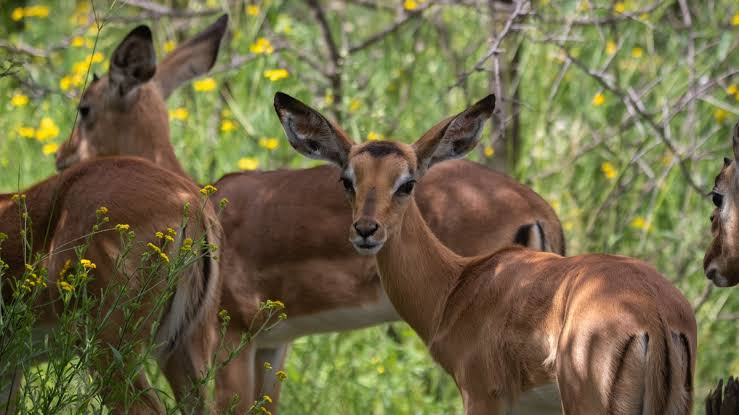
The arrival of rainfall creates excellent conditions for wildlife. Herbivores such as zebras, elephants, giraffes, buffaloes, and different antelope species benefit from the availability of fresh grass and vegetation. As these animals spread across the landscapes to feed, predators also remain active because they follow their natural hunting patterns.
Furthermore, the Long Rains create a special atmosphere for travelers who enjoy photography. Dark clouds, golden light after rainfall, green plains, and reflections from temporary water pools produce stunning scenes. Photographers can capture Kenya’s wilderness in a way that differs completely from the dry season.
However, travelers should understand that rainfall can affect certain activities. Some remote safari roads may become muddy, especially after heavy showers. Therefore, choosing an experienced safari operator with skilled guides and suitable vehicles becomes important. Professional planning ensures visitors continue enjoying excellent experiences while avoiding unnecessary travel difficulties.
The Long Rains also create opportunities for travelers seeking privacy and value. Because fewer tourists visit during this period, guests often enjoy quieter game drives, more personal attention from guides, and a deeper connection with nature. Instead of seeing rain as a limitation, many experienced travelers recognize it as a gateway to a more authentic Kenyan adventure.
How the Rainy Season Affects Wildlife in Kenya
Kenya’s wildlife remains active throughout the rainy season, and many animals actually benefit greatly from the changing conditions. Rainfall influences food availability, water sources, breeding cycles, and animal movements. While wildlife behavior may differ from the dry months, the experience remains equally rewarding for visitors who understand seasonal changes.
During dry periods, many animals concentrate around permanent rivers, lakes, and waterholes because water becomes limited. However, when rains arrive, temporary streams and fresh water sources appear throughout the landscape. As a result, animals gain more freedom to move across wider areas in search of fresh vegetation.
Large herbivores often become more active because rainfall produces abundant grazing opportunities. Wildebeests, zebras, gazelles, buffaloes, and other grazers benefit from nutritious grass that supports stronger health and reproduction. These conditions also support predators because healthy prey populations create a stable food chain.
The rainy season also represents an important period for many animal births. Some species give birth when food becomes plentiful, increasing the survival chances of young animals. Watching young calves, foals, and other newborn wildlife following their mothers across green landscapes creates unforgettable safari moments.
Birdlife experiences one of the greatest transformations during the rainy months. Kenya already contains extraordinary bird diversity, but rainfall increases activity among many species. Migratory birds arrive from other parts of the world, wetlands become more productive, and many birds enter breeding periods. For bird enthusiasts, the rainy season provides some of the best opportunities to observe colorful species and unique behaviors.
Predators remain fascinating during this period. Lions continue protecting territories, cheetahs search for opportunities across open plains, and leopards remain active within forested areas. Although vegetation can sometimes make spotting animals slightly more challenging, experienced guides use their knowledge of animal behavior to locate excellent sightings.
Therefore, the rainy season does not reduce Kenya’s wildlife experience. Instead, it changes the rhythm of nature and allows visitors to witness ecosystems functioning at their most productive stage.
Is Kenya’s Rainy Season Good for Safari Travel?
Many travelers ask whether visiting Kenya during the rainy season provides a good safari experience. The answer depends on personal preferences, but for many visitors, the rainy months offer exceptional advantages that create memorable adventures.
One of the biggest benefits of rainy season safaris is the beauty of the environment. Kenya’s famous savannahs become bright green, creating breathtaking views that contrast with the golden landscapes seen during dry months. The combination of green grass, dramatic skies, and active wildlife creates a completely different safari atmosphere.
Another major advantage involves fewer visitors. During peak safari months, popular parks may experience many vehicles gathering around famous wildlife sightings. However, rainy season travel often provides a quieter experience. Guests can enjoy longer observations, peaceful game drives, and more personal interactions with their guides.
The rainy season also provides excellent value. Many lodges and safari camps offer attractive rates during lower tourism periods. This allows travelers to experience high-quality accommodations and professional safari services at more accessible prices.
Additionally, cooler temperatures make outdoor activities more comfortable. Kenya’s dry months can become extremely warm, especially during midday. Rainy months often bring refreshing conditions that make game drives, nature walks, and cultural visits more enjoyable.
Of course, preparation remains important. Travelers should carry waterproof clothing, protect camera equipment, and maintain flexibility because weather conditions can occasionally influence schedules. However, modern safari operations understand seasonal challenges and prepare vehicles, routes, and activities accordingly.
A well planned rainy season safari can provide some of the most rewarding experiences in Kenya. Visitors who appreciate nature, photography, peaceful surroundings, and authentic wildlife encounters often discover that this season delivers unforgettable memories.
Photography Opportunities During Kenya’s Rainy Season
Kenya’s rainy season creates some of the most impressive photography opportunities available in Africa. The changing weather conditions, vibrant landscapes, and active wildlife combine to produce images with exceptional depth and character.
During dry months, Kenya’s landscapes often feature golden grasslands and clear skies. While these scenes remain beautiful, rainy-season environments provide additional colors and textures. Fresh green vegetation covers the plains, clouds create dramatic backgrounds, and sunlight breaking through after rainfall produces magical moments.
Wildlife photography also becomes highly rewarding. Animals often appear healthier because of improved food availability, and many species become more active. Photographers can capture elephants walking through green landscapes, lions resting after successful hunts, birds displaying breeding colors, and young animals exploring their surroundings.
Rain itself can create unique photographic opportunities. Raindrops on leaves, mist around mountains, reflections in temporary pools, and dramatic storm clouds add emotion and atmosphere to images. These elements help photographers create storytelling images rather than simple wildlife pictures.
The rainy season also benefits photographers because fewer vehicles visit many parks. This allows more time and space to compose photographs without distractions. In some areas, travelers can enjoy rare moments of complete wilderness solitude.
However, photographers should prepare properly. Protecting cameras with waterproof covers, carrying extra batteries, and using suitable equipment bags helps prevent weather-related problems. Patience also remains important because wildlife photography depends on natural behavior rather than controlled situations.
For professional photographers, travel creators, and visitors who simply want beautiful memories, Kenya’s rainy season provides incredible creative possibilities. The combination of landscapes, wildlife, and changing weather creates images that represent the true spirit of Africa’s wilderness.
Travel Tips for Visiting Kenya During the Rainy Season
Traveling through Kenya during the rainy season requires preparation, but simple planning allows visitors to enjoy a comfortable and rewarding journey. Understanding what to pack, where to travel, and how to manage changing conditions makes a significant difference.
First, travelers should pack lightweight waterproof clothing. A good rain jacket protects against sudden showers while remaining comfortable during warm conditions. Waterproof shoes or durable outdoor footwear also help when walking around lodges, nature areas, or wet pathways.
Choosing suitable luggage is equally important. Waterproof bags or protective covers help safeguard important items such as cameras, travel documents, phones, and electronic equipment. Since safari vehicles may travel through areas affected by rain, protecting valuable items prevents unnecessary problems.
Travelers should also consider destination selection carefully. Some areas remain highly accessible during rainy months, while others may experience more challenging road conditions. Working with experienced tourism professionals helps visitors choose suitable routes and activities based on current conditions.
Flexibility improves the travel experience. Weather remains a natural part of adventure, and occasional rain showers can create beautiful moments rather than disappointments. A flexible mindset allows travelers to appreciate unexpected experiences.
Health preparation also matters. Visitors should stay hydrated, use insect protection, and follow recommended travel health guidelines. Comfortable clothing, proper planning, and good organization allow travelers to focus more on enjoying Kenya’s incredible scenery.
Most importantly, travelers should embrace the season. Rain brings life to Kenya’s wilderness. It creates green landscapes, supports wildlife, attracts birds, and reveals the powerful connection between nature and climate.
Conclusion
Kenya’s rainy season offers a unique opportunity to experience the country’s landscapes, wildlife, and natural beauty from a completely different perspective. The Long Rains from March to May and the Short Rains from October to December bring renewal, fresh vegetation, active ecosystems, and incredible photography opportunities. Although rainfall may create occasional challenges, proper preparation and expert guidance allow travelers to enjoy unforgettable adventures.
The rainy season proves that Kenya remains a year-round destination with something valuable to offer every type of traveler. Wildlife enthusiasts can enjoy vibrant ecosystems, photographers can capture dramatic scenery, bird lovers can explore increased species activity, and travelers seeking peaceful experiences can discover quieter parks with fewer crowds.
Understanding Kenya’s weather patterns helps visitors choose the right season according to their interests rather than following common assumptions. Rain does not reduce the magic of a Kenyan safari; instead, it creates a different kind of beauty filled with life, color, and authenticity.
For travelers searching for expertly organized Kenya safaris, trusted local knowledge, personalized travel experiences, and professional guidance throughout every season, Giant Holiday Safaris provides the expertise and reliability needed to explore Kenya’s extraordinary wilderness with confidence.