Bwindi gorilla trekking honeymoon safari
May 7, 2026
Bwindi gorilla trekking packing list
May 7, 2026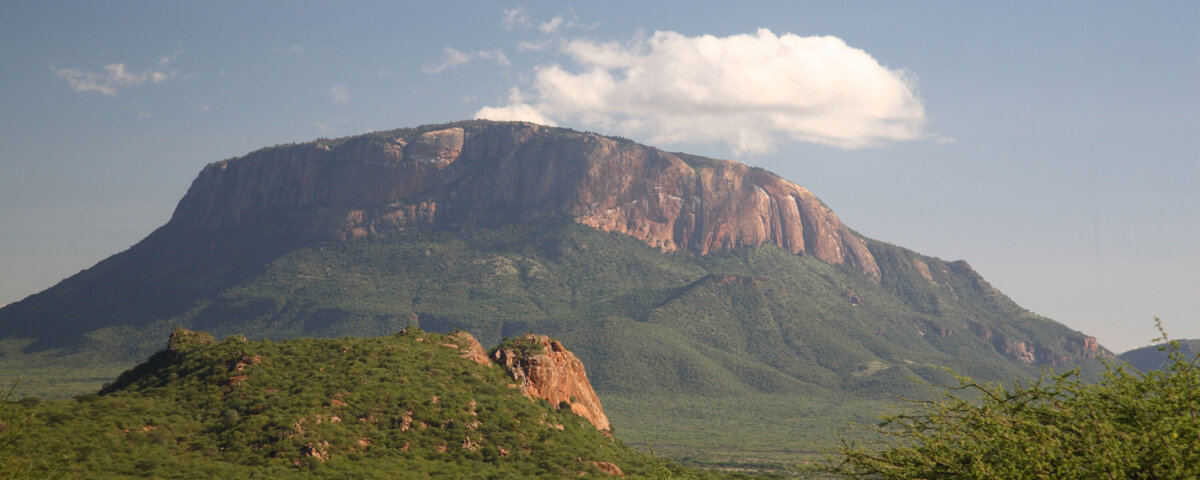
Samburu National Reserve Safari
Samburu National Reserve offers one of Kenya’s most authentic and rewarding safari experiences. The reserve sits in a semi-arid landscape where rugged beauty meets rare wildlife encounters. Unlike more crowded safari destinations, Samburu delivers a raw and intimate connection with nature. Travelers explore wide savannahs, dramatic hills, and the lifeline of the Ewaso Ng’iro River, which attracts animals throughout the year.
In addition, Samburu stands out because it protects unique wildlife species found only in northern Kenya. Visitors often describe the reserve as wild, untouched, and deeply immersive. Every game drive reveals something new, from elephants gathering near the riverbanks to predators moving across golden plains.
Moreover, Samburu connects travelers with both wildlife and culture. The local Samburu people maintain rich traditions that enhance the safari experience. As a result, the reserve appeals to global travelers seeking adventure, learning, and authenticity. This guide explores everything needed to plan a successful safari, including wildlife, activities, accommodation, and travel tips.
Where is Samburu National Reserve?
Samburu National Reserve lies in northern Kenya within Samburu County, about 350 kilometers from Nairobi. Travelers usually reach it by road or a short domestic flight to nearby airstrips such as Buffalo Springs or Samburu Oryx. The journey by road takes around five to six hours, passing through scenic highlands, valleys, and rural landscapes that gradually shift into semi-arid terrain.
The reserve covers approximately 165 square kilometers and forms part of a larger ecosystem that includes Buffalo Springs and Shaba National Reserves. The Ewaso Ng’iro River runs through this region, acting as a critical water source for wildlife. As a result, animals gather along its banks, especially during dry seasons.
Furthermore, Samburu’s remote location enhances its appeal. Fewer tourists visit compared to southern safari parks, which allows for a quieter and more personal wildlife experience. This isolation also preserves its natural environment, making it ideal for travelers who value exclusivity and raw wilderness.
Why Samburu Stands Out
Samburu National Reserve stands out because it offers something different from typical safari destinations. First, it features a semi-arid ecosystem that supports rare and adapted wildlife species. This environment creates dramatic scenery where dry plains meet riverine forests, giving photographers and nature lovers stunning contrasts.
In addition, the reserve provides fewer crowds, which improves the safari experience. Visitors often enjoy uninterrupted game viewing without traffic congestion from multiple vehicles. This peaceful setting allows travelers to observe animal behavior in a more natural way.
Moreover, Samburu delivers a strong sense of authenticity. The landscapes feel untouched, and wildlife roams freely across vast spaces. Elephants, lions, and leopards thrive here, while unique northern species add exclusivity.
Transitioning from scenery to experience, Samburu also offers cultural richness. The Samburu people live around the reserve and continue their traditional pastoral lifestyle. Their presence adds depth to the safari experience and strengthens the connection between people, wildlife, and land.
Wildlife in Samburu National Reserve
Samburu National Reserve hosts a rich variety of wildlife, including both common and rare species. The reserve is especially famous for the “Samburu Special Five,” which includes the Grevy’s zebra, reticulated giraffe, Somali ostrich, gerenuk, and Beisa oryx. These animals thrive in the dry northern climate and attract wildlife enthusiasts from around the world.
In addition, large herbivores such as elephants frequently gather near the Ewaso Ng’iro River. These elephant herds create unforgettable viewing moments, especially during the dry season when they bathe and drink along the riverbanks. Predators also thrive in Samburu. Lions patrol the plains, leopards hide in acacia trees, and cheetahs hunt across open areas.
Birdlife adds another layer of diversity. Over 450 bird species inhabit the reserve, including kingfishers, vultures, and sunbirds. This makes Samburu a paradise for bird watchers.
Furthermore, the balance of predator and prey creates dynamic safari experiences. Every game drive feels unpredictable and exciting. Travelers often witness hunting scenes, animal migrations within the park, and rare sightings that define Samburu as a top tier safari destination.
Best Time to Visit Samburu National Reserve
Samburu National Reserve remains open throughout the year, but timing significantly affects the safari experience. The dry seasons, from June to October and December to March, offer the best wildlife viewing conditions. During these months, animals gather around the Ewaso Ng’iro River, making them easier to spot. Vegetation also becomes sparse, which improves visibility across the plains.
In contrast, the wet seasons from April to May and November bring lush landscapes and fewer tourists. While some roads may become challenging due to rain, the scenery turns green and vibrant. This period also supports excellent birdwatching opportunities as migratory species arrive.
Moreover, each season provides a different safari atmosphere. Dry months focus on high wildlife concentration and predator activity, while wet months highlight beauty, photography, and tranquility.
Therefore, travelers should choose their timing based on personal preferences. Those seeking intense wildlife encounters should visit during dry months. However, those who prefer peaceful exploration and photography may enjoy the green season more.
Top Safari Activities in Samburu National Reserve
Samburu National Reserve offers a wide range of safari activities that enhance the visitor experience. Game drives remain the most popular activity. Morning and evening drives allow travelers to witness active wildlife behavior, including hunting, grazing, and migration patterns. Skilled guides help visitors track animals and understand their behavior.
In addition, guided nature walks provide a closer look at the ecosystem. These walks reveal smaller details such as insects, plants, and animal tracks that are often missed during vehicle safaris. Walking safaris also create a stronger connection with the environment.
Furthermore, birdwatching attracts many visitors due to Samburu’s rich avian diversity. Enthusiasts can spot both endemic and migratory species across riverbanks and open plains.
Night game drives, available in some conservancies around Samburu, offer a rare chance to observe nocturnal wildlife such as leopards and hyenas.
Finally, photography safaris allow travelers to capture dramatic landscapes and wildlife moments. The unique lighting conditions and open terrain make Samburu ideal for high-quality wildlife photography.
Cultural Experiences with the Samburu People
Cultural experiences play a vital role in Samburu National Reserve safaris. The Samburu people live in surrounding communities and maintain a traditional pastoral lifestyle closely tied to livestock. Their culture shares similarities with the Maasai but retains unique practices, dress styles, and social structures.
Visitors often engage in cultural visits that include village tours, traditional dances, and storytelling sessions. These experiences provide insights into daily life, including cattle herding, beadwork, and community traditions.
Moreover, cultural interactions help travelers understand the deep connection between people and nature in this region. The Samburu rely on the land for survival, which creates a strong respect for wildlife and conservation.
Transitioning from observation to participation, visitors may also support local artisans by purchasing handmade crafts such as jewelry and clothing. This supports community livelihoods and strengthens sustainable tourism.
Overall, cultural experiences in Samburu add meaning to the safari, transforming it from wildlife viewing into a deeper human connection.
Accommodation Options in Samburu National Reserve
Samburu National Reserve offers a wide range of accommodation options that suit different budgets and travel styles. Luxury lodges provide high-end comfort with panoramic views of the river and wildlife. These lodges often include private balconies, swimming pools, and guided safari services.
Mid-range camps offer comfort and accessibility while maintaining close proximity to nature. These camps usually provide tented accommodation with essential amenities and organized game drives.
Budget travelers also find options in basic campsites and community run lodges. These accommodations focus on simplicity while still offering access to the reserve’s attractions.
Additionally, many lodges emphasize ecofriendly practices. They use solar energy, reduce plastic waste, and support local communities.
Location also plays an important role. Properties near the Ewaso Ng’iro River offer better wildlife viewing opportunities, while those deeper in conservancies provide privacy and exclusivity.
As a result, Samburu ensures that every traveler finds suitable accommodation without compromising the safari experience.
Travel Tips for Visiting Samburu National Reserve
Travelers should prepare carefully before visiting Samburu National Reserve. First, packing light but essential clothing helps manage the warm daytime temperatures and cooler evenings. Neutral colored clothing works best for game viewing.
In addition, travelers should carry sunscreen, hats, and insect repellent due to the semi-arid climate. Comfortable walking shoes also help during nature walks and cultural visits.
Moreover, early morning and late afternoon game drives offer the best wildlife encounters. Planning schedules around these times increases the chances of spotting active animals.
Visitors should also respect wildlife by maintaining safe distances and following guide instructions. This ensures safety for both humans and animals.
Finally, travelers should carry binoculars and cameras for a better safari experience. A positive mindset and patience also improve wildlife sightings since nature operates on its own rhythm.
Conservation and Responsible Tourism in Samburu
Conservation is vital in Samburu National Reserve, where wildlife protection and community involvement sustain the ecosystem. Giant Holiday Safaris supports these efforts by promoting ecofriendly travel and partnering with local conservancies to reduce human wildlife conflict.
Tourism directly funds conservation. Park fees and lodge revenues aid anti-poaching, wildlife monitoring, and community projects. By traveling with Giant Holiday Safaris, visitors contribute to both nature protection and local livelihoods.
Guests can help by choosing eco-lodges, respecting wildlife, and minimizing waste. Giant Holiday Safaris encourages sustainable practices, ensuring Samburu’s beauty endures for future generations.
Education programs also raise awareness in local communities, fostering coexistence between people and animals. Through Giant Holiday Safaris, travelers engage responsibly while supporting conservation initiatives.
Ultimately, Samburu proves that tourism and conservation thrive together when managed responsibly. With Giant Holiday Safaris, every safari strengthens sustainability and creates meaningful impact.
Conclusion
Samburu National Reserve delivers a powerful safari defined by rare wildlife, dramatic landscapes, and rich culture. Giant Holiday Safaris enhances this experience with tailored tours, ensuring travelers enjoy authentic encounters with the Samburu Special Five, elephant herds, and vibrant birdlife.
Cultural interactions add depth, offering insight into local traditions. With Giant Holiday Safaris, guests enjoy comfortable accommodation options and guided experiences that highlight both nature and community.
Ultimately, Samburu stands among Africa’s most rewarding safari destinations. Through Giant Holiday Safaris, travelers connect with nature, support conservation, and create unforgettable memories in this remarkable reserve.