Are There Family Tents in Serengeti?
July 28, 2026
Which Safari Parks Are Easiest for Children?
July 28, 2026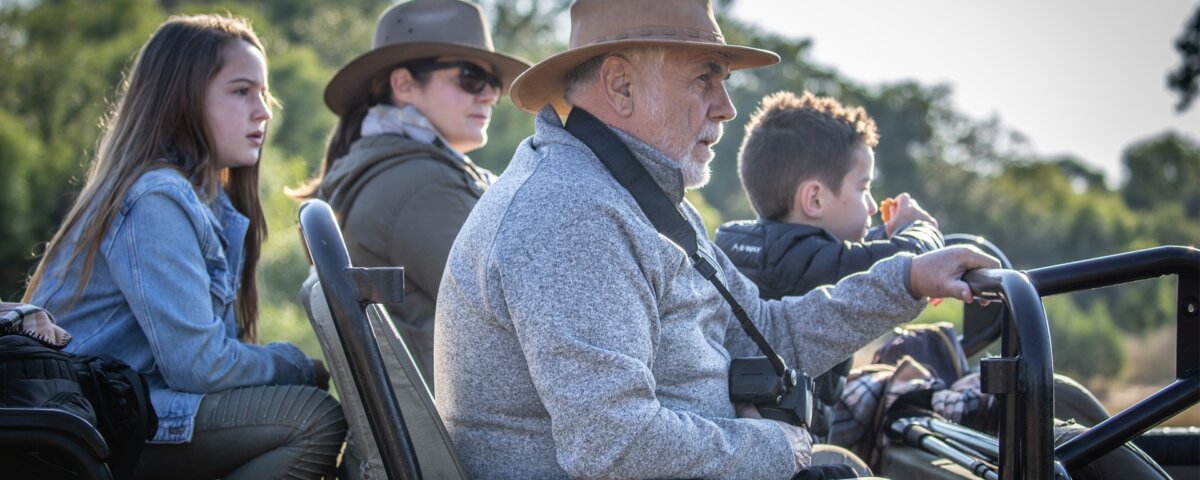
What Should Families Pack for Safari
Planning a family safari is exciting, but smart preparation makes the journey even more enjoyable. Many parents ask what should families pack for safari because they want to stay comfortable while making sure their children have everything they need. A well packed bag helps families enjoy wildlife adventures without worrying about forgotten essentials. It also allows everyone to focus on exploring Tanzania’s spectacular landscapes, spotting incredible wildlife, and creating unforgettable memories together.
Packing for a safari is different from packing for a beach holiday or a city break. Families spend long hours outdoors, travel through different climates, and often wake up early for game drives. Therefore, every item should serve a practical purpose. Comfortable clothing, travel documents, health supplies, suitable footwear, and useful safari gear all contribute to a smoother experience. At the same time, parents should avoid overpacking because most safari vehicles and domestic flights have luggage limits.
Children also have unique needs during a safari. They may require extra snacks, entertainment during travel, favourite comfort items, and clothing that allows them to move freely. Careful planning helps parents prepare for these needs before the journey begins.
Choosing an experienced safari company also makes packing easier. Giant Holiday Safaris provides practical travel guidance before departure, helping families understand exactly what to bring for different seasons, destinations, and safari activities.
Understanding what should families pack for safari allows parents to travel confidently while ensuring every member of the family stays comfortable, safe, and ready for adventure.
Combined Uganda, Kenya, Rwanda and Tanzania Safaris
17 days Kenya Tanzania and Uganda safari
19 Days Uganda Kenya and Tanzania Safari
16 Days Kenya Tanzania and Uganda Safari
14 Days Kenya Uganda and Tanzania Safari
14 Days Kenya Uganda and Rwanda Safari
12 Day Gorilla Trekking and Tanzania Safari
What Should Families Pack for Safari?
Families should pack for a safari with comfort, practicality, and flexibility in mind. Instead of filling suitcases with unnecessary items, they should focus on clothing, health supplies, travel documents, electronics, and personal essentials that support outdoor travel. Every item should help make the safari easier rather than adding extra weight.
Lightweight clothing is one of the most important priorities. Tanzania often experiences warm daytime temperatures, while early mornings and evenings can feel cool, especially during game drives. Packing clothes that can be layered allows families to adjust comfortably throughout the day. Neutral colours such as beige, green, brown, and khaki work well because they blend into natural surroundings and attract less attention from insects.
Parents should also think beyond clothing. Travel documents, passports, visas, travel insurance details, vaccination records if required, and booking confirmations should remain organised in one easily accessible place. Keeping both printed and digital copies provides additional security.
Children may also benefit from small personal items such as reusable water bottles, hats, sunglasses, sunscreen, and comfortable backpacks for day trips. Parents can include simple activities like colouring books or travel journals to keep younger travellers entertained between safari experiences.
Families should also prepare for limited luggage space. Many domestic safari flights operate with strict baggage allowances, making soft sided travel bags a better choice than large hard suitcases.
The goal is not to bring everything possible. Instead, families should pack carefully selected items that improve comfort, safety, and convenience throughout their Tanzania safari adventure.
Essential Clothing for a Families to include in their Pack for the Safari
Choosing suitable clothing helps families stay comfortable during changing weather conditions and long days outdoors. Tanzania’s safari destinations often experience warm afternoons, cool mornings, and cooler evenings, so flexible clothing becomes essential.
Lightweight shirts, comfortable trousers, and breathable fabrics work well throughout the day. Long sleeved shirts also provide additional protection from the sun and insects without causing discomfort in warm weather. Families should pack several lightweight outfits that dry quickly and remain comfortable after repeated use.
Layering is one of the best strategies. A light fleece or jumper provides warmth during early morning game drives, while a waterproof jacket offers protection if brief rain showers appear. As temperatures rise, family members can simply remove extra layers.
Neutral coloured clothing works better than bright colours. Shades such as khaki, olive, beige, brown, and grey help families blend naturally into the environment while reducing the chance of attracting insects. Bright colours may disturb wildlife or draw unnecessary attention in some situations.
Comfortable walking shoes are equally important. Closed shoes with good support work well for lodge activities, cultural visits, and approved nature walks. Families should also pack lightweight sandals or comfortable shoes for relaxing at the lodge after returning from game drives.
Children should have enough spare clothing because outdoor activities can become dusty or muddy depending on the season. Packing extra socks also helps maintain comfort during longer travel days.
Parents should not forget hats and sunglasses. Wide brimmed hats protect faces and necks from strong sunlight, while sunglasses reduce glare during daytime wildlife viewing.
Choosing practical clothing allows families to enjoy wildlife experiences comfortably without constantly worrying about changing weather or outdoor conditions.
Important Travel Documents and Money for Families to Pack
Travel documents form the foundation of every successful international journey. Before leaving home, families should carefully organise all important paperwork and store it in a secure travel folder or document organiser that remains easily accessible throughout the trip.
Every traveller needs a valid passport that meets Tanzania’s entry requirements. Parents should also check visa requirements before departure and complete any necessary applications well in advance. Carrying printed copies of visa approvals, accommodation bookings, safari itineraries, domestic flight details, and emergency contact information provides additional peace of mind.
Travel insurance is another essential document. Comprehensive insurance helps protect families against unexpected situations such as medical emergencies, cancelled flights, delayed luggage, or travel interruptions. Parents should keep policy details available both digitally and on paper.
It is also helpful to carry copies of birth certificates when travelling with children, particularly if airlines or immigration officials request additional identification. Parents should also save electronic copies of important documents in secure cloud storage or email accounts that remain accessible during travel.
Money requires careful planning as well. Families should carry a combination of cash and internationally accepted bank cards. Small cash amounts often prove useful for tips, small purchases, or locations where card payments may not always be available.
Parents should also inform their bank about international travel before departure. This simple step reduces the chance of payment cards being temporarily blocked because of overseas transactions.
Keeping travel documents organised allows families to move through airports, hotels, and national parks efficiently while reducing unnecessary stress throughout the safari.
Health, Safety, and Personal Care Items for Families to Pack for the Safari
Packing health and personal care supplies helps families remain comfortable and prepared throughout their safari. Although Tanzania offers good tourism infrastructure, having essential medical and hygiene items readily available provides extra confidence during travel.
Every family should carry a basic first aid kit. Simple supplies such as adhesive plasters, antiseptic wipes, pain relief medicine, digital thermometers, allergy medication, and bandages can quickly address minor health concerns. Parents should also bring prescription medicines in their original packaging together with copies of prescriptions if required.
Insect repellent remains one of the most useful items for outdoor activities. Applying repellent during mornings and evenings helps reduce insect bites while families enjoy game drives or relax outdoors. Sunscreen with suitable protection also deserves a place in every travel bag because the African sun can be strong throughout much of the year.
Hand sanitiser and antibacterial wipes help maintain good hygiene during travel days, while reusable tissues and wet wipes prove useful in many situations involving young children. Lip balm and moisturiser also help protect skin during dry conditions.
Parents travelling with babies or toddlers should pack nappies, baby wipes, baby cream, bottles, formula, and any specialised products that children use regularly. Although some items may be available locally, bringing familiar products reduces unnecessary stress.
Reusable water bottles help every family member stay hydrated during outdoor activities. Drinking enough water becomes especially important during warm afternoons and long game drives.
Finally, parents should carry emergency contact information together with details of allergies or important medical conditions. Good preparation allows families to respond quickly if assistance becomes necessary while enjoying Tanzania’s remarkable wildlife destinations.
Safari Gear That Makes the Trip Easier
The right safari equipment can make every wildlife experience more enjoyable for both adults and children. While families do not need expensive professional gear, a few carefully selected items can improve comfort, convenience, and the overall safari experience.
Binoculars rank among the most valuable safari accessories. Wildlife sometimes appears far from the vehicle, and binoculars allow children and adults to observe animals more closely without disturbing them. Even lightweight binoculars designed for children can make wildlife viewing far more exciting.
A comfortable day backpack also proves useful. Parents can carry water bottles, cameras, sunscreen, snacks, extra clothing layers, and personal items without returning to larger luggage. Choosing a lightweight backpack with several compartments helps keep everything organised during game drives.
Reusable water bottles support both comfort and environmental responsibility. Staying hydrated remains important throughout every safari, especially during warmer months. Insulated bottles can also help keep drinks cool for longer periods.
Families should also bring a notebook or safari journal. Children often enjoy recording the animals they see, drawing wildlife, or writing about each day’s adventures. This simple activity encourages observation while creating meaningful keepsakes after the holiday ends.
Small torches or headlamps become useful during evenings at safari lodges or camps, particularly when walking between accommodation and shared facilities with staff guidance.
Finally, a waterproof bag or protective cover helps protect cameras, mobile phones, travel documents, and electronics from dust or unexpected rain showers. Tanzania’s safari environments can become dusty during game drives, making this simple item surprisingly valuable.
Packing practical safari gear helps families enjoy wildlife comfortably while making each day more organised, educational, and enjoyable.
Entertainment and Comfort Items for Children
Keeping children happy and comfortable during a safari helps the entire family enjoy the experience. Although wildlife game drives are exciting, children also need activities that keep them entertained during long road journeys, flights, or quiet afternoons at the lodge. Packing a few familiar comfort items can make a significant difference throughout the holiday.
A favourite book, colouring book, puzzle, or travel game can provide entertainment during travel between destinations. Older children may enjoy reading wildlife guides before game drives so they can identify animals and birds more easily. Younger children often appreciate simple colouring activities based on animals they have seen during the day.
Parents should also pack a small comfort item for younger children. A favourite blanket, stuffed toy, or pillow can help children settle more easily in unfamiliar surroundings. Maintaining familiar bedtime routines also helps children sleep well after busy safari days.
Reusable headphones work well for flights and long transfers, allowing children to watch educational videos or listen to music without disturbing other travellers. Parents should download entertainment before departure because internet access may vary between safari destinations.
Comfort also includes practical items such as lightweight blankets, reusable water bottles, healthy snacks, spare clothing, and small backpacks that children can carry themselves. Allowing children to pack a few personal belongings encourages independence while helping them feel involved in the adventure.
Parents should avoid bringing too many toys because safari activities naturally provide plenty of excitement. Wildlife sightings, photography, bird watching, and conversations with experienced guides quickly become the main attractions.
A balanced combination of entertainment and comfort items keeps children relaxed throughout the journey and allows families to focus on enjoying Tanzania’s extraordinary wildlife experiences together.
Packing Electronics and Photography Equipment
Electronics help families capture unforgettable safari memories while staying connected when necessary. However, parents should pack only essential devices because safari holidays focus on experiencing nature rather than spending time on screens.
A good camera allows families to photograph wildlife, landscapes, sunsets, and memorable moments together. Professional cameras produce excellent results, but many modern smartphones also capture impressive photographs. Parents should choose equipment they already know how to use rather than bringing unfamiliar devices.
Extra memory cards provide valuable storage for thousands of photographs and videos. Wildlife encounters often happen unexpectedly, so running out of storage can become frustrating. Carrying spare batteries or portable power banks also helps families continue using cameras throughout long game drives.
Charging equipment deserves careful attention. Families should pack chargers for every electronic device together with suitable travel adapters if required. Some safari lodges provide charging facilities, but charging opportunities may be limited during certain activities. A reliable power bank therefore becomes one of the most useful accessories for travel.
Binoculars complement photography perfectly. Children especially enjoy using binoculars to observe distant wildlife before taking photographs. This combination encourages patience and careful observation while improving the overall safari experience.
Parents should also protect electronics from dust and occasional rain. Waterproof bags or padded camera cases keep valuable equipment safe during travel between parks.
Finally, families should remember that some of the best safari moments deserve full attention rather than constant photography. Taking time to watch wildlife without always looking through a camera lens allows children and adults to appreciate the experience more deeply.
Food, Snacks, and Reusable Travel Essentials
Most safari lodges provide excellent meals, but carrying a selection of familiar snacks makes travelling with children much easier. Long drives between parks, early morning departures, and domestic flights sometimes create gaps between meals. Healthy snacks help children maintain their energy and remain comfortable throughout the day.
Parents can pack items such as cereal bars, dried fruit, nuts if appropriate for the family, crackers, biscuits, or other non perishable snacks. These foods travel well and provide quick energy without taking up much luggage space. Families should also check airline and customs regulations before packing food for international travel.
Reusable water bottles remain essential throughout every safari. Staying hydrated supports health and comfort, especially during warm weather and outdoor activities. Many safari lodges encourage guests to refill reusable bottles instead of purchasing single use plastic bottles, making this an environmentally responsible choice.
Reusable shopping bags also prove surprisingly useful. Families can use them to separate clean and dirty clothing, organise picnic supplies, or carry personal items during day trips. Small reusable food containers help store leftover snacks or packed lunches for travel days.
Parents travelling with babies or toddlers should bring baby food, formula, bottles, and familiar feeding equipment if required. Although some items may be available locally, bringing trusted products simplifies meal times and reduces unnecessary stress.
Families should also carry reusable cutlery, drinking cups, and reusable straws if they regularly use them during travel. These small additions support sustainable tourism while reducing waste throughout the journey.
Packing practical food supplies and reusable travel items improves convenience while helping families travel responsibly during their Tanzania safari adventure.
Packing Tips for Different Seasons in Tanzania that influence Packing Choices
Tanzania offers excellent safari experiences throughout the year, but weather conditions change with the seasons. Understanding these seasonal differences allows families to pack more efficiently while remaining comfortable during every stage of their journey.
During the dry season, lightweight clothing remains the best choice because daytime temperatures are usually warm. However, mornings and evenings often feel cool, particularly during game drives. Packing a warm fleece, light jacket, or jumper helps everyone stay comfortable before sunrise and after sunset.
The green season brings occasional rainfall, making waterproof jackets and quick drying clothing especially useful. Families should also protect cameras, phones, and travel documents with waterproof bags or protective covers. Comfortable waterproof footwear may also become helpful when paths become damp.
Sun protection remains important throughout the year. Wide brimmed hats, sunglasses, sunscreen, and lightweight long sleeved clothing help protect both adults and children from prolonged sun exposure. Lip balm and moisturiser also help during dry conditions.
Parents should pack slightly more clothing for younger children because outdoor adventures often lead to dusty clothes or unexpected spills. Extra socks, lightweight trousers, and comfortable shirts provide useful flexibility without adding excessive luggage.
Checking the weather forecast shortly before departure allows families to make final adjustments based on expected conditions. This simple step prevents unnecessary packing while ensuring essential items remain available.
Regardless of the season, packing versatile clothing rather than large amounts of specialised equipment usually produces the best results. Families stay comfortable while keeping luggage manageable throughout their safari.
Careful seasonal planning ensures that weather enhances the adventure rather than becoming an inconvenience during Tanzania’s remarkable wildlife experiences.
Why Choose Giant Holiday Safaris for Your Families Safari
Planning a family safari involves many important decisions, from choosing national parks to selecting accommodation and organising travel arrangements. Working with experienced professionals helps families avoid unnecessary stress while ensuring every detail supports a successful holiday. Giant Holiday Safaris provides this valuable expertise through personalised safari planning designed around each family’s unique needs.
Every family travels differently. Some parents prefer shorter game drives for young children, while others travel with teenagers who enjoy longer wildlife experiences. Giant Holiday Safaris carefully considers these differences when designing customised itineraries that balance adventure, comfort, education, and relaxation.
The company also recommends carefully selected family friendly accommodation that offers spacious rooms, welcoming hospitality, convenient park access, and facilities suitable for children. These recommendations help families enjoy comfortable evenings after exciting days exploring Tanzania’s wildlife.
Professional guides further enhance the experience by sharing their knowledge in ways that both adults and children understand. They explain wildlife behaviour, conservation, ecosystems, and local culture while maintaining the highest safety standards throughout every safari activity.
Planning support extends beyond the safari itself. Families receive practical travel advice before departure, including packing guidance, seasonal recommendations, suggested clothing, and useful preparation tips. This support allows parents to travel with confidence while knowing they have prepared thoroughly.
Whether families want to explore Serengeti National Park, Tarangire National Park, Lake Manyara National Park, or the Ngorongoro Conservation Area, Giant Holiday Safaris helps create unforgettable adventures that combine wildlife, learning, and quality family time.
Choosing experienced safari specialists allows families to focus less on logistics and more on creating lasting memories together.
What Should Families Pack for Safari?
Knowing what should families pack for safari allows parents to prepare for an enjoyable, comfortable, and well organised adventure. Careful packing helps families handle changing weather, long game drives, wildlife activities, and travel between destinations while ensuring children remain comfortable throughout the journey.
Lightweight clothing, comfortable shoes, travel documents, health supplies, reusable water bottles, cameras, binoculars, and practical safari gear all contribute to a successful holiday. Parents should also remember entertainment items, healthy snacks, comfort objects for younger children, and suitable clothing layers that adapt to changing temperatures.
Packing efficiently matters just as much as packing completely. Most safari vehicles and domestic flights have luggage restrictions, so families should prioritise practical items instead of unnecessary extras. Choosing versatile clothing and reusable travel accessories helps reduce luggage while improving convenience.
Seasonal planning also makes a difference. Understanding Tanzania’s weather allows families to pack appropriate clothing and equipment that keeps everyone comfortable throughout the safari. Small preparations before departure often prevent larger inconveniences during travel.
Working with experienced safari specialists such as Giant Holiday Safaris provides additional confidence because families receive expert advice before the journey begins. Professional guidance helps parents prepare properly while designing an itinerary that matches their family’s interests and travel style.
Ultimately, what should families pack for safari depends on the ages of the children, travel season, planned activities, and personal preferences. However, thoughtful preparation ensures that families spend less time worrying about forgotten items and more time enjoying Tanzania’s breathtaking wildlife, spectacular landscapes, and unforgettable family moments. A well packed safari bag becomes the first step toward an adventure that children and parents will treasure for many years.