
How Difficult Is Kilimanjaro Climb
July 17, 2026
Are Malaria Pills Needed for Kenya Safari?
July 19, 2026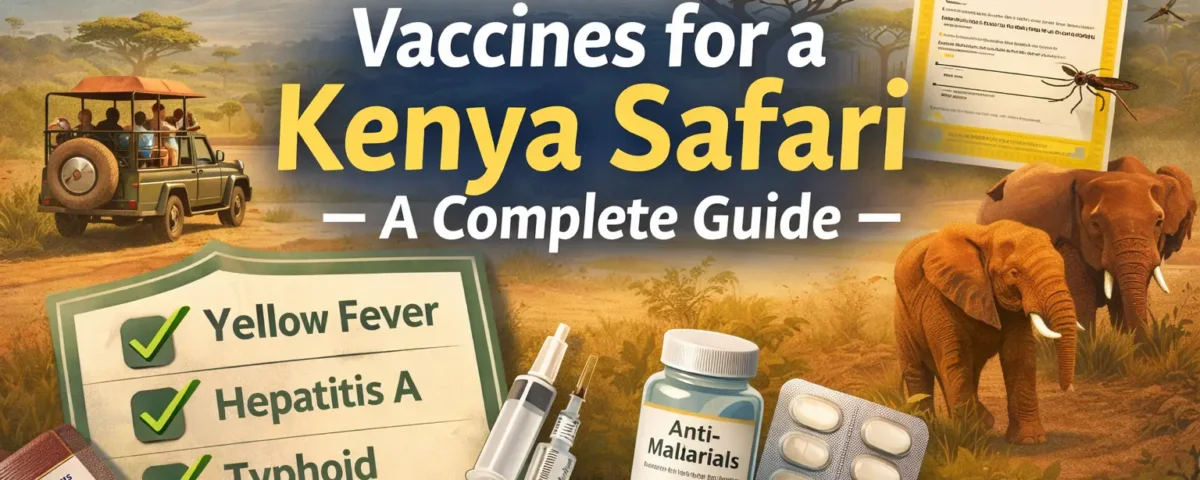
What Vaccinations Do You Need for Kenya Safari?
What Vaccinations Do You Need for Kenya Safari? If you are planning an African adventure, one practical question deserves early attention: what vaccinations do you need for Kenya safari? Getting this right protects your health and prevents problems at the border, yet many travelers leave it far too late. Because some vaccines need several weeks to work properly, and a few require multiple doses spread over months, early planning genuinely matters. Kenya requires yellow fever proof from certain travelers, while doctors commonly recommend several other vaccines depending on your health, your itinerary, and where you have travelled before. However, requirements change, and only a qualified doctor can advise you personally. In this complete guide, we explain the vaccinations generally associated with Kenya travel, why timing matters, and exactly how to get proper advice. By the end, you will know how to prepare confidently for your Kenya safari.
Combined Uganda, Kenya, Rwanda and Tanzania Safaris
17 days Kenya Tanzania and Uganda safari
19 Days Uganda Kenya and Tanzania Safari
16 Days Kenya Tanzania and Uganda Safari
14 Days Kenya Uganda and Tanzania Safari
14 Days Kenya Uganda and Rwanda Safari
12 Day Gorilla Trekking and Tanzania Safari
What Vaccinations Do You Need for Kenya? Start Planning Early and See a Doctor
Before anything else, understand this clearly: this article offers general background, not medical advice. Because vaccination needs depend on your age, health, medical history, pregnancy status, previous vaccines, and exact itinerary, only a doctor or travel clinic can tell you what you personally need. As a result, your first practical step involves booking an appointment rather than reading blogs. Please treat everything below as preparation for that conversation.
Furthermore, timing matters enormously. Book your appointment at least six to eight weeks before you travel, and earlier if possible. Because some vaccines take ten days or more to become effective, and because certain courses require multiple doses over several weeks, leaving it late can genuinely leave you unprotected. In addition, travel clinics get busy during peak booking seasons. Some clinics also need to order less common vaccines in advance. Consequently, early planning removes stress and protects you properly. For any Kenya safari, this single step matters more than everything else.
What Vaccinations Do You Need for Kenya Safari Yellow Fever and Entry Requirements
Yellow fever deserves special attention, because it carries entry rules rather than merely health advice. Kenya generally requires proof of yellow fever vaccination from travelers arriving from countries where yellow fever occurs, and border officials genuinely check this. As a result, travelers coming directly from Europe, North America, or Asia usually face different requirements from those arriving from certain African or South American countries. Because these rules depend on your travel history, they catch people out regularly.
Furthermore, the certificate itself matters. Yellow fever vaccination gets recorded on an official international certificate, which you must carry with your passport rather than leaving at home. In addition, many other countries require a yellow fever certificate from travelers who have recently been in Kenya, so your onward travel may depend on it too. Because these requirements change from time to time and vary by nationality and route, always verify them close to your departure through official sources and your doctor.
Transit routes catch people out most often. Because a stopover in certain countries can change your requirements, even a brief connection may affect what officials ask for on arrival. In addition, some travelers cannot receive the yellow fever vaccine for genuine medical reasons, in which case a doctor may issue an exemption letter, though acceptance of these varies. Because the vaccine also needs around ten days to take effect before it counts, late appointments create real problems. Consequently, yellow fever planning deserves early, careful attention. For border entry, this document genuinely matters.
Routine Vaccinations to Check
Beyond travel specific vaccines, doctors routinely check that your standard vaccinations remain current before any trip. Because many adults let childhood boosters lapse quietly over decades, travel often reveals gaps nobody noticed. As a result, your appointment may focus as much on catching up as on adding anything exotic. This protects you at home as well as abroad.
Furthermore, doctors typically review several standard vaccines. These commonly include measles, mumps, and rubella, along with diphtheria, tetanus, and polio. In addition, they may check chickenpox status and discuss seasonal influenza, particularly for older travelers. Because outbreaks of preventable diseases still occur worldwide, keeping these current genuinely protects you. Moreover, tetanus deserves particular thought before any trip involving outdoor activity, since minor cuts happen easily on safari.
Bring your records to the appointment if you have them. Because your doctor can only assess gaps they know about, an old vaccination card or a printout from your medical records saves guesswork and sometimes saves you unnecessary injections. In addition, if you genuinely cannot find your records, your doctor will advise on the safest approach rather than leaving you unprotected. Furthermore, families should check children’s schedules carefully, since young travelers may need doses brought forward. Consequently, routine vaccinations form the foundation of travel health. For most travelers, checking these costs little and matters considerably.
Commonly Recommended Travel Vaccines
Beyond routine boosters, doctors commonly discuss several travel vaccines with visitors heading to Kenya. Hepatitis A frequently comes up, because it spreads through contaminated food and water, and travelers eat unfamiliar food throughout their trip. As a result, many clinics recommend it widely for travel across the region. Because protection lasts a long time once completed, it often benefits future trips too.
Furthermore, typhoid commonly features in travel health discussions, since it also spreads through food and water. In addition, doctors sometimes discuss hepatitis B, particularly for longer stays or travelers who may seek medical or dental treatment abroad. Because everyone’s circumstances differ, your doctor weighs your itinerary, your accommodation standard, your trip length, and your health when advising. Moreover, some travelers already carry protection from previous vaccinations without realizing it.
It also helps to know that vaccination works alongside sensible habits rather than replacing them. Because hepatitis A and typhoid spread through contaminated food and water, travelers still benefit from drinking bottled or properly filtered water, avoiding ice of unknown origin, and eating food served hot. In addition, good safari lodges maintain high standards, so the practical risk on a standard itinerary usually stays low. However, protection costs little and lasts years. Consequently, these vaccines commonly arise in Kenya travel planning. For your specific needs, only your doctor can decide.
Vaccines Sometimes Discussed
Depending on your circumstances, doctors sometimes raise several additional vaccines, though these apply to fewer travelers. Rabies occasionally comes up, particularly for travelers spending long periods in remote areas far from medical care, or those working with animals. Because rabies treatment after exposure remains essential regardless, pre travel vaccination simplifies rather than replaces that treatment. As a result, your doctor weighs your remoteness and trip length carefully.
Furthermore, meningococcal disease sometimes features in discussions, particularly for certain regions and seasons or for travelers in close contact with local populations. In addition, cholera occasionally arises, though it rarely applies to standard safari itineraries staying in lodges. Because these vaccines suit specific circumstances rather than everyone, your doctor decides based on your actual plans. Moreover, requirements can differ if you plan volunteer work, extended stays, or travel beyond the usual tourist routes. Consequently, mention your full itinerary honestly at your appointment. For unusual trips, these conversations matter.
Malaria Is Not a Vaccination
Importantly, one crucial health matter causes constant confusion, so let us clear it up. Malaria prevention for travelers does not work through a vaccination. Because malaria spreads through mosquito bites, travelers protect themselves through preventive tablets, usually called antimalarials, combined with avoiding bites. As a result, many people mistakenly assume a jab covers it and arrive dangerously unprotected.
Furthermore, antimalarial tablets require proper planning. Because different medications suit different people and itineraries, and because some must start before you arrive and continue after you leave, your doctor prescribes according to your health and destination. In addition, bite prevention matters enormously alongside tablets. Use repellent, wear long sleeves and trousers at dusk and dawn when mosquitoes bite most, and sleep under a net where provided. Because many safari areas carry malaria risk, this protection genuinely matters.
Risk also varies across Kenya, which surprises many travelers. Because malaria carrying mosquitoes struggle at higher altitudes and in very dry areas, some destinations carry considerably lower risk than others, while coastal and lakeside regions typically carry more. However, this varies with season and rainfall, and guidance changes, so never assume your particular route stays safe. In addition, remember that no tablet offers complete protection, which is exactly why bite avoidance matters alongside it. Consequently, discuss malaria separately from vaccinations at your appointment. For Kenya travel, this conversation ranks among the most important.
How to Get Reliable, Current Advice
Finally, knowing where to find trustworthy information protects you properly, because requirements genuinely change over time. Your first and best source remains a doctor or specialist travel clinic, who assesses you personally rather than generally. Because they know your medical history and can check current guidance, they give advice no article can match. As a result, booking that appointment early remains the single most useful thing you can do.
Furthermore, several official sources publish current requirements. Your own government’s travel health service typically maintains up to date country guidance, and the World Health Organization publishes international standards. In addition, the Kenyan authorities publish official entry requirements, which sometimes change. Because online travel forums and old blog posts frequently carry outdated information, always verify through official channels close to departure. Moreover, mention your exact itinerary to your operator, since they know which areas you will actually visit.
Keep your paperwork sensibly too. Photograph your vaccination certificate and store the image somewhere you can reach it, since losing the original creates real difficulty at a border. In addition, keep a written record of what you received and when, because this helps enormously with future trips and with any medical care abroad. Furthermore, tell your doctor about any allergies, medications, pregnancy, or immune conditions honestly, since these genuinely change what suits you. Consequently, current official advice protects you best. For any Kenya safari, verify rather than assume.
Final Thoughts What Vaccinations Do You Need for Kenya Safari
So, what vaccinations do you need for a Kenya safari? As you’ve seen, the answer depends entirely on your individual circumstances, including your age, overall health, medical history, previous vaccinations, travel history, and the details of your itinerary. Yellow fever has important entry requirements, especially for travelers arriving from countries where the disease is present, and the official vaccination certificate should always be carried with your passport. In addition, doctors typically review routine vaccinations such as measles, tetanus, and polio, while commonly recommending hepatitis A and typhoid for many visitors to Kenya. Depending on your travel plans, rabies, hepatitis B, or meningococcal vaccines may also be discussed. It is equally important to remember that malaria prevention relies on antimalarial medication and effective mosquito bite protection rather than a vaccine.
Because travel health requirements can change and every traveler has different needs, arrange a consultation with a travel clinic six to eight weeks before your departure and confirm the latest entry requirements through official sources. With the right preparation and guidance from your healthcare provider, you can travel with confidence. At Giant Holiday Safaris, we encourage every guest to plan ahead, stay informed, and prioritize their health so they can enjoy an unforgettable Kenya safari with complete peace of mind.