What Is Luxury Kilimanjaro Safari
July 17, 2026
What Vaccinations Do You Need for Kenya Safari?
July 19, 2026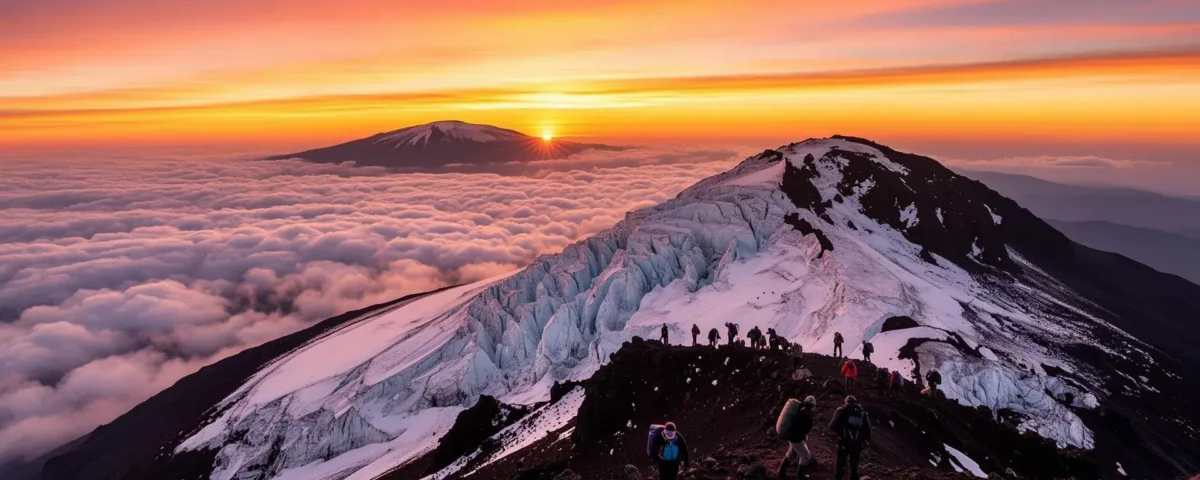
How Difficult Is Kilimanjaro Climb
Many travelers dream of reaching the highest point in Africa, but one important question often comes first: how difficult is Kilimanjaro climb? The mountain stands at 5,895 meters above sea level, making it the tallest free-standing mountain in the world. While the climb is demanding, thousands of people successfully reach the summit every year, including many first-time trekkers.
Unlike mountains that require technical climbing skills, ropes, or ice axes, Mount Kilimanjaro is a trekking mountain. Climbers follow established trails from the base to Uhuru Peak. However, that does not mean the journey is easy. Success depends on proper preparation, physical fitness, mental determination, and allowing enough time for acclimatization.
The challenge comes mainly from the mountain’s high altitude rather than steep or dangerous terrain. As you climb higher, oxygen levels decrease, making each step feel more demanding. Fortunately, choosing the right route, following your guide’s instructions, and maintaining a slow pace can greatly improve your chances of success.
Understanding how difficult is Kilimanjaro climb helps you prepare realistically and confidently. With the right expectations and careful planning, climbing Africa’s highest mountain becomes an achievable adventure that rewards every step with unforgettable scenery, personal growth, and an incredible sense of accomplishment.
What Makes Kilimanjaro Climb Challenging
Mount Kilimanjaro presents several challenges, but none of them require technical mountaineering experience. Instead, the mountain tests your endurance, patience, and ability to adapt to changing conditions over several days of continuous hiking.
One challenge is the length of the climb. Depending on the chosen route, climbers spend between five and nine days trekking across different landscapes. Each day involves several hours of walking, often over rocky paths, uneven ground, and occasional steep sections. While these trails remain manageable for most healthy adults, the repeated effort gradually becomes more demanding.
The weather also changes dramatically throughout the expedition. Climbers begin in warm rainforest conditions before entering cooler moorlands, dry alpine deserts, and freezing summit environments. Temperatures near Uhuru Peak often fall below freezing, especially during the early morning summit attempt.
Daily elevation gain creates another challenge. As altitude increases, your body works harder to absorb oxygen while performing ordinary activities. Even simple tasks such as walking or climbing short hills require greater effort.
Despite these challenges, Kilimanjaro remains accessible because professional mountain guides carefully manage the pace, monitor climbers’ health, and provide support throughout the journey. Preparation, consistency, and patience often matter far more than exceptional athletic ability.
Altitude Is the Biggest Challenge
When travelers ask how difficult is Kilimanjaro climb, experienced guides almost always identify altitude as the greatest obstacle. Unlike physical fitness, altitude affects everyone differently regardless of age, strength, or previous hiking experience.
As you climb higher, the amount of available oxygen gradually decreases. Your muscles and lungs must work harder while your body slowly adapts to thinner air. Some climbers experience headaches, fatigue, reduced appetite, or mild dizziness during this adjustment process. These symptoms often improve with proper acclimatization and careful pacing.
Longer climbing routes significantly reduce the risk of altitude-related problems because they allow more time for adaptation. Routes such as Lemosho and the Northern Circuit provide additional days that increase both comfort and summit success rates.
Walking slowly also makes an enormous difference. Kilimanjaro guides encourage climbers to maintain a steady pace rather than rushing ahead. This method conserves energy while giving the body more opportunity to adjust naturally.
Hydration, balanced meals, adequate sleep, and listening to your guides all support healthy acclimatization. Although altitude cannot be eliminated, understanding how it affects the body allows climbers to prepare properly and approach the mountain with greater confidence.
Physical Fitness Needed for Kilimanjaro
Physical fitness plays an important role in determining how comfortable your Kilimanjaro climb will feel. While you do not need to be an elite athlete, preparing your body before the expedition makes the experience far more enjoyable and increases your likelihood of reaching the summit.
Good cardiovascular fitness helps your body handle several consecutive days of hiking. Activities such as walking, jogging, swimming, cycling, rowing, or hiking strengthen your heart and lungs while improving endurance. Regular exercise several months before departure builds the stamina needed for long trekking days.
Leg strength also contributes to a successful climb. Exercises including squats, lunges, step-ups, and stair climbing prepare your muscles for uneven mountain trails. Core exercises improve balance and posture while carrying a small daypack.
Practicing with hiking boots before the trip helps prevent blisters while increasing confidence on rough terrain. Training hikes with gradual elevation changes provide valuable preparation for the mountain environment.
Most importantly, physical preparation should remain consistent rather than extreme. Moderate exercise performed regularly delivers better long-term results than intense workouts completed only occasionally. Many successful climbers reach Uhuru Peak through steady preparation rather than exceptional athletic performance. Carefully planned expeditions organized through Giant Holiday Safaris also help match climbers with routes that support both safety and summit success.
Mental Preparation for a Successful Climb
While physical training receives plenty of attention, mental preparation often determines how climbers respond when conditions become challenging. A positive attitude, patience, and determination help many first-time trekkers succeed even when the climb becomes physically demanding.
Climbing Kilimanjaro requires accepting that progress happens slowly. Walking at a comfortable pace allows better acclimatization and helps conserve energy for summit day. Travelers who focus on each day’s achievements instead of constantly thinking about the summit often enjoy the experience more.
Unexpected situations can also occur. Weather conditions may change quickly, temperatures can become extremely cold near the summit, and altitude may reduce your normal energy levels. Remaining flexible and maintaining a positive mindset help you overcome these temporary difficulties.
Many climbers benefit from setting small daily goals rather than concentrating only on the final destination. Reaching each campsite becomes a rewarding milestone that gradually builds confidence throughout the expedition.
Encouragement from guides and fellow climbers also creates a strong sense of teamwork. Sharing challenges, celebrating daily progress, and supporting one another often become some of the most memorable parts of the journey.
Mental resilience, combined with good preparation and realistic expectations, transforms Kilimanjaro from an intimidating mountain into an achievable adventure that leaves climbers with lasting confidence and unforgettable memories.
Choosing the Right Route Makes Kilimanjaro Climb Easier
One of the best ways to reduce the challenge of climbing Mount Kilimanjaro is choosing a route that matches your experience, fitness level, and travel schedule. While every route leads to Uhuru Peak, they differ in length, scenery, difficulty, and acclimatization opportunities.
The Lemosho Route is widely considered one of the best options for first-time climbers. It provides seven or eight days on the mountain, allowing your body to adjust gradually to the increasing altitude. The route also passes through beautiful rainforests, moorlands, alpine deserts, and rocky summit landscapes, making the journey enjoyable from start to finish.
The Machame Route is another popular choice. Although it includes several steeper sections, its longer itinerary and excellent acclimatization profile give many climbers a strong chance of reaching the summit. Travelers who enjoy scenic trails often choose this route.
The Marangu Route offers mountain hut accommodations instead of camping, making it attractive for visitors seeking additional comfort. However, selecting the six-day itinerary instead of the shorter version improves acclimatization and increases summit success.
Longer options such as the Northern Circuit provide the highest success rates because climbers spend more time adapting to altitude. Choosing the right route is one of the smartest decisions you can make before beginning your Kilimanjaro adventure.
Tips to Reduce the Difficulty of Climbing Kilimanjaro
Many travelers continue asking how difficult is Kilimanjaro climb, but the good news is that proper preparation can make the journey much easier. Small decisions made before and during the climb often have a significant impact on both comfort and summit success.
Begin training several months before your departure. Regular hiking, walking, cycling, jogging, or stair climbing improves endurance and prepares your body for consecutive trekking days. Adding strength exercises for your legs and core also makes steep trails easier to manage.
Walking slowly remains one of the most important strategies on the mountain. Guides often remind climbers to move at a steady pace because conserving energy helps the body adjust to high altitude more effectively. Rushing usually leads to unnecessary fatigue.
Staying hydrated is equally important. Drinking enough water throughout the day supports acclimatization and reduces the likelihood of dehydration. Eating nutritious meals also provides the energy needed for long hiking days, even when your appetite decreases.
Quality equipment contributes to a more comfortable climb as well. Well-fitting hiking boots, layered clothing, waterproof gear, warm gloves, and a reliable sleeping bag help you stay comfortable in changing mountain conditions. Careful preparation allows you to focus on enjoying the experience rather than worrying about avoidable discomfort.
Combining Kilimanjaro with a Tanzania Safari
After completing one of Africa’s greatest trekking adventures, many travelers continue their journey by exploring Tanzania’s incredible wildlife. Combining Mount Kilimanjaro with a safari creates a well-balanced holiday that offers both physical achievement and relaxing wildlife experiences.
Northern Tanzania contains several world-famous national parks located within easy reach of Kilimanjaro. Visitors often continue to Tarangire National Park, the Ngorongoro Conservation Area, Lake Manyara National Park, or Serengeti National Park after their climb. Each destination offers unique landscapes, remarkable wildlife, and unforgettable game drives.
A safari also provides an excellent opportunity to recover after several demanding days on the mountain. Instead of hiking for hours, travelers enjoy comfortable vehicle safaris while observing elephants, lions, giraffes, zebras, buffaloes, cheetahs, hippos, and countless bird species in their natural habitats.
Some visitors extend their holiday even further by relaxing on Zanzibar’s beautiful beaches after both the climb and safari. This combination creates one of Africa’s most rewarding travel experiences by bringing together mountains, wildlife, culture, and the Indian Ocean.
Many travelers enjoy seamless itineraries designed through Giant Holiday Safaris, allowing them to experience Kilimanjaro, Tanzania’s leading safari destinations, and optional Zanzibar extensions within one carefully organized adventure.
How Difficult Is Kilimanjaro Climb for First Time Adventurers
After understanding the mountain’s challenges and learning how to prepare, the answer to how difficult is Kilimanjaro climb becomes much clearer. The climb is demanding, but it remains achievable for many healthy adults who prepare properly and choose suitable routes.
Altitude is the greatest obstacle, not technical climbing. Because Kilimanjaro does not require ropes or advanced mountaineering skills, first-time trekkers can successfully reach the summit by walking steadily, following experienced guides, and allowing enough time for acclimatization.
Preparation makes a remarkable difference. Good physical fitness, mental determination, quality equipment, proper hydration, and realistic expectations all contribute to a safer and more enjoyable experience. Choosing longer routes further increases the likelihood of standing on Uhuru Peak.
Beyond the physical achievement, climbing Kilimanjaro offers personal growth, unforgettable scenery, and memories that last a lifetime. Every step toward the summit builds confidence while revealing the incredible natural beauty of Tanzania.
Travelers who climb with Giant Holiday Safaris benefit from experienced mountain guides, carefully planned itineraries, and personalized support that help transform a challenging expedition into a rewarding adventure.
If you have been wondering how difficult is Kilimanjaro climb, the answer is that it challenges your endurance, patience, and determination more than your climbing skills. With thoughtful preparation and the right guidance, reaching Africa’s highest peak becomes an achievable goal and one of the greatest adventures you will ever experience.
Combined Uganda, Kenya, Rwanda and Tanzania Safaris
17 days Kenya Tanzania and Uganda safari
19 Days Uganda Kenya and Tanzania Safari
16 Days Kenya Tanzania and Uganda Safari
14 Days Kenya Uganda and Tanzania Safari
14 Days Kenya Uganda and Rwanda Safari