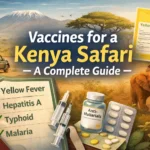
What Vaccinations Do You Need for Kenya Safari?
July 19, 2026
Do I Need a Visa for Kenya Safari?
July 19, 2026
Are Malaria Pills Needed for Kenya Safari?
If you are preparing for an African adventure, one health question deserves genuine attention: are malaria pills needed for Kenya safari? The honest answer for most safari travelers is usually yes, because malaria occurs across much of Kenya and travel health authorities commonly recommend preventive tablets for the areas where safaris happen. However, only a doctor can decide what you personally need, since risk varies by region, season, and your own health. Because malaria remains a serious illness that occasionally kills travelers who took it lightly, this topic deserves proper care rather than a quick internet answer. In this complete guide, we explain how malaria risk works in Kenya, why tablets alone never suffice, and the one warning sign that genuinely saves lives. By the end, you will know exactly how to prepare and what to discuss with your doctor.
Combined Uganda, Kenya, Rwanda and Tanzania Safaris
17 days Kenya Tanzania and Uganda safari
19 Days Uganda Kenya and Tanzania Safari
16 Days Kenya Tanzania and Uganda Safari
14 Days Kenya Uganda and Tanzania Safari
14 Days Kenya Uganda and Rwanda Safari
12 Day Gorilla Trekking and Tanzania Safari
Please Treat This as Background, Not Advice
Before anything else, let us be completely clear. This article offers general background to help you have a better conversation with a medical professional, not medical advice you should act on alone. Because appropriate malaria prevention depends on your exact itinerary, the season, your age, your health, your pregnancy status, other medications you take, and your medical history, only a doctor or travel clinic can advise you properly.
Furthermore, timing genuinely matters. Because most antimalarial tablets must start before you arrive in a risk area and continue for a period after you leave, you cannot simply buy something at the airport and expect protection. In addition, different medications carry different schedules, side effects, and suitability. Because travel clinics get busy and some medications need discussion, book your appointment at least six to eight weeks before departure. Consequently, your first practical step involves seeing a doctor rather than reading further. For malaria, professional advice genuinely protects you.
How Malaria Risk Varies Across Kenya
Understanding the geography helps enormously, because malaria risk genuinely differs across the country. Because the mosquitoes that carry malaria struggle to survive at higher altitudes and in very dry conditions, some areas carry considerably lower risk than others. As a result, a traveler spending a week in one region may face quite different advice from someone touring several.
Furthermore, general patterns exist, though they never replace current professional guidance. Because Nairobi sits at high altitude, the city itself typically carries lower risk than lowland areas. In addition, coastal regions and lower lying areas generally carry higher risk, while highland zones carry less. However, patterns shift with rainfall, season, and local conditions, and guidance gets revised as circumstances change. Because many popular safari destinations sit in areas where risk exists, most safari itineraries attract a recommendation for tablets.
Season plays a part too. Because mosquitoes breed in standing water, risk generally rises during and after the rains, when pools and puddles multiply across the landscape. In addition, a single itinerary often crosses several risk zones, since travelers frequently combine highland parks with lowland ones or finish on the coast. As a result, advice usually covers your whole trip rather than each stop separately. Because your operator knows exactly where you will sleep each night, ask them for your detailed itinerary before your appointment. Consequently, your specific route determines your advice. For accurate guidance, share your full itinerary with your doctor.
Why Tablets Alone Never Suffice
Here is something travelers frequently misunderstand, and it genuinely matters. No antimalarial tablet offers complete protection, because none reaches one hundred percent effectiveness. As a result, travelers who take their tablets religiously while ignoring mosquito bites still face real risk. Because of this, prevention works as a partnership between medication and bite avoidance rather than tablets alone.
Furthermore, understanding mosquito behaviour helps you protect yourself. Because the mosquitoes that carry malaria bite primarily between dusk and dawn, your evenings and early mornings matter most, exactly when you sit outside enjoying drinks or head out on a dawn game drive. In addition, they hunt indoors as well as outside. Because this timing runs so predictable, targeted precautions work genuinely well. Cover your arms and legs after sunset, apply repellent to exposed skin, and sleep under a net where provided. Moreover, keep tent flaps and windows closed at dusk.
A few practical habits strengthen this considerably. Choose a repellent your doctor or pharmacist recommends, and reapply it as the label instructs rather than once at sunset. In addition, treat your evening clothing as protective equipment, since lightweight long sleeves and trousers cover exactly the skin mosquitoes target. Because good camps provide nets and often spray tents before dinner, use what they offer rather than declining politely. Furthermore, check your net for holes and tuck it under the mattress properly. Consequently, bite prevention matters as much as any tablet. For real protection, do both.
How Antimalarial Tablets Actually Work
Understanding the principle helps you take them properly. Because antimalarial tablets work by killing the malaria parasite at various stages rather than by stopping mosquito bites, they need to be present in your system consistently. As a result, taking them irregularly or stopping early genuinely undermines their protection, which is why the schedule matters so much.
Furthermore, that schedule surprises many travelers. Because most regimes require you to start before entering a risk area, continue every single day throughout your trip, and keep taking them for a period after you return home, the course extends well beyond your holiday. In addition, that final stretch after you get home genuinely matters, since parasites can still be developing in your body. Because plenty of travelers feel fine and stop early, this represents one of the most common and most dangerous mistakes. Moreover, different medications carry different schedules entirely.
Practical habits help you stay on track. Set a daily phone alarm, since a missed dose reduces your protection genuinely rather than trivially. In addition, pack your tablets in your hand luggage, because checked bags occasionally go astray and replacing them abroad proves difficult. Furthermore, take enough for the whole course including the weeks after you return, and add a few spare in case of travel delays. Because some tablets suit being taken with food, ask your pharmacist how to take yours properly. Consequently, follow your doctor’s instructions exactly. For antimalarials, finishing the course genuinely protects you.
Different Tablets Suit Different People
Naturally, you will wonder which tablets to take, and here we must be careful. Because several different antimalarial medications exist, each with distinct schedules, side effect profiles, costs, and suitability, choosing between them genuinely requires medical assessment rather than internet research. As a result, no article should tell you which to take.
Furthermore, the factors involved run genuinely personal. Because some medications interact with other drugs you may take, some suit certain medical conditions poorly, and some carry side effects that particular people tolerate badly, your doctor weighs your whole picture. In addition, some suit longer trips better than shorter ones, while cost differs considerably between them. Because your doctor knows your history and can discuss the trade offs honestly, that conversation serves you far better than any list. Moreover, if one medication troubles you, alternatives usually exist. Consequently, discuss the options properly with a professional. For your specific situation, only they can decide.
Are Malaria Pills Needed for Kenya Safari for The Warning Sign That Saves Lives
Now for the single most important thing in this entire article, so please read it carefully. If you develop a fever during your trip or at any point after returning home, seek medical attention promptly and tell the doctor you have travelled to a malaria area. Because malaria symptoms can appear weeks or even months after you return, travelers frequently fail to connect a later illness with their holiday.
Furthermore, this delay causes genuine tragedy. Because malaria can initially resemble flu, with fever, headache, aches, and chills, doctors at home sometimes miss it entirely unless you mention your travel history. In addition, malaria can progress dangerously fast once it takes hold, so early treatment matters enormously. Because you might feel perfectly well for weeks before symptoms emerge, never assume you escaped simply because you finished your trip healthy. Moreover, mention your travel even if you took your tablets faithfully, since no medication guarantees protection.
Say it clearly and say it first. Because a busy doctor may assume ordinary flu, open the conversation with the fact that you recently visited a malaria area rather than waiting to be asked. In addition, keep a note of your travel dates and which tablets you took, since this genuinely helps them. Because malaria responds well to prompt treatment while becoming dangerous when delayed, speed matters more than certainty. Furthermore, never wait to see whether the fever passes. Consequently, fever after African travel warrants prompt medical attention. For your safety, this single fact matters most.
Are Malaria Pills Needed for Kenya safari for Children, Pregnancy, and Special Situations
Certain travelers need particularly careful advice, so flag your situation early. Because children’s bodies process medications differently, and because appropriate options and doses differ considerably by weight and age, families genuinely need proper medical guidance rather than adult assumptions. As a result, never share adult tablets with children or guess at doses.
Furthermore, pregnancy deserves specific attention. Because malaria carries heightened risks during pregnancy, and because some antimalarial medications suit pregnancy poorly, pregnant travelers need genuinely specialist advice about whether and how to travel. In addition, travelers with existing medical conditions, those taking regular medications, and anyone with a weakened immune system need tailored guidance. Because these situations carry real complexity, discuss them honestly and early with your doctor. Moreover, mention any previous reactions to antimalarials, since this genuinely shapes what your doctor can safely offer you. Consequently, special situations need special advice. For these travelers, early professional consultation genuinely matters.
Final Thoughts Are Malaria Pills Needed for Kenya Safari?
So, are malaria pills needed for Kenya safari? For most safari travelers, the answer is usually yes, but the right medication depends on your itinerary, the season, and your personal health. Consult a travel clinic six to eight weeks before departure, follow your prescribed antimalarial schedule, and combine it with mosquito bite prevention for the best protection. At Giant Holiday Safaris, we encourage all our guests to prepare well before travel by following official health advice, so they can experience Kenya’s incredible wildlife with confidence and peace of mind.