How Far Is Samburu from Nairobi?
July 9, 2026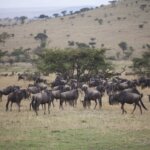
What Are the Best Game Drives in Serengeti
July 10, 2026
When Do Wildebeest Cross Mara River
Every year, one of the world’s most spectacular wildlife events unfolds across the plains of East Africa. Travelers from every continent ask the same exciting question: when do wildebeest cross Mara River? This dramatic moment forms one of the highlights of the Great Migration, where more than a million wildebeest, accompanied by hundreds of thousands of zebras and gazelles, move in search of fresh grazing land. The river crossings combine breathtaking scenery, raw survival, and incredible wildlife encounters, making them one of the greatest natural events on Earth.
The Mara River crossing is never guaranteed on a specific day because wildlife follows rainfall, grass growth, and natural instincts rather than a calendar. However, understanding the migration pattern helps visitors choose the best travel period for witnessing this unforgettable experience. Along the riverbanks, travelers often watch thousands of wildebeest gather before suddenly plunging into the fast-moving water while crocodiles wait below and predators patrol nearby.
For wildlife enthusiasts, photographers, and adventure seekers, witnessing this remarkable event is often the highlight of a Tanzania safari. With careful planning and expert guidance, visitors can enjoy an extraordinary front-row seat to one of nature’s most impressive survival stories.
Understanding the Great Migration as Wildebeest Cross the Mara River
To understand when do wildebeest cross Mara River, it is important to first understand the Great Migration itself. This incredible natural cycle involves more than 1.5 million wildebeest, along with large numbers of zebras, gazelles, elands, and other grazing animals that travel continuously through the Serengeti ecosystem in search of fresh grass and reliable water.
Unlike many people imagine, the migration does not follow a fixed route every year. Instead, it responds to seasonal rainfall and changing grazing conditions across northern Tanzania and Kenya. As the rains move from one region to another, the herds instinctively follow new pastures that provide enough food for millions of animals.
The migration begins with the calving season on the southern Serengeti plains, where hundreds of thousands of young wildebeest are born within a few weeks. As the dry season approaches, the herds gradually move through Central Serengeti before heading west and eventually north toward the Mara River.
This continuous movement creates one of the world’s largest wildlife spectacles. Throughout the journey, predators such as lions, leopards, cheetahs, hyenas, and crocodiles closely follow the herds, making every stage of the migration exciting for safari visitors.
Understanding this natural cycle helps travelers appreciate that the Mara River crossing represents only one chapter of an extraordinary year-round migration.
When Do Wildebeest Cross the Mara River
The simple answer to when do wildebeest cross Mara River is that crossings usually occur between July and October, although exact timing changes each year depending on rainfall and grazing conditions. Nature determines the schedule, so no safari operator can promise a crossing on a specific date.
During these months, enormous herds gather along the northern Serengeti near the Mara River. Sometimes thousands of animals wait for several hours or even days before one brave wildebeest takes the first leap into the water. Once that happens, hundreds or even thousands quickly follow, creating an unforgettable wildlife spectacle.
Some crossings happen early in the morning, while others take place during the hottest part of the day or shortly before sunset. Several crossings may occur in a single day, while other days remain surprisingly quiet.
After reaching Kenya’s Maasai Mara, many herds continue grazing before eventually returning south as rainfall patterns change later in the year. Because the migration constantly moves, every safari offers a unique experience.
Visitors who remain in northern Serengeti for several days greatly improve their chances of witnessing one or more crossings during their safari.
Why the Mara River Crossing Happens
The Mara River crossing happens because survival depends on reaching fresh grazing land. Millions of wildebeest cannot remain in one location for long since grass disappears quickly under such enormous numbers of animals. Their movement follows one simple goal: finding food and water.
As northern Tanzania becomes drier during the middle of the year, greener grass develops farther north near the Maasai Mara. The wildebeest naturally begin moving toward these richer grazing areas despite the dangers that lie ahead.
Crossing the Mara River is one of the greatest challenges they face. Strong currents, steep riverbanks, deep water, hidden rocks, and large Nile crocodiles create serious obstacles. Yet the animals continue because remaining behind would eventually leave them without enough food.
The crossings also demonstrate the remarkable instincts that guide wildlife across the Serengeti ecosystem. Although individual animals may hesitate, the herd eventually moves together in one powerful display of determination.
This annual journey has taken place for thousands of years and continues to support one of the most balanced ecosystems on Earth. Every crossing highlights the delicate relationship between rainfall, vegetation, herbivores, and predators.
Where to Watch the Mara River Crossing
Choosing the right location greatly improves your chances of witnessing a successful river crossing. The northern section of Serengeti National Park offers the best viewing opportunities before the herds enter Kenya’s Maasai Mara.
Several well-known crossing points exist along the Mara River, and experienced safari guides monitor herd movements daily to position visitors near the most active areas. Since the wildebeest may change direction unexpectedly, flexibility becomes an important part of every migration safari.
Staying in northern Serengeti during the migration season allows travelers to reach crossing sites quickly whenever guides receive reports of animal activity. Many safari camps are strategically located near these popular crossing areas, reducing travel time and increasing viewing opportunities.
Patience also plays a major role. Visitors sometimes wait quietly for several hours while thousands of wildebeest gather at the riverbank. Although this requires persistence, the reward can be one of the most unforgettable wildlife experiences imaginable.
Many travelers choose Giant Holiday Safaris because carefully planned itineraries maximize opportunities to witness the migration while allowing enough time to enjoy other remarkable wildlife throughout northern Serengeti.
Wildlife Encounters During the Crossing
Although wildebeest remain the stars of the Mara River crossing, many other animals contribute to this extraordinary natural event. Every crossing attracts predators, scavengers, birds, and countless grazing animals that create a rich and constantly changing wildlife experience.
Large Nile crocodiles wait beneath the water’s surface for opportunities created by the crossing herds. Along the riverbanks, lions, hyenas, and leopards watch carefully for vulnerable animals that become separated from the group. This creates dramatic moments that reveal the realities of life in the African wilderness.
Zebras often cross alongside wildebeest, using their sharp eyesight to help detect danger. Thomson’s gazelles, topis, elands, and other antelope species may also appear nearby depending on seasonal grazing patterns.
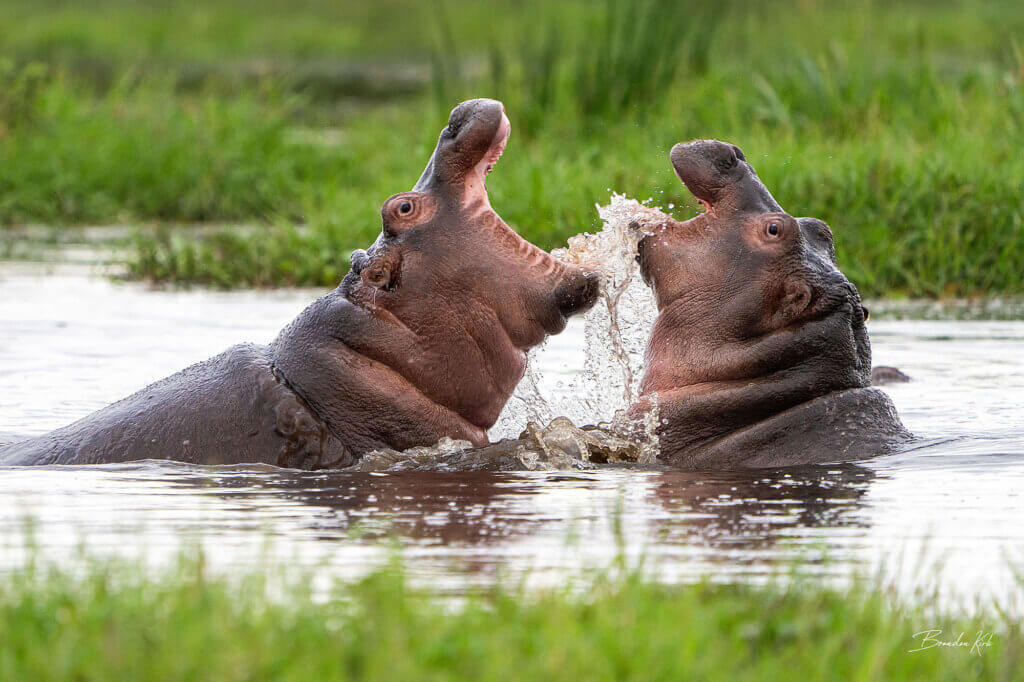
Birdlife adds even more excitement. Vultures circle overhead, waiting for feeding opportunities, while fish eagles, kingfishers, storks, and herons thrive around the river ecosystem. Hippos remain in deeper pools, adding another fascinating element to the landscape.
Every crossing becomes unique because wildlife behavior constantly changes. No two safaris are ever exactly alike, making each visit to northern Serengeti a truly unforgettable adventure for photographers, nature lovers, and first-time safari travelers alike.
Best Time to Visit for the Mara River Crossing when Wildebeest Cross
Choosing the right travel dates is one of the most important steps when planning to witness the Great Migration. If you have been asking when do wildebeest cross Mara River, the best period to visit is generally from July through October. During these months, massive herds reach the northern Serengeti as they search for greener grazing areas across the Mara River.
Although this is the peak migration season, nature always follows its own timetable. Rainfall patterns, grass availability, and animal behavior influence exactly when and where the crossings take place. Some years the first crossings begin in late July, while in other years they become more active in August or September. This natural variation makes every migration season unique.
Travelers should also remember that the crossing itself is unpredictable. A herd may gather at the riverbank for several hours before deciding to cross, only to turn back and wait even longer. Then, without warning, thousands of wildebeest suddenly charge into the river together, creating one of the most breathtaking wildlife spectacles in Africa.
Booking several days in the northern Serengeti greatly improves your chances of witnessing at least one successful crossing. Longer stays also provide opportunities to enjoy outstanding game drives while waiting for the migration to unfold naturally.
Tips for Planning Your Migration Safari
A successful migration safari begins with careful planning. Since the Mara River crossing attracts visitors from around the world, preparing early helps secure the best accommodations, experienced guides, and convenient travel arrangements.
Start by booking your safari several months in advance, especially if you plan to travel during the peak migration season. Popular safari lodges and tented camps near the Mara River often fill quickly because they offer excellent access to active crossing points.
Selecting an itinerary with multiple nights in northern Serengeti is equally important. Wildlife movements change daily, and spending additional time in the area allows guides to adjust game drives according to the latest herd locations.
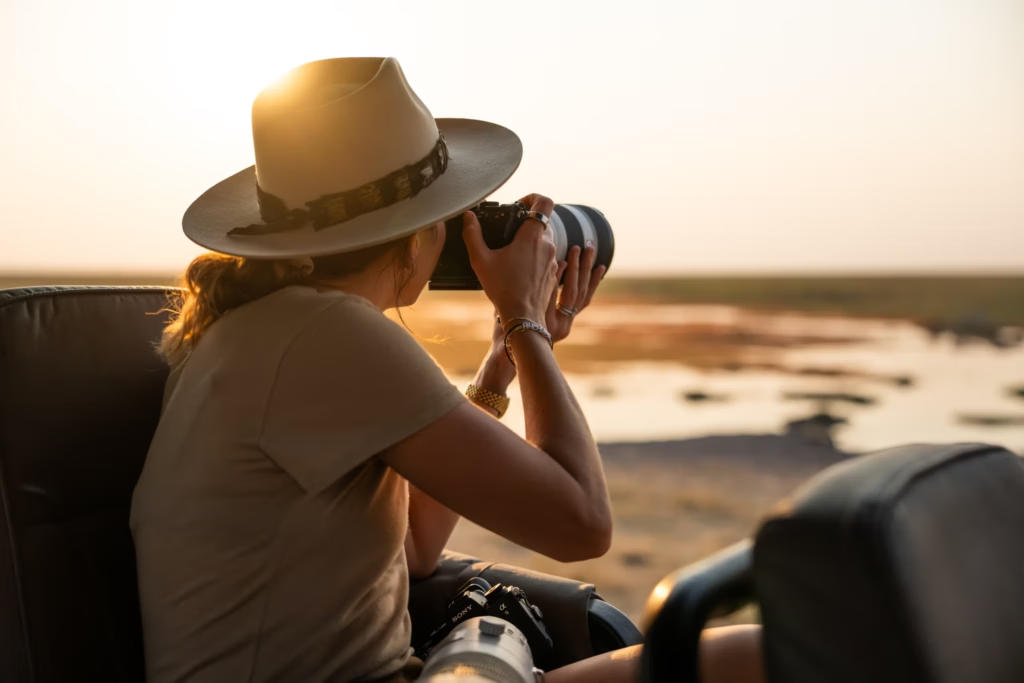
Packing the right equipment also enhances your experience. Comfortable neutral-colored clothing, binoculars, sunscreen, insect repellent, a hat, a reusable water bottle, and a quality camera help you enjoy long hours in the field. Extra camera batteries and memory cards are particularly valuable because exciting wildlife encounters often continue throughout the day.
Maintaining realistic expectations also contributes to a rewarding safari. Nature cannot be scheduled, but every day offers incredible opportunities to observe elephants, lions, giraffes, zebras, cheetahs, leopards, and many other remarkable species across the Serengeti ecosystem.
Choosing the Right Safari Experience to Watch Wildebeest Cross the Mara River
Every traveler experiences the Great Migration differently, making it important to choose a safari that matches your interests, budget, and travel style. Fortunately, northern Tanzania offers a wide range of options suitable for first-time visitors and experienced safari enthusiasts alike.
Luxury fly-in safaris provide quick access to northern Serengeti while offering elegant lodges, personalized service, and exceptional comfort. These itineraries reduce travel time and maximize wildlife viewing opportunities.
Road safaris remain another excellent choice. Although they require more travel time, they allow visitors to explore several famous destinations including Tarangire National Park, Lake Manyara National Park, and the Ngorongoro Conservation Area before reaching the Serengeti. This creates a richer and more diverse safari experience.
Private safaris offer maximum flexibility because guides can adjust daily schedules according to current wildlife movements and guest preferences. Small group safaris provide excellent value while allowing travelers to share unforgettable moments with others who appreciate nature.
Many visitors trust Giant Holiday Safaris to design personalized migration itineraries that combine expert local knowledge with carefully selected accommodations and experienced guides. Thoughtful planning helps travelers spend more time enjoying wildlife and less time worrying about logistics.
Photography Tips for the Mara River Crossing
The Mara River crossing offers some of the finest wildlife photography opportunities anywhere in the world. Capturing these dramatic moments requires patience, preparation, and a willingness to observe nature carefully.
Good lighting plays a major role in wildlife photography. Early mornings and late afternoons often produce softer light that enhances landscapes, animal details, and dramatic action scenes. However, exciting crossings may happen at any time of day, so photographers should always keep their equipment ready.
A zoom lens helps capture wildlife safely from a distance without disturbing natural behavior. Fast shutter speeds freeze movement as thousands of wildebeest race through the river while crocodiles and splashing water create dramatic scenes.
Photographers should also remember to capture the surrounding environment instead of focusing only on action shots. Wide landscape images showing the river, rolling hills, gathering herds, and dramatic skies help tell the complete migration story.
Patience remains one of the most valuable photography skills. Sometimes hours pass without major activity, yet the perfect moment often arrives unexpectedly. Remaining alert allows photographers to capture unforgettable images that reflect both the beauty and raw power of the Great Migration.
Experience the Mara River Crossing With Confidence
If you have been wondering when do wildebeest cross Mara River, you now understand why this remarkable event fascinates wildlife lovers across the globe. Although the crossings usually occur between July and October, nature determines the exact timing, making every migration season unique and exciting.
Witnessing thousands of wildebeest leap into the Mara River while predators wait nearby creates memories that remain unforgettable for a lifetime. Beyond the crossing itself, visitors also enjoy outstanding wildlife viewing, breathtaking scenery, and exceptional opportunities to experience one of Africa’s greatest natural wonders.
Planning ahead, choosing the right season, allowing several days in northern Serengeti, and traveling with experienced guides all increase the likelihood of enjoying this extraordinary event. Every safari offers something different, ensuring that no two visits are ever exactly the same.
Giant Holiday Safaris creates carefully planned Tanzania safari experiences that allow travelers to enjoy the Great Migration while exploring many of the country’s most remarkable national parks. Once you witness the Mara River crossing with your own eyes, it becomes clear why this extraordinary wildlife event ranks among the greatest natural spectacles on Earth.
Combined Uganda, Kenya, Rwanda and Tanzania Safaris
17 days Kenya Tanzania and Uganda safari
19 Days Uganda Kenya and Tanzania Safari
16 Days Kenya Tanzania and Uganda Safari
14 Days Kenya Uganda and Tanzania Safari
14 Days Kenya Uganda and Rwanda Safari