
What animals live in Queen Elizabeth National Park
June 17, 2026
What is special about Murchison Falls National Park
June 24, 2026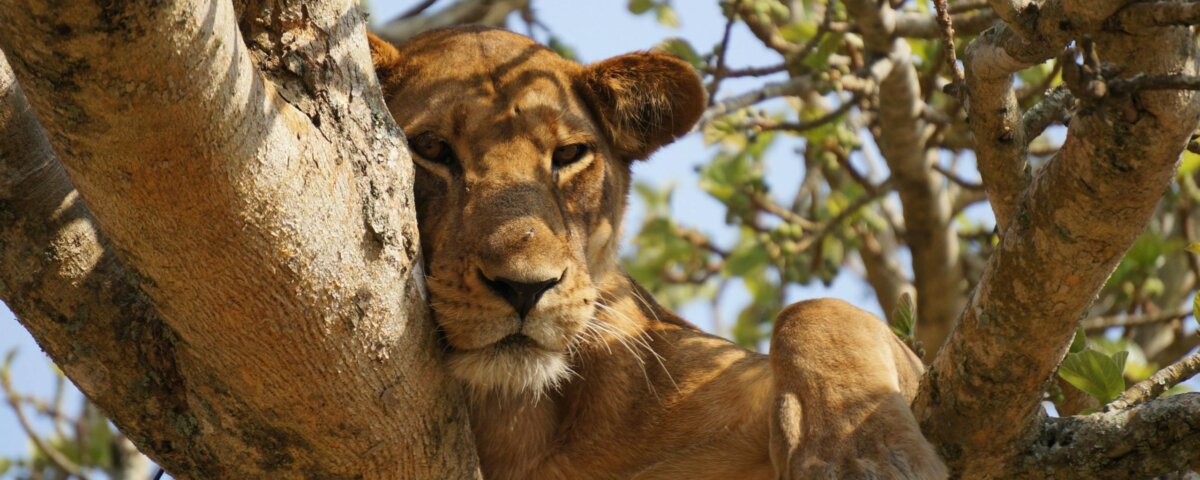
Where Can I See Tree Climbing Lions in Uganda?
Where can I see tree climbing lions in Uganda? Tree climbing lions in Uganda live mainly in Queen Elizabeth National Park, especially in the Ishasha Sector located in the southern part of the park. This unique area offers one of the best opportunities in Africa to watch lions resting and lounging high in fig trees and acacia trees. While lions generally spend most of their time on the ground, the lions of Ishasha have developed a fascinating habit of climbing trees, making them one of Uganda’s most remarkable wildlife attractions. Visitors from around the world travel to Uganda specifically to witness this rare behavior. Besides offering excellent wildlife viewing opportunities, Uganda provides beautiful landscapes, diverse ecosystems, and unforgettable safari experiences that make every visit rewarding.
Best Uganda Gorilla Trekking Tours
18 Days Best Uganda Adventure Safaris
14-Days Uganda Gorillas & Wildlife Tour
12 Days Gorillas, Chimps & Wildlife Safari
10 days Uganda primates & wildlife safari
10 Days Uganda Gorillas and Game Safari
7 Days Gorillas & Wildlife Safari
6 Days Gorillas and Chimps Trek Safari
3 Day Bwindi Gorilla Trekking Safari
4 Days Gorilla Trekking & Boat Cruise
9 Days Uganda Luxury Safari Tour
Why Are Tree Climbing Lions So Special?
Tree climbing lions remain one of Africa’s most unusual wildlife spectacles. Lions typically prefer staying on the ground because their bodies are built for hunting and resting on open plains. However, the lions found in Uganda’s Ishasha Sector regularly climb trees and spend long hours balancing on sturdy branches.
This behavior attracts wildlife enthusiasts, photographers, conservationists, and safari travelers from every corner of the world. Watching a fully grown lion resting comfortably on a tree branch creates an unforgettable safari moment. The sight often surprises first-time visitors because many people associate tree climbing with leopards rather than lions.
Scientists continue to study this unique behavior. Several factors may contribute to it, including escaping biting insects, cooling off during hot afternoons, and gaining a better view of surrounding prey. Regardless of the reason, the habit has become one of Uganda’s most famous wildlife attractions.
As a result, Uganda stands out among African safari destinations because it offers visitors a chance to witness a wildlife behavior that remains rare throughout the continent. This unique experience continues to strengthen Uganda’s reputation as a premier safari destination.
Queen Elizabeth National Park: The Home of Uganda’s Tree Climbing Lions
Queen Elizabeth National Park serves as the primary destination for anyone hoping to see tree climbing lions in Uganda. Located in western Uganda, the park covers nearly 2,000 square kilometers and features an incredible variety of habitats.
The park contains open savannahs, wetlands, forests, crater lakes, and river systems that support a rich diversity of wildlife. Visitors often encounter elephants, buffaloes, antelopes, hippos, crocodiles, and numerous bird species during their safari adventures.
Among all sections of the park, the Ishasha Sector receives the most attention because of its famous tree climbing lions. The sector lies near Uganda’s border with the Democratic Republic of Congo and offers a quieter safari experience compared to other parts of the park.
The landscapes of Ishasha create perfect conditions for wildlife viewing. Vast grasslands stretch across the horizon while large fig trees dot the plains. These trees provide ideal resting places for the lions and increase visitors’ chances of spotting them.
In addition to lions, visitors can enjoy sightings of Uganda kob, topi, elephants, buffaloes, and various bird species. Therefore, a safari to Queen Elizabeth National Park delivers much more than a search for tree climbing lions. It provides a complete African wildlife experience.
Exploring the Ishasha Sector
The Ishasha Sector represents the heart of Uganda’s tree climbing lion experience. This remote wilderness area offers a distinct atmosphere that differs from many crowded safari destinations across Africa.
As visitors drive through the sector, they quickly notice the large fig trees scattered across the landscape. Experienced safari guides carefully scan these trees because lions often spend several hours resting among the branches.
The best game drives typically take place during the early morning and late afternoon hours. During these times, wildlife remains active and temperatures stay comfortable. However, lions can often be found in trees throughout the day, especially when the weather becomes hot.
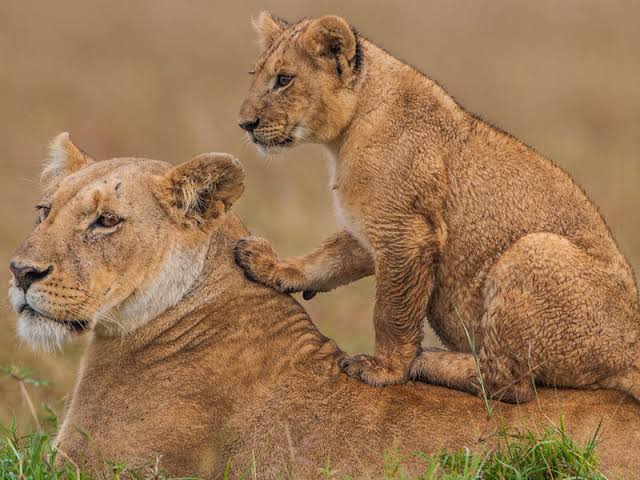
One of the most exciting aspects of exploring Ishasha involves the unpredictability of wildlife encounters. Some visitors discover several lions in a single tree, while others may witness mothers resting alongside cubs high above the ground.
The peaceful environment of the sector enhances the experience even further. Fewer vehicles mean visitors can enjoy longer wildlife sightings without distractions. This creates better opportunities for photography and observation.
For travelers seeking authentic safari experiences, the Ishasha Sector offers an ideal combination of wildlife abundance, stunning scenery, and unique lion behavior.
What Makes Lions Climb Trees in Ishasha?
Many travelers ask why lions in Ishasha climb trees while most lions elsewhere remain on the ground. Although researchers continue to explore this behavior, several theories provide possible explanations.
First, climbing trees may help lions escape annoying insects. During certain seasons, biting flies become particularly active on the ground. By moving into the trees, lions may avoid constant irritation and enjoy greater comfort.
Second, trees provide cooler resting places. The elevated branches catch refreshing breezes that help lions regulate their body temperature during warm afternoons. This cooling effect becomes especially important during dry seasons when temperatures rise significantly.
Third, trees offer excellent vantage points. Lions resting above the ground can monitor their surroundings more effectively. From their elevated positions, they can observe prey movements and remain aware of potential threats.
Additionally, the behavior may have become a learned tradition passed from one generation to another. Young cubs observe adult lions climbing trees and gradually adopt the same habit as they mature.
Regardless of the exact reason, this remarkable adaptation demonstrates the incredible flexibility and intelligence of wildlife. It also provides visitors with one of the most unique safari experiences available anywhere in Africa.
Best Time to See Tree Climbing Lions in Uganda
Tree climbing lions can be seen throughout the year in Uganda, making Queen Elizabeth National Park an excellent destination during any season. However, some periods offer better wildlife viewing conditions than others.
The dry seasons generally provide the best opportunities for safaris. These seasons occur from June to September and from December to February. During these months, vegetation becomes thinner, making it easier to spot wildlife.
Road conditions also improve during dry periods, allowing visitors to access various parts of the Ishasha Sector comfortably. Furthermore, animals often gather around water sources, increasing wildlife viewing opportunities.
The rainy seasons bring their own advantages. The landscape becomes lush and green, creating beautiful scenery for photography. Birdlife flourishes, and the park appears vibrant and refreshing.
While weather conditions may vary, experienced guides know where lions frequently rest and can significantly improve the chances of successful sightings. Therefore, visitors can enjoy rewarding safari experiences regardless of the season they choose.
Planning a safari during the dry months may maximize visibility, but Uganda’s tree climbing lions remain a year-round attraction that continues to impress visitors throughout every season.
Wildlife Experiences Beyond Tree Climbing Lions
Although tree climbing lions serve as the main attraction in Ishasha, visitors discover many other incredible wildlife experiences during their safari adventures.
Large herds of African elephants frequently roam the grasslands and woodlands. These majestic animals often provide memorable encounters as they move through the park in family groups.
Buffaloes appear throughout the region and contribute to the park’s rich wildlife diversity. Uganda kob and topi thrive in the open savannahs, creating excellent opportunities for wildlife photography.
Bird enthusiasts also find plenty to enjoy. Queen Elizabeth National Park supports hundreds of bird species, making it one of East Africa’s leading birdwatching destinations. Colorful kingfishers, eagles, storks, and bee-eaters frequently delight visitors.
A safari itinerary can also include boat cruises along the Kazinga Channel. This famous waterway hosts large populations of hippos, crocodiles, and water birds. The boat experience complements game drives and provides different perspectives on Uganda’s wildlife.
As a result, travelers who visit Ishasha for tree climbing lions often leave with a deeper appreciation for Uganda’s extraordinary biodiversity and natural beauty.
Tips for Seeing Tree Climbing Lions Successfully
Careful planning can significantly improve the chances of seeing tree climbing lions during a safari in Uganda.
Booking an experienced guide should remain a top priority. Local guides understand lion behavior and know the locations where sightings occur most frequently. Their expertise often makes the difference between a good safari and an exceptional one.
Starting game drives early in the morning increases wildlife viewing opportunities. Morning hours often provide excellent lighting conditions for photography and comfortable temperatures for exploring the park.
Visitors should also bring binoculars. Lions sometimes rest high in tree canopies, and binoculars help reveal details that may not be visible from a distance.
Patience plays an equally important role. Wildlife viewing depends on natural conditions, and every safari unfolds differently. Taking time to observe the environment often leads to rewarding discoveries.
Finally, choosing accommodations near the Ishasha Sector allows travelers to maximize their time searching for tree climbing lions. Several lodges and camps provide convenient access to prime wildlife viewing areas.
Conclusion
If you are wondering where you can see tree climbing lions in Uganda, the answer is the Ishasha Sector of Queen Elizabeth National Park. This remarkable destination offers one of the world’s best opportunities to witness lions resting high in fig and acacia trees. Beyond this unique attraction, visitors enjoy exceptional wildlife viewing, breathtaking landscapes, rich biodiversity, and authentic African safari experiences. Whether you are a wildlife photographer, nature enthusiast, or first-time safari traveler, visiting Uganda’s tree climbing lions promises unforgettable memories. Their rare behavior continues to captivate travelers from around the world and reinforces Uganda’s position as one of Africa’s most rewarding safari destinations.