Which wildlife parks are best in Uganda
June 17, 2026
Where can I see tree climbing lions in Uganda
June 24, 2026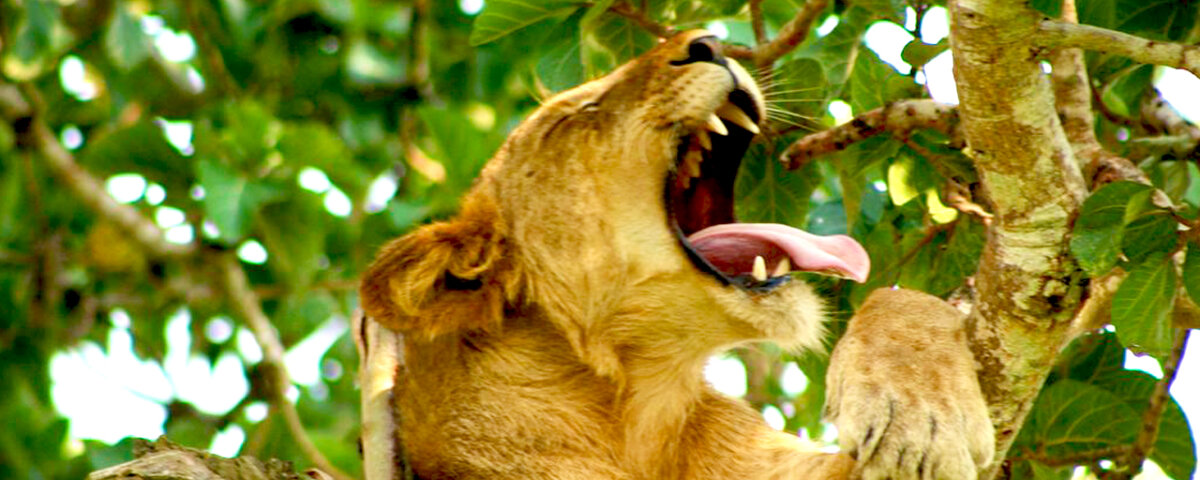
What Animals Live in Queen Elizabeth National Park?
What animals live in Queen Elizabeth National Park? This is one of the most common questions among travelers planning a safari in Uganda, and the answer is both rich and exciting. Queen Elizabeth National Park hosts one of the most diverse wildlife ecosystems in Africa, where savannah, wetlands, forests, and crater lakes all support different animal species. As a result, visitors experience a wide variety of wildlife within a single safari destination. From large mammals like elephants and buffalo to rare tree climbing lions and colorful bird species, the park delivers a complete African wildlife experience. Its strong ecosystem also supports primates, reptiles, and aquatic life, making it a true natural treasure. This diversity makes the park a top destination for travelers seeking authentic wildlife encounters in Uganda. Understanding what lives in this park helps travelers plan better and appreciate the depth of biodiversity they will experience on safari.
Best Uganda Gorilla Trekking Tours
18 Days Best Uganda Adventure Safaris
14-Days Uganda Gorillas & Wildlife Tour
12 Days Gorillas, Chimps & Wildlife Safari
10 days Uganda primates & wildlife safari
10 Days Uganda Gorillas and Game Safari
7 Days Gorillas & Wildlife Safari
6 Days Gorillas and Chimps Trek Safari
3 Day Bwindi Gorilla Trekking Safari
4 Days Gorilla Trekking & Boat Cruise
9 Days Uganda Luxury Safari Tour
Mammals in Queen Elizabeth National Park
Queen Elizabeth National Park supports a wide range of mammals that roam freely across its savannah plains, forests, and wetlands. Large herbivores dominate the landscape, and they create a strong foundation for the park’s ecosystem. African elephants move in family groups and often appear near water sources, especially during dry seasons. Buffalo herds also gather in large numbers and graze across open plains, creating dramatic safari scenes. Uganda kobs, waterbucks, bushbucks, and warthogs add more variety to the grasslands, offering constant wildlife activity throughout the day.
In addition, hippos thrive in rivers and lakes, especially around the Kazinga Channel. They spend most of the day in water and emerge at night to graze. This balance between land and water mammals makes the park highly dynamic. Leopards also exist in quieter forested zones, although they remain elusive. The mammal diversity ensures that every safari drive offers something new, reinforcing the park’s reputation as one of Africa’s most rewarding wildlife destinations.
Big Cats and Predators
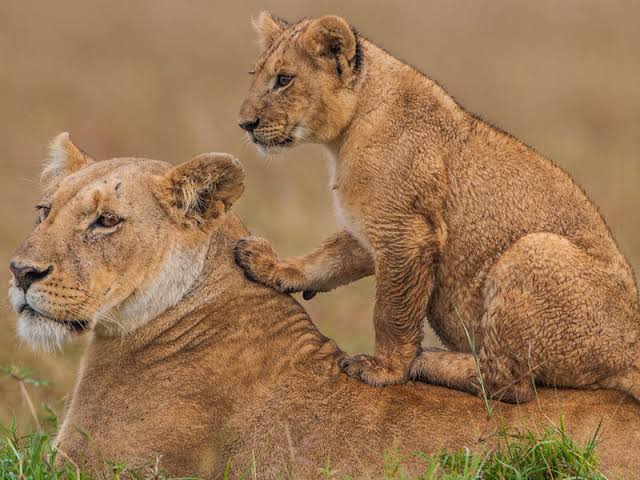
The predator population in Queen Elizabeth National Park adds intensity and excitement to every safari experience. Lions remain the most famous predators in the park, and they dominate several sections of the savannah. These lions often hunt Uganda kobs, buffalo calves, and other grazing animals. One of the most unique highlights is the presence of tree climbing lions in the Ishasha sector, where they rest in fig trees during hot afternoons. This rare behavior attracts travelers from all over the world.
Leopards also live within the park, although they stay hidden in dense vegetation and rocky outcrops. Their stealth and nighttime hunting habits make sightings more challenging but highly rewarding. Spotted hyenas play a strong role as scavengers and hunters, working in clans to maintain ecological balance. Smaller predators such as serval cats and side striped jackals also contribute to the food chain. Together, these predators ensure a healthy ecosystem by controlling herbivore populations and maintaining natural balance across the park’s habitats.
Primates in the Park
Primates form an important part of the wildlife experience in Queen Elizabeth National Park. Chimpanzees stand out as the most fascinating primates in the park, especially in the Kyambura Gorge. This deep forested valley creates a unique habitat where chimpanzees live, move, and interact in complex social groups. Their behavior, communication, and intelligence attract researchers and tourists alike.
Beyond chimpanzees, several other primate species thrive in forested and woodland areas. Vervet monkeys move in lively troops and often appear near lodges and forest edges. Black and white colobus monkeys add visual beauty with their striking black and white coats and graceful tree movements. Olive baboons are also common and often travel in large troops across open areas and road sides.
These primates play a vital ecological role by dispersing seeds and maintaining forest regeneration. Their presence enhances biodiversity and adds depth to the safari experience. As visitors explore different habitats, they often encounter multiple primate species within a single day, making the park even more rewarding for wildlife enthusiasts.
Bird Species in Queen Elizabeth National Park
Queen Elizabeth National Park stands as one of Africa’s top birdwatching destinations, with over 600 recorded bird species. This makes it a paradise for bird lovers and wildlife photographers. The park’s varied habitats, including wetlands, savannahs, forests, and lakeshores, create ideal conditions for both resident and migratory birds.
The iconic African fish eagle dominates the skies near water bodies, often seen perched on tall trees scanning for fish. The elusive shoebill stork attracts global attention due to its prehistoric appearance and rare sightings in swampy areas. Kingfishers, herons, pelicans, and cormorants thrive along the Kazinga Channel, creating vibrant bird activity throughout the day.
In the savannah, secretary birds walk across grasslands hunting insects and small reptiles. Bee-eaters add color with their bright feathers and fast flight patterns. Hornbills and weaver birds also contribute to the rich diversity. Birdwatching in this park offers both beginners and experts a rewarding experience, especially during early mornings and late afternoons when bird activity peaks.
Reptiles and Aquatic Life
Reptiles and aquatic species add another layer of biodiversity to Queen Elizabeth National Park. Nile crocodiles dominate riverbanks and lake edges, especially along the Kazinga Channel. These powerful reptiles remain still for long periods before launching sudden attacks on fish or unsuspecting animals approaching the water.
Various snake species also live in the park, including pythons and cobras, although they usually avoid human contact. Monitor lizards move along water edges and wetlands, feeding on fish, eggs, and small animals. Their presence highlights the park’s balanced ecosystem.
Aquatic life thrives in Lake Edward, Lake George, and connecting channels. Fish species support both wildlife and local fishing communities around the park. Hippopotamuses play a major role in aquatic ecosystems by shaping riverbanks and influencing water flow through their movements. This combination of reptiles and aquatic life creates a strong link between land and water ecosystems, making the park ecologically complete and highly diverse.
Kazinga Channel Wildlife Experience
The Kazinga Channel offers one of the most spectacular wildlife viewing experiences in Africa. This natural waterway connects Lake Edward and Lake George, attracting an incredible concentration of animals throughout the year. Boat safaris along the channel reveal close encounters with hippos, elephants, buffalo, and crocodiles in their natural environment.
Large hippo pods dominate the waters, often seen in groups that stretch across wide sections of the channel. Elephants frequently come to the water to drink and bathe, creating unforgettable photography moments. Buffalo herds also gather at the shoreline, especially during dry seasons when water becomes essential for survival.
Birdlife along the channel remains unmatched, with flocks of pelicans, kingfishers, cormorants, and herons filling the skies and water edges. This area provides one of the highest wildlife densities in the park, making it a must visit for every traveler. The calm boat rides allow close observation without disturbing the animals, creating a safe and immersive safari experience.
Ishasha Sector and Tree Climbing Lions
The Ishasha sector stands out as one of the most unique regions in Queen Elizabeth National Park. It is famous for its rare tree climbing lions, a behavior seen in only a few places in the world. These lions rest in large fig trees during hot afternoons, offering travelers an extraordinary sight that defines Uganda’s safari experience.
The open savannah in Ishasha supports large herds of Uganda kobs, which serve as the main prey for these lions. This predator prey relationship creates an active and balanced ecosystem. Buffaloes and topis also roam the plains, adding to the diversity of wildlife in the area.
Birdlife remains active in Ishasha, with raptors such as eagles and vultures frequently seen soaring above. The quiet and less crowded environment also enhances wildlife viewing, allowing travelers to enjoy undisturbed encounters. Ishasha provides a perfect combination of dramatic predator behavior and peaceful savannah landscapes, making it one of the most memorable sections of the park.
Best Time to See Animals and Safari Tips
Timing plays a major role when planning a safari in Queen Elizabeth National Park. The dry seasons, from June to September and December to February, offer the best wildlife viewing opportunities. During this period, animals gather around water sources, making them easier to spot across open landscapes. Roads also remain more accessible, allowing smoother game drives.
Early morning and late afternoon provide the best chances to see active wildlife. Predators hunt during cooler hours, while herbivores graze more openly. Midday heat often pushes animals into shade, making sightings less frequent.
Travelers should also explore different habitats to maximize wildlife encounters. Savannah areas, wetlands, forests, and crater lakes each host unique species. Boat cruises along the Kazinga Channel and guided walks in forested areas further enhance the experience. With proper planning and patience, visitors enjoy a complete safari adventure that reveals the full richness of wildlife in the park.
In conclusion, what animals live in Queen Elizabeth National Park? The park hosts elephants, lions, leopards, buffalo, hippos, chimpanzees, hundreds of bird species, reptiles, and aquatic life across diverse ecosystems. Every habitat contributes to this rich biodiversity, making Queen Elizabeth National Park one of Africa’s most complete and rewarding wildlife destinations.