Can I See Zebras in Tanzania
August 1, 2026
What Is Big Five Safari in Tanzania
August 1, 2026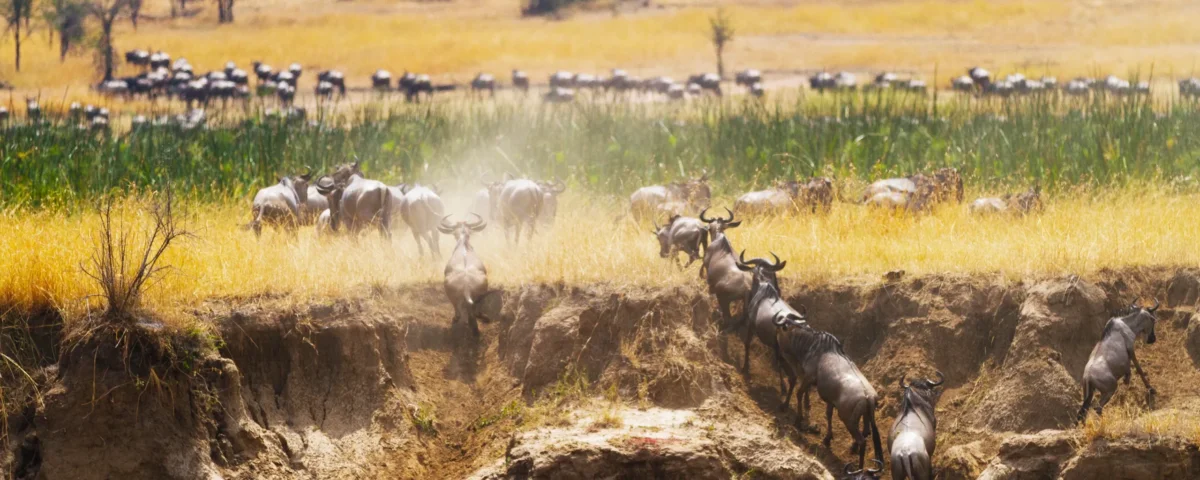
Which Animals Migrate in Serengeti
Many travellers planning an African safari ask, which animals migrate in Serengeti, because they want to witness one of the greatest wildlife spectacles on Earth. Every year, millions of animals travel across the vast plains of northern Tanzania and southern Kenya in search of fresh grass and reliable water. This incredible movement, known as the Great Migration, creates unforgettable safari experiences while supporting one of the world’s richest ecosystems.
Although wildebeests lead this remarkable journey, they do not travel alone. Large herds of zebras, gazelles, and several other species join the migration as they move through the Serengeti ecosystem. Along the way, predators such as lions, cheetahs, hyenas, leopards, and crocodiles closely follow the migrating animals, creating dramatic wildlife encounters that attract visitors from around the globe.
The migration never truly stops. Instead, it continues throughout the year as animals respond to seasonal rainfall and changing grazing conditions. Every month offers different experiences, allowing visitors to witness calving, river crossings, predator interactions, and enormous herds spread across the endless plains.
Planning your safari with Giant Holiday Safaris gives you the opportunity to experience the migration from the best locations while benefiting from knowledgeable guides and carefully planned itineraries.
Understanding which animals migrate in Serengeti helps travellers appreciate the extraordinary natural processes that make Tanzania one of Africa’s most celebrated wildlife destinations.
Combined Uganda, Kenya, Rwanda and Tanzania Safaris
17 days Kenya Tanzania and Uganda safari
19 Days Uganda Kenya and Tanzania Safari
16 Days Kenya Tanzania and Uganda Safari
14 Days Kenya Uganda and Tanzania Safari
14 Days Kenya Uganda and Rwanda Safari
12 Day Gorilla Trekking and Tanzania Safari
Which Animals Migrate in Serengeti?
When people ask which animals migrate in Serengeti, they often think only about wildebeests. However, the Great Migration includes several species that travel together across the Serengeti Mara ecosystem in one of the largest land animal movements on the planet.
The blue wildebeest forms the heart of the migration. More than 1.5 million wildebeests move continuously in search of nutritious grass and dependable water supplies. Their massive numbers create breathtaking scenes that stretch across the horizon for kilometres.
Zebras also play an important role. Approximately 250,000 plains zebras join the migration every year. Their grazing habits complement those of wildebeests because zebras eat taller grasses first, making it easier for wildebeests to feed on the shorter, more nutritious shoots that remain.
Thomson’s gazelles travel alongside the larger herds as well. Nearly half a million of these graceful antelopes participate in different stages of the migration. Their agility helps them avoid predators while allowing them to take advantage of fresh grazing areas.
Grant’s gazelles also move within parts of the migration, although in smaller numbers. Together with impalas and elands, they contribute to the diversity of herbivores travelling across the Serengeti.
As these herbivores migrate, predators closely follow. Lions, cheetahs, leopards, hyenas, jackals, and crocodiles all benefit from the abundance of prey created by the migration.
Although elephants, giraffes, buffaloes, and hippos remain largely resident within their territories, the migrating herbivores create seasonal wildlife concentrations that influence the movements and behaviour of many other Serengeti animals.
Why the Great Migration Happens in Serengeti
The Great Migration happens because animals constantly search for the best grazing conditions and reliable water. Unlike human made migrations, this natural movement follows seasonal rainfall that determines where fresh grass grows across the Serengeti ecosystem.
Rainfall drives every stage of the migration. When rain falls on the southern Serengeti plains, fresh grass quickly emerges. Wildebeests, zebras, and gazelles move into these areas because the new vegetation provides excellent nutrition, especially for pregnant females preparing to give birth.
As the dry season approaches, grass begins to disappear. Water sources also become more limited. The herds gradually move westward and then northward, following the remaining green pastures toward the northern Serengeti and eventually into Kenya’s Maasai Mara.
Once seasonal rains begin again in the south, the migration slowly returns to Tanzania, completing another annual cycle. Although the general route remains similar each year, rainfall patterns can influence the exact timing and location of the herds.
This constant movement also benefits the ecosystem. Grazing animals prevent grasslands from becoming overgrown while naturally fertilising the soil through their waste. Their migration supports healthy vegetation, numerous insect species, birds, predators, and scavengers.
Predators rely heavily on these seasonal movements because migrating herbivores provide abundant food. Lions, hyenas, cheetahs, leopards, and crocodiles all adjust their hunting patterns according to the location of the herds.
The Great Migration demonstrates how closely wildlife depends on seasonal weather, healthy habitats, and natural ecological processes that have existed for thousands of years.
The Main Animals That Migrate in Serengeti
Several species participate in the Great Migration, although each contributes differently to this remarkable natural event. Together, these animals create one of the world’s largest wildlife spectacles.
Blue wildebeests remain the undisputed stars of the migration. Their enormous numbers dominate the landscape as they travel almost continuously throughout the year. Female wildebeests usually give birth within a short period during the calving season, producing hundreds of thousands of calves that quickly learn to keep pace with the moving herds.
Plains zebras travel alongside wildebeests because their different feeding habits benefit both species. Zebras consume taller grasses first, allowing wildebeests to feed on shorter grasses that contain higher nutritional value. This natural partnership improves survival for both animals.
Thomson’s gazelles represent another important migration participant. Their speed and agility help them escape predators while following fresh grazing opportunities across the Serengeti.
Grant’s gazelles and elands also join sections of the migration, although their movements may vary depending on local environmental conditions. Together, these herbivores create extraordinary wildlife concentrations rarely seen anywhere else on Earth.
Predators do not officially participate in the migration, yet they remain closely connected to it. Lions establish territories near migration routes, cheetahs patrol open plains, hyenas follow the herds, and crocodiles wait at river crossings. Their presence transforms the migration into a dramatic struggle for survival.
Scavengers also benefit greatly. Vultures, jackals, and other opportunistic animals rely on carcasses left behind by predators or animals that fail to survive the demanding journey.
Every species contributes to the remarkable complexity of the Great Migration and the overall health of the Serengeti ecosystem.
How the Migration Supports the Serengeti Ecosystem
The Great Migration does far more than move millions of animals across East Africa. It plays a vital role in maintaining one of the planet’s healthiest and most balanced ecosystems. Every stage of the migration supports countless plants, animals, and natural processes.
As migrating herbivores graze, they prevent grasslands from becoming overgrown. Fresh grass quickly regenerates after grazing, creating healthier vegetation that supports future generations of wildlife.
Animal waste naturally fertilises the soil, returning nutrients that encourage plant growth. These nutrients benefit insects, birds, small mammals, and many other species throughout the Serengeti.
The migration also provides food for predators. Lions, cheetahs, hyenas, leopards, crocodiles, and wild dogs depend heavily on migrating prey populations. Healthy predator numbers help regulate herbivore populations while maintaining ecological balance.
Scavengers such as vultures, jackals, and hyenas further contribute by consuming carcasses that might otherwise spread disease. Their feeding habits recycle valuable nutrients back into the environment.
River crossings create another important ecological process. Animals that perish while crossing rivers provide food for crocodiles, fish, birds, and numerous aquatic organisms. Even these difficult moments contribute to the overall health of the ecosystem.
The migration also influences birdlife. Many resident and migratory bird species follow grazing animals because insects become more abundant where large herds feed.
This remarkable natural cycle demonstrates how every species depends on another. Without the migration, the Serengeti would lose much of the ecological richness that makes it one of Africa’s greatest wildlife destinations.
Best Time to See Animals Migrate in Serengeti
The Great Migration continues throughout the year, meaning there is no single best month to visit. Instead, the ideal travel period depends on the specific migration event you hope to experience.
From January through March, the southern Serengeti hosts the famous calving season. During these months, hundreds of thousands of wildebeest calves are born within a short period. This attracts numerous predators, creating outstanding wildlife viewing opportunities.
Between April and June, the herds gradually move westward as they continue searching for fresh grazing. Visitors often enjoy seeing long columns of migrating animals stretching across the plains.
From July through October, many travellers visit the northern Serengeti to witness the dramatic Mara River crossings. Wildebeests and zebras brave fast flowing water filled with crocodiles while predators wait nearby for hunting opportunities. These months represent one of Africa’s most famous wildlife spectacles.
During November and December, seasonal rains encourage the herds to begin moving south once again. Fresh grass appears across the southern plains, completing another stage of the annual migration cycle.
Every season offers unique experiences. The calving season provides newborn wildlife and predator activity, while the dry season delivers dramatic river crossings and concentrated wildlife around water sources.
With expert planning from Giant Holiday Safaris, visitors can choose the ideal travel period based on their interests, ensuring unforgettable encounters with the incredible animals that migrate across the Serengeti.
Best Places to Watch the Great Migration
The Serengeti ecosystem is enormous, and the migrating animals move through different regions during the year. Choosing the right location at the right time greatly improves your chances of witnessing unforgettable wildlife encounters. Every area offers a unique perspective on the migration and showcases different stages of this remarkable natural event.
The southern Serengeti becomes the centre of activity from January through March. This area features wide open grasslands where hundreds of thousands of wildebeests gather to give birth. The calving season attracts lions, cheetahs, hyenas, and jackals, creating excellent opportunities to watch predator and prey interactions. Visitors often witness newborn calves taking their first steps only minutes after birth.
Western Serengeti becomes increasingly active between May and June as the herds move toward the Grumeti River. Long lines of wildebeests and zebras travel across the plains while predators patrol nearby. River crossings in this region provide exciting wildlife viewing, although they are generally smaller than those found farther north.
Northern Serengeti is famous for the spectacular Mara River crossings between July and October. Thousands of wildebeests and zebras gather along the riverbanks before making the dangerous crossing into Kenya’s Maasai Mara. Crocodiles wait beneath the water while lions, hyenas, and leopards remain nearby. These dramatic moments create some of Africa’s most iconic safari experiences.
Central Serengeti remains an excellent destination throughout the year because resident wildlife stays in the area even when the migration moves elsewhere. Visitors regularly encounter lions, leopards, cheetahs, elephants, giraffes, and many other animals.
Visiting multiple Serengeti regions during one safari provides the best opportunity to appreciate the migration’s incredible scale and diversity.
Frequently Asked Questions About the Serengeti Migration
Many travellers ask similar questions before planning their Great Migration safari. Understanding these answers helps visitors prepare realistic expectations while choosing the best time and location for their adventure.
One common question asks whether the migration happens during only one season. The answer is no. The Great Migration continues throughout the year because animals constantly move in response to rainfall and grazing conditions. Different months simply highlight different stages of the journey.
Another popular question concerns which animals participate in the migration. Blue wildebeests lead the migration, followed by plains zebras, Thomson’s gazelles, Grant’s gazelles, and several other grazing animals. Predators closely follow these herbivores but are not considered migrating animals themselves.
Many visitors also ask whether river crossings happen every day. River crossings occur naturally and unpredictably. Some days thousands of animals cross together, while on other days the herds wait for safer conditions before continuing their journey.
Travellers frequently wonder how long they should stay in Serengeti. Spending at least four to seven days significantly improves your chances of witnessing different migration events while enjoying excellent wildlife viewing throughout the park.
Families often ask whether children enjoy the migration. Young travellers usually find the enormous herds, dramatic wildlife encounters, and diverse animal species both exciting and educational.
Another frequent question asks whether predators can always be seen during the migration. Although no wildlife sighting is guaranteed, predator activity generally increases wherever large herds gather because abundant prey creates favourable hunting conditions.
These frequently asked questions help visitors understand why the Great Migration remains one of Africa’s most extraordinary natural wonders.
Common Mistakes to Avoid When Planning a Migration Safari
Proper planning helps visitors enjoy the Great Migration while avoiding common mistakes that can affect the overall safari experience. Understanding how the migration works allows travellers to make better decisions before arriving in Tanzania.
One common mistake involves believing the migration remains in one location throughout the year. In reality, the herds move continuously across the Serengeti ecosystem. Choosing the wrong travel dates for a specific region may result in missing the largest concentrations of animals.
Another mistake is booking a safari based only on price. While budget matters, experienced guides, reliable vehicles, and well located accommodation greatly improve wildlife viewing opportunities. Investing in a quality safari often creates a much more rewarding experience.
Some visitors focus only on the Mara River crossings while overlooking other remarkable migration events. The calving season, western corridor movements, and southern plains all provide extraordinary wildlife experiences that deserve equal attention.
Impatience also reduces enjoyment. Wildlife behaves naturally, and the migration follows its own rhythm. Waiting quietly often rewards visitors with unforgettable moments that cannot be predicted or scheduled.
Packing unsuitable clothing or forgetting essential equipment can also affect comfort. Neutral coloured clothing, binoculars, cameras, sunscreen, hats, and reusable water bottles all contribute to a better safari experience.
Another mistake is concentrating only on the migrating herds. The Serengeti supports incredible resident wildlife including elephants, giraffes, lions, leopards, cheetahs, hippos, crocodiles, and hundreds of bird species that make every game drive exciting.
Careful planning, realistic expectations, and professional guidance help visitors experience the Great Migration at its very best.
Experience Africa’s Greatest Wildlife Migration
If you have been wondering which animals migrate in Serengeti, you now know that the Great Migration includes much more than wildebeests alone. Massive herds of wildebeests, zebras, Thomson’s gazelles, Grant’s gazelles, and other herbivores travel together across the Serengeti ecosystem in an endless search for fresh grazing and dependable water.
This remarkable journey supports one of the richest wildlife ecosystems on Earth. Predators such as lions, cheetahs, leopards, hyenas, crocodiles, and jackals closely follow the migrating animals, creating extraordinary wildlife encounters throughout the year. Every stage of the migration demonstrates the delicate balance that has shaped the Serengeti for thousands of years.
Different regions of the Serengeti offer unique migration experiences. The southern plains showcase the famous calving season, the western corridor features impressive herd movements, and the northern Serengeti delivers the dramatic Mara River crossings that attract visitors from around the world.
Planning your safari with Giant Holiday Safaris ensures you experience the migration from the best possible locations while benefiting from expert local guides, comfortable accommodation, carefully planned itineraries, and responsible wildlife viewing practices.
Whether you are visiting Tanzania for your first safari or returning to witness another stage of this incredible natural event, understanding which animals migrate in Serengeti allows you to appreciate one of the world’s greatest wildlife spectacles. The Great Migration remains a powerful reminder of Africa’s extraordinary biodiversity and continues to inspire travellers seeking unforgettable safari adventures.