Where Can I See Wildebeest Migration
July 29, 2026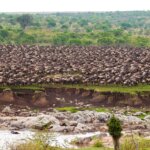
Can I See River Crossings in Serengeti
July 29, 2026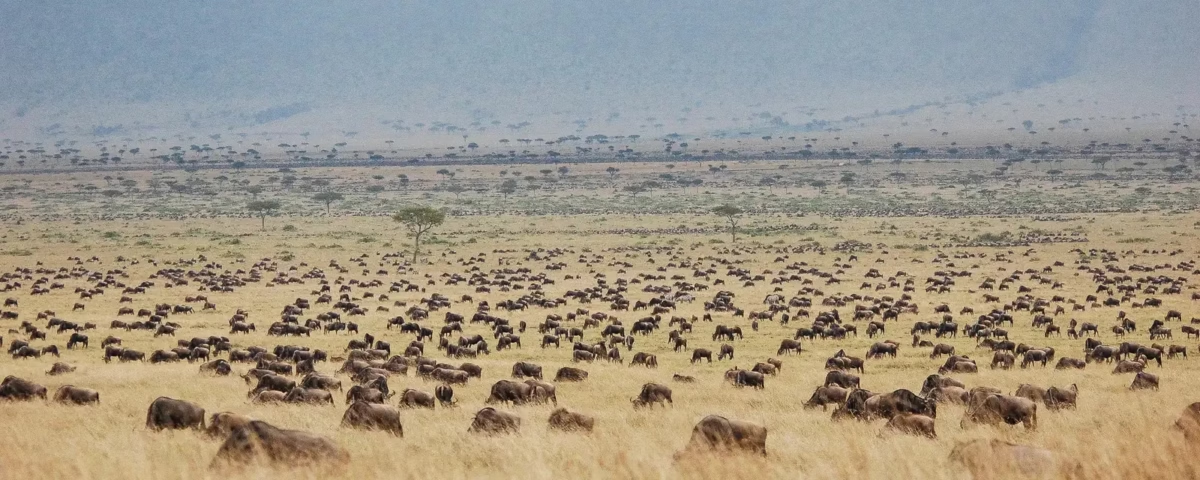
Which Month Is Best for Great Migration Safari
Many wildlife lovers ask which month is best for Great Migration safari because they want to experience one of Africa’s most spectacular natural events at the perfect time. Every year, more than two million wildebeests, joined by hundreds of thousands of zebras and gazelles, travel across the Serengeti ecosystem in search of fresh grass and water. This incredible journey creates unforgettable wildlife encounters that attract visitors from around the world. However, there is no single month that suits everyone because each stage of the migration offers a different experience.
Some travellers dream of seeing thousands of newborn wildebeests take their first steps across the southern Serengeti. Others hope to witness dramatic river crossings where massive herds plunge into crocodile filled waters. Many visitors simply want to enjoy enormous wildlife concentrations against the stunning backdrop of Tanzania’s endless plains. Each of these experiences happens during different months of the year, making proper planning extremely important.
The migration follows rainfall rather than a fixed calendar. As fresh grass grows across different parts of the Serengeti, the herds naturally move to new grazing areas. This continuous journey means visitors can enjoy remarkable wildlife viewing throughout the year, although certain highlights occur during specific seasons.
Planning with experienced safari specialists helps travellers choose the best month based on their personal interests. Giant Holiday Safariscarefully designs migration itineraries that maximise wildlife viewing opportunities while matching each traveller’s preferred travel dates and budget.
Understanding which month is best for Great Migration safari helps visitors choose the right season and enjoy one of the world’s greatest wildlife spectacles at its finest.
Combined Uganda, Kenya, Rwanda and Tanzania Safaris
17 days Kenya Tanzania and Uganda safari
19 Days Uganda Kenya and Tanzania Safari
16 Days Kenya Tanzania and Uganda Safari
14 Days Kenya Uganda and Tanzania Safari
14 Days Kenya Uganda and Rwanda Safari
12 Day Gorilla Trekking and Tanzania Safari
Which Month Is Best for Great Migration Safari?
The answer to which month is best for Great Migration safari depends entirely on the type of wildlife experience a traveller wants to enjoy. Since the Great Migration never stops moving, every month presents different opportunities that appeal to photographers, families, bird watchers, and first time safari visitors.
Many travellers consider July through October the best months because of the famous Mara River crossings. During this period, thousands of wildebeests gather before making dramatic crossings into Kenya while avoiding strong river currents and waiting crocodiles. These crossings create unforgettable safari moments and rank among Africa’s greatest wildlife spectacles.
Others prefer January through March because this period marks the calving season in the southern Serengeti. During these months, hundreds of thousands of wildebeest calves are born, creating incredible opportunities to observe newborn wildlife while predators remain highly active throughout the plains.
Travellers seeking quieter safari experiences often choose April through June or November through December. During these periods, the herds continue moving across different parts of the Serengeti while visitor numbers remain lower in many areas. Wildlife viewing remains excellent, and photographers frequently appreciate the greener landscapes and softer natural light.
Instead of searching for one perfect month, visitors should identify the wildlife experiences they value most. Every stage of the migration tells a different story and offers remarkable opportunities to witness nature’s incredible balance.
Working with experienced safari planners also improves success because migration movements change slightly each year depending on rainfall. Flexible itineraries therefore provide the greatest opportunity to enjoy unforgettable wildlife encounters regardless of the chosen month.
January to March for Calving Season during Great Migration Safari
January through March represents one of the most rewarding periods of the Great Migration. During these months, the herds remain mainly within the southern Serengeti and Ndutu region, where abundant fresh grass provides ideal grazing conditions before the annual calving season reaches its peak.
February is especially famous because hundreds of thousands of wildebeest calves are born within just a few weeks. The sheer number of newborn animals creates one of Africa’s most extraordinary wildlife events. Visitors witness young calves standing only minutes after birth as they quickly learn to keep pace with the constantly moving herds.
This season also attracts numerous predators. Lions, cheetahs, hyenas, leopards, and jackals remain highly active because newborn calves provide hunting opportunities. These predator prey interactions demonstrate the natural balance of the Serengeti ecosystem while creating remarkable photographic moments.
The landscape itself becomes another highlight. Seasonal rains transform the southern plains into lush green grasslands filled with colourful wildflowers and abundant birdlife. Photographers appreciate the beautiful scenery as much as the wildlife because vibrant landscapes enhance every safari experience.
Families also enjoy travelling during this period because wildlife concentrations remain within relatively accessible areas. Instead of spending long hours driving between destinations, visitors frequently encounter enormous herds throughout each game drive.
Travellers who enjoy wildlife photography, newborn animals, predator activity, and beautiful green landscapes often consider January through March among the finest months for experiencing the Great Migration in Tanzania.
April to June for Herd Movement during Great Migration Safari
Between April and June, the Great Migration begins one of its most impressive journeys as the herds gradually leave the southern plains and travel toward central and western Serengeti. During this period, visitors witness enormous columns of wildebeests stretching across the landscape while continuing their search for fresh grazing.
April often brings fewer safari vehicles because it falls within Tanzania’s green season. Although occasional rainfall may occur, many travellers appreciate the peaceful atmosphere and uncrowded wildlife viewing. The scenery remains exceptionally beautiful, with green grass covering much of the Serengeti and creating stunning backgrounds for wildlife photography.
As May arrives, migration movements become even more noticeable. Thousands upon thousands of wildebeests, accompanied by zebras and gazelles, form long lines that continue moving steadily northward. Watching these massive herds travel together gives visitors a true appreciation of the migration’s enormous scale.
By June, many animals approach the western Serengeti where they prepare to cross the Grumeti River. Although these crossings attract less international attention than the Mara River later in the year, they still provide exciting wildlife encounters as crocodiles wait patiently beneath the water.
Predators remain active throughout this season. Lions patrol migration routes while cheetahs hunt across the open plains. Visitors therefore enjoy excellent opportunities to observe both predators and prey during every game drive.
Travellers seeking outstanding wildlife viewing, fewer crowds, pleasant weather, and beautiful scenery often find April through June to be an excellent choice for a Great Migration safari.
July to October for Mara River Crossings
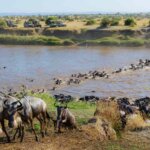
Many safari enthusiasts believe July through October represents the most dramatic stage of the Great Migration because this period includes the famous Mara River crossings in the northern Serengeti. Thousands of animals gather near the river before attempting one of the most dangerous parts of their annual journey.
The atmosphere surrounding the crossings is unforgettable. Herds often wait along the riverbanks for several hours before one animal finally begins the crossing. Within moments, thousands of wildebeests and zebras follow together, creating spectacular scenes filled with movement, excitement, and determination.
The Mara River presents several natural challenges. Powerful currents test the animals’ strength, while large crocodiles wait beneath the surface. Even after reaching the opposite bank, the herds remain vulnerable because lions, hyenas, and leopards continue hunting nearby. These natural events showcase the remarkable resilience that has allowed the migration to continue for thousands of years.
Wildlife photographers particularly value this season because every crossing is different. Some happen quickly, while others develop slowly over several hours, providing endless opportunities to capture extraordinary images. Patience often rewards visitors with unforgettable moments that few wildlife destinations can match.
Accommodation demand reaches its highest level during these months because travellers from around the world arrive hoping to witness the river crossings. Booking early therefore becomes essential for securing preferred lodges and safari itineraries.
For visitors whose dream is witnessing the legendary Mara River crossings, July through October often provides the ultimate Great Migration experience.
Why Every Month Offers a Unique Experience
Although many travellers search for the single best month, the truth is that every stage of the Great Migration offers remarkable wildlife experiences. The migration is a continuous journey rather than one isolated event, meaning each season presents different highlights that appeal to different types of visitors.
Early in the year, the southern Serengeti comes alive with newborn wildebeests, lush landscapes, and active predators. During the middle months, enormous herds move steadily across central and western Serengeti, creating breathtaking scenes that demonstrate the incredible scale of the migration. Later in the year, northern Serengeti becomes the stage for dramatic Mara River crossings that have become famous throughout the world.
Weather conditions also influence each safari experience. Green season landscapes provide beautiful photography opportunities and fewer crowds, while dry season travel often offers easier wildlife viewing as animals gather near permanent water sources.
Bird enthusiasts enjoy different migratory species throughout the year, while families may choose quieter travel periods that provide more relaxed safari experiences. Photographers often plan trips based on lighting conditions, landscapes, or specific wildlife behaviours rather than simply following popular travel seasons.
The migration itself also changes slightly every year because rainfall determines where fresh grass grows. This natural variation means every safari becomes unique, even for visitors returning during the same month in different years.
Travellers who understand these seasonal differences quickly realise there is no wrong time to experience Tanzania’s Great Migration. Every month reveals another fascinating chapter in one of nature’s greatest wildlife journeys, making each safari an unforgettable adventure.
November to December for Returning Herds
November and December offer another rewarding stage of the Great Migration. During these months, the herds begin leaving the northern Serengeti and gradually return toward the central and southern plains. Fresh seasonal rains encourage new grass to grow, and the wildebeests, zebras, and gazelles naturally follow these rich grazing areas. Although many travellers focus on the dramatic river crossings earlier in the year, this period provides excellent wildlife viewing with a quieter atmosphere.
As the landscape changes from dry to green, the Serengeti becomes even more beautiful. Fresh vegetation covers the plains, creating striking scenery that photographers appreciate. The combination of green grass, dramatic skies, and large wildlife herds produces outstanding images throughout the safari. Visitors often enjoy excellent visibility because the animals continue travelling in large numbers while spreading across different parts of the ecosystem.
Predators remain active during this season as well. Lions, hyenas, leopards, and cheetahs continue following the migrating herds, creating exciting wildlife encounters during daily game drives. At the same time, elephants, giraffes, buffaloes, and many antelope species remain easy to spot throughout the national park.
Bird enthusiasts also benefit from travelling during these months. Migratory birds arrive from different regions, increasing the variety of colourful species found across the Serengeti. Bird watching therefore becomes an excellent addition to traditional wildlife viewing.
Another advantage of November and December is the more relaxed safari experience. Visitor numbers are generally lower than during the peak river crossing season, allowing travellers to enjoy quieter game drives and a more peaceful connection with nature. Families especially appreciate this atmosphere because children have more space to enjoy wildlife sightings without large crowds of safari vehicles.
For travellers seeking beautiful landscapes, abundant wildlife, and fewer visitors, November and December provide an excellent opportunity to experience the Great Migration.
How to Choose the Best Month for Your Safari Goals
Choosing the best month for a Great Migration safari starts with understanding your personal travel goals. Every traveller has different expectations, so the ideal safari season depends on the experiences that matter most. Instead of following popular opinion, visitors should match their travel dates to the wildlife events they hope to see.
Travellers who dream of witnessing newborn animals should consider January through March. During this period, the southern Serengeti becomes the centre of the calving season, where hundreds of thousands of wildebeest calves are born. This season also offers exceptional predator activity because lions, cheetahs, hyenas, and leopards remain close to the vulnerable herds.
Visitors interested in seeing the famous Mara River crossings should travel between July and October. This period offers dramatic wildlife encounters as thousands of animals cross dangerous rivers while avoiding crocodiles and strong currents. Wildlife photographers often choose these months because every crossing creates unique photographic opportunities.
Families looking for quieter holidays may enjoy April through June or November through December. These months still provide impressive wildlife viewing while reducing the number of safari vehicles around popular sightings. Children often benefit from shorter waiting times and a more relaxed safari pace.
Budget also influences travel planning. Accommodation prices usually increase during the busiest migration months, while green season travel may provide better value without reducing wildlife quality. Choosing the right season can therefore improve both the safari experience and the overall travel budget.
Consulting experienced safari experts before booking is always worthwhile. Their local knowledge helps travellers select dates that best match current migration movements while creating an itinerary that meets individual interests.
Best Places to Experience the Great Migration
The Serengeti ecosystem offers several outstanding locations where travellers can witness different stages of the Great Migration. Since the herds move throughout the year, choosing the right location is just as important as selecting the right month. Every region of the Serengeti presents unique wildlife experiences that reflect the migration’s continuous journey.
The southern Serengeti and Ndutu region provide the best opportunities between January and March. During this season, visitors witness the famous calving period as hundreds of thousands of wildebeest calves are born across the open plains. This area also attracts numerous predators, making wildlife viewing exceptionally rewarding.
Central Serengeti serves as an excellent destination for much of the year. Large numbers of migrating animals pass through this region while resident wildlife remains abundant. Lions, elephants, giraffes, buffaloes, leopards, and cheetahs all contribute to outstanding game drives regardless of the migration stage.
Western Serengeti becomes particularly attractive from May through June as the herds approach the Grumeti River. Although the river crossings here receive less attention than the Mara River crossings, they still provide exciting wildlife encounters and dramatic predator activity.
Northern Serengeti becomes the main destination between July and October. During these months, travellers gather to witness the spectacular Mara River crossings. Massive herds brave dangerous waters while predators wait nearby, creating unforgettable safari moments that define the Great Migration.
Choosing the correct destination requires up to date local knowledge because herd locations change according to rainfall. Experienced safari operators carefully monitor wildlife movements and adjust itineraries when necessary. This flexible approach greatly improves the chances of witnessing the migration at its most impressive stage.
Why Choose Giant Holiday Safaris for Your Great Migration Safari
Planning a Great Migration safari requires careful timing, local expertise, and detailed knowledge of wildlife movements. Since rainfall influences where the herds travel each year, travellers benefit greatly from working with experienced safari specialists who understand these changing patterns. Giant Holiday Safaris provides exactly that level of expertise while creating personalised safari experiences for every visitor.
Rather than offering fixed itineraries, Giant Holiday Safaris carefully plans each safari according to the expected migration location during the chosen travel dates. This personalised approach helps visitors spend more time enjoying wildlife and less time travelling between distant locations. Every itinerary aims to maximise game viewing while maintaining a comfortable travel pace.
Accommodation selection also receives careful attention. The company recommends quality lodges and tented camps positioned close to seasonal migration routes. Whether travellers prefer luxury accommodation, mid range comfort, or affordable safari camps, suitable options are available across the Serengeti ecosystem.
Professional safari guides make every journey even more rewarding. Their knowledge of wildlife behaviour, migration patterns, conservation, and local ecosystems helps visitors gain a deeper understanding of everything they observe. Guides also know how to position safari vehicles respectfully while creating excellent photography opportunities.
Beyond the safari itself, Giant Holiday Safaris supports travellers before departure with useful advice about packing, weather conditions, travel seasons, health preparation, and safari expectations. This guidance allows visitors to arrive well prepared and confident.
By combining local expertise, personalised service, carefully selected accommodation, and experienced guiding, Giant Holiday Safaris helps travellers enjoy one of Africa’s greatest wildlife adventures with confidence and peace of mind.
Which Month Is Best for Great Migration Safari
So, which month is best for Great Migration safari? The answer depends on the type of wildlife experience each traveller hopes to enjoy. The Great Migration continues throughout the year, and every season reveals a different chapter of this extraordinary natural journey. From newborn calves in the southern Serengeti to the famous Mara River crossings in the north, every month provides unforgettable opportunities to witness Africa’s remarkable wildlife.
January through March offers incredible calving season experiences with abundant predator activity. April through June showcases impressive herd movements across central and western Serengeti. July through October delivers the legendary river crossings that many visitors dream of seeing. Meanwhile, November and December present beautiful green landscapes as the herds begin their return south.
Rather than searching for one universally perfect month, travellers should focus on their personal interests, photography goals, family needs, and preferred safari style. Matching these priorities with the migration calendar creates a more rewarding and memorable experience.
Planning with trusted experts such as Giant Holiday Safaris further improves every safari by ensuring travellers visit the right locations at the right time. Their experience, flexible planning, and deep understanding of migration movements help maximise wildlife viewing opportunities throughout the year.
Ultimately, which month is best for Great Migration safari has many correct answers because every season showcases the beauty, power, and resilience of one of the world’s greatest wildlife spectacles. With careful planning and expert guidance, any month can become the perfect time to experience the unforgettable Great Migration in Tanzania.