What Birds Can I See in Tanzania
July 31, 2026
What are the best Uganda safari holidays
August 1, 2026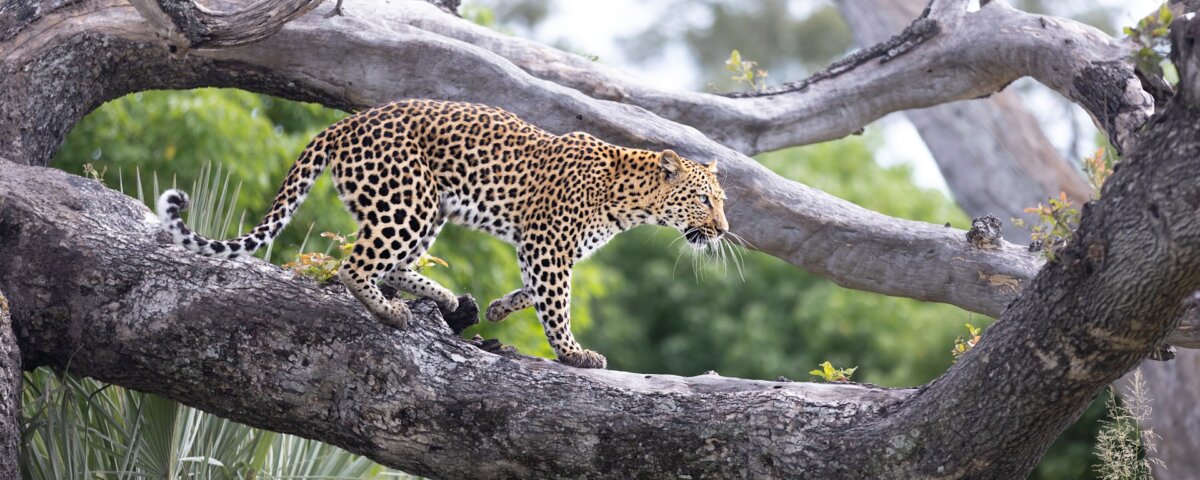
Which Safari Park Is Best for Leopards
If you are asking which safari park is best for leopards, Tanzania offers several excellent destinations for travelers who want to experience this elusive big cat in the wild. Leopards live across different habitats in Tanzania, but they often remain difficult to find because they are secretive, well camouflaged, and highly skilled at avoiding attention. For many safari travelers, however, that challenge makes a leopard sighting even more exciting. The best destinations combine healthy wildlife populations, suitable habitats, experienced guides, and enough time for patient game drives. The Serengeti National Park often stands out as one of the strongest choices, especially around areas with woodland, riverine vegetation, and rocky landscapes. The Tarangire ecosystem also provides good opportunities, while the Ngorongoro Conservation Area can add another chance to search for these beautiful predators. Choosing the right park depends on more than the number of leopards. You should also consider the season, your safari length, the type of accommodation you prefer, and whether you want to combine leopard viewing with other wildlife experiences.
Combined Uganda, Kenya, Rwanda and Tanzania Safaris
17 days Kenya Tanzania and Uganda safari
19 Days Uganda Kenya and Tanzania Safari
16 Days Kenya Tanzania and Uganda Safari
14 Days Kenya Uganda and Tanzania Safari
14 Days Kenya Uganda and Rwanda Safari
12 Day Gorilla Trekking and Tanzania Safari
Why the Serengeti Is One of the Best Safari Park for Leopards Viewing
When travelers ask which safari park is best for leopards, the Serengeti National Park often comes close to the top of the list. Its huge ecosystem supports a remarkable range of wildlife, including lions, cheetahs, elephants, buffaloes, giraffes, hyenas, and leopards. The park’s mix of open grasslands, acacia woodland, rocky kopjes, and riverine areas creates suitable habitats for these secretive cats.
Leopards often prefer areas where they can hide during the day and hunt when conditions become favorable. They may rest in trees, move through tall grass, or use rocky areas as natural cover. Consequently, travelers need patience when searching for them. A leopard may sit quietly in a tree while vehicles pass nearby without noticing it.
The central Serengeti can offer particularly rewarding wildlife viewing because of its year round resident animals and varied landscapes. However, the western and northern areas can also provide excellent experiences depending on the season and wildlife movements.
The Serengeti also gives travelers a chance to combine leopard viewing with other major safari experiences. You can search for predators during the same trip that you explore the Great Migration or watch large herds of wildebeest and zebra. Therefore, the Serengeti offers an excellent balance for travelers who want a complete wildlife adventure rather than a safari focused on one species alone.
The Central Serengeti Offers Strong Leopard Viewing Opportunities
Within the wider Serengeti ecosystem, the central region provides some of the most appealing opportunities for travelers who want to search for leopards. The area contains a mixture of open plains, rocky kopjes, and trees that provide natural resting places for these predators.
Leopards often spend considerable time resting during daylight hours. Because they can climb trees, they sometimes choose elevated branches where they can stay safe from competing predators and observe their surroundings. A skilled guide may recognize the signs of a leopard resting above the ground, although spotting one still requires a trained eye.
The central Serengeti also supports a large prey base. Impalas, gazelles, wildebeest calves, and other animals provide food for predators. As a result, leopards can establish territories in areas where they can find suitable prey and secure places to rest.
Another advantage involves accessibility. Travelers can often spend several days exploring the central Serengeti without changing camps every night. This creates more time for patient game drives, which can improve your overall chances of seeing elusive wildlife.
However, no guide can guarantee a leopard sighting. Leopards move freely across their territories, and natural conditions constantly change. The best approach involves giving yourself enough time and trusting the experience of your guide.
Why Leopard Sightings Require Patience
Leopards behave differently from many of the animals travelers expect to see on safari. They often hunt alone, move quietly, and spend long periods resting. Their spotted coats also blend remarkably well with grass, branches, and shadows.
For this reason, travelers should not expect every game drive to produce a leopard sighting. Instead, the experience requires patience and careful observation. Your guide may slow down near a tree, examine a rocky outcrop, or study animal behavior before deciding where to continue.
Sometimes, the smallest details reveal the presence of a leopard. A group of baboons may suddenly become alert, or impalas may stare toward a particular area. Guides who understand these behaviors can use them as clues while searching.
This patient approach often makes leopard viewing more rewarding. Unlike a large herd of elephants that you can easily spot from a distance, a leopard may appear only after several hours of searching. When you finally see one resting on a branch or walking silently through the grass, the encounter can feel deeply personal.
Therefore, travelers should avoid rushing through safari destinations. Spending several nights in a leopard rich area gives you more opportunities to experience the unpredictable rhythm of the wild.
Tarangire National Park Can Also Be a Good Safari Park Choice for Leopard Lovers
Tarangire National Park often receives attention for its large elephant population, giant baobab trees, and impressive dry season wildlife concentrations. However, the park also supports predators, including leopards.
The park’s diverse landscape creates several habitats where leopards can move and hunt. Woodlands, river valleys, and areas of thicker vegetation provide cover for these secretive cats. During the dry season, wildlife gathers around dependable water sources, which can increase predator activity in certain areas.
Tarangire can therefore work well for travelers who want to include leopard viewing within a broader safari itinerary. The park also offers a different atmosphere from the open plains of the Serengeti. Its dramatic baobabs and woodland scenery create a distinct visual experience.
However, travelers should understand that leopard sightings remain less predictable than sightings of some other species. Your chances depend on the season, recent animal movements, and the skill of your guide.
The park becomes especially valuable when combined with other northern Tanzania destinations. A well planned itinerary can include Tarangire, Ngorongoro, and Serengeti, giving you several different habitats and wildlife experiences.
For travelers who enjoy variety, this approach can provide a richer safari on the best safari park for leopards ,while maintaining good opportunities to search for leopards.
Ngorongoro Conservation Area Adds Another Leopard Viewing Opportunity
The Ngorongoro Conservation Area offers a remarkable combination of wildlife, scenery, and cultural experiences. While many travelers visit the Ngorongoro Crater to see lions, elephants, buffaloes, hippos, and other animals, the wider conservation area also provides opportunities to search for leopards.
The crater itself contains a large concentration of wildlife, although leopards can prove more difficult to find than some of the larger and more visible animals. The surrounding highlands and woodlands provide additional habitats where these cats may move.
The area also works well as part of a northern Tanzania safari route. Travelers can visit Tarangire before continuing toward Ngorongoro and then the Serengeti. This route allows you to explore different ecosystems without spending the entire safari in one location.
For first time visitors, the Ngorongoro Conservation Area provides another advantage because it combines wildlife with impressive landscapes. The crater walls create a dramatic setting, while the surrounding communities and cultural experiences add depth to the journey.
If leopard viewing represents your main priority, you should still allow enough time in the Serengeti. However, adding Ngorongoro can increase the overall diversity of your safari and give you another opportunity to encounter this elusive predator.
The Best Time to See Leopards Depends on Your Safari Goals
Leopards live in Tanzania throughout the year, so travelers can search for them in every season. However, seasonal conditions can influence the overall wildlife experience.
During the dry season, vegetation often becomes thinner, which can make some animals easier to spot. Wildlife may also concentrate around water sources, creating more opportunities for predator activity. These conditions can make game drives productive, although popular destinations may also experience more visitors.
The green season offers a different experience. Rain transforms the landscape, bringing fresh vegetation and beautiful scenery. Many animals give birth during periods when food becomes more available, creating opportunities to observe young wildlife. The landscape can also feel quieter because fewer tourists visit during some parts of the rainy season.
For leopard enthusiasts, the best time depends on whether you want to combine leopard viewing with another major experience. If the Great Migration matters to you, you may choose your travel dates around wildebeest movements. If you prefer quieter landscapes and lush scenery, the green season may appeal more.
Ultimately, there is no single month that guarantees leopard sightings. Wildlife remains unpredictable, and experienced guides understand that nature follows its own schedule.
Choosing the Right Guide Can Improve Your Leopard Safari
A good safari guide plays an important role in leopard viewing. These cats can hide in plain sight, so travelers often depend on someone who understands animal behavior and knows how to read the landscape.
Experienced guides recognize potential leopard habitats and understand how different animals react when predators approach. They may also notice tracks, territorial markings, or other signs that travelers could easily miss.
However, good guiding involves more than finding animals. A professional guide also protects the quality of the wildlife experience. They maintain appropriate distances, avoid disturbing animals, and encourage travelers to observe natural behavior.
Giant Holiday Safaris can help travelers create a Tanzania itinerary that places leopard viewing within a wider wildlife experience. By explaining your priorities before the trip, you can work with your safari planner to choose destinations and accommodation that suit your travel style.
The best safari companies also understand that wildlife sightings cannot follow a script. Instead of promising a guaranteed leopard encounter, they should help you maximize your opportunities through good planning, experienced guiding, and enough time in the right habitats.
This approach creates realistic expectations while allowing travelers to enjoy the many surprises that make a Tanzania safari special.
How to Build a Tanzania Safari Around Leopard Viewing
If leopards rank high on your wildlife wish list, consider creating an itinerary that includes several strong predator habitats. The Serengeti should usually form the main part of the journey because its large ecosystem offers excellent opportunities to search for leopards while also experiencing other iconic wildlife.
You can then add Tarangire for its distinctive scenery and diverse wildlife. Ngorongoro can provide another opportunity to search for predators while adding dramatic landscapes and cultural experiences.
The length of your safari also matters. A short itinerary may limit your chances because wildlife viewing depends on timing and luck. Spending several days in the Serengeti gives you more opportunities to explore different areas and observe changing animal behavior.
You should also avoid packing too many destinations into a short trip. Constantly moving between parks can reduce the time available for game drives. Instead, consider staying longer in fewer places.
A thoughtful itinerary should balance your leopard goals with your wider interests. You might want to see lions hunting, watch elephants near water, experience the Great Migration, or enjoy Tanzania’s landscapes.
Giant Holiday Safaris can help organize these priorities into a practical safari plan that gives you enough time to explore without making the journey feel rushed.
Making the Most of a Leopard Safari in Tanzania
When deciding which safari park is best for leopards, the Serengeti National Park stands out as one of Tanzania’s strongest choices, especially for travelers who want to combine leopard viewing with a complete wildlife experience. Its varied habitats, healthy prey populations, and large protected ecosystem create suitable conditions for these elusive predators. Tarangire and the Ngorongoro Conservation Area can also add valuable opportunities, particularly when you combine them within a carefully planned northern Tanzania safari.
Still, leopard viewing requires patience. These cats do not always appear when you expect them, and even experienced guides cannot control their movements. That uncertainty forms part of the magic. A leopard hidden among branches or moving quietly across the grass can create a moment that stays with you long after your safari ends.
For the best experience, allow enough time, travel with an experienced guide, choose your destinations carefully, and remain open to the wider wildlife story unfolding around you. Even when a leopard remains hidden, Tanzania offers extraordinary opportunities to see lions, cheetahs, elephants, wildebeest, zebras, giraffes, and countless other species.
Therefore, if you are deciding which safari park is best for leopards, make the Serengeti a central part of your plans while keeping your itinerary flexible enough to enjoy everything else Tanzania’s wild landscapes have to offer.