What Are the Best Camps in Serengeti
July 8, 2026
What Is Luxury Serengeti Safari
July 8, 2026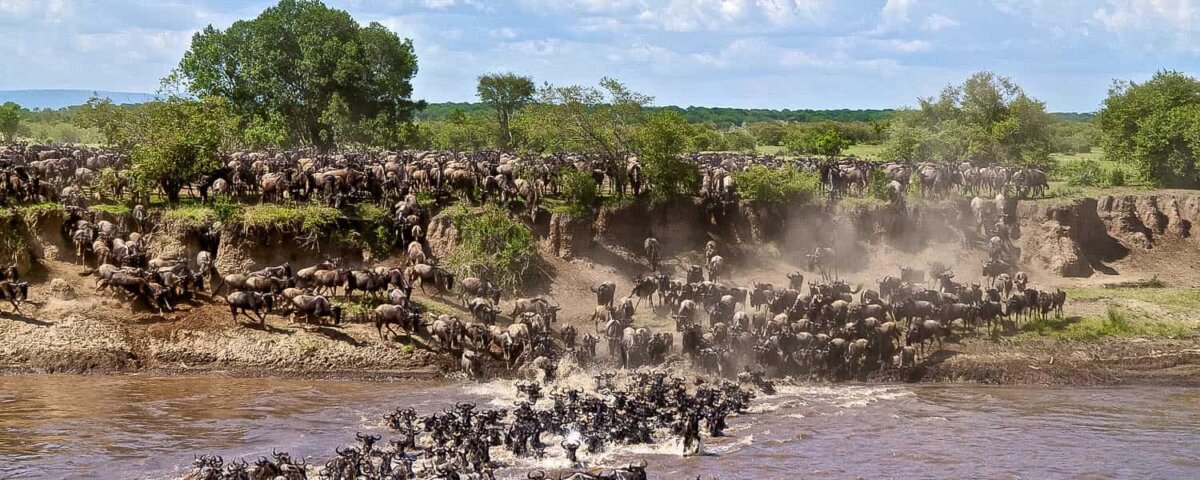
Which Side of Serengeti Is Best
Many travelers planning a safari ask, which side of Serengeti is best? The answer depends on your travel goals, the time of year you visit, and the wildlife experiences you hope to enjoy. Every region of Serengeti National Park offers something unique, from dramatic river crossings and the Great Wildebeest Migration to year round Big Five sightings and peaceful landscapes with fewer visitors.
Serengeti National Park covers nearly 15,000 square kilometers across northern Tanzania, making it one of Africa’s largest and most diverse protected areas. Its vast plains, rolling hills, acacia woodlands, rivers, and rocky kopjes create different habitats that support an incredible variety of wildlife. Because animals move throughout the year, each region provides different opportunities for unforgettable safari adventures.
Understanding the park’s geography helps travelers choose the right itinerary. Some visitors want to witness thousands of wildebeests crossing crocodile filled rivers, while others prefer quieter game drives focused on predators, elephants, giraffes, and spectacular scenery. Choosing the right side of the Serengeti allows you to maximize wildlife viewing while reducing travel time between destinations.
At Giant Holiday Safaris, we carefully design every itinerary based on seasonal wildlife movements and each guest’s interests. This guide explains which side of Serengeti is best, highlights the strengths of every region, and helps you decide where to spend your safari for the most rewarding experience.
Understanding the Different Regions and Side of Serengeti
The Serengeti is divided into several distinct regions, each with its own landscapes, wildlife patterns, and safari experiences. Understanding these areas makes it much easier to choose the best itinerary for your visit.
Central Serengeti, often called the Seronera region, forms the heart of the national park. Permanent rivers, open grasslands, and scattered acacia trees attract wildlife throughout the year, making it one of the most reliable areas for game viewing.
Northern Serengeti stretches toward the border with Kenya and the famous Maasai Mara. This region becomes especially popular during the Great Wildebeest Migration when enormous herds gather near the Mara River. Visitors who travel during this period often hope to witness dramatic river crossings filled with excitement and natural drama.
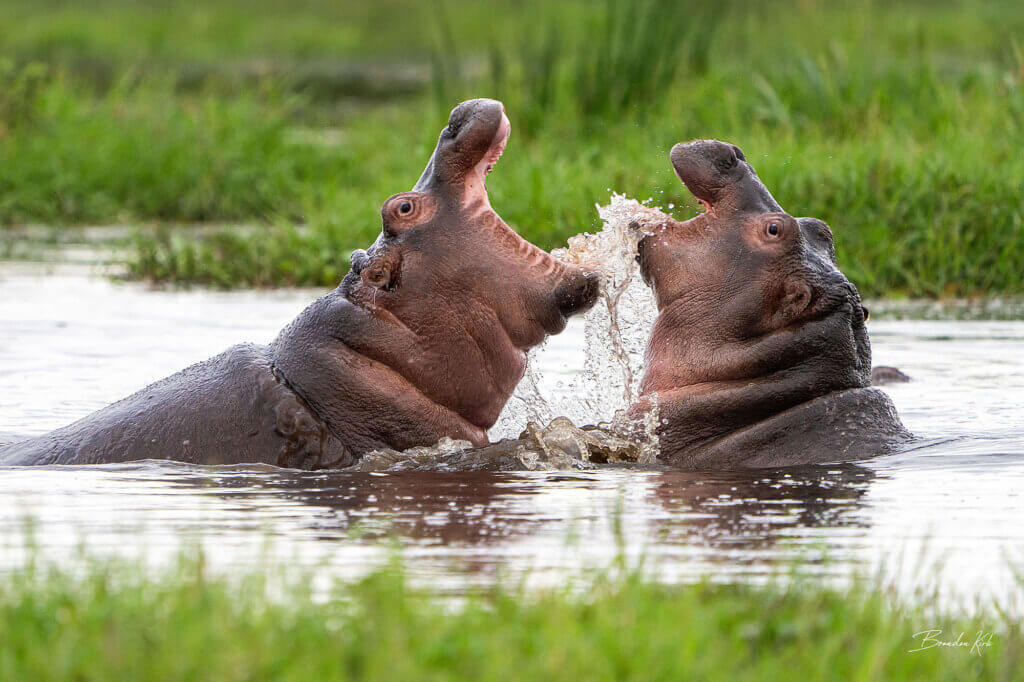
Western Serengeti follows the Grumeti River and combines woodland, riverine forests, and open plains. It provides excellent wildlife viewing during the migration while also offering opportunities to observe crocodiles, hippos, elephants, and many bird species.
Southern Serengeti transforms into one of Africa’s most important wildlife nurseries between January and March as hundreds of thousands of wildebeests give birth. This calving season attracts predators and creates exceptional photography opportunities.
Eastern Serengeti receives fewer visitors than other regions. Its peaceful landscapes, rocky kopjes, and healthy predator populations make it ideal for travelers seeking quieter safari experiences.
Each region contributes to the Serengeti’s remarkable ecosystem. Rather than asking which single area is best, many experienced travelers choose itineraries that combine multiple regions to enjoy the greatest variety of wildlife and scenery.
Central Serengeti and Its Year Round Wildlife
For many safari enthusiasts, Central Serengeti remains the best place to begin exploring the national park. Its central location, reliable wildlife sightings, and excellent road network make it one of Tanzania’s most popular safari destinations.
The Seronera Valley contains permanent water sources that attract animals throughout the year. Even during the dry season, wildlife gathers around rivers and waterholes, creating outstanding game viewing opportunities on nearly every safari drive.
Lions are among the region’s biggest attractions. Several prides occupy territories throughout Central Serengeti, and visitors regularly observe them resting beneath acacia trees, caring for cubs, or preparing for evening hunts. Leopards also thrive here, especially in riverine forests where they rest in trees after successful hunts.
Elephants, buffaloes, giraffes, zebras, impalas, topis, warthogs, and countless antelope species move freely across the plains. Cheetahs patrol open grasslands while hyenas and jackals search for opportunities created by predator activity.
Central Serengeti also provides excellent accommodation choices, including luxury lodges, elegant tented camps, mid range camps, and affordable safari options. Because many camps remain open year round, travelers enjoy flexible itineraries regardless of the season.
For first time visitors, photographers, and families, Central Serengeti offers an ideal introduction to Tanzania’s incredible wildlife. Spending several nights in this region significantly increases the chances of observing the Big Five and many other iconic African animals.
Northern Serengeti for the Mara River Crossings
Northern Serengeti becomes one of Africa’s most exciting safari destinations during the Great Wildebeest Migration. Between approximately July and October, hundreds of thousands of wildebeests, zebras, and gazelles gather near the Mara River before attempting one of nature’s most dramatic river crossings.
Watching thousands of animals hesitate along the riverbanks before suddenly charging into fast flowing water creates an unforgettable wildlife experience. Massive Nile crocodiles wait beneath the surface, while lions, leopards, and hyenas remain nearby hoping to capture exhausted animals after they cross.
Beyond the migration, Northern Serengeti offers beautiful rolling hills, open woodlands, permanent rivers, and fewer safari vehicles than many central areas. Visitors enjoy peaceful game drives with excellent opportunities to observe elephants, giraffes, buffaloes, and large predator populations.
Birdwatchers also appreciate this region because rivers and forests support many resident and migratory bird species throughout the year.
Because of its distance from other parts of the park, Northern Serengeti works best for travelers spending several days on safari. Staying in this region allows guests to experience early morning and late afternoon wildlife activity without long daily drives.
At Giant Holiday Safaris, we often recommend Northern Serengeti for guests whose travel dates coincide with the migration. Proper planning ensures visitors maximize their chances of witnessing one of the world’s greatest natural spectacles while enjoying comfortable accommodations close to the action.
Western Serengeti and the Grumeti River Experience
Western Serengeti offers a completely different safari atmosphere compared with the open plains found elsewhere in the park. This region features river systems, dense woodlands, rolling grasslands, and the famous Grumeti River, creating diverse habitats that attract many wildlife species.
The Grumeti River becomes particularly important during the migration as thousands of wildebeests cross its waters while continuing their journey toward northern Serengeti. Although these crossings receive less international attention than those at the Mara River, they remain equally exciting and often involve enormous crocodiles waiting patiently beneath the surface.
Western Serengeti supports healthy populations of elephants, buffaloes, giraffes, hippos, crocodiles, and numerous antelope species. Lions, leopards, and hyenas also thrive here thanks to the abundance of prey throughout the region.
The woodlands attract many bird species, making Western Serengeti an excellent destination for travelers interested in both wildlife and birdwatching. Scenic river landscapes also provide outstanding photography opportunities throughout the day.
Another advantage of Western Serengeti is its peaceful atmosphere. Compared with some of the busier wildlife areas, visitors often enjoy quieter game drives while still experiencing exceptional wildlife sightings.
Luxury tented camps, intimate safari lodges, and carefully designed eco camps blend naturally into the surrounding environment, allowing guests to remain close to nature without sacrificing comfort.
For travelers seeking beautiful scenery, abundant wildlife, and a more relaxed safari pace, Western Serengeti provides an outstanding addition to any Tanzania itinerary. Combined with Central or Northern Serengeti, it creates a well rounded safari that showcases the incredible diversity of this world famous national park.
Southern Serengeti and the Calving Season
Southern Serengeti offers one of the most remarkable wildlife experiences in Africa, especially during the annual calving season. Between January and March, this region becomes the temporary home of hundreds of thousands of wildebeests as they gather on the nutrient rich short grass plains to give birth. This incredible event transforms the landscape into a nursery filled with newborn animals and constant wildlife activity.
Every day, thousands of calves are born across the open plains. Within minutes of birth, they begin standing and walking beside their mothers. This rapid development helps them survive in an environment where predators remain close by. Lions, cheetahs, hyenas, and jackals patrol the grasslands, creating dramatic yet natural wildlife encounters that showcase the balance of the Serengeti ecosystem.
The southern plains also attract large herds of zebras, gazelles, elands, and other grazing animals. These species share the fresh grasslands while creating breathtaking scenery that stretches as far as the eye can see. For wildlife photographers, the combination of young animals, active predators, and wide open landscapes provides outstanding opportunities to capture unforgettable images.
Another advantage of Southern Serengeti is its peaceful atmosphere outside the busiest tourist periods. Visitors often enjoy long game drives with fewer vehicles, allowing more time to observe natural animal behavior without interruptions.
Travelers interested in witnessing the beginning of the Great Wildebeest Migration should strongly consider visiting this region. At Giant Holiday Safaris, we recommend Southern Serengeti to guests traveling early in the year because it offers one of the richest wildlife experiences available anywhere in Tanzania.
Eastern Serengeti for Quiet Safari Adventures
Eastern Serengeti remains one of the least explored parts of the national park, making it an excellent choice for travelers seeking solitude, beautiful scenery, and authentic wilderness experiences. While many visitors focus on Central or Northern Serengeti, the eastern region rewards those who venture farther with peaceful landscapes and impressive wildlife.
The terrain includes rolling plains, scattered acacia trees, rocky kopjes, and seasonal rivers. These varied habitats support healthy populations of lions, cheetahs, leopards, elephants, giraffes, buffaloes, and many antelope species. Because visitor numbers remain lower than in more popular regions, wildlife often behaves naturally with minimal disturbance.
Eastern Serengeti is especially well known for cheetah sightings. The open grasslands provide ideal hunting grounds where these remarkable cats use their speed to pursue gazelles and other prey. Bird enthusiasts also appreciate the area’s diversity, with numerous raptors, bustards, ostriches, and colorful songbirds found throughout the region.
Another highlight is the dramatic scenery. Granite kopjes rise from the plains, offering spectacular viewpoints and serving as favorite resting places for lions and leopards. During sunrise and sunset, these rocky formations create stunning photography opportunities.
Travelers looking for peaceful safari experiences, fewer vehicles, and untouched wilderness often discover that Eastern Serengeti becomes one of the most memorable parts of their journey. It demonstrates that some of the park’s finest experiences can be found away from the busiest wildlife hotspots.
How to Choose the Best Side of Serengeti
Choosing the best side of the Serengeti begins with understanding your travel priorities. Every visitor has different expectations, so there is no single region that suits everyone.
If your main goal is seeing wildlife throughout the year, Central Serengeti offers the most reliable game viewing. Permanent water sources attract animals in every season, making it an excellent choice for first time visitors and photographers.
Travelers hoping to witness the Great Wildebeest Migration should plan according to the animals’ seasonal movements. Northern Serengeti provides the best opportunities for Mara River crossings, while Southern Serengeti becomes the ideal destination during the calving season.
Visitors who enjoy peaceful surroundings and scenic landscapes may prefer Western or Eastern Serengeti. These regions often receive fewer tourists while still delivering outstanding wildlife encounters and beautiful natural settings.
Budget also influences accommodation choices. Some regions offer a wider selection of luxury lodges, while others feature comfortable mid range camps or affordable safari accommodations. Choosing the right combination of location and accommodation helps maximize both comfort and value.
The length of your safari also matters. Travelers spending five to seven days can combine multiple regions to experience the full diversity of the Serengeti. This approach allows you to enjoy different landscapes, wildlife habitats, and safari experiences within one unforgettable journey.
At Giant Holiday Safaris, we customize every itinerary based on travel dates, wildlife interests, budget, and personal preferences, ensuring each guest experiences the best side of the Serengeti for their individual adventure.
Best Time to Visit Each Region and Side of Serengeti
Although Serengeti National Park offers excellent wildlife viewing throughout the year, each region shines during different seasons. Understanding these seasonal changes helps travelers choose the perfect itinerary.
From June through October, the dry season creates ideal conditions for game viewing across Central Serengeti. Wildlife gathers around rivers and permanent water sources, making animals easier to locate. During these months, Northern Serengeti also becomes one of Africa’s most popular safari destinations as migrating herds approach the Mara River.
Between January and March, Southern Serengeti hosts the calving season. Fresh grasses support enormous wildebeest herds while predators remain highly active, creating exceptional wildlife viewing and photography opportunities.
Western Serengeti becomes especially rewarding during May and June when the migration moves through the Grumeti River region. River crossings, abundant wildlife, and lush landscapes combine to create memorable safari experiences.
Eastern Serengeti offers rewarding wildlife encounters throughout the year because its healthy predator populations and quieter environment remain consistent across different seasons.
Selecting the best travel period depends on your interests rather than searching for a single perfect month. Whether your priority is predator action, migration, birdwatching, photography, or peaceful game drives, the Serengeti always offers remarkable opportunities somewhere within its vast ecosystem.
Planning Your Safari with Giant Holiday Safaris
A successful Serengeti safari requires careful planning, local expertise, and a deep understanding of seasonal wildlife movements. Choosing the right safari company helps transform a good holiday into an extraordinary African adventure.
At Giant Holiday Safaris, we specialize in designing personalized itineraries that match every traveler’s interests and expectations. Instead of offering standard packages, we create journeys that consider travel dates, preferred wildlife experiences, accommodation style, budget, and the number of days available.
Our experienced safari guides possess extensive knowledge of the Serengeti ecosystem. They monitor animal movements, understand predator behavior, and know the best locations for exceptional wildlife viewing throughout the year. Their expertise increases opportunities to observe the Big Five, the Great Wildebeest Migration, and many other incredible species.
We also work with carefully selected safari camps and lodges across every region of the park. Whether you prefer luxury tented camps, comfortable mid range accommodations, mobile migration camps, or budget friendly safari options, we recommend properties that deliver excellent service and outstanding locations.
Beyond the Serengeti, Giant Holiday Safaris can combine your adventure with visits to Ngorongoro Crater, Tarangire National Park, Lake Manyara National Park, Zanzibar, and other remarkable destinations across Tanzania. Every itinerary is designed to create unforgettable memories while supporting responsible tourism and wildlife conservation.
Which Side of Serengeti Is Best for Your Dream Safari
The answer to which side of Serengeti is best depends entirely on the experience you want to enjoy. Each region offers unique landscapes, seasonal wildlife movements, and unforgettable safari opportunities that make the Serengeti one of the world’s greatest natural destinations.
Central Serengeti remains the best choice for reliable year round wildlife viewing and excellent opportunities to see the Big Five. Northern Serengeti attracts travelers hoping to witness dramatic Mara River crossings during the Great Wildebeest Migration. Southern Serengeti shines during the calving season, while Western Serengeti offers beautiful river landscapes and exciting migration encounters. Eastern Serengeti rewards adventurous visitors with peaceful surroundings and exceptional predator sightings.
Rather than limiting your journey to one area, many travelers achieve the richest safari experience by combining two or more regions. This approach allows you to appreciate the Serengeti’s extraordinary diversity while increasing your chances of witnessing different wildlife behaviors and spectacular scenery.
At Giant Holiday Safaris, we believe every safari should be as unique as the traveler taking it. Our experienced team carefully plans each itinerary to ensure you visit the right region at the right time, creating a seamless journey filled with unforgettable wildlife encounters and authentic African hospitality.
If you have been wondering which side of Serengeti is best, the answer is simple. The best side is the one that matches your travel goals, the season of your visit, and the wildlife experiences you dream of enjoying. With expert planning and guidance from Giant Holiday Safaris, every region of the Serengeti has the potential to deliver the safari of a lifetime.
Combined Uganda, Kenya, Rwanda and Tanzania Safaris
17 days Kenya Tanzania and Uganda safari
19 Days Uganda Kenya and Tanzania Safari
16 Days Kenya Tanzania and Uganda Safari
14 Days Kenya Uganda and Tanzania Safari
14 Days Kenya Uganda and Rwanda Safari