What Is the Best Time for Wildlife Viewing in Tanzania
August 1, 2026
Which Tanzania Parks Have Hippos
August 1, 2026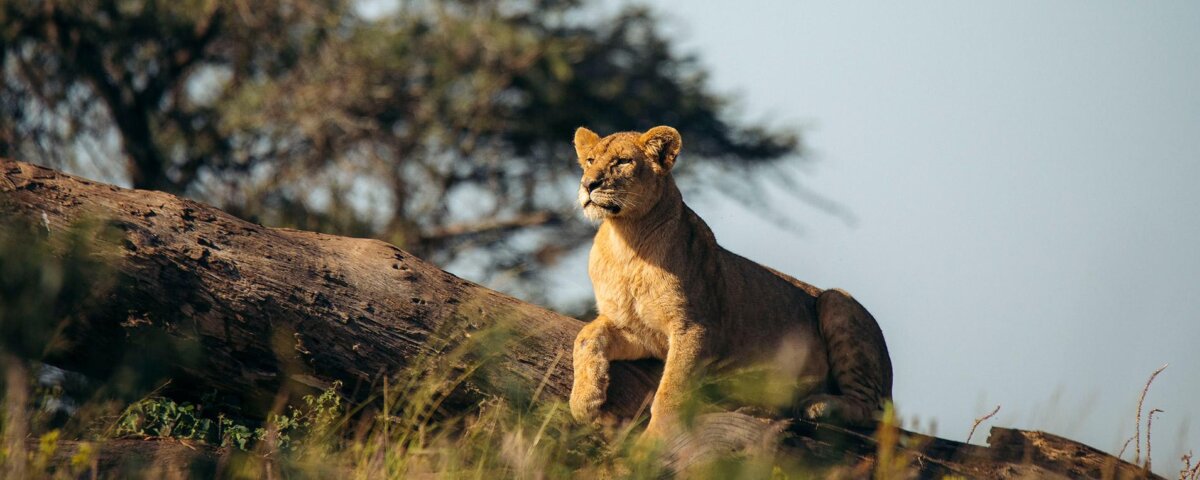
Which Tanzania Safari Is Best for Photography
Tanzania offers one of the finest safari photography experiences in Africa, but choosing the right safari depends on the type of images you want to capture. The country combines dramatic landscapes, rich wildlife, changing seasons, and diverse habitats, giving photographers many opportunities to create memorable images. From the endless plains of the Serengeti to the baobab filled landscapes of Tarangire, every destination brings its own visual character. You can photograph lions resting in golden grass, elephants walking beneath ancient trees, giraffes crossing open plains or thousands of wildebeest moving across the landscape. However, the best Tanzania safari for photography is not always about visiting the most famous park. Instead, it depends on the animals you want to photograph, the season you choose, the amount of time available, and the kind of photographic experience you prefer. A well planned safari can give you time to wait for the right light, observe natural behavior, and capture scenes that feel authentic rather than rushed. For most photographers, the Serengeti offers the strongest overall experience, while Tarangire, Ngorongoro, and other northern Tanzania destinations add valuable variety.
Combined Uganda, Kenya, Rwanda and Tanzania Safaris
17 days Kenya Tanzania and Uganda safari
19 Days Uganda Kenya and Tanzania Safari
16 Days Kenya Tanzania and Uganda Safari
14 Days Kenya Uganda and Tanzania Safari
14 Days Kenya Uganda and Rwanda Safari
12 Day Gorilla Trekking and Tanzania Safari
Why Tanzania Is a Dream Destination for Wildlife Photography
Tanzania stands out as a photography destination because it offers an exceptional combination of wildlife and landscapes within a relatively accessible safari circuit. Photographers can move from open grasslands to wooded valleys, volcanic landscapes, wetlands, and river systems without leaving the country’s major conservation areas. This variety creates opportunities for different photographic styles throughout one journey.
Wildlife also plays a major role in Tanzania’s appeal. The country supports large populations of lions, elephants, leopards, cheetahs, giraffes, buffaloes, zebras, and many other species. Each animal presents different opportunities for creative photography. A lion resting beneath a tree creates a completely different image from a cheetah moving across an open plain.
Furthermore, Tanzania’s changing light adds another layer to the experience. Early morning drives often provide soft golden light, while late afternoon can create warm tones across the landscape. During the rainy seasons, dramatic clouds and fresh green vegetation can transform familiar locations into striking photographic scenes.
The key, therefore, involves planning around photography rather than simply adding a camera to a standard safari. You need enough time, suitable destinations, patient guiding, and a flexible schedule. When these elements come together, Tanzania becomes much more than a place to take wildlife pictures. It becomes a place where photographers can tell powerful visual stories about animals, landscapes, and conservation.
Serengeti National Park Is the Best Overall Choice for Photography
For many photographers, the Serengeti National Park represents the best Tanzania safari for photography. Its enormous landscapes provide a sense of scale that few other destinations can match. Endless grasslands, scattered acacia trees, rocky outcrops, and seasonal rivers create a natural stage for wildlife photography.
The Serengeti also supports an impressive range of animals. Photographers can search for lions, cheetahs, leopards, elephants, giraffes, zebras, buffaloes, and many other species. The park’s open terrain often makes it easier to observe animals from a distance, while the wide horizon allows photographers to include the surrounding landscape in their compositions.
The Great Migration adds another dimension. Depending on the time of year, photographers may capture large herds of wildebeest and zebras moving through different parts of the ecosystem. This spectacle creates opportunities for both wide landscape images and close wildlife portraits.
However, photographers should avoid treating the Serengeti as a destination that guarantees a particular photograph. Wildlife remains unpredictable. The real advantage comes from spending several days in the park and working with an experienced guide who understands animal behavior and local conditions.
For first time safari photographers, the Serengeti offers perhaps the strongest balance of wildlife diversity, dramatic scenery, and photographic opportunities. It provides enough variety to keep both beginners and experienced photographers engaged throughout the safari.
Tarangire National Park Offers Unique Photography Opportunities
Tarangire National Park provides a different photographic experience from the Serengeti. The park’s most recognizable features include enormous baobab trees, dry woodland, open grassland, and large elephant populations. These elements give photographers a strong sense of place and create images that immediately feel connected to Tanzania.
The baobabs are particularly valuable for landscape photography. Their unusual shapes and massive trunks create powerful compositions, especially during sunrise and sunset. When wildlife appears near these trees, photographers can combine the animal with the surrounding environment to create a stronger visual story.
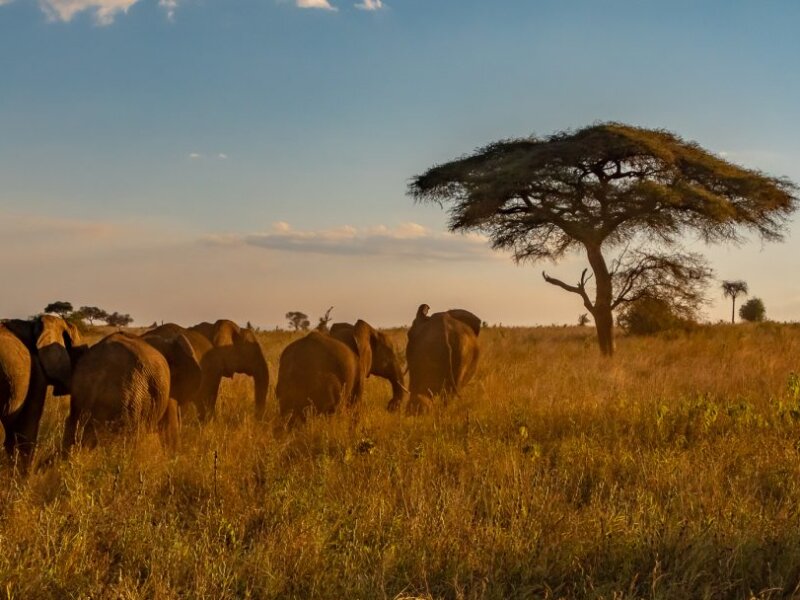
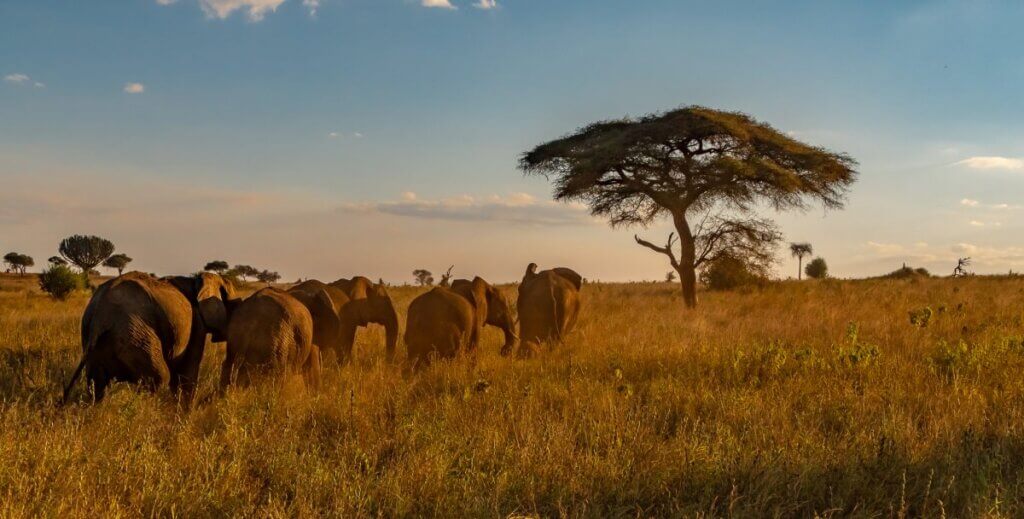
Tarangire also offers excellent elephant photography. The park supports large herds, and photographers may observe elephants moving through woodland or gathering around water. Because elephants often interact with one another, you may capture intimate family moments as well as dramatic group scenes.
The park’s varied habitats also attract giraffes, zebras, wildebeest, buffaloes, lions, and numerous bird species. As a result, Tarangire can support a wide range of photographic interests.
Another advantage involves the park’s atmosphere. During certain periods, Tarangire can feel less crowded than some of Tanzania’s most famous destinations. This may give photographers more time and space to compose images without feeling pressured to move quickly.
For photographers who value distinctive landscapes and environmental portraits, Tarangire deserves a place on a carefully designed Tanzania safari itinerary.
Ngorongoro Conservation Area Combines Wildlife and Landscape Photography
The Ngorongoro Conservation Area offers one of Tanzania’s most dramatic settings for photography. The combination of volcanic scenery, highland forests, open grasslands, and the famous Ngorongoro Crater creates a destination with strong visual variety.
The crater itself provides a remarkable natural backdrop. From the viewpoints above, photographers can capture sweeping landscape images that show the scale and shape of the volcanic caldera. Once inside, the crater floor offers opportunities to photograph wildlife against a distinctive enclosed landscape.
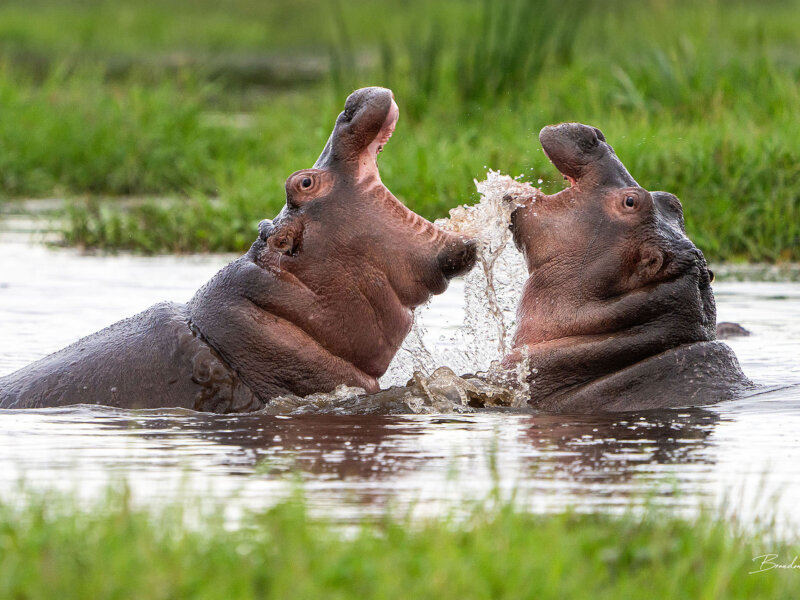
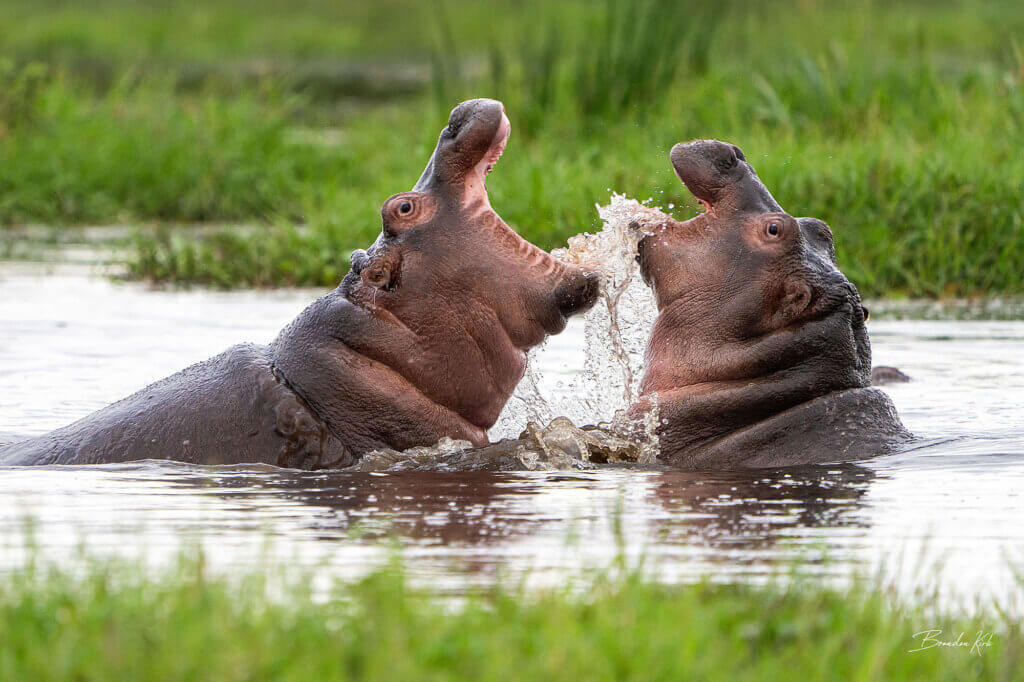
Lions, elephants, buffaloes, zebras, hippos, and other animals live within the wider ecosystem. Photographers can therefore combine wildlife images with scenic compositions that show the relationship between animals and their environment.
However, photography in the crater requires thoughtful planning. The concentration of wildlife can attract many safari vehicles, particularly during busy periods. A skilled guide can help you approach sightings respectfully and position the vehicle carefully while following park regulations.
The wider conservation area also provides cultural and environmental stories. Travelers can experience highland landscapes and learn about the relationship between conservation and local communities.
For photographers who want more than close animal portraits, Ngorongoro provides an opportunity to create images that combine wildlife, geography, and human connection. It works especially well as part of a longer northern Tanzania itinerary that includes Serengeti and Tarangire.
Lake Manyara Is Excellent for Diverse Scenes and Bird Photography
Lake Manyara National Park may cover less ground than the Serengeti, but its diverse habitats provide a surprisingly rich photography experience. The park includes groundwater forests, open grasslands, woodland, wetlands, and the lake itself. Each habitat creates different visual opportunities.
The forest can produce intimate images of elephants and other wildlife moving through dense vegetation. Meanwhile, open areas allow photographers to capture larger animals against clearer backgrounds. The lake and surrounding wetlands also support many bird species, making the park appealing to bird photographers.
Bird photography can become particularly rewarding when the water attracts large numbers of birds. Depending on the season, photographers may encounter flamingos and many other species. The combination of water, birds, and changing light can produce beautiful abstract and landscape compositions.
Lake Manyara also offers an interesting contrast to the open plains of the Serengeti. Photographers who want variety can include the park in a wider itinerary rather than spending their entire trip in one ecosystem.
However, travelers should remember that wildlife conditions change throughout the year. A professional safari planner can help match your travel dates with your photographic interests.
For photographers who enjoy combining wildlife, birds, forests, and landscapes in one destination, Lake Manyara provides a valuable addition to a Tanzania photography safari.
The Best Time for a Tanzania Photography Safari
Choosing the right season can significantly influence your photography experience. Tanzania offers rewarding photographic opportunities throughout the year, but each season creates a different atmosphere.
The dry season often provides clearer visibility because vegetation becomes less dense. Wildlife may also gather around reliable water sources, making some sightings easier to locate. Dust in the air can sometimes create beautiful golden tones during late afternoon drives.
The green season brings a completely different mood. Rain transforms the landscape, fresh vegetation covers the plains, and dramatic skies can add depth to photographs. This period can also bring young animals, migratory birds, and fewer visitors in some areas.
For photographers interested in the Great Migration, timing becomes even more important. The location of the herds changes throughout the year, so travelers should choose their dates based on the specific migration event they want to photograph.
The best season therefore depends on your personal goals. If you want clear landscapes and strong wildlife concentrations, the dry season may suit you. If you prefer vibrant scenery, dramatic skies, and quieter conditions, the green season can offer exceptional opportunities.
Rather than searching for one universally perfect month, consider the type of images you want to create. A knowledgeable safari planner can then help you select the right region and travel period.
Why the Great Migration Is Exceptional for Photography
The Great Migration remains one of the world’s most powerful wildlife photography subjects. Every year, huge numbers of wildebeest, zebras, and other grazing animals move through the Serengeti ecosystem in response to rainfall and fresh grazing.
For photographers, the migration offers more than famous river crossing images. The movement of the herds creates opportunities to photograph dust clouds, dramatic landscapes, predator interactions, newborn animals, and powerful scenes of survival.
However, the migration does not follow a precise calendar. Rainfall patterns influence the animals’ movements, which means photographers should understand that no itinerary can guarantee a particular event.
River crossings also require patience. The animals may gather near the water for hours or even days before crossing. This unpredictability can challenge photographers, but it also creates the possibility of capturing a truly natural moment.
A successful migration photography safari therefore requires flexibility. Spending several days in the right region can improve your chances of witnessing interesting behavior.
For photographers who want to capture the scale and energy of nature, the migration provides some of Tanzania’s most compelling opportunities. Yet the best images often come from observing the wider story rather than focusing only on dramatic crossings.
Choosing the Right Safari Vehicle for Photography
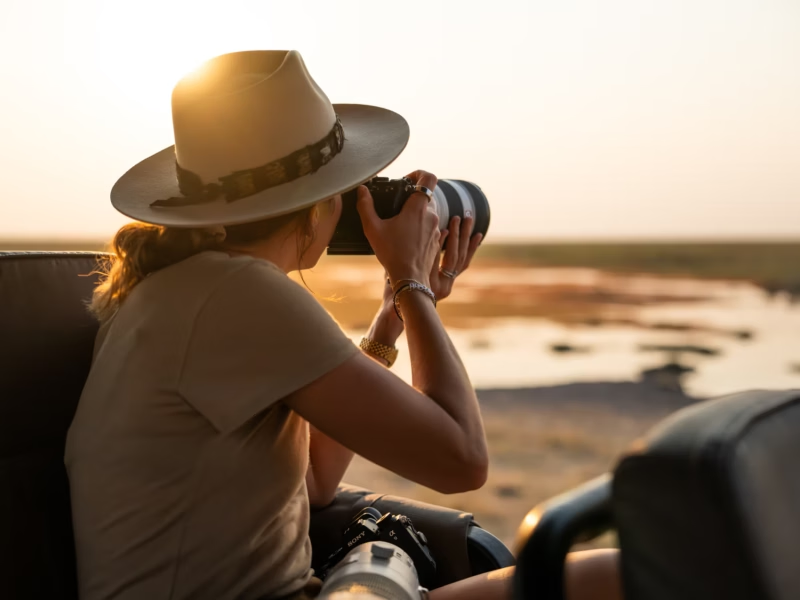
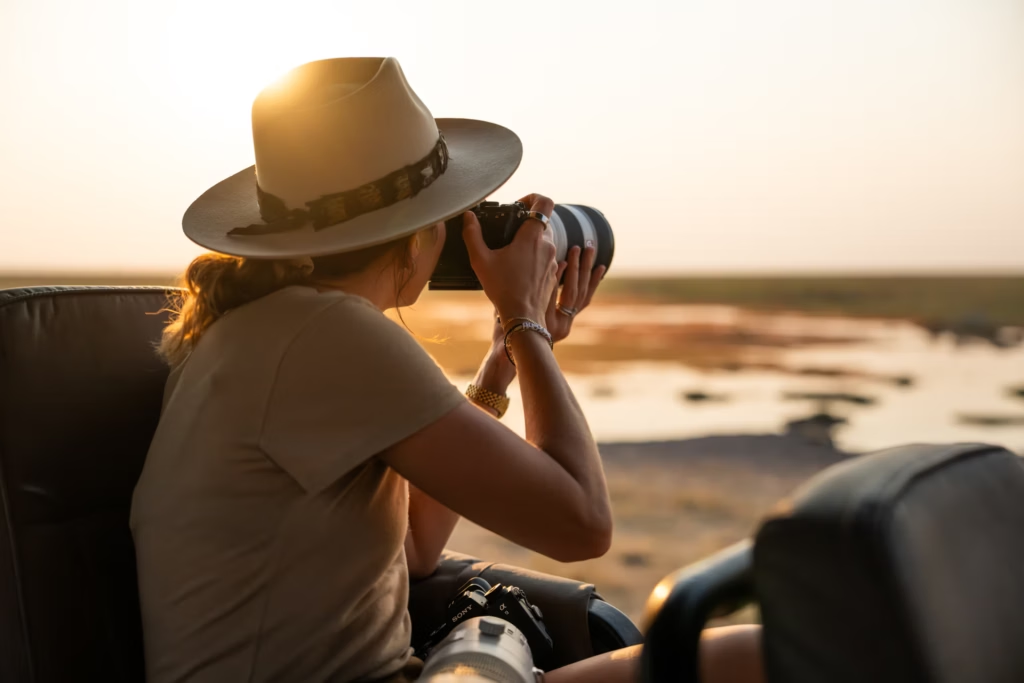
The safari vehicle can have a major effect on the quality of your photography. A comfortable vehicle with a good viewing area allows you to position your camera more effectively and spend longer periods observing wildlife.
Photographers should consider the number of people sharing the vehicle. A private vehicle offers greater flexibility because you can decide how long to remain at a sighting and where to position yourself. You can also adjust your schedule around the best light.
A private safari can become especially valuable for serious photographers. Wildlife rarely appears according to a fixed timetable, so having control over your time allows you to wait for better behavior or changing light.
The vehicle should also provide enough room for camera equipment. Photographers often travel with multiple lenses, batteries, memory cards, and other accessories. Good organization helps prevent equipment from becoming a distraction during important sightings.
Giant Holiday Safaris can help travelers consider these practical details when designing a photography focused Tanzania itinerary. The goal should involve matching the vehicle, guide, accommodation, and route with the photographer’s needs.
Ultimately, the best vehicle is not simply the most comfortable one. It is the vehicle that gives you the freedom, visibility, stability, and time needed to create thoughtful images.
How an Experienced Guide Improves Photography
A skilled safari guide can make a major difference to your photography experience. Good guides understand animal behavior, local habitats, road conditions, and the seasonal patterns that influence wildlife movements.
This knowledge helps them anticipate opportunities. A guide may recognize signs that a lion intends to move, identify where elephants might gather, or understand which direction the light will come from later in the day.
Guides also help photographers behave responsibly. Ethical wildlife photography requires patience and respect. Vehicles should maintain appropriate distances, avoid unnecessary disturbance, and follow conservation rules.
Communication also matters. Photographers should explain their interests before the safari begins. Someone interested in professional wildlife photography may want a different schedule from a traveler who simply wants a few memorable holiday pictures.
The relationship between photographer and guide often becomes one of the most important parts of the journey. When both understand the goals of the safari, they can work together more effectively.
Therefore, selecting an experienced guide should rank as highly as choosing the destination. The right guide can turn an ordinary wildlife encounter into an opportunity to understand animal behavior, improve composition, and capture a stronger story.
How to Plan the Best Tanzania Safari for Photography
The best Tanzania safari for photography depends on your goals, but a carefully planned northern circuit often provides the strongest overall experience. Combining Serengeti, Tarangire, and Ngorongoro can give photographers access to different habitats, animals, and landscapes.
Travel duration also matters. A short safari can produce memorable photographs, but additional days give you more opportunities to work with changing weather, light, and animal behavior.
Accommodation location should also receive attention. Staying closer to the areas you plan to photograph can reduce travel time and allow you to begin game drives earlier.
Your equipment matters too, but you do not need the most expensive camera to enjoy safari photography. A reliable camera, suitable lenses, spare batteries, and enough storage can take you a long way. More importantly, patience and observation often matter more than equipment.
The best photography safari combines good planning with flexibility. When you allow nature to shape the day’s experience, you create space for unexpected moments that may become the most meaningful photographs of your journey.
Making the Most of Your Tanzania Photography Safari
So, which Tanzania safari is best for photography? For most travelers, the Serengeti offers the strongest overall choice because it combines exceptional wildlife diversity, dramatic landscapes, and opportunities to experience the Great Migration. However, the best photography itinerary does not need to stop there. Tarangire adds powerful environmental images through its baobabs and elephants, while Ngorongoro brings dramatic volcanic landscapes and concentrated wildlife. Lake Manyara adds forests, wetlands, and excellent bird photography opportunities.
Most importantly, give yourself enough time. Great wildlife photography rarely comes from rushing between destinations. It comes from waiting, watching, and understanding the natural world around you.
A successful Tanzania photography safari should also prioritize ethical wildlife viewing. Respecting animals, following park rules, and working with knowledgeable guides ensures that photography supports conservation rather than disturbing wildlife.
When you combine the right destination, season, vehicle, guide, and pace, Tanzania becomes an extraordinary setting for photography. Whether you photograph a lion in the morning light, an elephant beneath a baobab, or a distant herd crossing the Serengeti plains, the experience can create images that preserve not only what you saw but also the feeling of being present in one of Africa’s most remarkable wild places.