Uganda gorilla trekking in Nkuringo sector
May 3, 2026
Tanzania Group Safari Packages – Best Group Safaris in Tanzania
May 3, 2026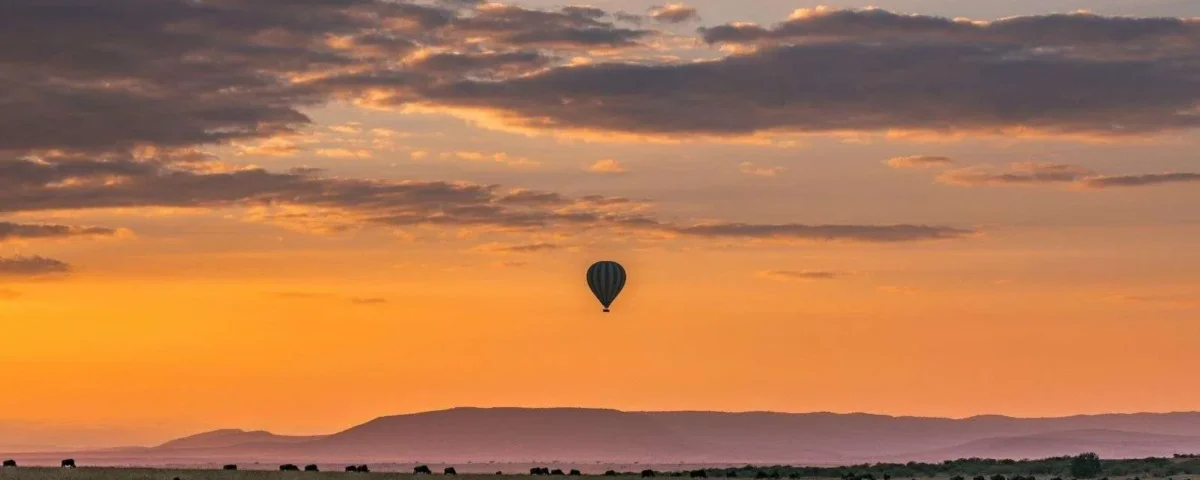
Migration Safari Planning Guide
Migration Safari Planning Guide: A migration safari offers one of the most powerful wildlife experiences on Earth. Every year, millions of wildebeest, zebras, and gazelles move across the vast plains of East Africa in search of fresh grazing land and water. This breathtaking natural event creates unforgettable scenes, from dramatic river crossings to predator-filled hunting grounds. For travelers who dream of witnessing Africa’s raw beauty, a migration safari stands as a once-in-a-lifetime journey.
However, proper planning shapes the difference between a good safari and an extraordinary one. Africa’s migration routes shift with seasonal rains, wildlife movements, and ecosystem changes. Therefore, travelers need expert guidance to choose the right destinations, travel dates, accommodations, and safari experiences. A well-prepared safari ensures better wildlife sightings, smoother logistics, and deeper cultural experiences.
This Migration Safari Planning Guide helps travelers make informed decisions while exploring Africa’s iconic migration landscapes. From choosing the best countries and seasons to understanding safari costs, packing essentials, and ethical travel practices, this guide delivers practical insights for every type of traveler. Whether you seek luxury camps, family adventures, or photography expeditions, smart planning unlocks the true magic of Africa’s greatest wildlife spectacle.
Understanding the Great Migration: Why It Captivates the World
The Great Migration remains one of nature’s most extraordinary wildlife movements. More than 1.5 million wildebeest, alongside hundreds of thousands of zebras and gazelles, travel through Tanzania’s Serengeti and Kenya’s Maasai Mara in a continuous cycle. This journey follows rainfall patterns that nourish the grasslands. As animals search for food and survival, predators such as lions, cheetahs, crocodiles, and hyenas closely follow.
Unlike a single event, the migration unfolds year round across different regions. Calving season begins in Southern Serengeti between January and March, where thousands of wildebeest calves enter the world daily. Then, herds move northward through Central and Western Serengeti before reaching the famous Mara River crossings between July and October. These crossings often create the most dramatic safari moments, as massive herds face strong currents and lurking crocodiles.
Travelers across the world admire this migration because it showcases survival, resilience, and natural balance. Every stage offers unique experiences. Some visitors prefer calving season for predator action, while others seek river crossings for intense drama. Understanding this cycle helps travelers align their safari goals with the right season. As a result, careful timing enhances both wildlife encounters and travel value.
Migration Safari Planning Guide: Best Destinations for a Migration Safari in Africa
Choosing the right destination forms the foundation of a successful migration safari. Tanzania and Kenya lead the list because they host the world famous Great Migration. Tanzania’s Serengeti National Park covers vast ecosystems where migration begins, making it ideal for travelers who want extended wildlife experiences across multiple seasons. The Serengeti also offers diverse landscapes, from open plains to river systems.
Kenya’s Maasai Mara National Reserve becomes the center of action from July to October when herds cross from Tanzania. This period attracts visitors seeking iconic river crossings and concentrated predator activity. The Mara’s smaller size can make wildlife easier to spot, especially for first-time safari travelers.
Beyond Serengeti and Maasai Mara, other African regions also provide migration experiences. Botswana’s zebra migration in the Makgadikgadi Pans offers a unique alternative. Zambia’s bat migration in Kasanka National Park creates another extraordinary spectacle. Meanwhile, Namibia hosts seasonal wildlife movements shaped by desert ecosystems.
For classic wildebeest migration, East Africa remains unmatched. Tanzania often suits travelers seeking longer journeys and varied landscapes, while Kenya works well for dramatic peak season sightings. Selecting the right destination depends on travel goals, budget, and preferred safari style.
Migration Safari Planning Guide: Choosing the Best Time for Your Migration Safari
Timing plays a critical role in safari success. Since migration patterns follow rainfall rather than fixed dates, understanding seasonal movement improves travel planning. Each month offers different opportunities, so travelers should match their expectations with wildlife behavior.
From January to March, Southern Serengeti shines during calving season. Thousands of newborn animals attract predators, making this season perfect for dramatic wildlife interactions. Additionally, the landscape appears lush and green, which enhances photography.
Between April and June, herds move through Central and Western Serengeti. Although rain may affect some routes, fewer crowds often create more private safari experiences. By July through October, migration reaches peak excitement as animals cross the Mara River into Kenya’s Maasai Mara. This period offers the famous river crossings many travelers dream about.
In November and December, herds begin returning south toward Serengeti as short rains refresh grazing grounds. While river crossings slow down, travelers still enjoy excellent wildlife sightings with fewer tourists.
Therefore, the best time depends on personal interests. For river drama, visit from July to October. For birthing season, choose January to March. Flexible planning increases the chance of unforgettable wildlife moments.
Safari Types: Choosing the Right Experience for Your Travel Style
Migration safaris come in many forms, and selecting the right style shapes your overall experience. Luxury safaris provide premium lodges, private guides, gourmet dining, and exclusive wildlife access. These safaris often suit honeymooners, families, or travelers seeking comfort without sacrificing adventure.
Mid-range safaris balance affordability with quality. Travelers enjoy comfortable lodges or tented camps while accessing major wildlife zones. This option often works well for couples and small groups who want value and memorable experiences.
Budget safaris focus on cost effective adventures through camping, shared vehicles, and simpler accommodations. Although amenities may be basic, these safaris still offer exceptional wildlife viewing. Many backpackers and young travelers prefer this route.
Private safaris create personalized experiences with flexible schedules, while group safaris reduce costs and encourage social connections. Fly-in safaris save travel time and maximize game viewing, especially for luxury travelers. On the other hand, overland safaris appeal to adventure seekers who enjoy road exploration.
Photography safaris also attract travelers who prioritize specialized guides and strategic wildlife positioning. Families may prefer child-friendly lodges with educational activities.
Ultimately, choosing the right safari depends on your budget, comfort level, and travel priorities. Matching your expectations with safari style ensures a rewarding African journey.
Migration Safari Planning Guide: Budgeting for a Migration Safari: What to Expect
Migration safari costs vary widely, so budgeting carefully helps travelers avoid surprises. Prices often depend on destination, season, accommodation level, transport method, and safari duration.
Budget safaris may start from around $150 to $350 per person per day. These packages often include shared transport, camping, park fees, and basic meals. Mid-range safaris usually range from $350 to $700 daily, offering lodge stays, guided game drives, and improved amenities.
Luxury safaris can exceed $800 to $2,500 or more per day, especially during peak migration season. These packages may include charter flights, premium camps, private guides, and exclusive experiences.
Beyond safari package prices, travelers should also budget for international flights, visas, vaccinations, travel insurance, tips, and optional excursions such as hot air balloon rides. Booking early often secures better rates, particularly for high demand months.
Travelers can save money by visiting during shoulder seasons, joining group tours, or choosing less crowded migration areas. However, cutting costs too aggressively may affect guide quality or wildlife access.
A smart safari budget balances affordability with safety, comfort, and meaningful experiences. Investing in experienced operators often improves both satisfaction and overall travel value.
Migration Safari Planning Guide: Essential Packing Tips for a Successful Migration Safari
Packing wisely can dramatically improve your safari experience. Since safari conditions vary between cool mornings, hot afternoons, and dusty environments, practical gear matters.
Neutral colored clothing works best because it blends into natural surroundings and avoids attracting insects. Lightweight, breathable fabrics provide comfort during warm days, while layered clothing helps during chilly early game drives. A waterproof jacket also proves useful during rainy seasons.
Comfortable walking shoes, a widenbrimmed hat, sunglasses, and sunscreen protect against harsh African sun. Binoculars remain essential for spotting distant wildlife, while a quality camera helps capture unforgettable moments. Extra batteries, memory cards, and power banks add convenience in remote camps.
Travel documents, travel insurance, medications, and insect repellent should always stay accessible. Many safari destinations also recommend anti-malaria precautions.
Avoid overpacking bright colors, heavy luggage, or unnecessary valuables. Soft-sided bags often work better for bush flights due to luggage restrictions.
Thoughtful packing improves comfort, safety, and wildlife enjoyment. When travelers prepare properly, they spend less time worrying and more time fully experiencing Africa’s extraordinary migration landscapes.
Responsible Tourism: Travel Ethically and Protect Africa’s Wildlife
A migration safari should inspire travelers while protecting Africa’s ecosystems. Responsible tourism strengthens conservation and supports local communities. Giant Holiday Safaris champions ethical travel, offering guidance that ensures wildlife, people, and future generations benefit.
Choosing eco conscious operators makes a difference. Reputable companies back conservation programs, fair wages, anti-poaching efforts, and sustainable camps. Giant Holiday Safaris integrates these practices, while encouraging travelers to respect wildlife by keeping safe distances and following guide instructions.
Supporting local communities enhances impact. Many regions thrive through community lodges, local guides, and cultural tourism. With Giant Holiday Safaris, guests can engage authentically purchasing crafts or joining cultural experiences that fairly distribute tourism income.
Reducing waste, conserving water, and minimizing footprints also matter. Africa’s fragile ecosystems depend on mindful choices. Giant Holiday Safaris promotes eco friendly practices to preserve these resources.
Final Thoughts: Make Your Migration Safari Extraordinary
A migration safari is more than a vacation it’s a rare chance to witness nature’s resilience and beauty on an unforgettable scale. Extraordinary experiences, however, require careful planning, informed choices, and ethical travel. Giant Holiday Safaris provides expert guidance and personalized support, making every step seamless and rewarding.
From choosing the right season and destination to budgeting and packing, each decision shapes the journey. Travelers who understand migration patterns enjoy richer sightings, while responsible tourism ensures these landscapes remain protected. With Giant Holiday Safaris, itineraries are tailored to balance adventure with conservation.
Africa’s migration safaris inspire travelers worldwide, revealing the untamed heartbeat of the wild. Whether it’s dramatic Mara River crossings, Serengeti calving season, or intimate encounters with East Africa’s biodiversity, preparation turns dreams into reality. Giant Holiday Safaris specializes in crafting these experiences with local expertise and a commitment to sustainability.
By following this guide, travelers approach their safari with confidence and purpose. A well planned migration safari creates lasting memories and builds a meaningful connection with Africa’s heritage. Partnering with Giant Holiday Safaris ensures your journey is extraordinary and responsibly designed to protect Africa’s treasures for generations.
Combined Uganda, Kenya, Rwanda and Tanzania Safaris
17 days Kenya Tanzania and Uganda safari
19 Days Uganda Kenya and Tanzania Safari
16 Days Kenya Tanzania and Uganda Safari
14 Days Kenya Uganda and Tanzania Safari
14 Days Kenya Uganda and Rwanda Safari