Bwindi budget gorilla trekking Options
May 6, 2026
Bwindi gorilla trekking hiking experience
May 6, 2026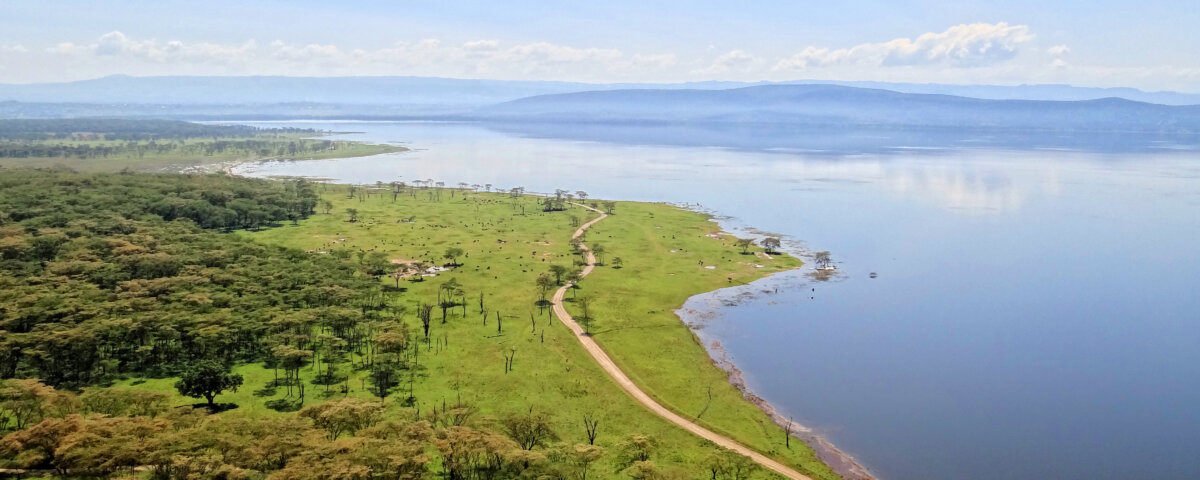
Lake Nakuru National Park
Lake Nakuru National Park offers one of the most iconic safari experiences in Kenya and across Africa. Travelers from around the world visit this destination to witness its rich wildlife, scenic landscapes, and remarkable birdlife. The park sits in the heart of the Great Rift Valley, where nature creates a breathtaking mix of forests, grasslands, and a shimmering alkaline lake.
From the moment visitors enter, they experience a living ecosystem full of movement and color. Rhinos graze across open plains, buffalo roam near the water’s edge, and giraffes move gracefully through acacia woodlands. In addition, the lake attracts thousands of birds, making it a paradise for birdwatchers and photographers.
This guide explores everything you need to know before planning your safari. It highlights wildlife experiences, travel tips, accommodation options, and conservation efforts. Moreover, it helps you understand why this park continues to stand out as a top safari destination. Whether you are a first-time visitor or a returning traveler, Lake Nakuru National Park delivers a powerful and unforgettable African wildlife experience.
Overview of Lake Nakuru National Park
Lake Nakuru National Park stands as one of Kenya’s most famous protected areas, known for its ecological diversity and compact yet rich safari environment. The park covers a relatively small area compared to other national parks, yet it delivers an incredibly dense wildlife experience. Because of this, visitors often see a wide range of animals within a short time.
The park surrounds Lake Nakuru, an alkaline lake that shapes the entire ecosystem. This lake supports algae growth, which attracts large populations of birds and creates a vital food chain for other wildlife. As a result, the park became a crucial conservation zone, especially for endangered species such as rhinos.
Furthermore, the landscape varies from rocky escarpments to grasslands and dense woodlands. This diversity allows different species to thrive in close proximity. Travelers appreciate how easy it becomes to explore the park in a single day while still experiencing a full safari adventure. Overall, Lake Nakuru delivers a compact but powerful wildlife encounter that feels both intimate and dramatic.
Location and How to Get There
Lake Nakuru National Park sits in central Kenya within the Great Rift Valley region. Its location makes it easily accessible from major cities like Nairobi, which lies roughly a few hours’ drive away. This convenience allows both short term visitors and long term travelers to include the park in their itinerary without difficulty.
Road travel remains the most common way to reach the park. Visitors often enjoy scenic drives that pass through rolling highlands, local farms, and dramatic valley viewpoints. Along the way, the journey itself becomes part of the experience, offering glimpses of rural Kenyan life and natural beauty.
Alternatively, travelers can combine visits with other nearby safari destinations, creating a longer and more diverse itinerary. Once inside the park, well maintained roads allow smooth movement between different viewing points. This accessibility enhances game viewing and increases the chances of spotting wildlife in various habitats.
Because of its central position, Lake Nakuru National Park. serves as an ideal stop on a broader Kenyan safari circuit. It connects easily with destinations such as the Maasai Mara and Lake Naivasha, making it a strategic highlight for travelers seeking variety and convenience.
Best Time to Visit Lake Nakuru National Park
Timing plays an important role in shaping the safari experience at Lake Nakuru National Park. The park remains open throughout the year, but different seasons offer unique advantages. The dry seasons, usually from June to September and January to February, provide the best wildlife viewing conditions. During these months, animals gather near water sources, making them easier to spot.
In contrast, the wet seasons bring lush green landscapes and a fresh, vibrant atmosphere. Although wildlife may spread out due to abundant water, the scenery becomes especially beautiful for photography. Additionally, bird activity increases during certain periods, creating excellent opportunities for birdwatchers.
Travelers often choose their visit based on personal interests. Those focused on big game viewing prefer dry seasons, while photographers and bird lovers may enjoy the dramatic colors of the wet months. Regardless of timing, the park consistently delivers rewarding experiences.
Moreover, early mornings and late afternoons provide the best safari conditions. During these hours, animals remain most active, and lighting conditions enhance photography. Careful planning ensures visitors maximize every moment inside the park.
Wildlife in Lake Nakuru National Park
Wildlife remains one of the strongest attractions of Lake Nakuru National Park. The park hosts a wide variety of species, making every game drive unpredictable and exciting. Large mammals such as rhinos, lions, buffaloes, zebras, and giraffes roam freely across the landscape. Because the park focuses heavily on conservation, rhino populations receive strong protection, offering one of the best chances to see them in Kenya.
In addition, predators such as lions and leopards also inhabit the park, although they require patience and a keen eye to spot. Herbivores dominate the open plains, creating a balanced ecosystem where predator prey interactions shape natural behavior.
The compact size of the park increases wildlife visibility. Unlike larger reserves where animals spread out, Lake Nakuru keeps them within a smaller range. As a result, visitors often experience multiple sightings within a short drive.
Furthermore, the diversity of habitats supports different species. Forested areas shelter monkeys and smaller mammals, while grasslands attract grazing animals. This variety ensures that every safari drive offers new surprises and memorable encounters.
Birdwatching Paradise at Lake Nakuru
Lake Nakuru National Park stands as a world famous birdwatching destination. The lake and surrounding wetlands attract hundreds of bird species, creating one of the richest bird habitats in Africa. Flamingos, pelicans, herons, and cormorants often dominate the shoreline, forming a vibrant and dynamic scene.
Although flamingo populations may vary depending on water conditions, the lake consistently supports large numbers of water birds. This natural fluctuation adds a sense of discovery to each visit, as no two experiences look exactly the same.
Birdwatchers enjoy both resident and migratory species throughout the year. The park’s diverse ecosystem supports forest birds, raptors, and waterfowl, offering endless observation opportunities. Moreover, the mix of habitats ensures that even casual visitors notice birds everywhere they go.
Photography also thrives in this environment. The contrast between wildlife, water, and landscape creates striking visual compositions. Because of this, Lake Nakuru continues to attract photographers and ornithologists from around the globe.
Overall, the park delivers a birding experience that combines beauty, variety, and constant movement, making it a must visit destination for nature lovers.
Safari Activities and Experiences
Lake Nakuru National Park offers a wide range of safari activities that cater to different travel styles. Game drives remain the most popular option, allowing visitors to explore the park’s diverse ecosystems while searching for wildlife. These drives reveal both large animals and smaller species in their natural environment.
In addition, guided tours enhance the experience by providing deeper insight into animal behavior, plant life, and conservation efforts. Knowledgeable guides help visitors understand the ecosystem in a more meaningful way, which strengthens appreciation for the park.
Photography safaris also attract many travelers. The park’s scenic views, combined with its rich wildlife, create ideal conditions for capturing memorable images. Sunrises and sunsets further enhance these opportunities.
Moreover, visitors can enjoy picnic sites located at designated viewpoints. These areas offer a peaceful break while still surrounded by nature. Walking safaris in nearby areas outside the main park boundaries also provide a closer connection to the environment.
Overall, Lake Nakuru delivers flexible safari experiences that suit both adventure seekers and relaxed travelers.
Accommodation Options Near Lake Nakuru
Travelers visiting Lake Nakuru National Park find a wide range of accommodation options that suit different budgets and preferences. Lodges inside and near the park offer comfort, convenience, and direct access to safari activities. Many of these lodges provide scenic views of the lake or surrounding landscapes, enhancing the overall experience.
Mid-range camps and lodges deliver a balance between comfort and affordability. They often include essential amenities while maintaining a close connection to nature. On the other hand, luxury accommodations offer premium services such as private game drives, fine dining, and exclusive viewpoints.
Budget travelers also find suitable options in nearby towns. These facilities allow visitors to enjoy the park while keeping costs manageable. Because of the park’s popularity, most accommodations provide easy access to entry gates and safari routes.
Furthermore, staying near the park allows early morning and late afternoon game drives, which improve wildlife viewing opportunities. As a result, accommodation choices play an important role in shaping the overall safari experience.
Travel Tips and Safari Planning Advice
Planning a successful safari at Lake Nakuru National Park requires practical preparation. First, travelers should pack lightweight clothing, comfortable shoes, and sun protection. Weather conditions can change quickly, so layering helps adapt to temperature variations.
Second, binoculars and cameras improve wildlife viewing and photography experiences. Since animals may appear at a distance, these tools enhance observation significantly.
Third, visitors should plan game drives during early morning or late afternoon hours. These times offer the highest chances of spotting active wildlife. Additionally, hiring a knowledgeable guide improves the overall safari experience by providing insights and locating animals efficiently.
Moreover, travelers should respect park rules and maintain safe distances from wildlife. This ensures both personal safety and animal protection.
Finally, booking accommodations and park entries in advance helps avoid last minute challenges, especially during peak seasons. With proper planning, visitors enjoy a smooth and rewarding safari experience.
Conservation and Park Protection Efforts
Lake Nakuru National Park plays a vital role in safeguarding endangered species, especially rhinos, through strict protection measures. Environmental management ensures the lake’s ecosystem remains balanced, while local communities support conservation through eco tourism initiatives that generate income and encourage long term commitment. Giant Holiday Safaris actively promotes these efforts by guiding travelers responsibly and partnering with conservation programs to strengthen wildlife protection.
Research within the park also informs strategies for sustainability, studying animal behavior and habitat changes. Overall, Lake Nakuru demonstrates how tourism and conservation work together. With Giant Holiday Safaris, visitors not only enjoy memorable safaris but also contribute to preserving Kenya’s natural heritage for generations to come.
Conclusion
Lake Nakuru National Park stands as a powerful example of Africa’s natural richness and conservation success. Its compact size, diverse wildlife, and breathtaking scenery create an unforgettable safari experience. Travelers discover not only animals and landscapes but also a deeper connection to nature.
From rhino sightings to vibrant birdlife, every moment inside the park offers something unique. In addition, easy accessibility and varied accommodation options make it suitable for all types of travelers. Giant Holiday Safaris enhances this experience by offering expertly guided tours, seamless travel arrangements, and personalized itineraries that ensure every visitor enjoys the park’s wonders with confidence and comfort.
Ultimately, this destination continues to build its reputation as a must visit safari location in Africa. With careful planning and a spirit of adventure, visitors experience the true essence of Kenyan wildlife and landscape beauty. By choosing Giant Holiday Safaris, travelers gain a trusted partner dedicated to delivering authentic, safe, and memorable safari experiences in Lake Nakuru and beyond.
Combined Uganda, Kenya, Rwanda and Tanzania Safaris
17 days Kenya Tanzania and Uganda safari
19 Days Uganda Kenya and Tanzania Safari
16 Days Kenya Tanzania and Uganda Safari
14 Days Kenya Uganda and Tanzania Safari
14 Days Kenya Uganda and Rwanda Safari