What Should I Pack for a Kenya Safari?
May 17, 2026
How much does a Uganda safari cost?
May 18, 2026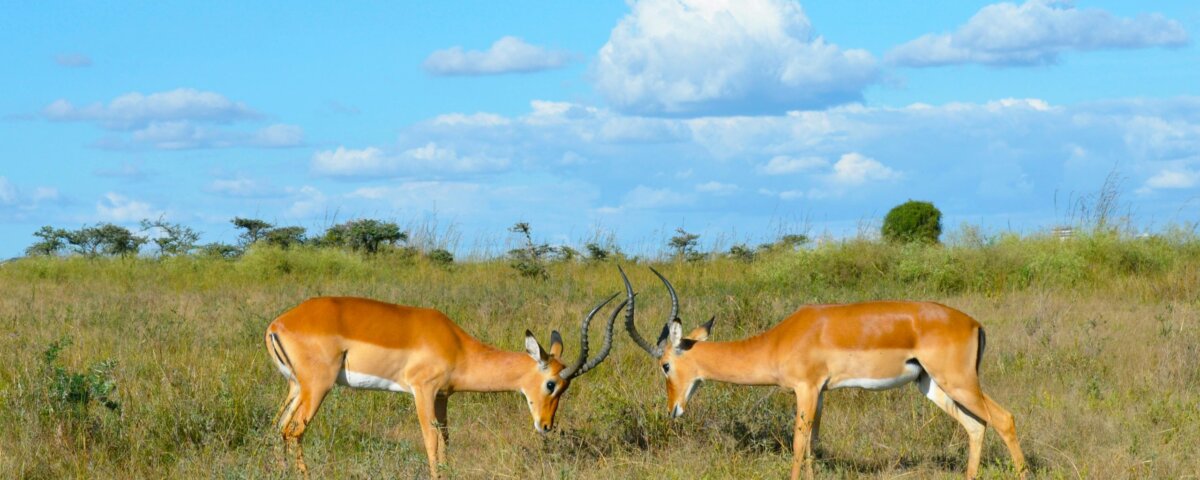
What is the Best Time for Uganda Safaris?
Uganda stands among Africa’s most rewarding safari destinations because it offers mountain gorilla trekking, wildlife game drives, birdwatching, chimpanzee tracking, cultural experiences, and scenic landscapes throughout the year. However, many travelers still ask, “What is the best time for Uganda safaris?” The answer depends on the type of safari experience you want, your travel budget, and the regions you plan to visit. Uganda enjoys a tropical climate with both dry and wet seasons, and each season creates unique safari opportunities across the country.
Travelers who visit Uganda during the right season enjoy better wildlife sightings, smoother gorilla trekking adventures, and more comfortable weather conditions. At the same time, the green season brings beautiful scenery, fewer crowds, and lower safari costs. Therefore, understanding Uganda’s safari seasons helps visitors plan a rewarding African adventure that matches their expectations. From the famous mountain gorillas in Bwindi Impenetrable National Park to the tree climbing lions in Queen Elizabeth National Park, Uganda delivers unforgettable experiences in every season. This guide explains the best time for Uganda safaris while helping international travelers choose the perfect season for their dream African journey.
Experience Uganda safaris
18 Days Best Uganda Adventure Safaris
14-Days Uganda Gorillas & Wildlife Tour
12 Days Gorillas, Chimps & Wildlife Safari
10 days Uganda primates & wildlife safari
10 Days Uganda Gorillas and Game Safari
7 Days Gorillas & Wildlife Safari
6 Days Gorillas and Chimps Trek Safari
3 Day Bwindi Gorilla Trekking Safari
4 Days Gorilla Trekking & Boat Cruise
Uganda’s Climate and Safari Seasons
Uganda enjoys a pleasant tropical climate because of its high altitude and diverse landscapes. Temperatures remain moderate throughout the year, making the country suitable for safaris in every season. Most parts of Uganda experience daytime temperatures between 20°C and 29°C, although mountain regions such as Bwindi and Mgahinga become cooler, especially in the evenings and early mornings.
Uganda has two main dry seasons and two wet seasons. The long dry season runs from June to September, while the short dry season occurs from December to February. These months offer the best safari conditions because roads remain accessible, wildlife gathers near water sources, and trekking trails stay less slippery. Consequently, many travelers consider these periods the best time for Uganda safaris.
On the other hand, the rainy seasons appear from March to May and from October to November. During these months, Uganda becomes greener and more scenic. Forests look fresh, landscapes bloom beautifully, and birdwatching improves greatly because migratory birds arrive in the country. Although some roads become muddy during heavy rains, many safari activities still continue successfully.
Uganda’s climate also changes slightly depending on the region. Northern parks such as Kidepo Valley National Park often remain hotter and drier, while western Uganda experiences more rainfall because of its mountainous terrain. Therefore, travelers should consider both the season and the destination when planning a Uganda safari.
Best Time for Gorilla Trekking in Uganda
Mountain gorilla trekking remains Uganda’s most famous safari activity, attracting travelers from around the world. Uganda protects nearly half of the world’s remaining mountain gorillas within Bwindi Impenetrable National Park and Mgahinga Gorilla National Park. The best time for gorilla trekking in Uganda usually falls during the dry seasons from June to September and December to February.
During the dry months, trekking trails become easier to navigate because they remain less muddy and less slippery. Hikers move more comfortably through the dense rainforest, and visibility inside the forest improves greatly. Additionally, photographers enjoy clearer conditions for capturing wildlife and scenic landscapes. These advantages make the dry season ideal for first time gorilla trekkers and luxury safari travelers.
Even so, gorilla trekking takes place throughout the year. The rainy season also offers excellent opportunities for visitors who prefer fewer crowds and discounted accommodation rates. Since gorillas live in the forest year round, sightings remain highly successful in every month. In fact, some travelers prefer the wet season because the forests appear greener and more dramatic.
Travelers planning gorilla trekking should book permits early, especially during peak safari months. Uganda Wildlife Authority issues limited permits daily to protect the gorillas and preserve their habitat. As a result, permits sell out quickly during high season periods.
Uganda’s gorilla trekking experience stands out because visitors spend one magical hour observing these gentle giants in their natural habitat. Watching gorillas interact, feed, and care for their families creates emotional moments that remain unforgettable long after the safari ends.
Best Time for Wildlife Safaris in Uganda
Uganda offers exceptional wildlife safaris across its national parks, including Murchison Falls National Park, Queen Elizabeth National Park, Kidepo Valley National Park, and Lake Mburo National Park. The best time for wildlife safaris in Uganda usually occurs during the dry seasons because animals gather around rivers, lakes, and waterholes.
Between June and September, grass levels decrease in many parks, making wildlife easier to spot during game drives. Visitors often see elephants, buffaloes, giraffes, lions, leopards, antelopes, and hippos more clearly during this period. Roads also remain more accessible, which improves travel conditions across the parks.
Similarly, the short dry season from December to February provides excellent wildlife viewing opportunities. Sunny days and lower rainfall create favorable safari conditions for photography and outdoor exploration. Boat cruises along the Nile River in Murchison Falls National Park and the Kazinga Channel in Queen Elizabeth National Park become especially rewarding during this time.
However, the rainy season still offers unique wildlife experiences. Parks become greener, landscapes appear vibrant, and fewer tourists visit popular safari areas. Consequently, travelers enjoy quieter game drives and better lodge availability. Wildlife still remains active, although thick vegetation sometimes makes animal sightings slightly more challenging.
Kidepo Valley National Park, located in northeastern Uganda, often provides excellent game viewing almost year round because the region receives less rainfall compared to other parts of the country. This remote wilderness delivers one of Africa’s most authentic safari experiences with stunning scenery and abundant wildlife.
Travelers seeking classic African wildlife adventures usually find the dry season ideal, while photographers and budget travelers often appreciate the beauty and affordability of the green season.
Best Time for Chimpanzee Tracking in Uganda
Chimpanzee tracking ranks among Uganda’s top primate experiences, especially in Kibale Forest National Park, Budongo Forest, Kyambura Gorge, and Kalinzu Forest. Uganda hosts one of the highest populations of chimpanzees in Africa, making it a premier destination for primate tourism.
The dry seasons from June to September and December to February offer the best conditions for chimpanzee tracking. Forest trails become easier to walk through, and lower rainfall creates more comfortable hiking conditions. Visitors also enjoy better visibility inside the forest during these months.
Chimpanzees move actively through the forest while searching for food, communicating loudly, and interacting socially. Their energetic behavior creates exciting encounters for travelers. Additionally, experienced guides help visitors locate chimpanzee groups by following vocal sounds and movement patterns.
Despite the popularity of the dry season, chimpanzee tracking during the wet season also delivers rewarding experiences. Forests become lush and beautiful, while chimpanzees often stay closer to feeding areas with abundant fruit supplies. Therefore, tracking sometimes becomes easier despite the muddy trails.
Kibale Forest National Park remains the best destination for chimpanzee tracking in Uganda because it supports a large habituated chimpanzee population. The forest also hosts other primate species, including red colobus monkeys, black and white colobus monkeys, and L’Hoest’s monkeys.
Travelers looking for a complete primate safari often combine chimpanzee tracking with gorilla trekking for an unforgettable Uganda wildlife experience.
Best Time for Birdwatching Safaris in Uganda
Uganda ranks among Africa’s top birdwatching destinations because it hosts more than 1,090 bird species within its diverse ecosystems. The country attracts bird lovers from around the world who come to explore wetlands, forests, savannahs, and mountain habitats.
The best time for birdwatching safaris in Uganda usually falls between November and April because migratory birds arrive from Europe and North Africa during this period. Bird activity also increases greatly during the rainy seasons since breeding behavior becomes more visible.
Birdwatchers can spot iconic species such as the shoebill stork, African fish eagle, great blue turaco, green breasted pitta, and grey crowned crane. Wetlands around Mabamba Swamp provide excellent opportunities for observing the famous shoebill, while Bwindi Impenetrable National Park supports many Albertine Rift endemic species.
Rainy seasons create ideal birding conditions because vegetation becomes greener and insects increase in abundance. Consequently, birds become more active and colorful. Photographers also appreciate the dramatic landscapes and fresh scenery during these months.
Even though birdwatching thrives during wetter periods, Uganda remains a year round birding destination. Dry season travel still allows excellent bird sightings, especially in national parks and forest reserves.
Uganda’s bird diversity, combined with its primate experiences and wildlife safaris, makes the country a complete African safari destination for nature enthusiasts.
Advantages of Visiting Uganda During the Dry Season
Many travelers choose Uganda’s dry season because it provides the most convenient safari conditions. From June to September and December to February, visitors enjoy sunny weather, clearer skies, and easier travel across the country.
Game drives become more productive because wildlife gathers near water sources. Additionally, shorter grass improves visibility during wildlife viewing. Tourists often see large elephant herds, lions resting in open areas, and buffaloes near rivers and lakes.
Gorilla trekking and chimpanzee tracking also become easier during dry periods. Trails remain less muddy, hiking conditions improve, and forest paths become safer to navigate. These advantages particularly benefit older travelers and visitors who prefer less physically demanding trekking experiences.
Road conditions improve greatly during dry months, especially in remote safari regions. Travelers reach national parks more comfortably, while safari vehicles experience fewer delays caused by mud and flooding.
The dry season also supports excellent photography opportunities because sunlight improves wildlife visibility and landscape clarity. As a result, many professional photographers prefer traveling during this period.
However, high demand during the dry season often increases safari prices. Gorilla permits, lodges, and domestic flights usually sell out early, especially between June and August. Therefore, travelers should book Uganda safaris several months in advance during peak tourism seasons.
Advantages of Visiting Uganda During the Green Season
Uganda’s green season offers remarkable safari experiences for travelers who appreciate scenery, affordability, and fewer crowds. Although rainfall increases between March and May and again from October to November, many visitors enjoy the unique beauty that comes with this season.
National parks become lush and vibrant as fresh vegetation covers the landscapes. Rivers flow strongly, forests appear greener, and waterfalls become more dramatic. Uganda’s natural beauty reaches its peak during these rainy months.
Accommodation rates often decrease during the low season, allowing budget travelers to access luxury lodges and safari experiences at more affordable prices. Consequently, visitors enjoy excellent value while exploring Uganda’s wildlife destinations.
The green season also creates quieter safari experiences because fewer tourists visit the parks. Travelers enjoy more privacy during gorilla trekking, game drives, and boat cruises. In many cases, safari vehicles spend longer observing wildlife without crowds nearby.
Birdwatching becomes exceptional during the rainy months because migratory species arrive and breeding activity increases. Nature photographers also appreciate the rich colors and dramatic skies created by seasonal rains.
Although some roads become challenging after heavy rainfall, experienced safari operators continue organizing successful tours throughout the year. Travelers who prepare properly still enjoy unforgettable Uganda safaris during the green season.
How to Choose the Best Time for Uganda Safaris
Choosing the best time for Uganda safaris depends on your travel goals, interests, and budget. Travelers seeking the easiest trekking conditions and classic wildlife viewing should consider visiting during the dry seasons. These months provide the most reliable safari conditions and attract visitors from around the world.
However, travelers looking for lower prices, greener landscapes, and fewer tourists may prefer the rainy season. Uganda remains beautiful throughout the year, and wildlife experiences continue successfully even during wetter months.
Adventure travelers often enjoy combining different activities such as gorilla trekking, chimpanzee tracking, wildlife safaris, cultural tours, and birdwatching. Therefore, planning according to your preferred experiences helps maximize your safari enjoyment.
International travelers should also consider permit availability, accommodation demand, and transportation logistics when selecting travel dates. Booking early becomes especially important during peak tourism months because gorilla permits and premium safari lodges sell out quickly.
Uganda’s diverse attractions ensure that every season offers something unique. Whether you visit during the dry season or the green season, Uganda delivers authentic African safari experiences filled with wildlife, culture, scenery, and unforgettable memories.
In conclusion, understanding what is the best time for Uganda safaris helps travelers plan rewarding journeys across one of Africa’s most beautiful destinations. Uganda offers incredible safari adventures throughout the year, from gorilla trekking in misty rainforests to wildlife viewing across vast savannah plains. Each season creates different opportunities, yet every visit reveals the country’s extraordinary natural beauty, rich biodiversity, and warm hospitality. Travelers who choose Uganda for their African safari discover a destination that combines adventure, authenticity, and unforgettable experiences in every season.