Which Parks Are Best for Kenya Safaris?
May 17, 2026
What is the best time for Uganda safaris?
May 18, 2026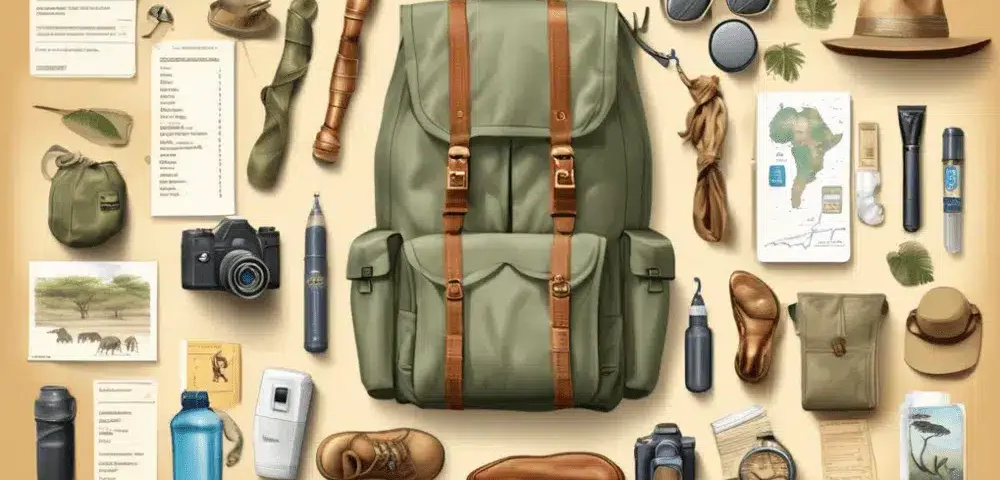
What Should I Pack for a Kenya Safari?
Kenya stands as one of Africa’s most exciting safari destinations because it offers incredible wildlife, diverse landscapes, and unforgettable travel experiences. Travelers from around the world visit Kenya to explore famous parks like Maasai Mara, Amboseli, Tsavo, and Samburu. However, one of the most important questions every traveler asks before departure is, “What should I pack for a Kenya safari?”
Packing correctly plays a major role in the quality of a safari experience. The right clothing, gear, and essentials help travelers stay comfortable, safe, and prepared for changing weather and outdoor conditions. Kenya’s safari environment includes warm daytime temperatures, cool early mornings, dusty game drives, and occasional rain, depending on the season. Therefore, thoughtful packing ensures a smooth and enjoyable journey across Africa’s wilderness. In addition, well prepared travelers enjoy better wildlife viewing, easier movement between destinations, and more confidence during their safari adventure. Understanding what to pack helps visitors maximize their experience while exploring Kenya’s rich wildlife and stunning landscapes.
Lightweight and Comfortable Clothing Improves Safari Comfort
Clothing choice plays a key role in safari comfort because Kenya’s weather changes throughout the day. Travelers should pack lightweight and breathable clothing to stay cool during warm afternoons and comfortable during early morning game drives.
Neutral colors such as beige, khaki, green, and brown work best because they blend with the natural environment and do not attract unwanted attention from insects. Bright colors and dark shades often stand out too much and may not be suitable for wildlife viewing activities.
Long sleeved shirts and long trousers provide protection against sun exposure, dust, and insect bites. Even during warm weather, these clothing items help travelers stay comfortable while exploring parks like Maasai Mara or Tsavo.
Layering also matters because mornings and evenings in Kenya can feel cool, especially during game drives. A light jacket or fleece helps travelers adjust easily to temperature changes throughout the day.
Comfortable walking clothes also help during optional activities such as nature walks or cultural visits. Safari travelers often move between lodges, vehicles, and viewpoints, so flexible clothing improves overall mobility.
Packing smart clothing ensures travelers enjoy Kenyan safari holidays without discomfort, regardless of weather conditions or travel activities.
Proper Footwear Supports Safe Safari Adventures
Footwear selection plays an important role in safari preparation because travelers spend time walking, standing, and exploring different terrains. Kenya’s safari environment includes dusty roads, rocky paths, and uneven ground in national parks and conservancies.
Comfortable walking shoes or lightweight hiking boots provide the best support for safari activities. These shoes protect feet during game drives, short walks, and lodge movement. Strong soles also help travelers maintain balance on uneven surfaces.
Sandals or open shoes work well for relaxing at lodges or camps, especially during hot afternoons or evening downtime. However, closed shoes remain more practical for outdoor safari activities.
Waterproof shoes can also help during rainy seasons or visits to wet areas such as wetlands or riverbanks. This ensures travelers remain comfortable even when weather conditions change unexpectedly.
Proper footwear also improves safety during cultural visits or optional walking safaris. Travelers often explore natural areas with guides, and sturdy shoes help prevent injuries while walking on natural terrain.
Choosing the right footwear enhances comfort, safety, and mobility throughout the safari journey, making it an essential part of Kenya safari packing.
What Should I Pack for a Kenya Safari?: Essential Safari Gear Enhances Wildlife Viewing
Safari gear helps travelers enjoy better wildlife experiences during game drives and outdoor exploration. One of the most important items includes binoculars. These allow travelers to view animals from a distance, especially in large parks like Maasai Mara or Amboseli, where wildlife spreads across vast landscapes.
A good camera also plays an important role in capturing unforgettable safari moments. Many travelers choose cameras with zoom lenses to photograph wildlife without disturbing animals. Smartphones also work well for casual photography, especially when paired with stable hands or accessories.
A small backpack helps organize essential items such as water bottles, snacks, sunscreen, and personal belongings during game drives. Lightweight bags make movement easier and keep items accessible throughout the day.
Sunscreen protects skin from strong African sun exposure, especially during midday game drives. Sunglasses also help reduce glare and improve visibility while viewing wildlife in open savannah areas.
A hat or cap provides extra protection against sunlight and heat. Wide-brimmed hats work especially well for long safari days spent outdoors.
These essential gear items improve comfort, photography quality, and overall safari enjoyment during Kenya wildlife tours.
What Should I Pack for a Kenya Safari?: Health and Safety Items Ensure a Smooth Journey
Health and safety preparation plays an important role when planning what to pack for a Kenya safari. Travelers should include basic medical supplies and personal health essentials to stay comfortable throughout the trip.
A small first aid kit helps manage minor injuries such as cuts, insect bites, or headaches. Essential items may include bandages, antiseptic wipes, pain relievers, and personal medication.
Insect repellent also plays a key role because safari areas may contain mosquitoes or other insects, especially near water sources or during evening hours. Applying repellent helps reduce discomfort and protects against bites.
Hand sanitizer and wet wipes help maintain hygiene during travel, especially in remote areas where washing facilities may be limited.
Travelers should also pack any prescribed medication needed during the trip. Keeping medication in original packaging helps avoid issues during airport security checks or customs inspections.
A reusable water bottle also supports health by encouraging hydration throughout game drives and outdoor activities. Staying hydrated becomes especially important during hot safari days.
Health preparation ensures travelers enjoy Kenyan safari holidays without interruptions, allowing full focus on wildlife experiences and adventure.
What Should I Pack for a Kenya Safari?: Weather Preparation Helps Travelers Stay Comfortable Year Round
Kenya’s climate varies depending on region, altitude, and season. Therefore, weather preparation becomes an important part of safari packing.
Light clothing works well during the daytime because temperatures often rise during game drives. However, early mornings and evenings can feel cool, especially in higher altitude areas such as Maasai Mara or Nairobi.
A warm jacket or fleece helps travelers stay comfortable during early morning game drives or evening outdoor dinners. This layering approach allows easy adjustment to changing temperatures throughout the day.
Rain jackets or lightweight waterproof clothing becomes important during rainy seasons, especially between March and May or during short rains later in the year. These items help travelers stay dry during unexpected showers.
Breathable fabrics improve comfort during hot weather while preventing overheating during long game drives. Cotton or moisture-wicking materials work best for safari conditions.
Weather preparation ensures travelers remain comfortable regardless of seasonal changes, allowing full enjoyment of Kenya safari experiences.
What Should I Pack for a Kenya Safari?: Travel Documents and Essentials Keep Trips Organized
Travel documents play a critical role in ensuring smooth safari experiences in Kenya. Travelers must carry valid passports, visas if required, and travel insurance documents. Keeping these items organized helps avoid delays during arrival and entry processes.
Printed copies of booking confirmations, safari itineraries, and accommodation details also help travelers stay organized throughout their journey. Digital copies stored on mobile devices provide extra backup in case of emergencies.
Cash and payment methods also matter during safari travel. While many lodges and camps accept cards, carrying some local currency helps during small purchases or tips.
Travel adapters ensure electronic devices remain charged during the trip. Kenya uses specific plug types, so proper adapters help avoid inconvenience.
A small travel pouch or organizer keeps important documents safe and easily accessible during movement between airports, lodges, and safari vehicles.
Proper organization of travel essentials improves convenience and reduces stress during Kenya safari holidays.
What Should I Pack for a Kenya Safari?: Personal Comfort Items Improve Safari Experience
Personal comfort items enhance relaxation and enjoyment during safari travel. These items may seem small, but they significantly improve the overall travel experience. With Giant Holiday Safaris, travelers receive practical advice on what comfort essentials to carry for a smoother journey.
A neck pillow helps during long drives or flights between destinations. Eye masks and earplugs also support better rest during travel or overnight stays. Giant Holiday Safaris recommends these items to ensure guests remain refreshed throughout their safari.
Lip balm and moisturizer help protect skin from dry safari air or sun exposure. These items improve comfort during outdoor activities. Giant Holiday Safaris guides travelers on preparing for Kenya’s diverse climates.
A small notebook or journal allows travelers to record safari experiences, wildlife sightings, and personal memories during the trip. Giant Holiday Safaris encourages guests to document their adventures for lasting memories.
Portable chargers ensure electronic devices remain powered during long game drives or in remote travel areas. Light snacks such as energy bars or nuts also help maintain energy levels during long safari days. Giant Holiday Safaris ensures travelers are well-prepared for extended excursions.
These personal comfort items add convenience, relaxation, and enjoyment to Kenyan safari experiences. With Giant Holiday Safaris, travelers are supported in packing smartly to enhance every moment of their adventure.
Packing Smart Enhances the Entire Kenya Safari Experience
What should I pack for a Kenya safari? The answer includes a balanced combination of clothing, footwear, safari gear, health items, weather protection, travel documents, and personal comfort essentials. With Giant Holiday Safaris, travelers receive expert packing guidance to ensure they are well-prepared for every safari adventure.
Proper packing ensures travelers stay comfortable, safe, and prepared for Kenya’s diverse safari environments. From the vast plains of Maasai Mara to the elephant-filled landscapes of Amboseli and the rugged beauty of Tsavo, every destination requires thoughtful preparation. Giant Holiday Safaris provides tailored advice so guests pack efficiently for each park.
Packing smart improves wildlife viewing, enhances travel comfort, and reduces stress throughout the journey. Kenya safari holidays become more enjoyable when travelers prepare for changing weather, outdoor conditions, and long travel days. Giant Holiday Safaris helps guests anticipate these needs with practical packing checklists.
What should I pack for a Kenya safari? The best answer is simple. Pack light, pack smart, and focus on essentials that support comfort, safety, and unforgettable wildlife adventures across Kenya’s incredible safari destinations. With Giant Holiday Safaris, travelers are guided to pack wisely, ensuring a smooth and memorable safari experience.
Combined Uganda, Kenya, Rwanda and Tanzania Safaris
17 days Kenya Tanzania and Uganda safari 19 Days Uganda Kenya and Tanzania Safari
16 Days Kenya Tanzania and Uganda Safari
14 Days Kenya Uganda and Tanzania Safari
14 Days Kenya Uganda and Rwanda Safari