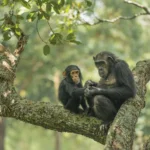
Tanzania Safari and Chimpanzee Trekking
May 20, 2026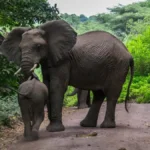
Tanzania Safari for Elephant Viewing
May 20, 2026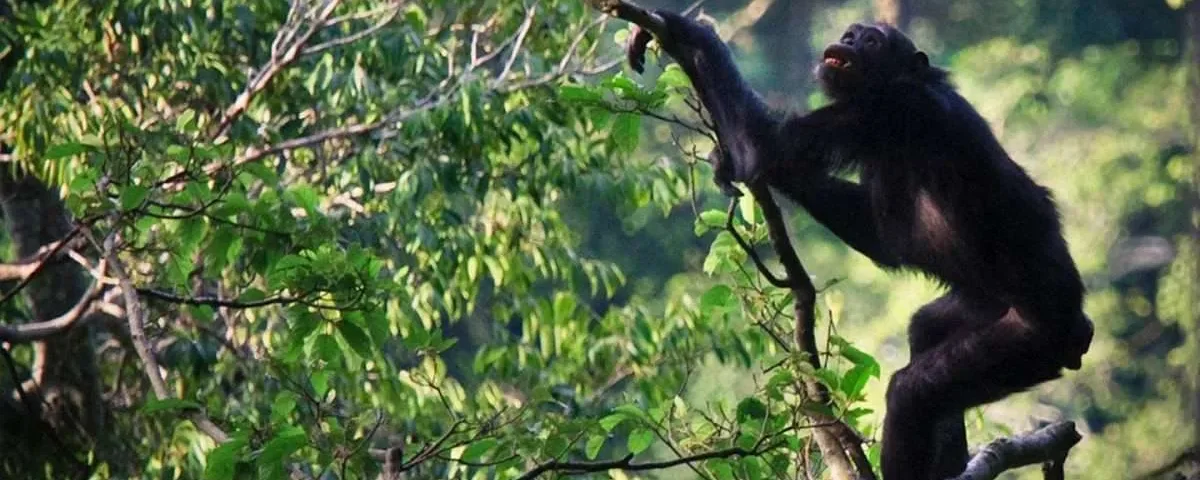
Tanzania Primate Safari Tours
Tanzania Primate Safari Tours offer travelers an exciting opportunity to experience Africa beyond traditional wildlife safaris. While Tanzania is famous for the Big Five, the Great Migration, and vast savannah landscapes, the country also protects remarkable tropical forests filled with fascinating primates. These tours allow travelers to explore remote ecosystems while observing chimpanzees, baboons, colobus monkeys, and other unique species in their natural habitats.
Primate safaris create deeper connections with nature because travelers experience wildlife in more personal and emotional ways. Watching chimpanzees communicate, groom each other, climb forest trees, and care for their families reveals behaviors that feel surprisingly familiar and human. These experiences often leave lasting impressions on travelers who seek meaningful wildlife encounters.
Tanzania’s western parks provide some of Africa’s most authentic primate trekking adventures. Dense forests, mountain slopes, freshwater lakes, and untouched wilderness create ideal conditions for primate conservation and eco tourism. Unlike crowded safari destinations, these remote regions offer peaceful exploration and intimate wildlife experiences.
Modern travelers increasingly seek educational and conservation focused adventures. Tanzania Primate Safari Tours answer this demand by combining wildlife discovery, forest trekking, cultural experiences, and environmental awareness into one unforgettable journey.
Travelers can also combine primate trekking with traditional safari adventures in Serengeti, Ngorongoro, Tarangire, and other famous wildlife parks. This combination creates diverse travel experiences filled with contrasting landscapes, wildlife encounters, and adventure activities throughout the safari.
For nature lovers, photographers, researchers, and adventure travelers, Tanzania Primate Safari Tours provide one of Africa’s most rewarding and immersive wildlife experiences.
Why Tanzania Primate Safari Tours Create Meaningful Wildlife Encounters
Primate safaris feel different from traditional game drives because travelers actively explore forests while searching for wildlife on foot. This creates a stronger sense of adventure, curiosity, and connection with nature throughout the journey.
Unlike open savannah safaris where wildlife often appears from safari vehicles, primate trekking requires patience, listening skills, and quiet observation. Travelers follow experienced guides through tropical forests while tracking sounds, footprints, broken branches, and feeding signs left behind by primates.
Chimpanzees especially create emotional wildlife encounters because of their intelligence and social behavior. Watching them communicate, play, and interact within family groups helps travelers appreciate the complexity of animal life inside forest ecosystems.
These experiences also feel more intimate because trekking groups usually remain small. Travelers spend focused time observing wildlife without the noise and movement often found in crowded safari environments.
Forest environments further increase the excitement. Dense vegetation, colorful birds, waterfalls, mountain trails, and tropical sounds create immersive safari atmospheres throughout the trek.
Primate safaris additionally help travelers understand conservation challenges affecting endangered species and fragile ecosystems. Guides explain habitat protection, wildlife research, community conservation, and sustainable tourism practices during trekking adventures.
Many travelers discover that primate encounters inspire stronger appreciation for wildlife conservation because the experience feels deeply personal and educational.
This combination of exploration, learning, emotional connection, and wilderness adventure makes Tanzania Primate Safari Tours truly unforgettable for wildlife enthusiasts visiting Africa.
Best Destinations for Tanzania Chimpanzee Trekking Adventures
Tanzania contains two outstanding destinations for chimpanzee trekking and primate exploration. Both locations offer authentic wildlife experiences inside remote and beautiful forest ecosystems.
Gombe Stream National Park remains Tanzania’s most famous chimpanzee trekking destination. Located along the shores of Lake Tanganyika, the park combines steep forest valleys, tropical vegetation, and remarkable chimpanzee populations within a compact wilderness area.
Travelers hike through forest trails with experienced guides who track chimpanzees using vocal calls, feeding areas, nests, and movement patterns. Encounters often involve observing chimpanzees resting, feeding, grooming, or climbing through trees.
Mahale Mountains National Park offers another exceptional primate safari experience. This remote park combines rainforest covered mountains with beautiful sandy beaches along Lake Tanganyika, creating one of Tanzania’s most scenic wilderness destinations.
Mahale feels more isolated and adventurous because travelers often reach the park by small aircraft and boat transportation. The journey itself becomes part of the safari experience.
Chimpanzees in Mahale frequently allow longer and closer observation opportunities, making the destination highly rewarding for photographers and wildlife enthusiasts.
Both parks also support other primates including red colobus monkeys, vervet monkeys, olive baboons, and blue monkeys. Tropical birds, butterflies, and forest wildlife further enrich trekking adventures throughout these regions.
These extraordinary destinations continue positioning Tanzania as one of Africa’s leading countries for primate tourism and forest conservation travel.
Combining Tanzania Wildlife Safaris with Primate Experiences
One major advantage of Tanzania Primate Safari Tours involves the ability to combine forest trekking adventures with traditional wildlife safaris across the country’s famous national parks.
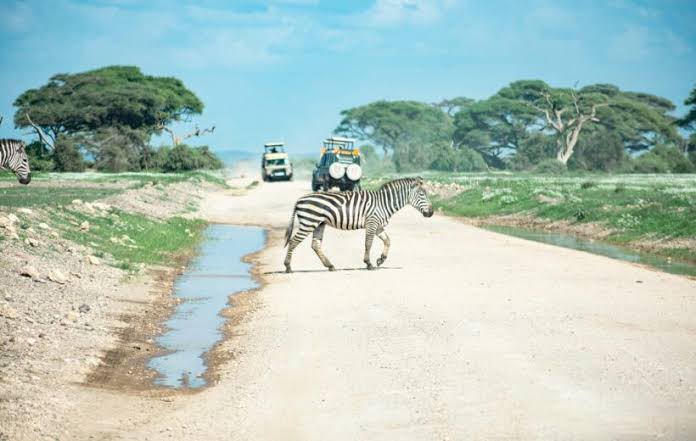
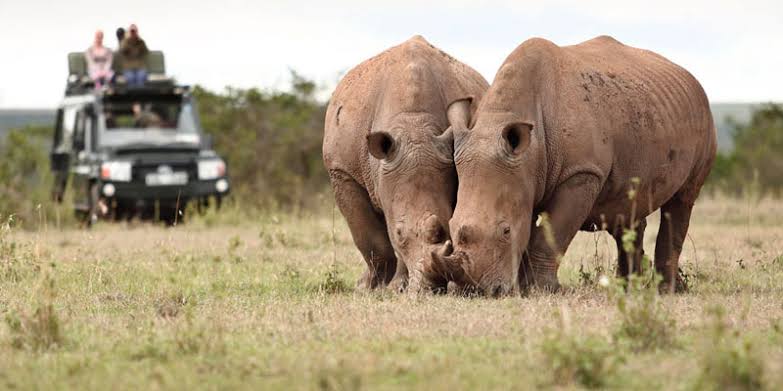
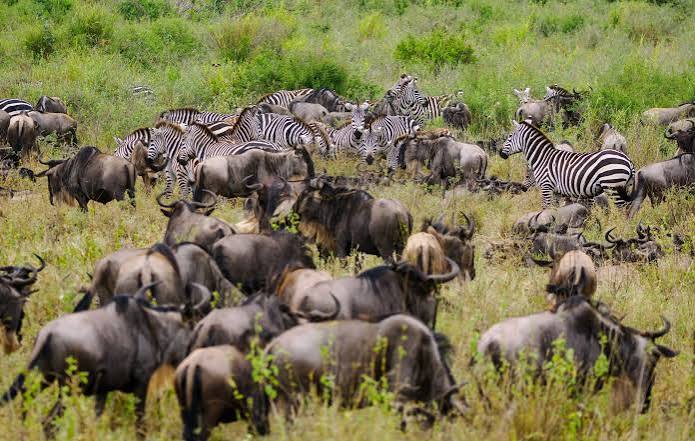
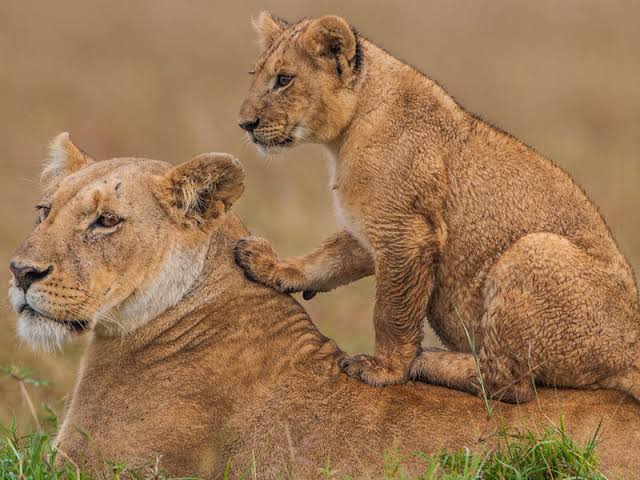
Travelers may begin their journey in northern Tanzania where Serengeti National Park, Ngorongoro Crater, Tarangire National Park, and Lake Manyara provide classic African safari experiences filled with lions, elephants, giraffes, zebras, and wildebeests.
After exploring the savannah, travelers continue westward toward Tanzania’s tropical forests for chimpanzee trekking adventures near Lake Tanganyika.
This transition between ecosystems creates exciting travel diversity throughout the safari. Open plains, volcanic landscapes, wetlands, forests, rivers, and mountain environments all appear within one itinerary.
Different wildlife encounters also make the journey more rewarding. Travelers experience predators hunting across grasslands before quietly tracking primates through dense tropical forests.
Safari activities further increase the adventure. Guests enjoy game drives, walking safaris, forest trekking, boat excursions, cultural visits, and birdwatching during the same journey.
Luxury safari camps, eco lodges, and remote tented camps help travelers remain comfortable while staying closely connected to nature.
Photography travelers especially appreciate this variety because they capture landscapes, wildlife, primates, and cultural experiences across multiple environments during the safari.
This combination of classic safaris and forest exploration creates richer and more memorable African adventures for travelers seeking diverse wildlife experiences.
Wildlife and Forest Ecosystems Found During Tanzania Primate Tours
Tanzania’s primate safari regions support rich biodiversity beyond chimpanzees alone. Tropical forests contain countless wildlife species that contribute to vibrant and healthy ecosystems throughout western Tanzania.
Birdwatchers enjoy excellent opportunities to observe colorful forest birds, hornbills, kingfishers, turacos, and migratory species during trekking adventures. Bird sounds constantly fill the forests, creating peaceful and immersive natural atmospheres.
Travelers also encounter several monkey species including olive baboons, blue monkeys, red colobus monkeys, and vervet monkeys living inside the forest canopy and lower vegetation layers.
Butterflies, reptiles, insects, and small mammals further increase biodiversity throughout Tanzania’s forest ecosystems. These smaller species play important ecological roles in pollination, seed distribution, and forest regeneration.
Lake Tanganyika adds another unique environmental feature to primate safari regions. Its crystal clear waters support aquatic life while creating breathtaking scenery beside forested mountains.
Plant life also contributes greatly to forest ecosystems. Giant trees, tropical vines, medicinal plants, moss covered rocks, and flowering vegetation create beautiful and diverse habitats for wildlife species.
Guides from Giant Holiday Safaris help travelers understand how forests support ecosystem balance, climate regulation, biodiversity conservation, and wildlife survival across Tanzania’s protected regions.
This environmental diversity makes Tanzania Primate Safari Tours educational and rewarding for travelers who appreciate both wildlife and ecological exploration.
Adventure and Physical Activity During Tanzania Primate Tours
Primate safaris involve more active exploration compared to standard vehicle safaris, making them highly appealing for adventure travelers who enjoy physical outdoor experiences.
Chimpanzee trekking requires hiking through forests, climbing uneven terrain, crossing streams, and navigating mountain trails depending on chimpanzee movement patterns and forest conditions.
Although trekking difficulty varies, guides carefully pace the experience to match group ability and comfort levels. Travelers usually spend several hours inside the forest while tracking chimpanzees and observing wildlife.
The physical aspect of trekking adds excitement and personal achievement to the safari. Reaching a chimpanzee family after hiking through tropical forest creates strong emotional satisfaction and memorable adventure moments.
Walking through untouched wilderness also increases awareness of natural surroundings. Travelers notice bird calls, fresh tracks, insects, plants, and forest sounds that often go unnoticed during vehicle safaris.
Many travelers appreciate the peaceful rhythm of trekking because it encourages observation, patience, and immersion within the environment.
Boat rides along Lake Tanganyika further enhance the adventure by introducing scenic travel experiences between forested mountains and remote park regions.
Adventure travelers often combine primate tours with hiking, cultural exploration, photography safaris, and traditional game drives to create highly active and rewarding safari holidays across Tanzania.
This balance between wildlife exploration and physical adventure continues attracting travelers seeking more engaging African safari experiences.
Conservation and Responsible Tourism in Tanzania’s Forest Parks
Conservation remains essential for protecting Tanzania’s primates and forest ecosystems. Tanzania Primate Safari Tours support important conservation efforts that help preserve wildlife habitats and biodiversity for future generations.
Chimpanzees face threats from habitat destruction, disease transmission, illegal hunting, and environmental changes. Responsible tourism helps generate funding for wildlife protection, research programs, and community conservation projects.
Protected parks such as Gombe Stream and Mahale Mountains play critical roles in preserving forest ecosystems and endangered primate populations across Tanzania.
Guides and park authorities enforce trekking regulations that protect both travelers and wildlife. Visitors maintain safe observation distances, avoid direct contact, and follow quiet behavior during chimpanzee encounters.
Small trekking groups also help reduce environmental pressure and minimize wildlife disturbance within sensitive forest habitats.
Local communities benefit from sustainable tourism through employment opportunities, conservation partnerships, cultural tourism, and infrastructure development linked to protected areas.
Educational experiences during primate safaris additionally increase global awareness about biodiversity protection and environmental sustainability.
Many travelers leave Tanzania with stronger appreciation for conservation because they personally witness the importance of protecting forests and endangered species.
These responsible tourism efforts ensure Tanzania’s primate destinations remain sustainable while preserving remarkable wildlife experiences for future visitors.
Experiencing Tanzania’s Wild Forests Through Primate Exploration
Tanzania Primate Safari Tours offer travelers a rare opportunity to experience Africa’s wilderness from completely different perspectives. Instead of focusing only on open savannahs and large mammals, these adventures introduce travelers to intimate forest ecosystems filled with intelligent primates and extraordinary biodiversity.
Chimpanzee trekking especially creates unforgettable emotional connections between travelers and wildlife. Observing primates in their natural habitats often changes how visitors understand nature, conservation, and animal behavior.
The diversity of experiences further strengthens the journey. Travelers explore savannahs, forests, lakeshores, mountain trails, and remote wilderness areas while encountering different wildlife species and ecosystems throughout the safari.
Adventure activities such as trekking, boat excursions, birdwatching, and cultural exploration keep every day exciting and meaningful.
Comfortable safari lodges, experienced guides, conservation education, and carefully planned itineraries further improve the quality of the travel experience.
For wildlife enthusiasts, photographers, conservation travelers, researchers, and adventure seekers, Tanzania Primate Safari Tours provide one of the most immersive and educational safari journeys available anywhere in Africa.
Combined Uganda, Kenya, Rwanda and Tanzania Safaris
17 days Kenya Tanzania and Uganda safari 19 Days Uganda Kenya and Tanzania Safari
16 Days Kenya Tanzania and Uganda Safari
14 Days Kenya Uganda and Tanzania Safari
14 Days Kenya Uganda and Rwanda Safari