Tanzania Primate Safari Tours
May 20, 2026
Tanzania Safari for Lion Tracking
May 20, 2026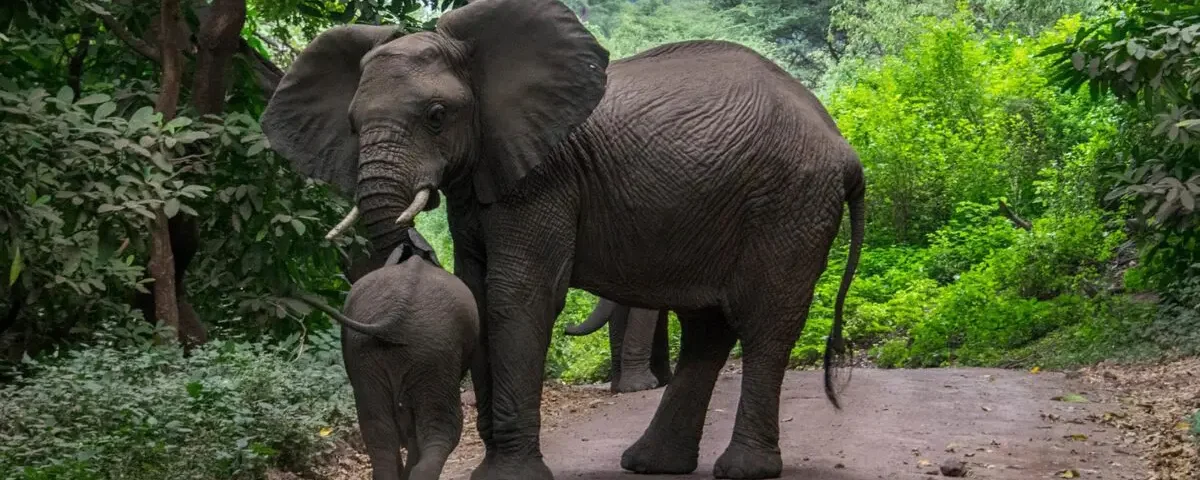
Tanzania Safari for Elephant Viewing
Tanzania Safari for Elephant Viewing offers travelers one of the most unforgettable wildlife experiences in Africa. Tanzania supports some of the continent’s largest elephant populations, making the country a dream destination for wildlife enthusiasts, photographers, conservation travelers, and safari lovers. Massive elephant herds move across Tanzania’s national parks, river valleys, forests, and open plains, creating breathtaking safari moments throughout the year.
Elephants stand among Africa’s most admired animals because of their intelligence, social behavior, strength, and emotional connections within family groups. Watching elephants protect calves, communicate through body language, gather around waterholes, or walk peacefully across the savannah creates powerful and emotional safari memories.
Tanzania’s protected wildlife areas provide ideal habitats for elephants because of abundant vegetation, water sources, migration corridors, and strong conservation efforts. Travelers can encounter elephants during game drives, walking safaris, boat safaris, and photography adventures across different safari regions.
Modern travelers increasingly seek authentic wildlife encounters that feel educational, immersive, and meaningful. Tanzania Safari for Elephant Viewing delivers these experiences by combining wildlife exploration, conservation learning, scenic landscapes, and exciting safari activities into one extraordinary journey.
Different safari destinations also provide unique elephant viewing opportunities. Some parks feature giant herds moving through open grasslands, while others offer close encounters near rivers, wetlands, forests, and baobab filled landscapes.
For travelers seeking remarkable wildlife experiences and deeper connections with Africa’s wilderness, Tanzania Safari for Elephant Viewing remains one of the most rewarding safari adventures available anywhere on the continent.
Why Tanzania Safari for Elephant Viewing Attracts Wildlife Travelers
Elephants create some of the most emotional and memorable wildlife encounters during African safaris. Their size, intelligence, and family behavior fascinate travelers from around the world, making elephant focused safaris increasingly popular in Tanzania.
Tanzania stands out because elephants still move naturally across large protected ecosystems without heavy human interference. This allows travelers to observe authentic wildlife behavior inside truly wild environments.
Many safari enthusiasts appreciate watching elephant family structures during game drives. Older females guide family groups, young calves stay protected within the herd, and bulls often travel independently or in smaller male groups.
Elephants also display surprisingly emotional behavior. Travelers frequently witness elephants showing affection, cooperation, playfulness, and protective instincts toward younger herd members.
The sheer scale of Tanzania’s elephant populations further enhances safari experiences. Some parks contain hundreds of elephants gathering near rivers, wetlands, or migration routes during dry seasons.
Photography travelers especially enjoy elephant safaris because these animals create dramatic images against Tanzania’s landscapes. Sunrise game drives, dusty migration scenes, and close encounters near waterholes provide excellent photography opportunities.
Tanzania additionally offers quieter and less crowded safari experiences compared to some other African destinations. This allows travelers to enjoy elephant viewing more peacefully and naturally.
Professional safari guides from Giant Holiday Safaris further enrich the experience by explaining elephant communication, behavior, migration patterns, feeding habits, and conservation challenges during safari activities.
These combined experiences make Tanzania one of Africa’s finest destinations for unforgettable elephant viewing safaris.
Best National Parks for Elephant Viewing in Tanzania
Tanzania contains several outstanding safari destinations where travelers enjoy incredible elephant viewing opportunities throughout the year. Each national park provides different landscapes and wildlife experiences.
Tarangire National Park remains Tanzania’s most famous elephant destination. The park supports massive elephant herds that gather near the Tarangire River during dry seasons. Travelers often witness large family groups walking beneath giant baobab trees or digging for water along riverbanks.
Ruaha National Park also offers exceptional elephant viewing experiences. This remote wilderness supports large elephant populations within rugged landscapes filled with rivers, rocky hills, and open savannahs.
Nyerere National Park provides another excellent location for elephant safaris. The park’s wetlands, forests, and river systems attract elephants throughout the year while creating beautiful safari scenery.
Serengeti National Park may be best known for the Great Migration, but elephants also thrive throughout its vast ecosystems. Travelers often encounter elephant families moving across open plains beside giraffes, zebras, and antelope.
Ngorongoro Crater introduces travelers to unique elephant encounters inside one of Africa’s most spectacular volcanic landscapes. Mature bull elephants especially appear frequently within the crater forests and grasslands.
Katavi National Park offers remote and less crowded elephant experiences inside western Tanzania’s untouched wilderness regions.
These safari destinations allow travelers to observe elephants within different ecosystems while enjoying varied safari adventures across Tanzania’s remarkable protected areas.
Understanding Elephant Behavior During Tanzania Safaris
One major advantage of Tanzania Safari for Elephant Viewing involves the opportunity to observe and understand elephant behavior closely in natural environments.
Elephants live within highly organized social structures led by experienced female matriarchs. These leaders guide family groups toward food, water, and safe movement routes across large landscapes.
Travelers often observe elephants communicating through body movements, sounds, touching, and low frequency vibrations. Their communication systems help maintain family unity and warn herds about potential danger.
Young elephant calves create especially heartwarming safari moments. Calves stay surrounded and protected by older females while learning survival skills through play and observation.
Adult bulls behave differently from family groups. Mature males sometimes travel alone or form smaller bachelor groups. During mating seasons, bulls become more dominant and competitive while seeking females.
Safari guides help travelers recognize elephant emotions and behavior signals during wildlife encounters. Ear movements, trunk positioning, body posture, and vocal sounds all reveal different moods and communication patterns.
Elephants also play important ecological roles inside Tanzania’s ecosystems. They shape vegetation, create pathways, spread seeds, and influence habitats used by other wildlife species.
Watching elephants feed, bathe, interact socially, or move silently across the savannah helps travelers appreciate the intelligence and complexity of these magnificent animals.
This deeper understanding transforms ordinary wildlife sightings into meaningful educational safari experiences throughout Tanzania’s wilderness regions.
Tanzania Elephant Safaris and Wildlife Photography Experiences
Tanzania Safari for Elephant Viewing creates outstanding opportunities for wildlife photography across some of Africa’s most scenic safari landscapes. Elephants provide powerful photography subjects because of their size, movement, textures, and emotional behavior.
Photographers especially enjoy capturing elephant herds during sunrise and sunset hours when golden light covers the savannah. Dusty conditions during dry seasons also create dramatic wildlife photography scenes.
Tarangire National Park remains particularly popular for elephant photography because giant baobab trees create iconic African backdrops beside large elephant herds.
Close wildlife encounters near rivers and waterholes allow photographers to capture elephants drinking, bathing, spraying water, and interacting naturally within family groups.
Calves playing beside adult elephants create emotional photography moments that travelers often remember for years after the safari.
Photography safaris also benefit from Tanzania’s wide variety of landscapes. Forests, grasslands, rocky hills, wetlands, and open plains create constantly changing backgrounds for elephant photography adventures.
Professional safari guides help position vehicles carefully for better lighting, viewing angles, and photography opportunities while maintaining respectful distances from wildlife.
Luxury safari camps and private game drives further improve photography experiences because travelers enjoy more flexibility and extended wildlife observation time during game drives.
Whether using professional cameras or mobile devices, travelers find Tanzania one of the best destinations in Africa for memorable elephant wildlife photography.
Conservation Efforts Protecting Tanzania’s Elephant Population
Elephant conservation plays an essential role in Tanzania’s wildlife tourism industry. Protecting elephants requires strong conservation efforts involving governments, local communities, conservation organizations, and responsible tourism operators.
Elephants face challenges including habitat loss, human wildlife conflict, poaching, and environmental changes. Tanzania continues strengthening wildlife protection strategies to safeguard elephant populations across protected areas.
National parks and wildlife reserves provide safe habitats where elephants move freely across large ecosystems. Anti poaching patrols, wildlife monitoring programs, and conservation research help reduce threats facing elephant populations.
Responsible safari tourism also contributes directly to conservation funding. Park fees and tourism revenue support wildlife protection, ranger operations, community development, and ecosystem management.
Many local communities benefit economically from safari tourism, creating stronger incentives for wildlife conservation and habitat protection near protected areas.
Travelers visiting Tanzania elephant safaris often gain greater understanding of conservation challenges and environmental sustainability through educational safari experiences.
Professional guides explain migration corridors, ecosystem balance, elephant population recovery, and conservation partnerships during safari activities.
Photography travelers and wildlife enthusiasts frequently become stronger conservation supporters after personally experiencing Tanzania’s elephant populations inside natural wilderness environments.
These conservation efforts help ensure future generations continue enjoying Tanzania’s extraordinary elephant viewing opportunities across Africa’s wild landscapes.
Adventure Activities Beyond Traditional Elephant Game Drives
Tanzania Safari for Elephant Viewing includes many exciting safari activities beyond ordinary vehicle game drives. These experiences help travelers explore wildlife and landscapes from different perspectives.
Walking safaris create thrilling opportunities to observe elephant tracks, feeding signs, and natural habitats closely with experienced armed guides. Travelers also learn about smaller wildlife, plants, insects, and ecosystem details during these adventures.
Boat safaris in Nyerere National Park provide unique elephant viewing experiences along rivers and wetlands. Travelers observe elephants drinking, crossing waterways, or feeding near riverbanks while cruising quietly through aquatic habitats.
Hot air balloon safaris above Serengeti and Tarangire create breathtaking aerial perspectives of elephant herds moving across the wilderness during sunrise hours.
Luxury mobile camping safaris allow travelers to follow wildlife movement patterns while enjoying remote safari experiences close to nature.
Cultural visits additionally enrich safari adventures by introducing travelers to local communities living near wildlife conservation areas.
Birdwatching opportunities also remain excellent throughout elephant safari destinations because wetlands, forests, and river systems support rich birdlife populations.
These varied activities create balanced safari itineraries that combine adventure, education, relaxation, wildlife viewing, and cultural exploration throughout Tanzania.
Experiencing Tanzania’s Wilderness Through Safari for Elephant Viewing
Tanzania Safari for Elephant Viewing offers travelers an unforgettable opportunity to connect deeply with Africa’s wildlife and wilderness. Elephants create powerful safari memories because of their intelligence, family bonds, gentle behavior, and emotional presence inside natural ecosystems.
Watching elephant herds move silently across the savannah, gather near rivers, or protect young calves creates moments that stay with travelers long after the safari ends.
Tanzania’s diverse safari destinations further strengthen the experience by combining dramatic landscapes, rich biodiversity, and authentic wildlife encounters across different ecosystems.
Travelers also gain valuable understanding of conservation, environmental protection, wildlife behavior, and sustainable tourism during elephant safaris.
Luxury lodges, mobile camps, professional guides, photography opportunities, and adventure activities help create rewarding travel experiences suitable for families, photographers, wildlife enthusiasts, and adventure seekers.
Every safari day brings different wildlife encounters, changing landscapes, and new discoveries that make Tanzania safaris exciting and unpredictable.
For travelers seeking authentic African adventures filled with remarkable wildlife moments, Tanzania Safari for Elephant Viewing stands among the most rewarding safari experiences available anywhere in Africa.
Combined Uganda, Kenya, Rwanda and Tanzania Safaris
17 days Kenya Tanzania and Uganda safari 19 Days Uganda Kenya and Tanzania Safari
16 Days Kenya Tanzania and Uganda Safari
14 Days Kenya Uganda and Tanzania Safari
14 Days Kenya Uganda and Rwanda Safari