What are the best safari tours with conservation experiences in Kenya?
May 22, 2026
What are the best safari parks for family adventures in Kenya?
May 22, 2026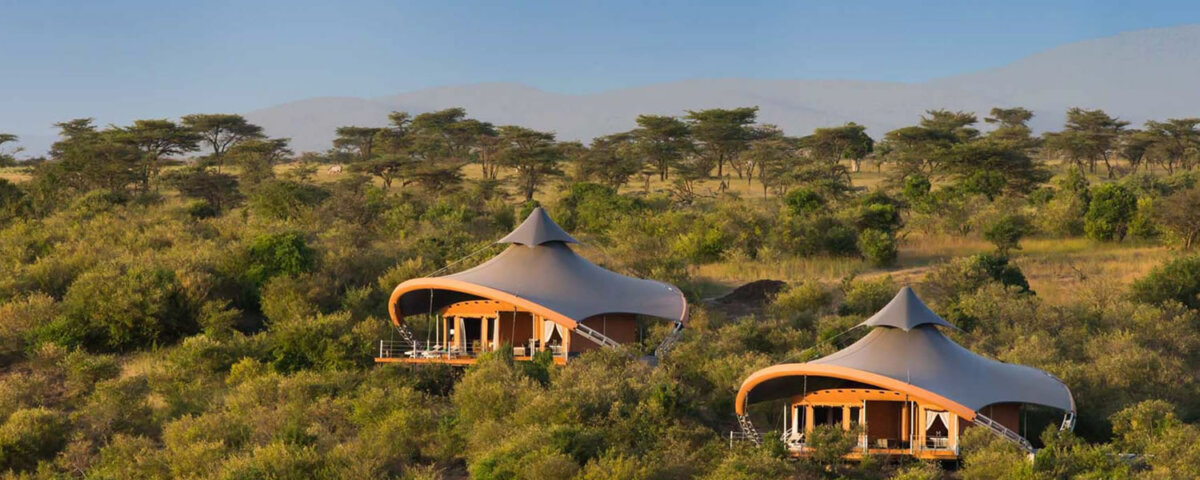
What are the best Kenyan safari destinations for ecotourism?
What are the best Kenya safari destinations for ecotourism? This is an important question for travelers who want to explore Africa in a responsible and meaningful way. Kenya stands out as a leading ecotourism destination because it protects wildlife while also supporting local communities through sustainable travel practices. Many visitors today prefer eco-friendly safaris that reduce environmental impact and contribute directly to conservation.
In addition, ecotourism safari destinations in Kenya combine wildlife viewing, cultural experiences, and conservation education. These destinations include national parks, private conservancies, and community managed lands where tourism plays a key role in protecting nature. As a result, travelers enjoy authentic safari experiences while helping preserve ecosystems for future generations.
Moreover, Kenya has developed strong conservation models that connect tourism with environmental protection. Eco lodges use renewable energy, reduce waste, and support local employment. This creates a travel experience that feels both comfortable and responsible.
Understanding what the best Kenya safari destinations for ecotourism are helps travelers choose locations that match their values while still offering unforgettable wildlife encounters.
Maasai Mara conservancies for ecotourism safaris
The Maasai Mara ecosystem is one of the most important ecotourism destinations in Kenya. While the main reserve attracts large numbers of visitors, the surrounding private conservancies offer more sustainable and low impact safari experiences.
These conservancies include Naboisho, Mara North, and Olare Motorogi. They limit the number of tourists and vehicles allowed inside the area. As a result, wildlife experiences remain natural and less disturbed.
Eco tourism in the Maasai Mara focuses on balancing wildlife protection with community benefits. Tourism revenue supports Maasai families through land leasing, education, and healthcare programs. This creates a strong connection between conservation and local development.
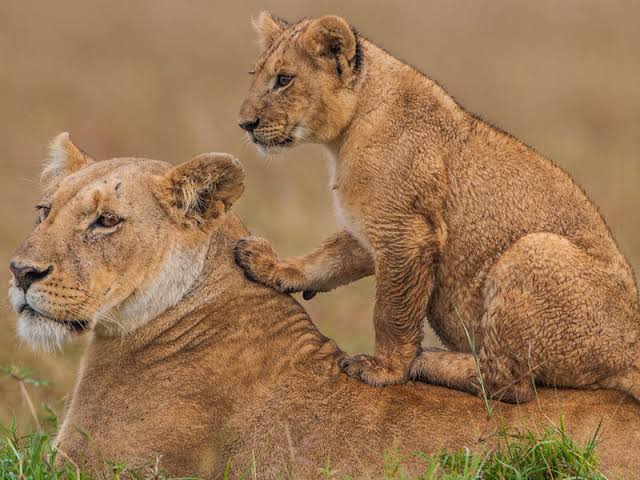
In addition, conservancies protect important wildlife species such as lions, cheetahs, elephants, and giraffes. Careful land management helps maintain healthy ecosystems and migration routes.
Visitors also enjoy guided game drives that focus on responsible wildlife viewing. Guides educate travelers about animal behavior and conservation efforts.
Therefore, the Maasai Mara conservancies remain one of the top answers to what are the best Kenya safari destinations for eco tourism.
Laikipia ecotourism safari destinations
Laikipia is one of Kenya’s most successful eco tourism regions due to its strong conservation models and community involvement. The area includes private conservancies, ranches, and community lands that work together to protect wildlife.
Eco tourism safari destinations in Laikipia focus on low density travel. This means fewer visitors, less disturbance, and better wildlife experiences. As a result, travelers enjoy quiet and immersive safaris.
The region supports diverse wildlife, including elephants, wild dogs, rhinos, and giraffes. Conservation programs help protect endangered species and maintain healthy ecosystems.
In addition, Laikipia offers unique eco-friendly safari activities such as walking safaris, horseback riding, and camel treks. These low impact experiences reduce environmental disturbance while increasing visitor connection to nature.
Community involvement plays a major role in Laikipia’s eco tourism success. Local people benefit from tourism through employment, education, and infrastructure development.
Therefore, Laikipia stands out as one of the most innovative eco tourism safari destinations in Kenya.
Samburu eco tourism safari experiences
Samburu National Reserve offers eco tourism safari experiences in a remote and culturally rich environment. Located in northern Kenya, it features dry landscapes, river valleys, and unique wildlife species.
Ecotourism in Samburu focuses on protecting rare animals known as the Samburu Special Five. These include Grevy’s zebra, reticulated giraffe, Beisa oryx, Somali ostrich, and gerenuk. Conservation efforts help protect these species from environmental pressure.
The Ewaso Ng’iro River supports wildlife survival throughout the year. Ecotourism safari activities often follow this river to observe animal behavior in natural settings.
In addition, community conservancies around Samburu involve local people in tourism and wildlife protection. This reduces human wildlife conflict and supports sustainable land use.
Visitors also experience cultural interactions with the Samburu people. These experiences remain respectful and educational, offering insight into traditional lifestyles.
Therefore, Samburu remains an important destination when exploring what the best Kenya safari destinations for ecotourism are.
Amboseli eco tourism and elephant conservation
Amboseli National Park is a leading eco tourism destination in Kenya, especially known for elephant conservation and scenic landscapes. Located at the base of Mount Kilimanjaro, it offers a powerful combination of wildlife and natural beauty.
Ecotourism in Amboseli focuses on protecting large elephant herds and their habitats. Long-term research programs help understand elephant behavior and improve conservation strategies.
In addition, community involvement plays a key role. Maasai communities around the park support wildlife corridors and help reduce human wildlife conflict.
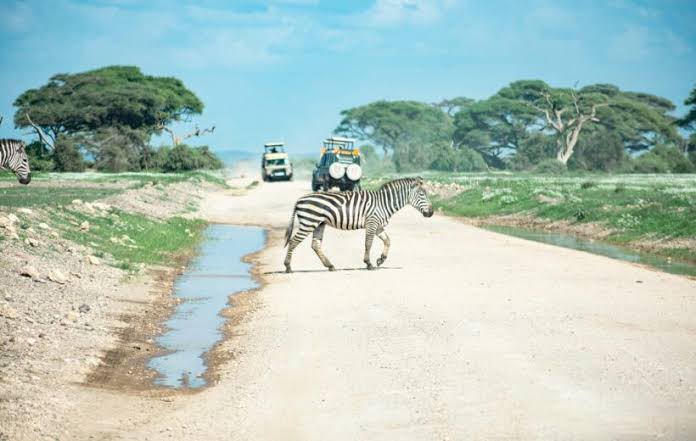
Visitors enjoy open landscapes that make wildlife viewing easy and sustainable. Animals such as elephants, buffalo, zebras, and giraffes move freely across the plains.
Eco lodges in Amboseli use sustainable practices such as solar energy and water conservation. This reduces environmental impact while maintaining comfort for travelers.
Therefore, Amboseli offers a strong eco tourism model that combines wildlife protection with responsible travel.
Tsavo eco tourism safari landscapes
Tsavo East and Tsavo West provide some of the largest eco tourism safari destinations in Kenya. These parks cover vast wilderness areas that support diverse wildlife and ecosystems.
Ecotourism in Tsavo focuses on protecting large habitats and reducing human impact. The size of the parks helps maintain natural wildlife behavior and reduces overcrowding.
Visitors often see elephants, lions, giraffes, and other species moving across open landscapes. The red soil of Tsavo also creates unique photography opportunities.
In addition, conservation programs in Tsavo support anti-poaching efforts and habitat restoration. The Sheldrick Wildlife Trust plays an important role in elephant rescue and rehabilitation.
Eco lodges in the region promote sustainability through renewable energy and community partnerships. This ensures tourism benefits both wildlife and people.
Therefore, Tsavo remains one of the most important eco tourism destinations in Kenya.
Ol Pejeta Eco‑Tourism and Conservation Learning
Ol Pejeta Conservancy stands out as one of Kenya’s strongest eco‑tourism destinations thanks to its focus on conservation education and endangered species protection. Located near Mount Kenya, it offers travelers meaningful safari experiences that combine wildlife viewing with sustainability. Giant Holiday Safaris highlights Ol Pejeta for guests who want both adventure and learning.
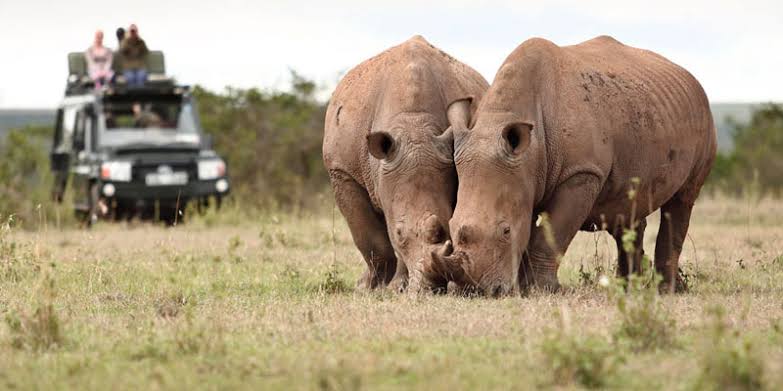
Eco‑tourism activities here include rhino conservation programs, wildlife monitoring, and visits to the Sweetwaters Chimpanzee Sanctuary. These experiences provide travelers with deep insights into conservation work while allowing close encounters with wildlife. The conservancy protects both black and white rhinos under strict systems and is globally significant for safeguarding the last northern white rhinos.
Ol Pejeta also supports surrounding communities through education, healthcare, and clean water projects, strengthening the link between tourism and development. Wildlife such as elephants, lions, and giraffes thrive here due to strong protection measures, ensuring authentic encounters in a safe environment.
Therefore, Ol Pejeta offers one of Kenya’s most educational eco‑tourism safari experiences. With Giant Holiday Safaris, travelers enjoy luxury, conservation learning, and community impact all in one destination.
Conclusion on Eco‑Tourism Safari Destinations in Kenya
The best eco‑tourism safari destinations in Kenya depend on the type of experience travelers seek. Kenya offers diverse options that combine wildlife protection, community involvement, and sustainable travel. Giant Holiday Safaris curates eco‑friendly itineraries that highlight these destinations while ensuring travelers contribute positively to conservation.
From Maasai Mara conservancies to Laikipia, Samburu, Amboseli, Tsavo, and Ol Pejeta, each region supports responsible tourism and conservation efforts. Guests enjoy authentic wildlife encounters while knowing their journey helps protect ecosystems and empower local communities.
Ultimately, Kenya stands out as one of Africa’s leading eco-tourism destinations. Choosing eco‑tourism safari packages ensures travelers enjoy unforgettable wildlife experiences while safeguarding nature and supporting communities for future generations. With Giant Holiday Safaris, every safari becomes a meaningful adventure rooted in sustainability.
Combined Uganda, Kenya, Rwanda, and Tanzania Safaris
17 days Kenya Tanzania and Uganda safari 19 Days Uganda Kenya and Tanzania Safari
16 Days Kenya Tanzania and Uganda Safari
14 Days Kenya Uganda and Tanzania Safari
14 Days Kenya Uganda and Rwanda Safari