Tanzania Safari and Archaeological Tours
May 23, 2026
Tanzania Safari with Local Community Visits
May 23, 2026
Tanzania Safari and Heritage Tourism
Tanzania Safari and Heritage Tourism create a powerful combination of wildlife adventure, cultural discovery, historical exploration, and authentic African experiences. While many travelers visit Tanzania for famous wildlife destinations like the Serengeti and Ngorongoro Crater, the country also offers rich heritage attractions that reveal centuries of history, traditions, art, architecture, and community life.
This unique travel experience allows visitors to connect not only with nature but also with the people and cultures that shape Tanzania’s identity. Travelers explore ancient trade routes, traditional villages, archaeological sites, cultural festivals, historical towns, and UNESCO World Heritage Sites while enjoying unforgettable safari adventures across Tanzania’s landscapes.
Unlike ordinary holidays that focus on only one activity, Tanzania Safari and Heritage Tourism create balanced journeys filled with education, adventure, relaxation, and meaningful human connection. Visitors discover how wildlife conservation, traditional lifestyles, and historical heritage continue to influence modern Tanzania.
The country’s cultural diversity also makes every region different. More than 120 ethnic groups contribute unique customs, languages, dances, music, food, crafts, and storytelling traditions that enrich the tourism experience.
Travelers appreciate these experiences because they create deeper understanding and stronger emotional connections with Tanzania beyond wildlife photography and game drives.
Professional safari guides and cultural experts help visitors explore both natural ecosystems and historical heritage responsibly while supporting local communities and conservation efforts.
Giant Holiday Safaris carefully designs Tanzania Safari and Heritage Tourism experiences that combine wildlife encounters, cultural learning, historical discovery, and authentic African hospitality for travelers seeking richer and more meaningful safari journeys.
Why Tanzania Safari and Heritage Tourism Create Meaningful Travel Experiences
Tanzania Safari and Heritage Tourism create meaningful travel experiences because travelers gain opportunities to understand both the natural and human history of East Africa.
Wildlife safaris alone provide exciting encounters with animals and landscapes. However, adding heritage tourism introduces cultural depth, historical understanding, and authentic local interaction that transform the journey into something more memorable.
Travelers explore traditional communities where ancient customs, crafts, music, and lifestyles continue across generations. These interactions create opportunities for cultural learning and respectful exchange between visitors and local people.
Historical sites also help travelers understand Tanzania’s role in African trade, migration, colonial history, and archaeological discovery.
Destinations like Stone Town in Zanzibar and Olduvai Gorge reveal important chapters of African and world history while enriching the safari experience with educational value.
Cultural tourism additionally supports local communities directly because tourism revenue helps create jobs, preserve traditions, and support community development projects.
Travelers often appreciate these experiences because they feel more personal and authentic compared to standard sightseeing holidays.
Photography opportunities also become more diverse because visitors capture traditional ceremonies, colorful markets, historical architecture, handmade crafts, and cultural performances alongside wildlife adventures.
These experiences create balanced safari holidays that combine nature, culture, history, and human connection across Tanzania’s remarkable destinations.
Exploring Cultural Heritage During Tanzania Safari and Heritage Tourism
Cultural heritage remains one of the strongest highlights of Tanzania Safari and Heritage Tourism because the country protects diverse traditions and cultural identities across its regions.
Travelers visiting local villages experience traditional dances, storytelling sessions, craft making, cooking demonstrations, and community interaction guided by local cultural experts.
The Maasai communities especially attract visitors interested in traditional East African pastoral culture. Travelers learn about Maasai clothing, cattle keeping, ceremonies, housing structures, and community traditions that continue today.
The Hadzabe people near Lake Eyasi also provide unique cultural experiences because they preserve traditional hunter gatherer lifestyles connected closely to nature and survival skills.
Visitors observe hunting techniques, traditional fire making, food gathering practices, and indigenous knowledge passed through generations.
Cultural tourism experiences additionally include local markets where artisans sell handmade jewelry, textiles, wood carvings, baskets, and artwork representing Tanzanian identity.
Food tourism further enriches cultural exploration because travelers taste traditional Tanzanian dishes prepared using regional ingredients and cooking methods.
Professional cultural guides ensure these interactions remain respectful, educational, and beneficial for local communities participating in tourism activities.
These authentic cultural encounters help travelers appreciate Tanzania’s human heritage while supporting preservation of traditional lifestyles and indigenous knowledge systems.
Historical Sites in Tanzania Safari and Heritage Tourism
Historical exploration adds tremendous value to Tanzania Safari and Heritage Tourism because the country preserves remarkable archaeological sites, colonial architecture, and ancient trade history.
Stone Town in Zanzibar stands among Tanzania’s most famous heritage destinations because its narrow streets, carved doors, mosques, markets, and historic buildings reflect centuries of Swahili, Arab, Persian, Indian, and European influence.
Travelers walking through Stone Town experience rich cultural fusion shaped by Indian Ocean trade routes that connected East Africa with Asia and the Middle East for centuries.
Olduvai Gorge near the Ngorongoro Conservation Area remains another globally important heritage site because archaeologists discovered some of the earliest evidence of human evolution there.
Visitors learn about ancient human ancestors, fossil discoveries, and Tanzania’s importance in understanding human history.
Bagamoyo also holds historical significance because it served as an important trading port and cultural center during East Africa’s coastal trade era.
Historical churches, mosques, colonial buildings, and museums throughout Tanzania further reveal the country’s complex past and multicultural heritage.
Travelers often appreciate these heritage experiences because they provide educational insight while complementing wildlife exploration across Tanzania’s safari circuits.
Professional guides help visitors understand historical context, architectural significance, and cultural evolution connected to these important sites.
These destinations strengthen Tanzania Safari and Heritage Tourism by combining wildlife adventure with historical learning and cultural appreciation.
Wildlife Experiences During Tanzania Safari and Heritage Tourism
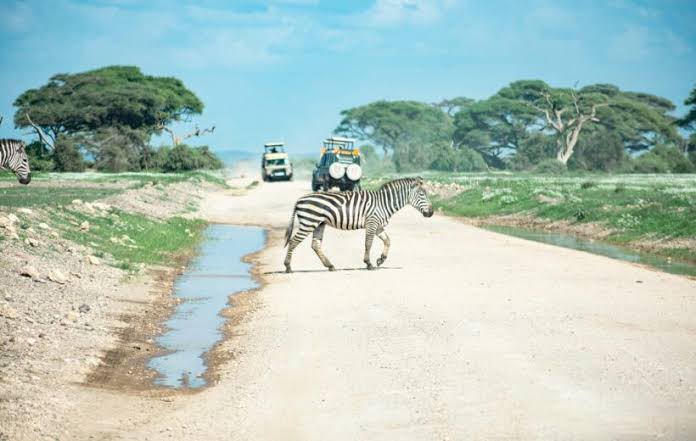
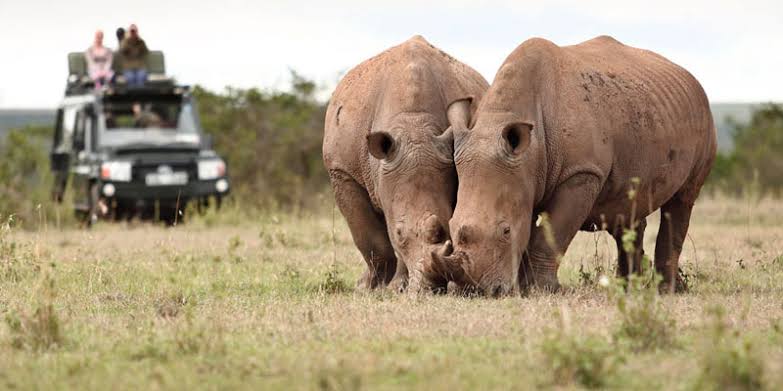
Wildlife exploration remains central to Tanzania Safari and Heritage Tourism because the country protects some of Africa’s most famous national parks and conservation areas.
Travelers enjoy classic safari experiences while also connecting these landscapes to local communities, cultural traditions, and conservation history.
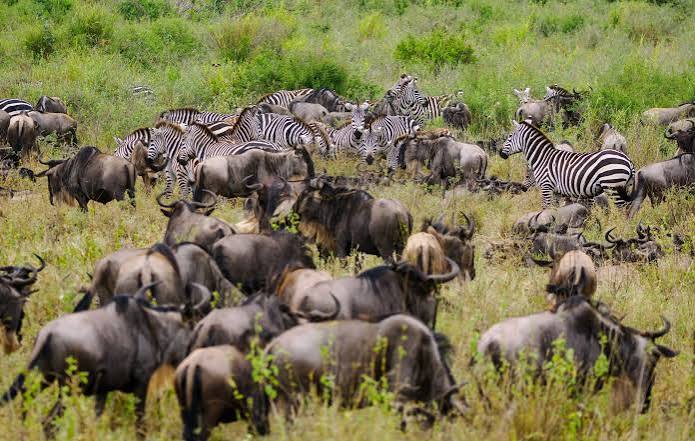
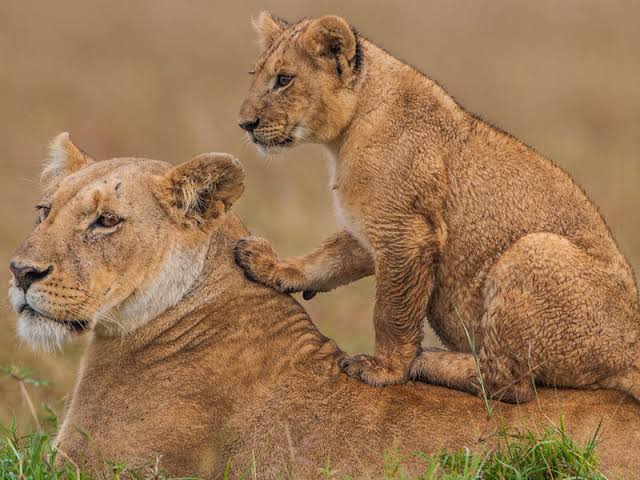
The Serengeti National Park offers extraordinary wildlife viewing opportunities filled with lions, elephants, leopards, cheetahs, buffaloes, giraffes, and the Great Migration.
Ngorongoro Crater additionally creates spectacular safari experiences because travelers observe diverse wildlife populations inside one of Africa’s most beautiful natural landscapes.
Tarangire National Park attracts visitors through large elephant herds, ancient baobab trees, and seasonal wildlife concentrations near river systems.
Lake Manyara National Park introduces travelers to birdlife, tree climbing lions, forest ecosystems, and scenic landscapes near local communities.
Southern Tanzania destinations like Nyerere National Park and Ruaha National Park provide quieter safari experiences with fewer crowds and greater wilderness immersion.
Professional safari guides explain how local cultures, conservation efforts, and tourism contribute to protecting Tanzania’s wildlife heritage for future generations.
Travelers often appreciate the deeper understanding created when wildlife experiences connect naturally with cultural and environmental education throughout the safari journey.
Community Tourism and Sustainable Travel Experiences
Community tourism plays a major role in Tanzania Safari and Heritage Tourism because it allows local communities to benefit directly from tourism activities while preserving cultural heritage and natural resources.
Responsible tourism operators work closely with communities to create experiences that generate employment, support education, and encourage cultural preservation.
Visitors participating in community tourism activities contribute to local economies through accommodation, guiding services, handicraft purchases, transportation, and cultural experiences.
These opportunities help reduce poverty while encouraging communities to protect wildlife habitats and heritage sites connected to tourism.
Sustainable tourism practices additionally protect fragile ecosystems, archaeological locations, and indigenous traditions from environmental damage and cultural exploitation.
Eco lodges, conservation programs, and community based tourism projects continue growing across Tanzania because travelers increasingly seek ethical and responsible safari experiences.
Professional guides educate visitors about conservation challenges, cultural sensitivity, and responsible travel behavior during community interactions and heritage exploration.
Travelers also gain more rewarding experiences because authentic local connections create stronger emotional memories compared to commercialized tourism environments.
These sustainable approaches strengthen Tanzania’s tourism industry while protecting the country’s wildlife, culture, and historical identity for future generations.
Culinary Experiences in Tanzania Safari and Heritage Tourism
Food tourism adds another exciting layer to Tanzania Safari and Heritage Tourism because traditional cuisine reflects the country’s cultural diversity and regional identity.
Travelers enjoy opportunities to taste local dishes prepared using fresh ingredients, traditional cooking methods, and cultural recipes influenced by African, Arab, Indian, and coastal Swahili traditions.
Popular Tanzanian foods include grilled meat, fresh fish, rice dishes, plantains, cassava, coconut stews, local vegetables, and tropical fruits.
Zanzibar especially attracts culinary travelers because the island’s spice farms and Swahili cuisine create unforgettable food experiences filled with cloves, cinnamon, nutmeg, cardamom, and coconut flavors.
Village visits often include traditional cooking demonstrations where travelers learn how local families prepare meals using regional ingredients and cultural techniques.
Food markets additionally provide lively environments where visitors observe local trade, ingredients, and community interaction throughout Tanzania’s towns and villages.
These culinary experiences help travelers understand cultural identity through food traditions while adding sensory richness to safari holidays.
Professional guides and local hosts ensure visitors experience authentic cuisine safely and respectfully during cultural exploration activities.
Food tourism therefore strengthens Tanzania Safari and Heritage Tourism by combining culture, history, community interaction, and hospitality into memorable travel experiences.
Why Cultural Safaris Create Deeper African Travel Memories
Tanzania Safari and Heritage Tourism offer travelers a complete African experience that combines wildlife adventure, cultural discovery, historical learning, and authentic human connection. This unique combination transforms ordinary safari holidays into meaningful journeys filled with education, exploration, and emotional connection.
Travelers explore famous national parks while also discovering traditional villages, historical landmarks, local cuisine, ancient trade routes, and cultural festivals that reveal Tanzania’s rich identity.
The diversity of experiences allows visitors to connect with both nature and people while gaining deeper understanding of Tanzania’s heritage and conservation efforts.
Wildlife encounters remain extraordinary, but cultural interaction and historical exploration create stronger memories and broader perspectives throughout the journey.
Photography enthusiasts, cultural travelers, families, students, and adventure seekers all appreciate the balanced experiences available through Tanzania Safari and Heritage Tourism.
Giant Holiday Safaris continues helping travelers explore Tanzania through carefully planned safari and heritage experiences focused on sustainability, cultural respect, conservation awareness, and authentic African hospitality.
For travelers seeking more than wildlife viewing alone, Tanzania Safari and Heritage Tourism provide one of Africa’s most rewarding, educational, and unforgettable travel experiences.
Combined Uganda, Kenya, Rwanda and Tanzania Safaris
17 days Kenya Tanzania and Uganda safari
19 Days Uganda Kenya and Tanzania Safari
16 Days Kenya Tanzania and Uganda Safari
14 Days Kenya Uganda and Tanzania Safari
14 Days Kenya Uganda and Rwanda Safari