Tanzania Safari and Heritage Tourism
May 23, 2026
What is the best time to visit Amboseli?
May 23, 2026
Tanzania Safari with Local Community Visits
Tanzania Safari with Local Community Visits offers travelers a deeper and more meaningful way to experience Africa beyond wildlife viewing alone. While Tanzania remains famous for its breathtaking national parks, diverse wildlife, and stunning landscapes, the country also provides rich cultural experiences through its welcoming local communities, traditional villages, and authentic daily lifestyles.
This type of safari allows visitors to connect directly with the people who live near Tanzania’s conservation areas and safari destinations. Travelers explore local villages, participate in cultural activities, learn traditional skills, taste regional foods, and discover how communities preserve their heritage while supporting conservation and tourism.
Unlike standard safari holidays that focus mainly on animals and landscapes, community based safaris create stronger human connections and cultural understanding. Travelers gain valuable insight into local traditions, family life, agriculture, craftsmanship, music, dance, and community values that shape Tanzania’s cultural identity.
These experiences also support sustainable tourism because local communities benefit directly from tourism activities through employment, guiding services, handicraft sales, cultural performances, and community tourism programs.
Visitors appreciate these authentic interactions because they create emotional memories and personal experiences that feel genuine and educational.
Professional safari guides help travelers engage respectfully with communities while explaining cultural traditions, social customs, environmental practices, and local conservation efforts connected to Tanzania’s tourism industry.
Giant Holiday Safaris carefully designs Tanzania Safari with Local Community Visits to combine wildlife adventures, cultural learning, responsible tourism, and authentic African hospitality for travelers seeking richer safari experiences.
Discovering Authentic Village Life on a Tanzania Safari with Local Community Visits
Exploring authentic village life remains one of the most rewarding parts of community based safari experiences in Tanzania. Travelers visiting local villages gain opportunities to understand how communities live, work, and preserve traditions across generations.
Daily life in many Tanzanian villages still reflects strong cultural values connected to farming, livestock keeping, craftsmanship, storytelling, and family cooperation. Visitors observe these traditions firsthand while interacting respectfully with local residents and cultural guides.
Village walks often introduce travelers to traditional homes, cooking methods, farming activities, local schools, markets, and handmade craft workshops. These experiences provide meaningful cultural learning while helping visitors appreciate the simplicity and beauty of community life.
Travelers also enjoy participating in cultural activities such as traditional dancing, drumming, bead making, basket weaving, and food preparation. These interactions create fun and educational moments while strengthening cultural exchange between travelers and local communities.
Many villages near Tanzania’s safari regions maintain strong connections with conservation and eco tourism. Communities understand the importance of protecting wildlife and natural resources because tourism contributes significantly to local livelihoods.
Photography opportunities additionally become more personal and authentic because visitors capture daily community life, colorful clothing, local traditions, and genuine human interaction throughout the experience.
These cultural encounters transform ordinary safaris into immersive journeys filled with learning, connection, and appreciation for Tanzania’s people and heritage.
Cultural Encounters with Maasai Communities
Maasai cultural visits remain among the most popular experiences during Tanzania Safari with Local Community Visits because the Maasai people preserve one of East Africa’s most recognized traditional lifestyles.
Travelers visiting Maasai villages learn about cattle keeping traditions, traditional clothing, ceremonies, music, dance, and social organization that continue shaping Maasai identity today.
The Maasai people maintain strong cultural values connected to livestock, land, family, and community leadership. Visitors gain insight into these traditions while interacting respectfully with Maasai guides and community members.
Traditional homes called bomas provide visitors with opportunities to understand how Maasai families organize daily life within their villages.
Travelers also enjoy watching traditional jumping dances, listening to songs, and learning how Maasai beadwork reflects social meaning and artistic expression.
Cultural tours often include demonstrations of fire making, herbal medicine knowledge, livestock care, and traditional craftsmanship.
Unlike staged tourism experiences, responsible Maasai cultural visits focus on genuine cultural exchange while supporting local economic development through tourism income and community projects.
Professional guides help visitors understand proper cultural etiquette while encouraging respectful interaction and appreciation for Maasai heritage.
These experiences create stronger emotional connections with Tanzania because travelers engage directly with communities whose traditions remain closely linked to the country’s landscapes and wildlife conservation efforts.
Combining Wildlife Adventures with Cultural Tourism
Combining wildlife safaris with community tourism creates balanced travel experiences that allow visitors to appreciate both Tanzania’s natural beauty and cultural richness.
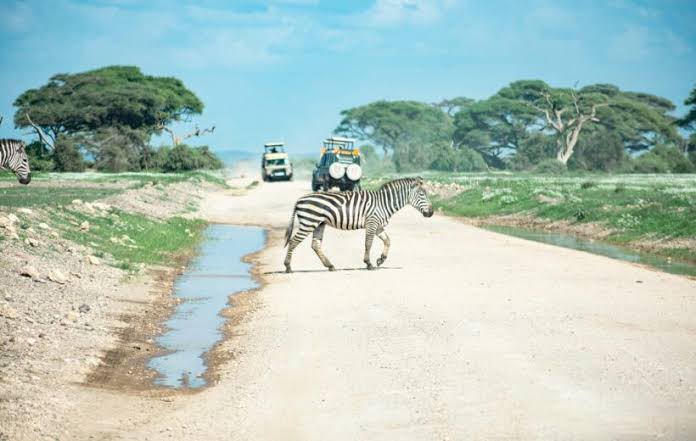
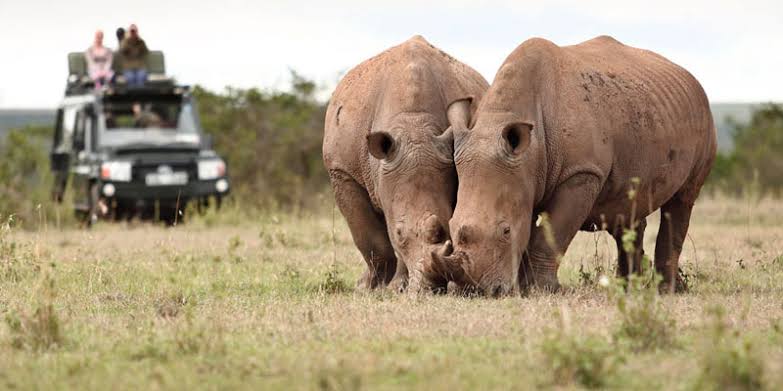
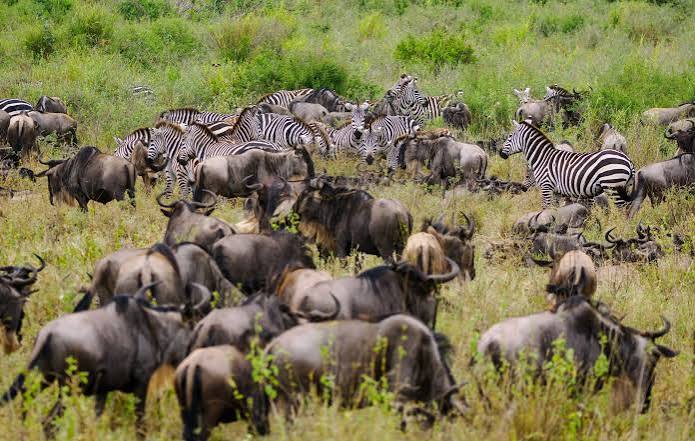
Travelers often begin the day exploring famous national parks filled with lions, elephants, giraffes, zebras, buffaloes, and countless other wildlife species. Later, they visit nearby villages where local communities share traditions, stories, crafts, and daily experiences connected to the same landscapes.
This combination creates deeper understanding of how wildlife conservation and local livelihoods depend on one another across Tanzania’s safari regions.
Communities living near conservation areas often participate actively in eco tourism and wildlife protection programs because tourism supports schools, healthcare, infrastructure, and local employment.
Travelers also gain broader perspectives on conservation challenges, land use, and sustainable tourism through direct interaction with local residents.
Destinations near the Serengeti, Ngorongoro Conservation Area, Tarangire National Park, and Lake Manyara frequently include cultural experiences alongside wildlife safaris.
These integrated safari experiences feel more complete because travelers connect emotionally with both the environment and the people protecting it.
Photography opportunities become more diverse as visitors capture wildlife, cultural ceremonies, traditional architecture, village life, and local landscapes throughout the journey.
This balanced approach strengthens Tanzania Safari with Local Community Visits by combining adventure, education, cultural appreciation, and environmental awareness into one unforgettable African travel experience.
Traditional Food and Local Culinary Experiences
Food tourism adds another exciting dimension to Tanzania Safari with Local Community Visits because traditional cuisine reflects the country’s cultural diversity and regional identity.
Travelers visiting local communities often enjoy homemade meals prepared using fresh local ingredients and traditional cooking techniques passed through generations.
Popular Tanzanian dishes include grilled meat, rice, beans, cassava, plantains, ugali, fresh vegetables, coconut stews, and tropical fruits depending on the region.
Cooking demonstrations create especially memorable experiences because visitors learn how communities prepare food using traditional methods, clay stoves, local spices, and handmade utensils.
Food markets additionally provide colorful and lively environments where travelers discover local ingredients, regional snacks, spices, and fresh produce while interacting with community vendors.
These culinary experiences allow travelers to understand cultural traditions through food preparation, hospitality, and shared meals within local homes and community spaces.
Many travelers appreciate these authentic food experiences because they create stronger cultural connections than restaurant dining alone.
Professional guides also explain the cultural significance of certain foods, farming practices, and local agricultural traditions connected to community life.
Culinary tourism therefore strengthens Tanzania Safari with Local Community Visits by combining culture, hospitality, education, and sensory experiences into the safari journey.
How Tanzania Safari with Local Community Visits Supports Sustainable Travel
Sustainable tourism plays an important role in Tanzania Safari with Local Community Visits because tourism revenue directly supports local families, conservation projects, and community development.
Responsible safari operators work closely with communities to ensure tourism activities benefit local people while preserving cultural heritage and environmental resources.
Community tourism creates employment opportunities through guiding services, cultural performances, handicraft production, accommodation, transportation, and food services.
These economic benefits encourage communities to support wildlife conservation and protect natural habitats connected to safari tourism.
Travelers participating in responsible tourism also contribute positively by purchasing local crafts, using community owned lodges, and supporting ethical cultural experiences.
Many villages invest tourism income into education programs, healthcare facilities, clean water projects, and infrastructure improvements that strengthen local development.
Professional guides help visitors understand the importance of respectful travel behavior, cultural sensitivity, and environmentally responsible tourism practices throughout the safari experience.
Travelers often leave with stronger appreciation for sustainable tourism because they witness how tourism can improve lives while protecting wildlife and cultural identity.
These positive impacts make community based safaris valuable for both travelers and the communities hosting them across Tanzania’s tourism regions.
Exploring Indigenous Knowledge and Traditional Skills
Indigenous knowledge remains an important part of Tanzania Safari with Local Community Visits because many communities continue preserving survival skills, environmental understanding, and cultural wisdom developed over generations.
Travelers exploring indigenous traditions often learn about medicinal plants, livestock management, hunting techniques, weather prediction, and natural resource conservation practices used by local communities.
The Hadzabe people near Lake Eyasi provide particularly unique cultural experiences because they preserve traditional hunter gatherer lifestyles connected closely to nature.
Visitors observe tracking techniques, archery skills, fire making methods, and food gathering practices while learning about indigenous relationships with the environment.
Traditional craftsmanship also plays a major role in cultural tourism experiences. Travelers watch artisans create beadwork, wood carvings, leather products, baskets, pottery, and textiles using local materials and traditional techniques.
These experiences highlight the creativity, resilience, and environmental knowledge preserved within Tanzania’s indigenous cultures.
Travelers often appreciate these interactions because they provide educational insight rarely found in ordinary tourism activities.
Professional guides ensure cultural demonstrations remain respectful, ethical, and beneficial for participating communities while preserving traditional knowledge systems for future generations.
These authentic experiences enrich Tanzania Safari with Local Community Visits by connecting travelers with the wisdom, creativity, and cultural identity of Tanzania’s indigenous people.
Why Tanzania Safari with Local Community Visits Create Lasting Travel Memories
Tanzania Safari with Local Community Visits offers travelers a powerful combination of wildlife adventure, cultural discovery, and authentic human connection. These experiences go beyond ordinary sightseeing by allowing visitors to engage directly with the people, traditions, and lifestyles that shape Tanzania’s identity.
Travelers explore national parks filled with wildlife while also visiting villages, sharing meals, learning traditional skills, and participating in cultural activities that create deeper understanding and appreciation for local communities.
The combination of safari exploration and cultural interaction creates balanced journeys filled with education, adventure, emotional connection, and personal growth.
Community tourism additionally supports sustainable travel by creating economic opportunities, protecting cultural heritage, and encouraging conservation across Tanzania’s safari regions.
Photography enthusiasts, families, students, cultural travelers, and adventure seekers all benefit from the meaningful experiences created through community based tourism.
Giant Holiday Safaris continues helping travelers experience authentic Tanzania through carefully planned safaris focused on responsible tourism, cultural respect, conservation awareness, and unforgettable African hospitality.
For travelers seeking more than wildlife viewing alone, Tanzania Safari with Local Community Visits remains one of the most enriching and memorable ways to explore East Africa.
Combined Uganda, Kenya, Rwanda and Tanzania Safaris
17 days Kenya Tanzania and Uganda safari
19 Days Uganda Kenya and Tanzania Safari
16 Days Kenya Tanzania and Uganda Safari
14 Days Kenya Uganda and Tanzania Safari
14 Days Kenya Uganda and Rwanda Safari