What are the best safari adventures with cultural tours in Kenya?
May 25, 2026
What are the best Kenya safari parks for honeymoon adventures?
May 25, 2026
What are the best safari holidays for wildlife photography?
The question What are the best safari holidays for wildlife photography?” leads straight into one of Africa’s most powerful travel experiences. Safari photography holidays give travelers a chance to capture raw wildlife moments in real time. Every sunrise brings new light, every landscape shifts with movement, and every animal encounter tells a visual story. Because of this, Africa stands out as the ultimate destination for photographers who want both action and beauty in one frame.
Safari holidays in Africa combine professional guiding, ideal lighting conditions, and rich wildlife density. As a result, photographers gain strong opportunities to capture dramatic behavior such as predator hunts, river crossings, and large herd movements. In addition, many safari destinations offer exclusive access, which reduces crowd interference and improves shot quality. With the right planning, travelers can turn every moment into a frame worth keeping. This guide explores the best safari holidays for wildlife photography and shows how each destination enhances visual storytelling in the wild.
Maasai Mara National Reserve for dramatic wildlife action photography
Maasai Mara National Reserve ranks as one of the most powerful photography destinations in Africa. It offers open savannahs, predictable wildlife movement, and some of the most dramatic natural scenes in the world. Photographers choose the Maasai Mara because it delivers consistent action throughout the year, especially during the Great Migration.
The wide landscapes allow clear framing of animals against golden grasslands and open skies. This creates strong composition opportunities for both beginner and professional photographers. In addition, predator activity remains high in the region. Lions, cheetahs, and leopards hunt across the plains, giving photographers access to intense action shots that capture survival in real time.
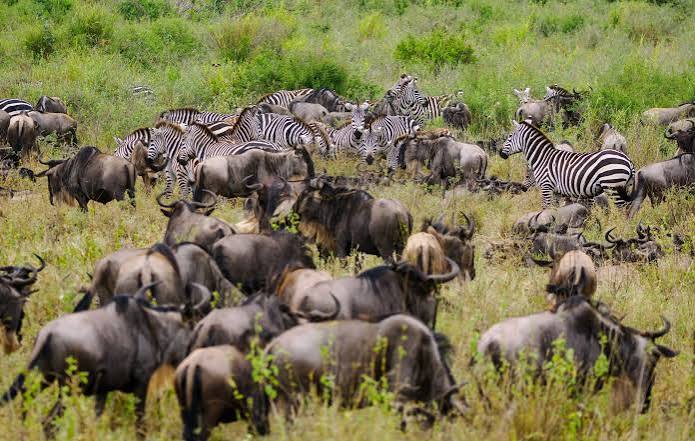
During migration season, the Maasai Mara transforms into a moving stage of millions of wildebeest and zebras. River crossings at the Mara River create fast paced scenes where timing becomes critical. Crocodiles wait in the water while herds gather at the banks, producing high tension moments that challenge and reward photographers.
Furthermore, hot air balloon safaris provide aerial perspectives that reveal the full scale of wildlife movement. This angle adds depth to photography portfolios and creates unique storytelling opportunities. With expert guides and well positioned lodges, the Maasai Mara remains a top destination for wildlife photography holidays.
Amboseli National Park for elephant and landscape photography
Amboseli National Park offers one of the most visually striking environments for wildlife photography in Africa. It combines large elephant herds with the iconic backdrop of Mount Kilimanjaro. This contrast creates powerful images that blend wildlife and landscape into one frame.
Photographers often focus on elephants moving across open plains or gathering near swamps. The flat terrain of Amboseli allows clear sightlines, which improves composition and framing. In addition, the soft morning light creates ideal conditions for capturing silhouettes of animals against the mountain.
Weather conditions also play a major role in photography success here. Clear skies often reveal the snow capped peak of Kilimanjaro, especially during early mornings. This natural lighting enhances color contrast and adds depth to images. As a result, Amboseli produces some of the most recognizable safari photographs in Africa.
Beyond elephants, the park also supports lions, giraffes, and diverse bird species. This variety gives photographers multiple subjects to work with in a single location. Furthermore, the calm movement of wildlife in Amboseli allows photographers to practice patience and timing, which are essential skills for capturing high quality safari images.
Serengeti National Park for endless wildlife storytelling
Serengeti National Park stands as one of the most important photography destinations in the world. It offers vast landscapes, rich wildlife populations, and continuous animal movement across its ecosystem. Photographers value the Serengeti because it allows storytelling on a grand scale.
The open plains provide clean backgrounds that highlight animal behavior. This makes it easier to isolate subjects and create strong visual focus. In addition, the Serengeti supports one of the largest wildlife migrations on Earth. This movement creates constant action scenes that range from gentle grazing to dramatic predator encounters.
During migration periods, photographers capture river crossings, herd formations, and predator chases. These moments require timing, patience, and quick adjustments, which help develop professional photography skills. Moreover, the lighting in the Serengeti changes throughout the day, offering warm tones during sunrise and sunset that enhance image quality.
Another advantage of the Serengeti is its diverse habitats. From grasslands to rocky outcrops known as kopjes, each area provides unique framing options. Photographers can capture lions resting on rocks, elephants moving across plains, or cheetahs scanning the horizon. This variety makes the Serengeti a complete photography destination.
Samburu National Reserve for rare wildlife photography
Samburu National Reserve offers a unique photography experience focused on rare and specialized wildlife. Located in northern Kenya, the landscape features dry terrain, riverbanks, and rugged hills. This environment supports species that do not appear in many other parks, making Samburu highly valuable for photographers seeking diversity.
The Ewaso Ng’iro River runs through the reserve and attracts wildlife throughout the year. Photographers often focus on animals gathering near the water, which creates strong composition opportunities. Elephants, lions, and leopards frequently appear along the river, providing close and dynamic encounters.
Samburu is also known for the Samburu Special Five. These include rare species such as Grevy’s zebra and reticulated giraffe. Their unique patterns and shapes create visually striking images that stand out in photography collections. In addition, the dry environment produces dusty golden tones that enhance image texture and mood.
Lighting in Samburu plays an important role in photography. The clear skies and strong sunlight create high contrast images that emphasize animal features. Furthermore, fewer crowds in the reserve allow photographers to work without distraction. This improves focus and increases chances of capturing natural behavior without interruption.
What are the best safari holidays for wildlife photography? Tsavo National Park for rugged and dramatic scenes
Tsavo National Park offers one of the most expansive photography environments in Kenya. It divides into Tsavo East and Tsavo West, each with distinct landscapes and wildlife patterns. This variety makes Tsavo ideal for photographers who want diverse visual content.
Tsavo East features wide open plains and large elephant herds. The red dust that covers elephants creates a unique visual identity that stands out in photographs. This natural coloring adds warmth and depth to images, especially during sunrise and sunset. In addition, lions, giraffes, and buffalo move across the plains, providing consistent wildlife opportunities.
Tsavo West presents a more rugged environment with volcanic hills, springs, and dense vegetation. Locations such as Mzima Springs offer clear water scenes where photographers can capture hippos and crocodiles. This contrast between land and water creates dynamic compositions.
Because of its size, Tsavo offers fewer crowds and more freedom for photographers. This allows longer shooting times and better control over composition. As a result, Tsavo delivers raw and authentic safari photography experiences that feel untouched and natural.
Best Safari Holidays for Wildlife Photography – Lake Nakuru National Park
Lake Nakuru National Park provides a compact yet highly rewarding destination for wildlife photography. With Giant Holiday Safaris as your trusted operator, travelers enjoy specialized itineraries focused on birdlife and rhino conservation. The shallow alkaline lake attracts flamingos and other water birds, creating colorful and dynamic scenes perfect for photography.
Photographers often highlight the striking contrast between pink flamingos and blue waters, producing images that stand out in any portfolio. The park also supports both black and white rhinos, offering rare opportunities to capture these iconic species. Giant Holiday Safaris ensures guests are positioned for the best angles and sightings.
The compact size of Lake Nakuru allows exploration of multiple habitats in a short time, including forested areas, rocky cliffs, and open lake shores. This variety provides diverse photographic opportunities without long travel distances. Giant Holiday Safaris designs routes that maximize this diversity.
Lighting conditions around the lake change throughout the day, enhancing reflection photography. Early mornings often deliver calm water surfaces that mirror wildlife and landscapes, creating artistic compositions. With expert guidance from Giant Holiday Safaris, photographers capture both dramatic and creative shots.
Lake Nakuru remains an excellent choice for travelers seeking diversity in a single destination. Partnering with Giant Holiday Safaris guarantees seamless planning, expert guiding, and unforgettable wildlife photography experiences in Kenya’s Rift Valley.
Planning Safari Holidays for Wildlife Photography Success
Successful safari photography holidays require careful planning, timing, and equipment preparation. With Giant Holiday Safaris as your trusted operator, travelers receive expert guidance to design itineraries that maximize photography opportunities.
The dry season, running from June to October and January to February, offers the best conditions for wildlife photography. During these months, animals gather around water sources, increasing visibility and improving shot opportunities. Giant Holiday Safaris helps guests plan around these peak seasons for optimal results.
Choosing the right safari guide also plays a major role. Experienced guides understand animal behavior and position vehicles for the best angles, allowing photographers to capture strong compositions without disturbing wildlife. Giant Holiday Safaris employs expert guides who specialize in supporting photography tours.
Light conditions remain essential. Early mornings and late afternoons provide soft golden light that enhances colors and reduces harsh shadows. Photographers should carry versatile lenses to capture both wide landscapes and close wildlife shots. Giant Holiday Safaris ensures itineraries are timed to take advantage of the best natural lighting.
Finally, patience is the most important skill. Wildlife photography depends on timing and observation. By staying alert and adapting to natural movements, photographers increase their chances of capturing powerful moments. Giant Holiday Safaris creates flexible schedules that allow guests to wait for the perfect shot.
Understanding what the best safari holidays for wildlife photography are helps travelers choose destinations that deliver strong visual storytelling, unforgettable wildlife encounters, and professional‑quality photography opportunities. Partnering with Giant Holiday Safaris guarantees seamless planning, expert guidance, and extraordinary photographic safaris in Kenya and beyond.
Combined Uganda, Kenya, Rwanda and Tanzania Safaris
17 days Kenya Tanzania and Uganda safari
19 Days Uganda Kenya and Tanzania Safari
16 Days Kenya Tanzania and Uganda Safari
14 Days Kenya Uganda and Tanzania Safari
14 Days Kenya Uganda and Rwanda Safari