Tanzania Safari Travel Tips
May 25, 2026
Tanzania Safari Visa Guide
May 25, 2026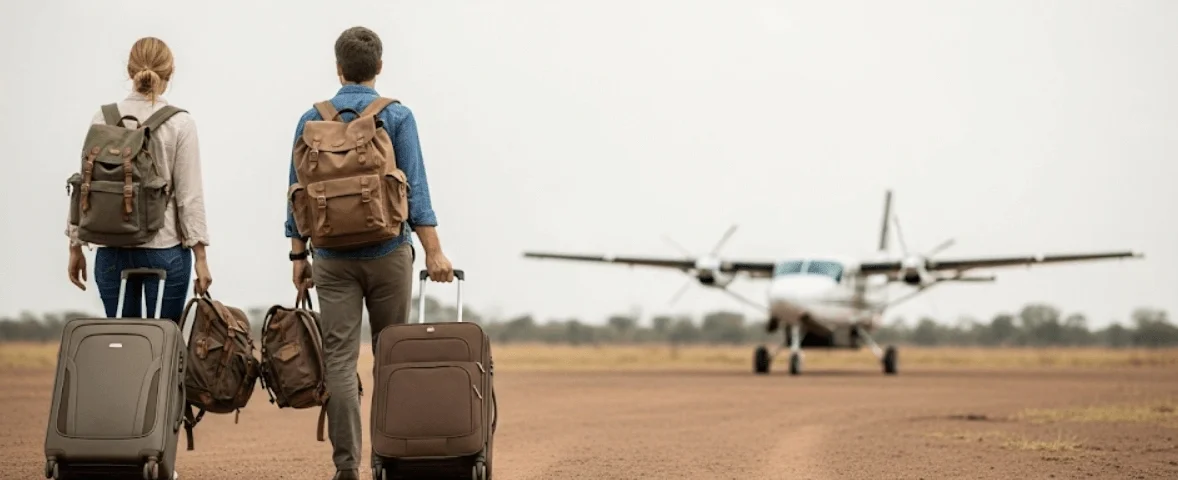
Tanzania Safari Packing Guide
Tanzania Safari Packing Guide helps travelers prepare properly for one of Africa’s most exciting wildlife adventures. The country offers unforgettable safari experiences filled with breathtaking landscapes, incredible wildlife encounters, vibrant cultures, and outdoor exploration. However, packing correctly plays a major role in determining how comfortable, safe, and enjoyable the safari experience becomes.
Many travelers feel excited about seeing lions, elephants, giraffes, zebras, and the Great Migration across Tanzania’s famous parks. At the same time, safari conditions often differ greatly from ordinary vacations. Long game drives, changing weather, dusty roads, outdoor activities, and remote wilderness environments require practical travel preparation.
Packing too many unnecessary items creates inconvenience during transfers and domestic flights, while forgetting important essentials may affect comfort during the safari. Therefore, travelers benefit greatly from understanding what to bring, how to organize luggage, and how to prepare for Tanzania’s climate and safari conditions.
Tanzania safaris also vary depending on travel season, safari style, accommodation level, and planned activities. Luxury safaris, camping safaris, walking safaris, beach extensions, mountain trekking, and cultural tours each require slightly different packing priorities.
A well organized safari packing plan allows travelers to move comfortably between parks, lodges, airports, and activities while focusing fully on wildlife viewing and relaxation.
Professional safari companies provide guidance on luggage restrictions, climate conditions, safari clothing, travel documents, and outdoor essentials that improve the overall safari experience.
Giant Holiday Safaris helps travelers prepare for unforgettable African journeys through expert travel support and reliable Tanzania Safari Packing Guide recommendations designed for modern safari adventures.
Choosing the Right Safari Clothing for Tanzania Safari
Selecting proper safari clothing remains one of the most important parts of safari preparation because Tanzania’s weather conditions and outdoor activities require comfortable and practical travel wear.
Neutral colored clothing works best during safaris because beige, khaki, olive green, brown, and light gray blend naturally with the environment without attracting unnecessary attention from wildlife or insects.
Bright colors may disturb animals, while dark blue and black clothing often attract tsetse flies in some safari regions.
Lightweight and breathable fabrics help travelers stay comfortable during warm daytime temperatures, especially during long game drives and walking activities.
Long sleeve shirts and lightweight trousers additionally protect travelers from sun exposure, insects, dust, and cool evening temperatures after sunset.
Early morning game drives often feel cold, particularly in areas such as Ngorongoro Crater and higher altitude safari destinations. Therefore, travelers should pack light jackets, sweaters, or fleece layers for added warmth.
Comfortable walking shoes remain essential for walking safaris, village tours, airport transfers, and nature hikes across uneven terrain.
Wide brim hats, sunglasses, and lightweight scarves also provide valuable protection against strong sunlight and dust during road safaris.
Travelers should avoid overpacking because most safari lodges offer laundry services that allow guests to rewear clothing during longer safari trips.
Well planned safari clothing improves comfort, mobility, safety, and overall enjoyment throughout Tanzania’s diverse safari environments.
Essential Travel Documents and Personal Items on a Tanzania Safari
Travel documents and personal essentials play a critical role in creating smooth and stress free safari experiences throughout Tanzania.
Travelers should carry passports with sufficient validity, visa documents, travel insurance information, flight tickets, vaccination records, hotel confirmations, and emergency contact details before departure.
Keeping both digital and printed copies of important travel documents provides additional security in case of unexpected luggage issues or document loss during the journey.
Travel insurance remains especially important because safaris often involve domestic flights, remote travel areas, outdoor activities, and changing weather conditions.
Personal medication should always stay inside carry on luggage rather than checked baggage. Travelers should additionally pack prescription copies and small medical kits containing pain relievers, allergy medication, motion sickness tablets, and basic first aid supplies.
Reusable water bottles help travelers stay hydrated while reducing plastic waste during safari activities.
Power banks, universal travel adapters, charging cables, and extra camera batteries also remain important because many safari camps operate on limited electricity schedules.
Travelers carrying expensive cameras, binoculars, smartphones, or electronics should use protective waterproof bags to shield equipment from dust and moisture.
Cash in small denominations additionally helps travelers pay for tips, local shopping, cultural visits, and small purchases in remote areas where card payment may not always work reliably.
Careful organization of personal essentials allows travelers to move comfortably between airports, safari camps, national parks, and local communities across Tanzania.
Packing Smart for Different Safari Seasons with Tanzania Safari Guide
Tanzania experiences different weather conditions throughout the year, so travelers should adjust their packing lists according to safari season and planned activities.
The dry season between June and October remains cooler in the mornings and evenings while creating dusty safari conditions due to limited rainfall and dry roads.
Travelers visiting during this period should pack warm layers for early game drives alongside lightweight clothing for warmer afternoon temperatures.
Dust protection also becomes important during dry season safaris. Light scarves, protective camera covers, sunglasses, and closed shoes help travelers stay comfortable during dusty road transfers and wildlife viewing activities.
The green season between November and May brings warmer temperatures, occasional rainfall, greener landscapes, and excellent birdwatching opportunities across Tanzania.
Travelers during rainy months should carry lightweight waterproof jackets, quick drying clothing, waterproof bags, and extra footwear suitable for muddy conditions.
Humidity also increases near coastal areas and tropical regions, especially during Zanzibar extensions or chimpanzee trekking adventures around western Tanzania.
Safari travelers visiting Mount Kilimanjaro, Ngorongoro Highlands, or higher elevation parks should prepare for colder conditions regardless of travel season.
Packing according to seasonal weather patterns helps travelers stay comfortable and fully enjoy wildlife viewing, photography, hiking, and cultural experiences throughout the safari journey.
Professional safari experts provide updated climate guidance that helps travelers prepare appropriately for specific destinations and travel periods across Tanzania.
Safari Gear That Improves Wildlife Experiences
Proper safari gear enhances wildlife viewing and photography opportunities while helping travelers enjoy richer safari experiences across Tanzania’s national parks and conservation areas.
Binoculars remain one of the most valuable safari items because they allow travelers to observe distant wildlife, bird species, and animal behavior more clearly during game drives.
Wildlife often appears far from safari vehicles, especially in open savannah landscapes such as Serengeti National Park and Ruaha National Park.
Cameras with zoom lenses help travelers capture high quality wildlife photographs without disturbing animals or approaching too closely.
Extra memory cards and spare batteries also remain essential because safari photography opportunities often occur throughout the entire day.
Dustproof camera bags protect valuable photography equipment from rough roads, dirt, and changing weather conditions during safari travel.
Travel journals additionally help many visitors record wildlife sightings, cultural experiences, personal reflections, and daily safari memories during the trip.
Flashlights or headlamps become useful inside safari camps where lighting may remain limited during nighttime hours.
Travelers participating in walking safaris, canoe safaris, or chimpanzee trekking should also carry small backpacks for water bottles, sunscreen, cameras, snacks, and lightweight personal items.
These practical safari tools improve comfort, observation, photography, and organization while helping travelers fully appreciate Tanzania’s remarkable wildlife experiences.
Health and Safety as an Essentials for Tanzania Safari Packing Guide
Health and safety preparation helps travelers enjoy safer and more comfortable safari experiences throughout Tanzania’s remote wilderness regions.
Travelers should consult healthcare providers before departure regarding vaccinations, malaria prevention, and personal medical recommendations for East African travel.
Insect repellent remains especially important because mosquitoes appear in many safari areas, particularly during rainy seasons and near wetlands or lakes.
High quality sunscreen also protects travelers from strong equatorial sunlight during long outdoor activities and game drives.
Hydration plays an equally important role because safari travelers spend many hours outdoors in warm temperatures. Reusable water bottles help maintain proper hydration throughout daily activities.
Hand sanitizer, wet wipes, tissues, and personal hygiene supplies additionally improve comfort during long road journeys and outdoor excursions.
Travelers with allergies or medical conditions should inform safari operators before arrival so guides and lodges understand any special medical needs during the trip.
Comfortable travel habits such as wearing hats, resting properly, eating balanced meals, and drinking enough water help travelers avoid fatigue during active safari schedules.
Most professional safari companies maintain high safety standards and provide trained guides, reliable vehicles, communication systems, and emergency support across safari destinations.
Good health preparation allows travelers to focus confidently on wildlife encounters, photography, cultural experiences, and relaxation throughout Tanzania.
Organizing Luggage for Domestic Safari Flights
Domestic safari flights play an important role in Tanzania travel because many remote national parks require small aircraft connections between safari regions.
Unlike international airlines, domestic safari flights usually enforce strict luggage weight limits and baggage size restrictions due to smaller aircraft capacity.
Soft sided duffel bags work best for safari flights because they fit easily into aircraft storage compartments and safari vehicles.
Hard shell suitcases often create storage difficulties and may not meet baggage requirements for smaller regional aircraft operating between parks and lodges.
Travelers should pack efficiently by focusing on essential clothing, compact toiletries, lightweight gear, and practical travel accessories.
Compression packing cubes also help organize luggage while maximizing limited bag space during longer safari journeys.
Keeping valuable items such as passports, cameras, electronics, medication, and travel documents inside carry on bags provides additional security during transfers.
Travelers should additionally label luggage clearly with personal contact information to simplify airport handling and safari camp transfers.
Professional safari operators normally assist guests with baggage guidance before travel to ensure compliance with domestic airline regulations.
Efficient luggage organization reduces stress during airport transfers, improves travel convenience, and allows travelers to move smoothly between Tanzania’s safari destinations.
Why Smart Packing Improves Tanzania Safari Experiences
Tanzania Safari Packing Guide preparation helps travelers enjoy more comfortable, organized, and rewarding safari experiences across East Africa’s remarkable wildlife destinations.
Smart packing allows travelers to adapt easily to changing weather conditions, wildlife activities, cultural experiences, transportation logistics, and outdoor adventure environments throughout the safari journey.
Travelers who prepare properly often enjoy smoother travel experiences because they remain ready for long game drives, photography opportunities, walking safaris, cultural visits, and remote travel conditions.
Practical safari clothing, travel documents, photography equipment, health supplies, and lightweight luggage all contribute significantly to successful safari adventures.
Tanzania continues attracting travelers from around the world because of its incredible wildlife, stunning landscapes, diverse cultures, and authentic African safari experiences.
Whether visitors choose luxury lodges, eco tourism adventures, camping safaris, family holidays, or wildlife photography expeditions, thoughtful packing preparation improves comfort, safety, and flexibility during travel.
Giant Holiday Safaris continues helping travelers prepare for unforgettable African adventures through expert safari planning, practical travel guidance, and reliable Tanzania Safari Packing Guide recommendations tailored for modern safari travelers.
For travelers planning wildlife exploration across Tanzania’s extraordinary national parks and conservation areas, Tanzania Safari Packing Guide advice provides the foundation for smooth, enjoyable, and memorable safari experiences.
Combined Uganda, Kenya, Rwanda and Tanzania Safaris
17 days Kenya Tanzania and Uganda safari 19 Days Uganda Kenya and Tanzania Safari
16 Days Kenya Tanzania and Uganda Safari
14 Days Kenya Uganda and Tanzania Safari
14 Days Kenya Uganda and Rwanda Safari