What Are the Best Safari Parks for Seeing Zebras in Kenya?
May 26, 2026
What Are the Best Kenya Safari Packages for Wildlife Enthusiasts?
May 26, 2026
What Are the Best Safari Experiences for Photographers in Kenya?
Kenya stands among the world’s top safari destinations for wildlife photography because it offers breathtaking landscapes, rich biodiversity, dramatic wildlife encounters, and exceptional safari experiences. Every year, photographers from across the globe travel to Kenya to capture unforgettable moments in the African wilderness. From lions hunting across golden plains to elephants walking beneath Mount Kilimanjaro, Kenya provides endless opportunities for extraordinary wildlife photography. When travelers ask, “What are the best safari experiences for photographers in Kenya? ”They usually seek destinations and safari activities that provide excellent lighting, diverse wildlife, experienced guides, and exclusive access to nature.
Kenya’s safari industry continues to grow because it combines authentic African adventures with professional tourism services. Wildlife photographers enjoy luxury safari camps, private conservancies, customized game drives, and expert guides who understand animal behavior and photography positioning. In addition, Kenya’s diverse ecosystems allow photographers to capture savannah landscapes, wetlands, forests, mountains, deserts, and rivers within one country.
Photography safaris in Kenya also create deeper emotional connections with nature. Every game drive presents opportunities to document wildlife interactions, migration events, birdlife, cultural encounters, and dramatic natural scenery. Photographers often leave Kenya with more than beautiful images because the safari experience itself becomes life-changing.
This guide explores the best safari experiences for photographers in Kenya while helping wildlife enthusiasts discover the most rewarding photography adventures across East Africa’s most iconic safari destinations.
Great Migration Photography Safaris in Maasai Mara
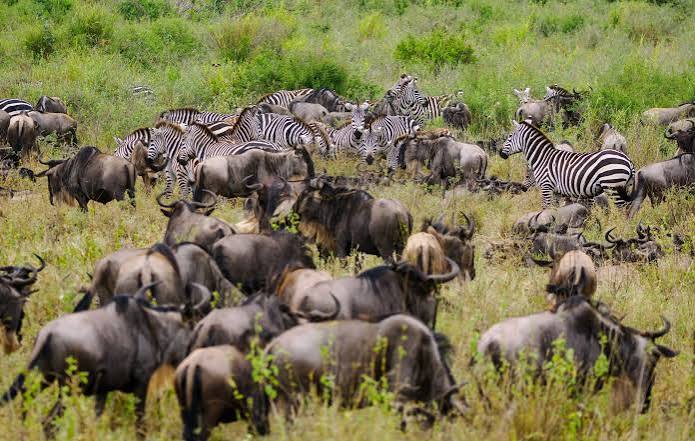
The Maasai Mara National Reserve offers one of the greatest wildlife photography experiences on Earth. Every year between July and October, millions of wildebeests, zebras, and gazelles migrate from Tanzania’s Serengeti into Kenya’s Maasai Mara. This incredible movement creates endless opportunities for photographers to capture dramatic wildlife action.
Photography safaris during the Great Migration focus heavily on river crossings along the Mara River. Wildebeests gather at riverbanks before making dangerous crossings filled with crocodiles and fast moving currents. These moments create intense photography scenes involving movement, survival, dust clouds, and predator interactions.
The Maasai Mara also supports large populations of lions, cheetahs, leopards, elephants, buffaloes, and giraffes. Photographers regularly capture big cats hunting, elephants walking through golden grasslands, and dramatic predator prey interactions. Because the reserve features open plains, wildlife visibility remains excellent throughout the year.
Many photography safari operators in the Maasai Mara provide specially modified safari vehicles designed for photographers. These vehicles include open sides, camera mounts, charging stations, and flexible seating arrangements that improve photography comfort and positioning.
Private conservancies surrounding the Maasai Mara offer even better photography experiences because they limit visitor numbers and allow off road driving. This flexibility helps photographers position vehicles perfectly for lighting and composition.
Sunrise and sunset game drives create especially rewarding photography conditions in the Maasai Mara. Golden light spreads across the savannah while wildlife becomes highly active during cooler hours. These moments produce stunning wildlife images filled with warmth, color, and emotion.
For wildlife photographers seeking action packed safari experiences, the Maasai Mara remains Kenya’s ultimate photography destination.
Elephant Photography in Amboseli National Park
Amboseli National Park provides some of Africa’s most iconic safari photography opportunities. Located near the Tanzania border, the park features breathtaking views of Mount Kilimanjaro rising behind vast plains filled with elephants and other wildlife.
Photographers visit Amboseli mainly because of its famous elephant herds. Large elephants move gracefully across dusty landscapes while Mount Kilimanjaro creates dramatic photographic backdrops. These scenes represent classic African safari photography and continue to attract professionals and travel photographers from around the world.
The park’s flat terrain and open landscapes improve wildlife visibility, making photography easier throughout the year. In addition to elephants, photographers regularly capture lions, cheetahs, giraffes, buffaloes, zebras, wildebeests, and numerous bird species during game drives.
Dust also enhances photography experiences in Amboseli. During dry months, moving wildlife creates golden dust clouds that add depth and atmosphere to images. Sunrise and sunset lighting further improve these dramatic photography conditions.
Photography safaris in Amboseli often include full day game drives that maximize wildlife encounters and lighting opportunities. Experienced safari guides understand wildlife movement patterns and help photographers position vehicles for better compositions.
Bird photographers also appreciate Amboseli because the park supports wetlands filled with pelicans, flamingos, herons, and crowned cranes. These wetland areas add diversity to photography portfolios while contrasting beautifully with dry savannah environments.
Luxury safari camps and lodges around Amboseli increasingly cater to photographers by offering private game drives, photography focused itineraries, and flexible schedules that prioritize lighting conditions.
For photographers seeking iconic elephant images with stunning mountain scenery, Amboseli National Park delivers extraordinary safari experiences.
Predator Photography in Samburu National Reserve
Samburu National Reserve offers photographers a unique and dramatic safari experience in northern Kenya. Unlike the green plains of southern Kenya, Samburu features dry riverbeds, rocky hills, acacia woodlands, and golden light that create powerful wildlife photography conditions.
Predator photography in Samburu remains especially rewarding because the reserve supports healthy populations of lions, leopards, and cheetahs. Leopards frequently appear along the Ewaso Ng’iro River, providing photographers with exciting opportunities to capture elusive wildlife behavior.
The reserve also supports rare wildlife species known as the Samburu Special Five. These include Grevy’s zebra, Somali ostrich, reticulated giraffe, gerenuk, and Beisa oryx. Wildlife photographers value these species because they rarely appear in southern Kenya parks, which helps create more distinctive safari portfolios.
Samburu’s dramatic landscapes improve photographic storytelling by adding texture, color, and mood to wildlife images. Dusty plains, rocky hills, and dramatic skies create striking visual contrasts that photographers love.
Photography safaris in Samburu often feel more exclusive because the reserve receives fewer tourists than Maasai Mara. This quieter environment allows photographers to spend more time observing wildlife without vehicle congestion interrupting important moments.
Bird photography also thrives in Samburu because the reserve supports colorful kingfishers, bee eaters, eagles, hornbills, and many migratory species. The river ecosystem attracts diverse birdlife throughout the year.
For photographers seeking rare species, dramatic landscapes, and intimate wildlife encounters, Samburu National Reserve offers one of Kenya’s most rewarding safari photography experiences.
Bird Photography Safaris in Lake Nakuru
Lake Nakuru National Park attracts bird photographers from around the world because it supports rich birdlife and beautiful lake landscapes. Located within Kenya’s Rift Valley, the park combines bird photography, wildlife encounters, and scenic beauty in one accessible safari destination.
Lake Nakuru gained global fame because of its flamingo populations. Although flamingo numbers vary depending on lake conditions, photographers still enjoy remarkable opportunities to capture thousands of birds gathering along the shoreline. Pelicans, cormorants, fish eagles, herons, and African spoonbills also create excellent bird photography opportunities throughout the park.
Bird photographers appreciate Lake Nakuru because wildlife remains relatively easy to access. The park’s compact size allows travelers to explore multiple habitats quickly while increasing chances of diverse sightings.
Beyond birds, photographers regularly encounter black rhinos, white rhinos, lions, leopards, buffaloes, giraffes, and zebras. Forested areas around the lake create excellent leopard photography opportunities, especially during early morning game drives.
The Rift Valley scenery adds beauty and depth to photography experiences. Escarpments, waterfalls, acacia forests, and panoramic viewpoints provide stunning natural backdrops that enhance wildlife compositions.
Many bird photography safaris include visits to nearby Lake Naivasha and Crescent Island, which support additional bird species and aquatic wildlife. Boat safaris around Lake Naivasha allow photographers to capture hippos and water birds from unique perspectives.
For photographers passionate about birdlife and scenic landscapes, Lake Nakuru provides one of Kenya’s most visually rewarding safari experiences.
Luxury Photography Safaris in Private Conservancies
Private conservancies across Kenya have transformed wildlife photography safaris by offering exclusivity, flexibility, and personalized experiences. These protected areas limit visitor numbers and provide photography opportunities that many national parks cannot offer.
Photography safaris in conservancies often include off road driving, night game drives, and guided bush walks. These activities help photographers capture unique wildlife moments, including nocturnal animals, close predator encounters, and dramatic lighting conditions.
Conservancies around Maasai Mara remain especially popular among photographers because they provide excellent wildlife access without large safari crowds. Guides communicate regularly about wildlife movements, which improves chances of locating predators and migration activity.
Luxury tented camps within conservancies cater strongly to photographers. Many camps offer private vehicles, customized safari schedules, charging facilities, photography editing spaces, and guides trained specifically for wildlife photography.
Photographers also benefit from slower safari pacing within conservancies. Instead of rushing between sightings, guides allow guests to spend longer periods observing wildlife behavior and waiting for ideal lighting conditions.
Conservation tourism remains another important advantage of conservancy photography safaris. Tourism revenue supports wildlife protection, anti-poaching efforts, habitat restoration, and local community development projects. Many photographers appreciate knowing their travel contributes directly to conservation success.
Luxury conservancy safaris combine comfort, sustainability, and extraordinary wildlife access while creating ideal conditions for professional and amateur photographers alike.
Cultural Photography Experiences in Kenya
Kenya offers more than wildlife photography because the country also supports rich cultural photography opportunities. Travelers often combine wildlife safaris with visits to Maasai, Samburu, and other local communities to capture authentic African cultural experiences.
Cultural photography allows travelers to document traditional clothing, dances, ceremonies, beadwork, livestock herding, and daily life within local communities. These experiences add emotional depth and storytelling value to photography portfolios.
The Maasai people remain among the most photographed communities in East Africa because of their colorful attire, traditional jewelry, and strong cultural identity. Photographers who approach these experiences respectfully often create meaningful portraits and documentary style images that celebrate Kenya’s cultural heritage.
Samburu communities in northern Kenya also offer unique cultural photography experiences. The dry landscapes, traditional architecture, and colorful fashion create visually powerful scenes that complement wildlife photography journeys.
Many safari operators include cultural visits within broader photography itineraries. Experienced guides help photographers interact respectfully with communities while ensuring tourism supports local economic development.
Photographers should always seek permission before capturing portraits and should prioritize respectful storytelling over staged photography. Authenticity strengthens both photography quality and cultural understanding.
Cultural photography experiences enrich Kenyan safaris by revealing the deep connection between local communities, wildlife conservation, and African heritage.
Best Time for Photography Safaris in Kenya
Timing plays a major role in successful wildlife photography safaris across Kenya. With Giant Holiday Safaris, travelers enjoy expertly planned journeys that match wildlife conditions, lighting opportunities, and landscape appearances for the best results.
The dry season (June–October) remains the most popular period as wildlife gathers around water sources and vegetation thins, making animals easier to spot. The Great Migration peaks during this time in Maasai Mara, offering dramatic action photography opportunities.
January–February provides another excellent season with warm weather, clear skies, and rich wildlife activity. Bird photographers especially benefit from migratory species arriving during these months.
The green season (March–May) creates lush landscapes, dramatic skies, and fewer crowds. While rainfall increases, photographers often capture atmospheric scenes with vibrant vegetation and soft lighting conditions.
Early morning and late afternoon game drives deliver the best lighting for photography. Soft golden light enhances image quality while wildlife becomes more active in cooler temperatures.
Photographers should also prepare suitable equipment for Kenyan safari conditions. Telephoto lenses, extra batteries, memory cards, dust protection gear, and stable camera supports all improve photography success.
For travelers seeking powerful wildlife and landscape images, Kenya curated by Giant Holiday Safaris offers ideal seasons, lighting, and wildlife movement that make every photography safari unforgettable.
Why Kenya Leads Wildlife Photography Tourism
Kenya continues to lead wildlife photography tourism thanks to its exceptional biodiversity, scenic beauty, strong conservation efforts, and high‑quality safari services. With Giant Holiday Safaris, photographers capture migration crossings, predator hunts, mountain landscapes, wetlands, rare birds, and cultural traditions—all within one country.
Professional safari guides understand animal behavior, positioning, and lighting, helping photographers capture powerful moments while respecting conservation ethics. Kenya’s investment in sustainable tourism ensures habitats and migration routes remain protected, while luxury camps and private conservancies provide customized photography experiences.
For travelers asking, “What are the best safari experiences for photographers in Kenya?” the answer includes Maasai Mara, Amboseli, Samburu, Lake Nakuru, and private conservancies. With Giant Holiday Safaris, every safari journey reveals why Kenya remains one of the world’s greatest wildlife photography destinations.
Combined Uganda, Kenya, Rwanda and Tanzania Safaris
17 days Kenya Tanzania and Uganda safari
19 Days Uganda Kenya and Tanzania Safari
16 Days Kenya Tanzania and Uganda Safari
14 Days Kenya Uganda and Tanzania Safari
14 Days Kenya Uganda and Rwanda Safari