What Are the Best Kenya Safari Activities for Children?
May 31, 2026
What Are the Best Kenya Safari Parks for Peaceful Experiences?
May 31, 2026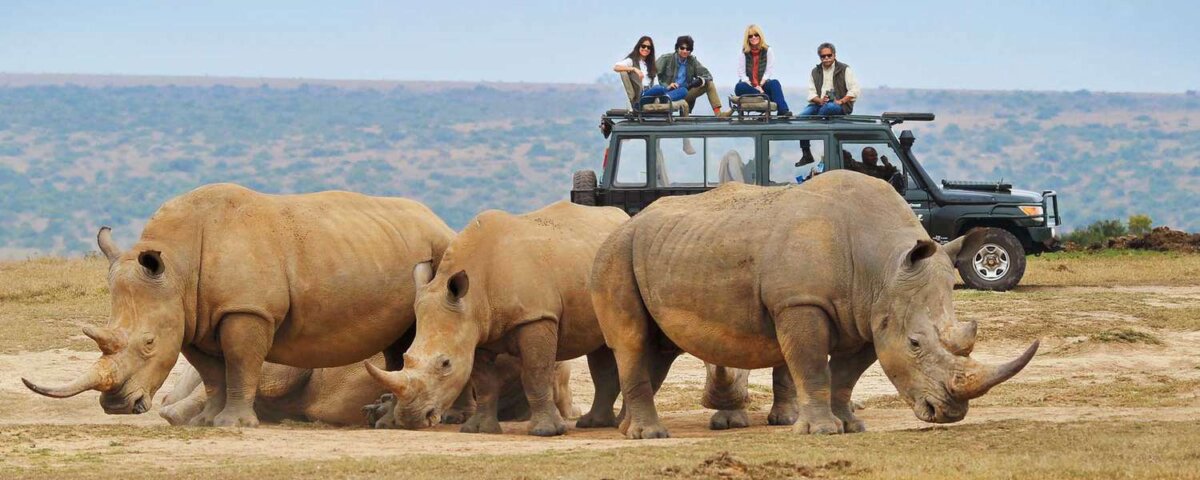
What Are the Best Safari Tours for Wildlife Documentaries?
Kenya stands among the most powerful destinations in the world for wildlife storytelling. With its dramatic landscapes, rich biodiversity, and predictable animal behavior patterns, it naturally feels like an open-air filming studio for wildlife documentaries. From lion hunts across sweeping plains to elephant herds moving beneath volcanic backdrops, the country offers endless cinematic opportunities. As global interest in nature filmmaking continues to grow, many creators now ask an important question: what are the best safari tours for wildlife documentaries?
Safari tours designed for documentary filmmaking go far beyond standard game drives. Instead, they focus on extended field access, flexible schedules, expert guiding, and positioning support for camera crews. In addition, these tours often provide specialized vehicles, off road access in select areas, and deep knowledge of animal behavior to help capture rare wildlife moments.
Just as importantly, the best safari tours for wildlife documentaries prioritize timing and location. They target regions where wildlife activity remains high throughout the year and where lighting conditions support professional filming. As a result, filmmakers gain access to environments that consistently produce high quality footage.
Ultimately, understanding what are the best safari tours for wildlife documentaries helps creators choose experiences that support both storytelling and technical production needs.
Why Kenya Is a Global Hub for Wildlife Documentary Filming
Kenya offers one of the most visually rich and biologically diverse environments in Africa. Because of this, it continues to attract wildlife filmmakers from around the world.
One of the biggest advantages is wildlife density. Kenya’s parks host large populations of predators and herbivores. Consequently, filmmakers enjoy more opportunities to capture dynamic wildlife interactions on camera.
In addition, the landscapes vary widely. Filmmakers can shoot across open savannahs, wetlands, mountains, and semi arid regions without leaving the country. Therefore, this diversity supports multiple storytelling angles within a single production.
Lighting conditions also play a major role. Specifically, early mornings and late afternoons provide warm tones and strong contrasts that enhance cinematic quality.
Furthermore, Kenya’s conservation areas allow controlled access, which reduces disruption during filming. At the same time, many conservancies support professional crews by offering logistical assistance, expert guides, and flexible movement options.
Because of all these strengths, Kenya remains one of the most reliable and visually rewarding locations for wildlife documentary production in the world.
Maasai Mara Documentary Safari Tours
The Maasai Mara is the most iconic filming destination in Kenya. Not only does it offer consistent wildlife action, but it also delivers some of the most dramatic natural events on Earth.
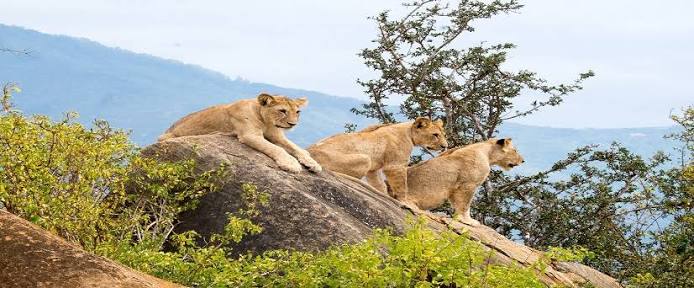
Documentary tours in the Mara often focus on predator prey interactions. For example, lions, cheetahs, leopards, and hyenas regularly hunt across the open plains, creating powerful storytelling moments.
In addition, the Great Migration remains the highlight of many filming schedules. During this spectacle, millions of wildebeests and zebras cross the ecosystem. Meanwhile, river crossings create intense visual drama through crocodile encounters and predator activity.
Safari tours for filmmakers in the Maasai Mara often include private vehicles, extended field time, and expert guides who understand animal movement patterns. As a result, filming efficiency improves significantly.
Beyond the reserve itself, private conservancies nearby offer quieter filming conditions with fewer vehicles. Therefore, crews can capture uninterrupted footage more effectively.
For these reasons, the Maasai Mara remains the most important filming location for wildlife documentaries in Kenya.
Amboseli Safari Tours for Cinematic Elephant Filming
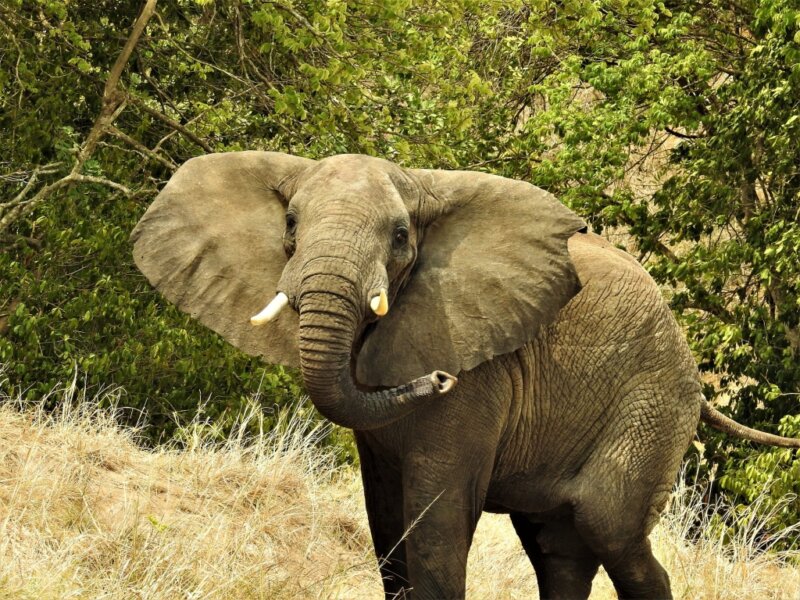
Amboseli National Park offers filmmakers some of the most visually striking elephant footage in Africa. Moreover, its location at the base of Mount Kilimanjaro creates a breathtaking cinematic backdrop that enhances storytelling.
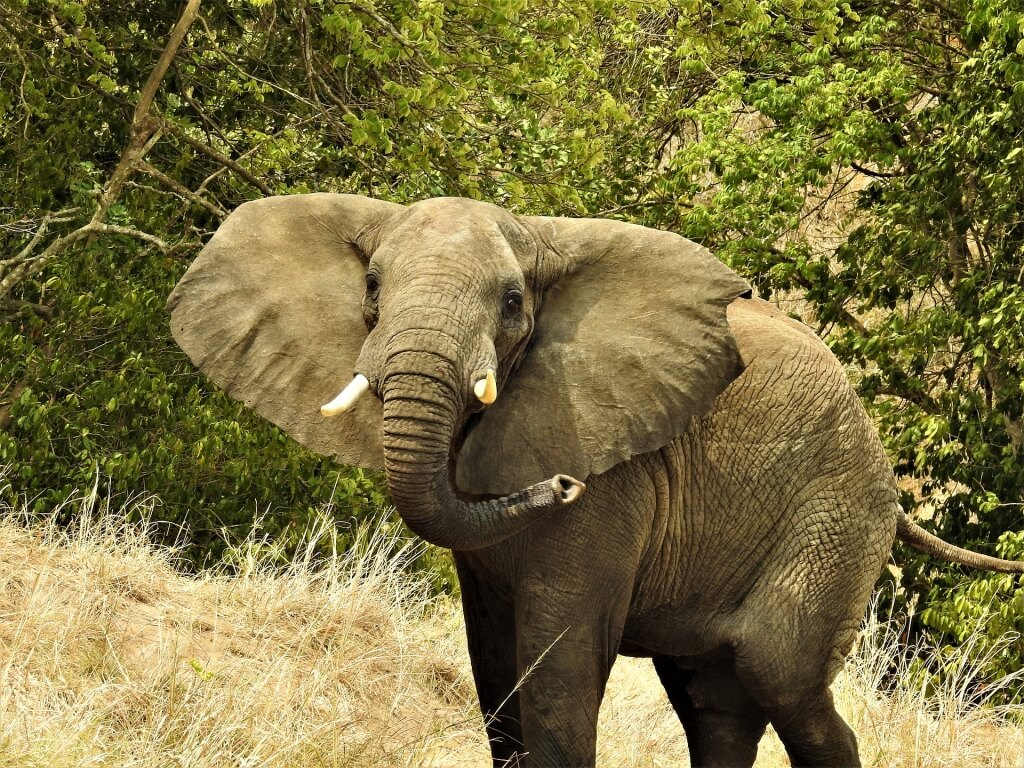
Large elephant herds move across open plains and often appear framed by snow capped peaks. Consequently, filmmakers can capture powerful visual compositions ideal for documentaries focused on wildlife behavior and family structure.
Because the terrain remains open, camera crews benefit from clear sightlines and predictable subject movement. As a result, tracking and long lens shooting become more efficient.
Amboseli also supports lions, cheetahs, giraffes, zebras, and a wide variety of bird species. Therefore, it adds valuable diversity to filming projects.
Most importantly, documentary safari tours in Amboseli often prioritize sunrise and sunset sessions. During these periods, lighting conditions remain optimal while wildlife activity increases.
For filmmakers focused on elephants and landscape storytelling, Amboseli continues to rank among the best safari tour destinations in Kenya.
Samburu Documentary Safari Tours for Rare Wildlife
Samburu National Reserve gives filmmakers access to rare and unique wildlife species not commonly found in southern Kenya.
Most notably, the region is home to the Samburu Special Five, which includes species such as the Grevy’s zebra and reticulated giraffe. As a result, these animals offer distinctive visual content for documentary storytelling.
In addition, the Ewaso Nyiro River attracts steady wildlife activity, including elephants, lions, leopards, and crocodiles. Consequently, filmmakers can capture multiple interactions within a compact area.
Samburu’s rugged and arid landscape also strengthens its cinematic appeal. In particular, the golden tones and dramatic terrain create striking visual contrast.
Because the reserve receives fewer visitors, filming conditions remain calm and less disrupted.
For documentary teams seeking rare species together with unique landscapes, Samburu offers outstanding safari tour options.
Laikipia Safari Tours for Conservation Documentaries
Laikipia has become one of Africa’s most important regions for conservation focused wildlife documentaries. As a result, its private conservancies continue to attract professional filming projects.
The region is especially known for protecting endangered species, including black rhinos, wild dogs, and Grevy’s zebras. Therefore, conservation based stories feel particularly strong here.
Filmmakers in Laikipia also benefit from low vehicle density and flexible movement across large private lands. Consequently, uninterrupted shooting sessions become much easier.
In addition, conservancy teams often assist with tracking wildlife and coordinating filming logistics.
Furthermore, activities such as aerial filming, walking safaris, and extended observation sessions add even greater production value.
For documentaries centered on conservation, rare species, and long term ecological storytelling, Laikipia remains an excellent choice.
Tsavo Safari Tours for Landscape and Behavior Filming
Tsavo East and Tsavo West National Parks offer filmmakers vast and dramatic landscapes ideal for wide angle wildlife storytelling.
Tsavo East is particularly famous for its red soil elephants. As a result, filmmakers capture visually striking footage against the open plains.
Meanwhile, Tsavo West provides more varied scenery, including volcanic formations, springs, and dense vegetation. Therefore, it supports deeper and more layered storytelling.
Wildlife across the ecosystem includes elephants, lions, buffaloes, giraffes, and numerous bird species.
Because of the park’s immense size and lower tourist density, filming often feels uninterrupted and more natural.
For this reason, safari tours in Tsavo work especially well for environmental storytelling, wide cinematic shots, and slow paced wildlife behavior.
Private Conservancy Safari Tours for Filmmakers
Private conservancies across Kenya offer some of the most flexible and professional environments for wildlife documentary production.
Unlike national parks, conservancies allow off road driving. As a result, filmmakers can position themselves more effectively for optimal shots.
They also permit night filming in many cases. Therefore, storytelling opportunities expand significantly.
In addition, conservancies limit the number of vehicles in any given area, which reduces visual and audio interference.
At the same time, expert guides often work closely with production teams, providing tracking support and behavioral insights.
Because of these clear advantages, private conservancies remain widely preferred for high end wildlife documentary projects.
How to Choose the Best Safari Tour for Wildlife Documentaries
Choosing the right safari tour depends heavily on filming goals and subject focus. For example, wildlife action documentaries often prioritize the Maasai Mara because of its predator activity and migration events. With Giant Holiday Safaris, filmmakers gain expert logistical support and access to prime predator viewing areas, ensuring high-quality footage.
Likewise, elephant focused productions often choose Amboseli for its iconic scenery and predictable herds. Giant Holiday Safaris carefully designs itineraries that maximize Amboseli’s cinematic backdrops and improve filming opportunities.
Meanwhile, conservation documentaries frequently select Laikipia because of its protected species and research programs. By partnering with Giant Holiday Safaris, filmmakers benefit from strong local connections and exclusive filming opportunities.
Similarly, rare wildlife storytelling often leads filmmakers to Samburu, while landscape focused projects may favor Tsavo. In each case, Giant Holiday Safaris provides tailored guidance that aligns destination strengths with the documentary’s narrative goals.
Additionally, logistics, season, and access permissions influence final decisions. Giant Holiday Safaris manages permits, timing, and travel routes, ensuring a smooth production flow.
By matching filming objectives with destination strengths, documentary teams maximize production quality. Most importantly, with Giant Holiday Safaris, every safari tour is strategically planned to elevate storytelling impact.
Final Thoughts on What Are the Best Safari Tours for Wildlife Documentaries?
Understanding what are the best safari tours for wildlife documentaries clearly reveals Kenya as one of the most powerful storytelling landscapes in the world. Thanks to its wildlife density, diverse ecosystems, and supportive conservation areas, the country creates ideal filming conditions. With Giant Holiday Safaris, filmmakers gain a trusted partner who aligns production goals with Kenya’s diverse safari destinations.
From the dramatic predator action of the Maasai Mara and the cinematic elephant scenes of Amboseli to the rare species of Samburu, the conservation focus of Laikipia, and the vast landscapes of Tsavo, Kenya offers unmatched variety for documentary creators. In every region, Giant Holiday Safaris ensures each destination delivers compelling visuals and authentic African narratives.
Ultimately, what are the best safari tours for wildlife documentaries are depends on the story being told. However, every destination offers powerful visuals, memorable wildlife encounters, and authentic African settings that elevate documentary production. With Giant Holiday Safaris as your tour operator, filmmakers enjoy seamless logistics, expert guidance, and access to Kenya’s most iconic filming locations.
17 days Kenya Tanzania and Uganda safari
19 Days Uganda Kenya and Tanzania Safari
16 Days Kenya Tanzania and Uganda Safari
14 Days Kenya Uganda and Tanzania Safari
14 Days Kenya Uganda and Rwanda Safari