
What Are the Best Safari Lodges for Couples in Kenya?
July 24, 2026
Are Night Safaris Allowed in Kenya?
July 24, 2026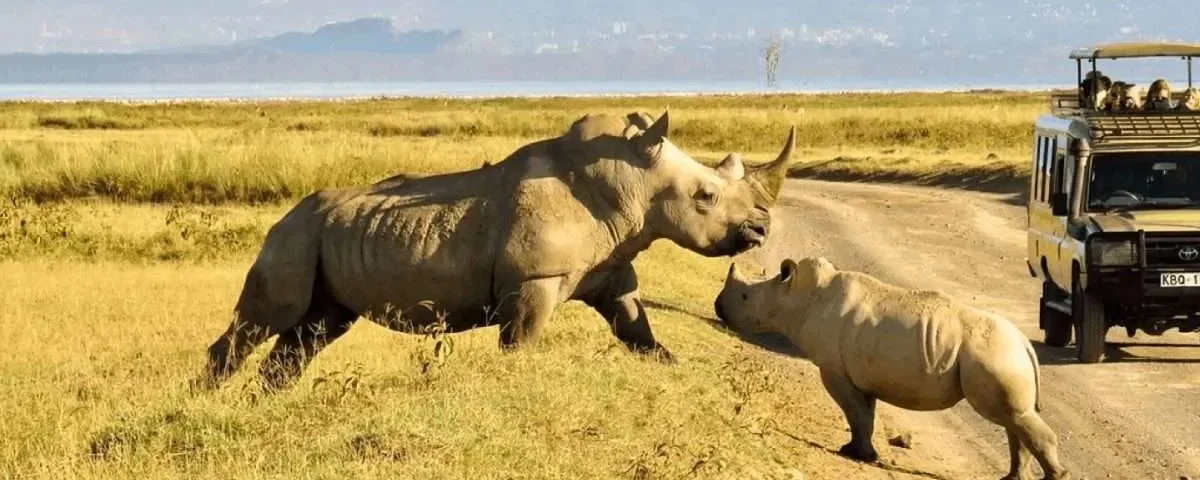
What Are Conservancy Safaris in Kenya?
Kenya conservancy safaris offer travelers a deeper and more meaningful way to experience Africa’s wildlife, landscapes, and local communities. Unlike traditional safari experiences that mainly take place inside national parks, conservancies provide a private and community-focused approach to wildlife tourism. These protected areas combine conservation, responsible travel, and unforgettable adventures while creating benefits for both nature and people.
Across Kenya, conservancies have become important destinations for travelers who want more than just seeing animals. They allow visitors to connect with the environment, learn about conservation efforts, and experience the culture of communities that protect these natural areas. From the open plains of the Maasai Mara region to the wild landscapes of northern Kenya, conservancies provide unique opportunities to observe elephants, lions, giraffes, rhinos, and many other species in less crowded settings.
Today, many travelers search for authentic African experiences that support sustainability. Kenya conservancy safaris meet this demand by protecting wildlife habitats while supporting local livelihoods. They represent a new generation of tourism where adventure and responsibility work together.
For travelers planning an African safari, understanding conservancies helps create a better journey. These destinations provide exclusive wildlife encounters, expert-guided activities, and opportunities to contribute directly to conservation. Therefore, a conservancy safari in Kenya is not only a holiday experience but also a chance to become part of a larger effort to protect Africa’s natural heritage.
Combined Uganda, Kenya, Rwanda and Tanzania Safaris
17 days Kenya Tanzania and Uganda safari
19 Days Uganda Kenya and Tanzania Safari
16 Days Kenya Tanzania and Uganda Safari
14 Days Kenya Uganda and Tanzania Safari
14 Days Kenya Uganda and Rwanda Safari
12 Day Gorilla Trekking and Tanzania Safari
Understanding the Meaning of a Conservancy Safari in Kenya
A conservancy safari in Kenya takes place in privately managed or community-owned wildlife areas that exist alongside traditional national parks and reserves. These areas protect wildlife habitats while allowing carefully managed tourism activities. Conservancies focus on maintaining a healthy balance between people, animals, and the environment.
Unlike busy wildlife parks where many vehicles gather around popular animal sightings, conservancies usually limit visitor numbers. As a result, travelers enjoy quieter game drives and more personal experiences. Guests often spend more time observing animal behavior without large crowds affecting the natural environment.
Kenya’s conservancies operate through partnerships between landowners, conservation organizations, tourism operators, and local communities. Many conservancies provide financial benefits to landowners who dedicate their land to wildlife protection. This approach creates a strong connection between conservation and community development.
A conservancy safari also introduces travelers to activities that are sometimes restricted in national parks. Visitors may enjoy guided walking safaris, night game drives, horseback adventures, and cultural experiences with local communities. These activities create a closer relationship between travelers and the African wilderness.
Furthermore, conservancies support scientific research, wildlife monitoring, and anti-poaching programs. They help protect endangered species while preserving important ecosystems. Therefore, choosing a conservancy safari allows travelers to explore Kenya’s beauty while supporting long-term conservation goals.
How Kenya Conservancies Support Wildlife Conservation
Wildlife conservation remains one of the biggest reasons why Kenya conservancies continue to grow in importance. These protected areas create safe spaces where animals can move freely, reproduce, and maintain natural behaviors. They also protect important migration routes and habitats that wildlife depends on throughout the year.
Many conservancies focus on protecting threatened species such as elephants, rhinos, lions, and wild dogs. Conservation teams monitor animal populations, track movements, and respond to challenges such as human-wildlife conflict. These efforts help maintain healthy ecosystems and protect Kenya’s incredible biodiversity.
Additionally, conservancies reduce pressure on national parks by spreading tourism across different areas. When fewer vehicles concentrate in one location, animals experience less disturbance. This creates a more natural environment where visitors can observe wildlife behaving normally.
Another important contribution involves anti-poaching programs. Many conservancies employ trained rangers who patrol protected areas and protect wildlife from illegal activities. These rangers play a critical role in keeping Kenya’s animals safe.
Moreover, conservancies encourage responsible tourism practices. Many lodges and camps within conservancies follow environmentally friendly methods, including renewable energy use, waste reduction, and water conservation. These actions reduce tourism’s environmental impact.
By choosing a conservancy safari, travelers directly support a model of tourism that protects wildlife for future generations. Every visit contributes to conservation programs and strengthens the relationship between communities and nature.
The Difference Between Conservancy Safaris and National Park Safaris
Kenya offers both national park safaris and conservancy safaris, and each experience provides unique advantages. Understanding the differences helps travelers choose the right adventure based on their interests and expectations.
National parks such as Maasai Mara National Reserve, Amboseli National Park, and Tsavo National Parks offer incredible wildlife viewing opportunities. These protected areas cover large landscapes and provide access to some of Africa’s most famous safari experiences. However, they often attract many visitors, especially during peak travel seasons.
Conservancy safaris provide a more exclusive and flexible experience. Since conservancies usually limit the number of visitors, travelers enjoy quieter surroundings and personalized wildlife encounters. Guides can spend more time at animal sightings because fewer vehicles compete for viewing space.
Another major difference involves safari activities. National parks usually restrict activities to daytime game drives on designated roads. In contrast, conservancies often allow walking safaris, night drives, and off-road experiences under professional guidance.
Conservancies also create stronger community connections. Many national parks operate separately from nearby communities, while conservancies often involve local landowners directly. This creates financial opportunities through tourism and encourages communities to protect wildlife.
Both options provide memorable experiences. However, travelers seeking privacy, sustainability, and deeper cultural connections often prefer conservancy safaris. They provide a more personal way to discover Kenya’s wilderness.
The Best Regions for Conservancy Safaris in Kenya
Kenya has several outstanding regions where travelers can experience exceptional conservancy safaris. Each destination offers unique landscapes, wildlife species, and cultural experiences.
The Maasai Mara region remains one of the most popular areas for conservancy tourism. Surrounding the famous Maasai Mara ecosystem, several conservancies protect important wildlife corridors and provide excellent opportunities to see lions, elephants, cheetahs, and the annual wildebeest migration. These areas combine spectacular scenery with fewer crowds.
Northern Kenya also offers remarkable conservancy experiences. Regions such as Laikipia provide dramatic landscapes, including mountains, grasslands, and dry wilderness areas. Laikipia conservancies protect endangered species such as Grevy’s zebra, African wild dogs, and black rhinos. They also offer unique activities such as camel safaris and cultural visits.
The Amboseli region provides another unforgettable experience. Located near Mount Kilimanjaro, conservancies around this area offer breathtaking views and excellent elephant encounters. Travelers can enjoy peaceful wildlife experiences while supporting local conservation initiatives.
Additionally, coastal areas in Kenya feature conservancies that protect forests, marine environments, and unique ecosystems. These destinations allow visitors to combine wildlife adventures with beach experiences.
Each conservancy region provides something different. Therefore, travelers can select destinations based on their interests, whether they prefer big cats, elephants, rare species, cultural experiences, or peaceful wilderness.
Unique Experiences You Can Enjoy During a Kenya Conservancy Safari
One of the greatest advantages of a conservancy safari is the variety of experiences available. These activities allow travelers to explore Kenya’s wilderness in ways that go beyond traditional game drives.
Walking safaris provide an opportunity to discover the smaller details of nature. Expert guides explain animal tracks, plants, insects, and survival techniques used by wildlife. This creates a deeper understanding of the ecosystem.
Night game drives offer another exciting adventure. Many animals become active after sunset, including predators such as lions and leopards. With professional guides using specialized equipment, visitors can observe behaviors that remain hidden during the day.
Cultural experiences also form an important part of conservancy tourism. Many conservancies work closely with local communities, allowing travelers to learn about traditional lifestyles, customs, and conservation practices. These interactions create meaningful connections between visitors and local people.
Furthermore, some conservancies provide horseback safaris, photography tours, and birdwatching experiences. These activities allow guests to explore nature at a slower pace while enjoying incredible scenery.
Luxury camps within conservancies also create unforgettable stays. Many accommodations combine comfort with sustainability, offering beautiful views, excellent service, and environmentally responsible operations.
A conservancy safari creates memories because it combines adventure, education, culture, and conservation. Every activity provides a new way to experience Kenya’s wilderness.
How Conservancy Safaris Benefit Local Communities in Kenya
Community involvement forms the foundation of successful conservancy tourism in Kenya. Many conservancies operate because local landowners choose to protect wildlife habitats instead of using land only for traditional activities.
Through conservancies, communities receive income from tourism partnerships. This revenue supports education programs, healthcare projects, employment opportunities, and local development initiatives. As a result, wildlife conservation becomes valuable to communities.
Employment opportunities also increase through conservancy tourism. Local people work as guides, rangers, hospitality staff, drivers, and conservation specialists. These jobs create stable sources of income while encouraging communities to protect natural resources.
Additionally, conservancies help reduce human wildlife conflict. Conservation programs provide solutions that allow people and animals to share landscapes more safely. For example, communities can receive support for protecting livestock and managing wildlife encounters.
Cultural preservation is another important benefit. Many conservancies promote respectful cultural tourism that allows communities to share traditions while maintaining their identity.
When travelers visit conservancies, they contribute to a tourism model that supports both wildlife and people. This creates a positive cycle where conservation creates opportunities, and communities continue protecting nature.
Why Choose a Conservancy Safari for Your Kenya Adventure
Choosing a conservancy safari in Kenya allows travelers to experience the country in a more responsible, authentic, and impactful way. Modern travelers increasingly value experiences that create positive change, and conservancies provide exactly that opportunity.
A conservancy safari offers privacy, expert guidance, and unique activities such as walking safaris, cultural interactions, and conservation learning. Instead of simply viewing wildlife from a vehicle, visitors become part of the environment, creating unforgettable memories.
Every booking directly supports conservation programs, ranger operations, and community projects. This means travelers actively contribute to protecting Africa’s wildlife while enjoying their adventure. With trusted operators like Giant Holiday Safaris, guests benefit from carefully curated itineraries that balance luxury, culture, and conservation.
Conservancies also provide excellent opportunities for photographers, families, and nature lovers. The smaller number of visitors creates a relaxed atmosphere where guests can appreciate nature without distractions.
Ultimately, conservancy safaris represent the future of responsible tourism in Africa. They protect wildlife, empower communities, and give travelers meaningful experiences. By choosing a conservancy safari in Kenya especially with Giant Holiday Safaris visitors become part of a movement that safeguards Africa’s wilderness for generations to come.