What Are Conservancy Safaris in Kenya?
July 24, 2026
What birds can you see on Kenya safari?
July 24, 2026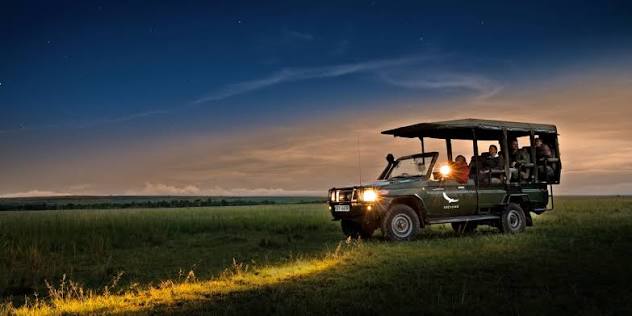
Are Night Safaris Allowed in Kenya?
Kenya is one of Africa’s most famous safari destinations, offering incredible wildlife encounters, diverse landscapes, and unforgettable travel experiences. Many travelers dream of seeing lions, elephants, leopards, and other wild animals under the golden African sunset. However, one common question among visitors planning a Kenya safari is: Are night safaris allowed in Kenya?
The answer is yes, but night safaris follow specific rules and operate only in selected areas. Unlike daytime game drives, where visitors explore national parks freely during official opening hours, night safaris require special permission and usually take place in private conservancies, wildlife reserves, and selected safari camps. These experiences give travelers a rare opportunity to discover the hidden activities of nocturnal animals that remain unseen during the day.
Night safaris add a completely different dimension to wildlife exploration. Many predators become more active after sunset, while smaller creatures such as bush babies, owls, civets, and other nocturnal species appear from their daytime hiding places. With the help of experienced guides, powerful spotlights, and strict conservation practices, travelers can safely experience Kenya’s wilderness after dark.
For international visitors seeking a deeper connection with Africa’s natural world, a night safari provides more than wildlife viewing. It creates an immersive adventure that highlights Kenya’s commitment to conservation, responsible tourism, and authentic travel experiences. Understanding where night safaris operate, how they work, and what travelers should expect helps visitors plan a safe and memorable Kenyan safari.
Combined Uganda, Kenya, Rwanda and Tanzania Safaris
17 days Kenya Tanzania and Uganda safari
19 Days Uganda Kenya and Tanzania Safari
16 Days Kenya Tanzania and Uganda Safari
14 Days Kenya Uganda and Tanzania Safari
14 Days Kenya Uganda and Rwanda Safari
12 Day Gorilla Trekking and Tanzania Safari
Understanding Night Safaris in Kenya
Night safaris in Kenya offer travelers a chance to explore the wilderness when the landscape transforms into a completely different environment. During the day, many animals depend on sunlight to hunt, feed, and move across open areas. However, after darkness arrives, the behavior of wildlife changes dramatically. Nocturnal animals become active, predators start hunting, and the sounds of the African bush create a unique atmosphere.
Kenya allows night safaris mainly in private conservancies and selected wildlife areas rather than most government-managed national parks. The Kenya Wildlife Service manages many national parks with strict schedules that limit visitor activities to daytime hours. These regulations protect wildlife, reduce disturbance, and support conservation goals.
Private conservancies provide more flexibility because they work closely with local communities, conservation organizations, and safari operators. These areas create opportunities for visitors to experience activities that may not operate inside traditional parks. As a result, many luxury safari destinations and eco-friendly camps include night drives as part of their adventure packages.
A night safari usually involves traveling in an open safari vehicle with a trained guide and a spotter who uses a spotlight to locate animals. The experience focuses on observation rather than chasing wildlife. Responsible operators maintain safe distances, avoid disturbing animals, and follow conservation guidelines.
For travelers, the biggest attraction of a night safari is the unpredictability. Every drive feels different because animals follow natural patterns that change depending on weather, seasons, and environmental conditions.
Where Can You Experience Night Safaris in Kenya?
Although Kenya’s national parks often restrict driving after sunset, several private conservancies and safari destinations provide excellent night safari opportunities. These locations offer visitors a more exclusive and flexible way to experience Kenya’s wildlife.
The Maasai Mara region remains one of the most popular safari destinations in Kenya. While the main Maasai Mara National Reserve follows official park regulations, surrounding private conservancies often allow night drives. Areas such as Mara North Conservancy, Olare Motorogi Conservancy, and other nearby conservancies provide opportunities to explore the wilderness after dark with professional guides.
The Laikipia region in central Kenya also offers outstanding night safari experiences. This area combines wildlife conservation, community projects, and unique landscapes. Private reserves in Laikipia protect important species such as elephants, lions, rhinos, and endangered wild dogs. Night drives in this region often provide sightings of predators and smaller nocturnal animals.
The Amboseli ecosystem also offers private safari experiences near the famous views of Mount Kilimanjaro. Although Amboseli National Park has controlled visiting hours, nearby private properties may provide additional activities, including night wildlife experiences.
Additionally, some safari lodges and camps in Tsavo, Samburu, and other wildlife regions organize night activities depending on their location and permits. Travelers should always confirm availability with their chosen accommodation before booking.
Choosing a private conservancy gives visitors several advantages, including fewer vehicles, experienced guides, flexible schedules, and a stronger focus on conservation-based tourism.
What Animals Can You See During a Night Safari?
A night safari reveals a different side of Kenya’s wildlife. Many animals that appear during the day behave differently after sunset, while some species only become visible once darkness covers the landscape.
One of the biggest attractions of night drives is spotting predators. Lions often become more active during cooler nighttime hours, especially after spending much of the day resting. Leopards, known for their secretive behavior, also become easier to find because they prefer moving and hunting under the cover of darkness. Hyenas, jackals, and other carnivores may also appear during nighttime exploration.
However, predators are not the only highlights. Night safaris introduce travelers to fascinating smaller creatures that many visitors never notice during regular game drives. Bush babies jump between trees, porcupines search for food, and owls silently move through the night sky. Visitors may also encounter genets, civets, and other unique African species.
The experience also reveals interesting animal behaviors. Some herbivores become more alert, while others move closer to open areas where they can feed safely. Elephants, giraffes, zebras, and antelopes may still appear during evening drives depending on the location.
A skilled guide plays an important role in identifying wildlife. Guides understand animal movements, recognize sounds, and use their knowledge of the environment to create meaningful encounters.
Ultimately, a night safari does not replace a daytime game drive. Instead, it complements the traditional safari experience by showing visitors another chapter of Kenya’s incredible natural story.
Are Night Safaris Safe in Kenya?
Safety remains a major concern for many travelers considering a night safari. Fortunately, professionally organized night safaris in Kenya provide a safe and controlled environment when visitors follow the guidance of experienced safari teams.
Safari guides receive specialized training in wildlife behavior, navigation, and conservation practices. They understand how animals react to vehicles and know how to maintain safe distances during encounters. Professional drivers also use specially equipped safari vehicles designed for outdoor conditions.
During a night safari, visitors must remain inside the vehicle unless the guide allows them to leave at designated safe locations. Walking near wildlife without trained guides creates unnecessary risks because many animals become more active after dark.
Furthermore, responsible safari companies follow strict rules to protect both visitors and wildlife. They avoid sudden movements, loud noises, and aggressive spotlight use that could disturb animals. These practices create a respectful relationship between tourism and nature.
Travelers can improve their safety by choosing licensed operators, following guide instructions, wearing appropriate clothing, and carrying essential items such as insect protection and warm layers. Night temperatures in some Kenyan regions can drop significantly after sunset.
When properly organized, a night safari becomes one of the safest and most rewarding ways to experience Kenya’s wilderness. The combination of expert guidance, conservation awareness, and responsible behavior allows visitors to enjoy the beauty of Africa after dark.
Why Choose a Night Safari During Your Kenya Holiday?
A night safari provides a unique experience that goes beyond traditional wildlife viewing. Many travelers visit Kenya hoping to see the famous Big Five, but a night safari creates opportunities to discover a completely different side of the ecosystem.
First, night safaris offer a more intimate connection with nature. The absence of large crowds and the peaceful atmosphere of the African night create a powerful experience. Visitors often describe the sounds of the wilderness, including animal calls and insects, as one of the most memorable parts of the journey.
Additionally, night safaris support conservation-focused tourism. Many private conservancies depend on tourism revenue to protect habitats, support local communities, and fund wildlife protection programs. By choosing responsible safari experiences, travelers contribute directly to the survival of Kenya’s natural heritage.
Night safaris also provide excellent opportunities for photographers and wildlife enthusiasts. The challenge of capturing animals in low light creates a rewarding experience for those interested in nature photography. Even without professional equipment, witnessing rare nighttime behaviors creates unforgettable memories.
Moreover, adding a night safari creates variety within a Kenya itinerary. Travelers can combine traditional morning and afternoon game drives with an evening adventure that reveals new species and behaviors.
For visitors searching for authentic African experiences, a night safari represents adventure, discovery, and a deeper understanding of Kenya’s wildlife.
Best Tips for Planning a Night Safari in Kenya
Planning a successful night safari requires choosing the right destination, operator, and season. Since night drives do not operate everywhere, travelers should research their safari location before making reservations.
The first step involves selecting accommodation that offers night safari experiences. Private conservancies and certain safari camps usually provide the best options because they have permission to conduct activities after sunset. Travelers should confirm availability before arrival to avoid disappointment.
Choosing an experienced safari company also makes a significant difference. Professional guides improve the quality of the experience because they understand wildlife behavior and know the best areas for sightings. Reliable operators also prioritize conservation and visitor safety.
Travelers should pack suitable clothing for evening conditions. Lightweight layers work well because temperatures can change quickly. A warm jacket, comfortable shoes, insect repellent, and a camera with good low-light performance can improve the experience.
Furthermore, visitors should maintain realistic expectations. Wildlife sightings cannot be guaranteed because animals move freely in their natural environment. However, the mystery and unpredictability make night safaris exciting.
The best time for a night safari often depends on location and weather conditions. Dry seasons may make wildlife easier to locate because animals gather around limited water sources, although every season offers unique experiences.
With proper planning, a night safari can become one of the highlights of a Kenya adventure.
Night Safaris and Responsible Tourism in Kenya
Responsible tourism plays an important role in protecting Kenya’s wildlife and natural landscapes. Night safaris demonstrate how tourism activities can create meaningful experiences while supporting conservation efforts.
Private conservancies that offer night drives often work closely with local communities. Tourism creates employment opportunities for guides, drivers, hospitality workers, and conservation teams. These benefits encourage communities to protect wildlife habitats because nature becomes a valuable resource.
Additionally, responsible night safari operators follow ethical wildlife practices. They avoid interfering with animal behavior and focus on observation rather than entertainment. This approach helps maintain healthy ecosystems and protects wildlife populations.
Night safaris also educate visitors about the importance of conservation. Seeing animals in their natural environment helps travelers understand the challenges facing African wildlife, including habitat loss and human-wildlife conflicts.
Kenya’s tourism industry continues to grow because visitors increasingly seek meaningful and sustainable experiences. A well-managed night safari represents the future of wildlife tourism by combining adventure with environmental responsibility.
When travelers choose ethical safari providers, they become part of a larger conservation story. Their visits help support the protection of Kenya’s landscapes for future generations.
Final Thoughts: Are Night Safaris Worth Experiencing in Kenya?
Yes, night safaris are worth experiencing in Kenya, especially for travelers seeking a deeper and more adventurous connection with Africa’s wilderness. While they are not available in every national park, private conservancies and selected safari destinations provide incredible opportunities to explore the bush after sunset.
A night safari reveals behaviors hidden during daylight hours: predators becoming active, nocturnal species emerging, and the wilderness alive with mysterious sounds. More importantly, these experiences support responsible tourism, contributing to conservation programs and local communities.
Kenya continues to stand as one of Africa’s leading safari destinations because it combines breathtaking landscapes, remarkable wildlife, and unforgettable travel experiences. Adding a night safari enriches any itinerary, offering a fuller understanding of the country’s natural beauty.
For international travelers seeking authenticity, adventure, and meaningful exploration, a Kenyan night safari transforms a traditional safari into a complete journey through the sights, sounds, and mysteries of Africa after dark.