Are Children Allowed on Safari in Tanzania
July 25, 2026
What Activities Can Kids Do on Safari
July 25, 2026
Which Safari Parks Are Best for Families
Choosing which safari parks are best for families can make a major difference to the quality of your African holiday. Tanzania offers an impressive range of wildlife destinations, but each park provides a different experience. Some parks work well for families because they offer shorter game drives, easy access, comfortable lodges, and a wide variety of wildlife. Others suit families with older children who can manage longer journeys and more adventurous activities.
For many families, the best safari does not simply mean visiting the park with the largest number of animals. Instead, parents should consider the entire travel experience. Children need enough time to rest, interesting activities, comfortable accommodation, and a safari schedule that does not feel rushed. Fortunately, Tanzania allows families to create flexible itineraries that combine wildlife viewing with relaxation and cultural experiences.
Northern Tanzania often provides an excellent starting point for families visiting Africa for the first time. Destinations such as Tarangire National Park, Lake Manyara National Park, the Ngorongoro Conservation Area, and Serengeti National Park each offer something different.
Therefore, when deciding which safari parks are best for families, consider your children’s ages, interests, travel time, and comfort. The right combination can create an exciting family adventure that everyone remembers for years.
Combined Uganda, Kenya, Rwanda and Tanzania Safaris
17 days Kenya Tanzania and Uganda safari
19 Days Uganda Kenya and Tanzania Safari
16 Days Kenya Tanzania and Uganda Safari
14 Days Kenya Uganda and Tanzania Safari
14 Days Kenya Uganda and Rwanda Safari
12 Day Gorilla Trekking and Tanzania Safari
Why Choosing the Right Safari Park Matters for Families
The choice of safari park can shape the entire family experience. While adults may happily spend many hours traveling between destinations, younger children often need a slower pace. Therefore, families should select parks that match their children’s energy levels and interests.
A well chosen safari park can reduce long driving times while increasing opportunities for wildlife viewing. This balance helps children stay engaged and gives parents more time to enjoy the experience.
Families should also consider the type of wildlife they hope to see. Some parks offer excellent opportunities to observe elephants, while others provide stronger chances of seeing large predator populations. Meanwhile, some destinations combine wildlife with beautiful landscapes, birdwatching, or cultural experiences.
Accessibility also matters. Parks that fit naturally into a practical safari route can reduce unnecessary travel. This becomes especially important when families travel with young children.
Accommodation plays another major role. A family friendly lodge can provide spacious rooms, swimming pools, suitable meals, and activities for children. These features can help children relax after game drives.
Ultimately, the best safari park for a family depends on more than wildlife. It should fit the family’s schedule, interests, ages, budget, and preferred travel style. Careful planning allows parents to create a journey that feels exciting without becoming exhausting.
Tarangire National Park: One of the Best Parks for Family Safaris
Tarangire National Park often ranks among the best safari parks for families,. The park offers beautiful scenery, impressive elephant populations, and a rich variety of wildlife. Its famous baobab trees create a dramatic setting that can make the safari feel truly African from the moment the journey begins.
Children often enjoy Tarangire because wildlife sightings can provide plenty of excitement. Elephants may move through the grasslands, while giraffes, zebras, wildebeest, buffaloes, and other animals add variety to game drives.
The park also provides an excellent opportunity for children to learn about how animals depend on water. During the dry season, wildlife often gathers around remaining water sources, creating interesting viewing opportunities.
Tarangire can also work well as part of a northern Tanzania itinerary. Families can combine it with Lake Manyara, Ngorongoro, and Serengeti, depending on the length of their trip.
Parents should still consider the age of their children and the time of year. Wildlife movements change with the seasons, so the experience may differ depending on when the family travels.
For families who want a strong introduction to Tanzania’s wildlife without immediately committing to long drives across remote areas, Tarangire provides an excellent starting point.
Lake Manyara National Park: A Great Choice for Variety
Lake Manyara National Park offers families a different safari experience because of its varied landscapes. The park features forests, open areas, wetlands, and the lake itself. This diversity gives children plenty to observe during a game drive.
The park supports a wide range of wildlife, including elephants, giraffes, zebras, buffaloes, and various antelope species. Families can also enjoy birdwatching because the area attracts many bird species.
For children, the changing scenery can make the safari feel more dynamic. Instead of traveling through one type of landscape for hours, families can experience forests and open plains within the same destination.
Lake Manyara can also fit well into a northern Tanzania safari route. Families may visit the park before continuing toward the Ngorongoro Conservation Area or other destinations.
However, parents should keep expectations realistic. Wildlife sightings can change with the season, and no park can guarantee a specific animal encounter.
The park’s greatest strength for families lies in its variety. Children can learn that African ecosystems include more than open grasslands. Forests, lakes, wetlands, and woodlands all support different forms of life.
For families seeking a diverse introduction to Tanzania’s natural environment, Lake Manyara can provide an engaging and educational experience.
Ngorongoro Conservation Area: An Incredible Family Wildlife Experience
The Ngorongoro Conservation Area offers one of Tanzania’s most memorable wildlife experiences. The famous Ngorongoro Crater provides a dramatic landscape where families can explore a concentrated wildlife environment making it among the best safari parks for families,.
The crater’s scenery alone can impress children and adults. The steep walls create a natural setting that feels different from the open plains of the Serengeti.
Families may encounter elephants, buffaloes, zebras, wildebeest, hippos, and several predator species during a game drive. The variety of wildlife can keep children interested, especially when guides explain how animals interact within the ecosystem.
The area also provides opportunities for families to learn about the relationship between wildlife conservation and local communities. This broader perspective can help older children understand that protecting nature involves both animals and people.
However, families should remember that the crater environment can become busy during peak travel periods. Parents who prefer a quieter experience may want to discuss timing and itinerary options with their safari company.
The Ngorongoro Conservation Area can work especially well for families who want a destination that combines dramatic scenery, wildlife, and educational value.
It often becomes one of the highlights of a northern Tanzania safari and can complement other destinations beautifully.
Serengeti National Park: Best for Families Seeking Iconic Wildlife
Serengeti National Park remains one of the most famous safari destinations in Africa, and it can provide an extraordinary family adventure thus one of the best safari parks for families, . The park’s vast plains offer opportunities to see lions, cheetahs, leopards, elephants, giraffes, zebras, wildebeest, and many other species.
For older children and teenagers, the Serengeti can become an exciting wildlife classroom. They can learn how predators hunt, how herbivores move across the plains, and how seasonal changes influence animal behavior.
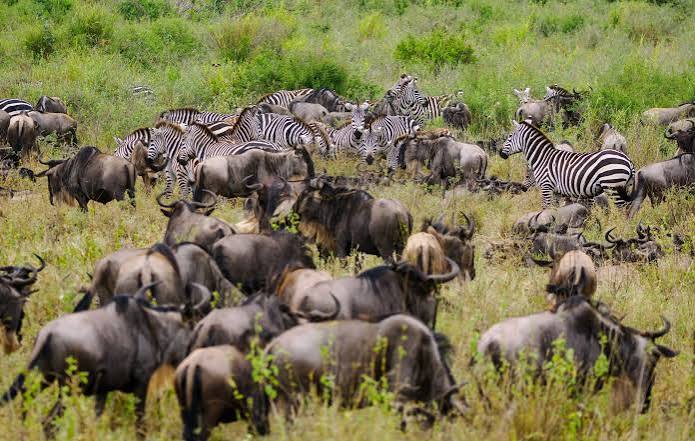
The park also forms part of the Great Migration ecosystem. Depending on the timing and location of the journey, families may witness large herds moving across the landscape.
However, the Serengeti covers a huge area, so families should plan carefully. Traveling from one part of the park to another can require significant time. Parents with young children may prefer to focus on one area rather than attempting to cover the entire park.
Accommodation choices also vary widely, from comfortable lodges to mobile camps. Families should consider the age restrictions and facilities of each property.
The Serengeti works particularly well for families who want a classic African safari experience. With a carefully designed itinerary, it can provide unforgettable wildlife encounters without making the journey unnecessarily tiring.
Which Safari Park Is Best for Families With Young Children?
Families traveling with young children should usually prioritize parks that allow a comfortable travel rhythm. Shorter driving distances, accessible accommodation, and flexible schedules can make a major difference.
Tarangire and Lake Manyara often work well within a family itinerary because they can fit naturally into northern Tanzania routes. Ngorongoro can also provide a memorable wildlife experience, although families should consider the early morning start and travel conditions.
The most important factor involves avoiding an itinerary that tries to cover too much ground. Young children may struggle when every day involves several hours of driving and frequent accommodation changes.
Parents should instead focus on quality over quantity. Spending more time in fewer destinations can create a better experience than rushing through many parks.
Accommodation also deserves careful attention. Families should look for properties that provide suitable rooms, child friendly meals, and enough space for children to relax.
Parents should also ask about age restrictions before booking specialized activities.
The best park for young children is therefore not always the park with the most famous wildlife. Instead, it is the destination that allows children to explore comfortably while giving parents enough flexibility to enjoy the journey.
Which Safari Parks Are Best for Families With Teenagers?
Teenagers often have different interests from younger children. They may want more adventure, photography opportunities, cultural experiences, and deeper wildlife knowledge.
For these travelers, the Serengeti can provide an excellent experience. Teenagers can explore predator behavior, learn about the Great Migration, and develop an interest in wildlife photography.
Ngorongoro also offers educational value. The combination of geology, wildlife, conservation, and human history can provide meaningful learning opportunities.
Tarangire can appeal to teenagers interested in elephants and photography. The park’s landscapes and large baobab trees create excellent opportunities for capturing memorable images.
Older children may also enjoy longer game drives than younger travelers. However, parents should still avoid creating an exhausting schedule.
A skilled guide can make a major difference. Teenagers often engage more deeply when guides encourage questions and explain the reasons behind animal behavior.
Families can also consider adding cultural activities to the itinerary. Learning about local communities can give teenagers a broader understanding of Tanzania.
For families with teenagers, the best safari park combines wildlife with opportunities to learn, explore, photograph, and ask questions.
Which Tanzania Safari Parks Are Best for Wildlife Viewing?
Wildlife viewing remains one of the main reasons families visit Tanzania. Fortunately, the country offers several destinations with excellent opportunities to observe animals.
The Serengeti provides outstanding wildlife diversity and supports large populations of predators and herbivores. It also forms part of the ecosystem associated with the Great Migration.
Ngorongoro offers a concentrated wildlife experience within the crater. This can appeal to families who want to see different species during a relatively focused game drive.
Tarangire stands out for elephants and offers a beautiful landscape filled with iconic baobab trees. The park can provide particularly memorable encounters during periods when wildlife gathers around water sources.
Lake Manyara adds variety with forests, wetlands, and abundant birdlife.
Rather than choosing a single park based only on reputation, families should consider combining destinations. A multi park itinerary can introduce children to different ecosystems and animal species.
Season also influences wildlife viewing. Animal movements change throughout the year, so families should consider travel dates when selecting destinations.
The best wildlife safari for a family combines good animal viewing with a comfortable travel schedule. This approach helps children enjoy the experience while giving parents the chance to appreciate Tanzania’s incredible biodiversity.
How Long Should a Family Safari Last?
The ideal length of a family safari depends on the children’s ages and the number of parks the family wants to visit. However, families should avoid creating an itinerary that feels rushed.
A shorter safari can focus on two or three destinations. This approach may work well for younger children because it limits long drives and frequent changes in accommodation.
Families with older children may enjoy a longer journey that includes the Serengeti. Additional time allows travelers to explore more areas and experience different wildlife habitats.
Parents should also include rest periods. Children may appreciate time at the lodge to swim, relax, or enjoy a quiet afternoon.
A seven day itinerary, for example, can provide enough time to combine several northern Tanzania destinations without making every day feel like a race.
However, the exact number of days matters less than the pace. Families should prioritize meaningful experiences over collecting destinations.
A well designed itinerary gives children time to enjoy each location. It also allows parents to slow down and appreciate the landscape.
Therefore, when deciding which safari parks are best for families, consider how much time you have and how many destinations your family can comfortably enjoy.
How Can Families Choose Family Friendly Safari Accommodation?
Accommodation can significantly influence how much children enjoy a safari. After a long game drive, families need comfortable places where everyone can rest and recharge.
Parents should look for properties that offer family rooms, interconnected rooms, or private spaces when available. These options can make sleeping arrangements easier.
Meal choices also matter. Families should ask whether the accommodation can provide suitable meals for children and manage dietary requirements.
Swimming pools can provide another advantage. Children often enjoy swimming after a game drive, especially when they need a break from sitting in a vehicle.
Parents should also check age restrictions. Some camps do not accept very young children because of their remote locations or wildlife safety considerations.
Location matters as well. Staying near a park entrance or wildlife area can reduce unnecessary driving.
Families should also consider the atmosphere of the property. Some parents prefer lively lodges with family activities, while others may prefer quiet camps with a more intimate setting.
Giant Holiday Safaris can help families compare accommodation options based on children’s ages, travel style, and budget.
The best family accommodation combines safety, comfort, location, and suitable facilities. Choosing carefully can turn a good safari into an exceptional family holiday.
How Much Does a Family Safari in Tanzania Cost?
The cost of a family safari depends on several factors, including travel dates, accommodation, transportation, park fees, safari duration, and the number of travelers.
Families can often manage costs by choosing an efficient itinerary and avoiding unnecessary travel between distant destinations. Traveling during quieter periods may also provide more affordable accommodation options.
However, families should avoid focusing only on the cheapest possible price. A safari with children requires reliable transportation, suitable accommodation, experienced guiding, and careful planning.
Private safaris can provide greater flexibility because families control their schedules. Although they may cost more, the flexibility can prove valuable when traveling with children.
Shared safaris can reduce costs but usually follow fixed schedules. Families should consider whether their children can comfortably follow the group’s timetable.
Parents should also request a clear quotation that explains what the price includes. Transportation, accommodation, meals, park fees, and guiding can all influence the final cost.
Additional expenses may include tips, drinks, visas, travel insurance, and personal purchases.
A transparent safari company should explain these costs before the family makes a booking.
Ultimately, the best value comes from balancing price with safety, comfort, quality, and the overall experience.
Should Families Choose a Private or Group Safari?
Families often face a choice between private and group safaris. Both options can work, but the right choice depends on the family’s needs and budget.
Private safaris provide greater control over the schedule. Parents can discuss departure times with their guide and adjust the pace according to their children’s energy levels.
This flexibility can become especially valuable when traveling with young children. If a child becomes tired, the family may have more options to return to the lodge.
Private vehicles also allow families to focus on their interests. Children interested in elephants, birds, or photography can spend more time exploring those subjects.
Group safaris usually cost less, making them attractive for families with limited budgets. However, the group follows a shared schedule, so families have less control over the pace.
Parents should consider their children’s personalities before choosing. A child who becomes restless easily may benefit from a private safari.
For families with older children who enjoy social interaction, a group safari may also provide opportunities to meet other travelers.
The best choice depends on the family’s priorities. Parents should compare flexibility, cost, privacy, and comfort before deciding.
How Can Families Keep Children Engaged During Safari?
Keeping children interested can make a major difference to the success of a family safari. Fortunately, Tanzania offers countless opportunities for learning and discovery.
Parents can encourage children to keep wildlife journals where they record animals they see. Older children may enjoy taking photographs or documenting the landscape.
Guides can also involve children in simple observation games. For example, children can search for specific animals, identify birds, or look for animal tracks.
Parents should avoid turning every game drive into a lesson. Children need time to enjoy the experience naturally.
Cultural activities can add variety. Depending on the itinerary and local arrangements, families may learn about traditional crafts, food, music, or community life.
Some accommodations also offer suitable activities for children.
The key involves creating a balance between structured learning and free exploration.
Children often remember small moments as much as major wildlife sightings. Watching a sunset, seeing an elephant for the first time, or listening to birds at dawn can become powerful memories.
When families give children space to experience Tanzania at their own pace, the safari becomes more personal and meaningful.
How Can Families Plan the Perfect Tanzania Safari?
Knowing which safari parks are best for families is only the beginning. The next step involves building an itinerary that matches your family’s needs, interests, and travel style.
Families with young children may prefer a route that includes Tarangire, Lake Manyara, and Ngorongoro. These destinations can provide varied wildlife experiences while keeping travel manageable.
Families with older children may add the Serengeti for a deeper wildlife adventure. The longer journey can become worthwhile when teenagers have the patience and interest to explore the vast ecosystem.
Parents should also consider the season. Wildlife movements change throughout the year, and travel dates can influence what families experience.
Accommodation requires equal attention. Choose properties that understand family needs and offer suitable rooms, meals, and activities.
Finally, work with a safari company that communicates clearly and understands family travel. A knowledgeable operator can help manage logistics and create a realistic schedule.
Giant Holiday Safaris can be part of the planning process by helping families explore different routes and safari styles according to their needs.
Ultimately, which safari parks are best for families depends on your children’s ages, interests, available time, and travel expectations. Tanzania offers enough variety to create a family safari that combines wildlife, education, adventure, and relaxation. With careful planning, the right destinations, and a comfortable pace, your family can experience the magic of Tanzania together and return home with stories that last a lifetime.