What Foods Should I Try in Kenya?
July 27, 2026
What Is Family Friendly Safari in Tanzania
July 27, 2026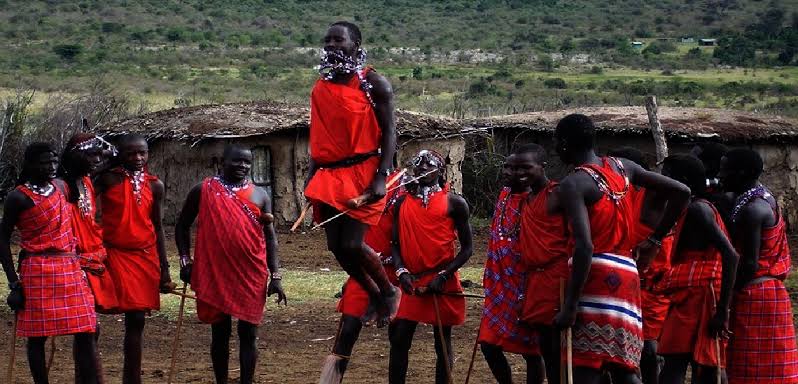
Are Cultural Tours Included in Kenya Safaris?
Are Cultural Tours Included in Kenya Safaris? Kenya stands among Africa’s most rewarding travel destinations because it offers much more than incredible wildlife. While many travelers picture thrilling game drives across the Masai Mara or elephants roaming beneath Mount Kilimanjaro, Kenya also opens the door to vibrant cultures, ancient traditions, colorful festivals, and authentic local experiences. A safari in Kenya often combines breathtaking wildlife encounters with meaningful opportunities to connect with the people who have called these landscapes home for generations.
Many visitors ask whether cultural tours are included in Kenya safaris. The answer depends on the safari package, tour operator, destination, and travel style. Some itineraries naturally include cultural visits, while others focus mainly on wildlife viewing. Fortunately, many safari companies now understand that travelers want a deeper connection with Kenya beyond spotting the Big Five. As a result, cultural experiences have become an important part of many safari packages.
A cultural tour allows visitors to experience Kenya through its people, customs, music, food, traditional homes, local crafts, storytelling, and everyday life. Instead of simply observing wildlife, travelers gain a better understanding of how local communities coexist with nature and help protect Kenya’s remarkable ecosystems.
Whether you choose a luxury safari, family vacation, honeymoon, or budget adventure, adding cultural experiences can make your journey richer and more memorable.
Combined Uganda, Kenya, Rwanda and Tanzania Safaris
17 days Kenya Tanzania and Uganda safari
19 Days Uganda Kenya and Tanzania Safari
16 Days Kenya Tanzania and Uganda Safari
14 Days Kenya Uganda and Tanzania Safari
14 Days Kenya Uganda and Rwanda Safari
12 Day Gorilla Trekking and Tanzania Safari
What Is a Cultural Tour During a Kenya Safari?
A cultural tour is an organized visit that introduces travelers to the traditions, lifestyles, history, and heritage of Kenya’s diverse communities. Kenya is home to more than 40 ethnic groups, each with unique customs, languages, clothing, music, and cultural practices. These communities contribute greatly to the country’s identity and create unforgettable experiences for visitors.
Unlike museum visits, cultural tours focus on living traditions. Guests visit local villages, meet community members, learn traditional skills, enjoy local cuisine, and participate in cultural activities. Many tours also include storytelling sessions, traditional dances, music performances, craft demonstrations, and guided walks that explain local history and beliefs.
One of the biggest advantages of these tours is the opportunity to engage directly with local people. Visitors can ask questions, exchange ideas, and gain genuine insight into daily life in rural and urban Kenya. These interactions often become some of the most memorable moments of a safari because they create personal connections that wildlife viewing alone cannot provide.
Many community based tourism projects also support local development. Entrance fees often contribute to schools, healthcare, conservation projects, women’s groups, youth programs, and community businesses. As a result, cultural tourism benefits both visitors and local residents while helping preserve valuable traditions for future generations.
Are Cultural Tours Included in Most Kenya Safari Packages?
Many Kenya safari packages include at least one cultural experience, although the level of inclusion varies. Luxury safaris, private safaris, and customized itineraries frequently incorporate cultural visits because travelers increasingly seek immersive travel experiences. Budget safaris may offer these tours as optional activities that guests can add during the trip.
Some safari lodges partner directly with nearby communities to organize authentic cultural experiences. Instead of offering staged performances, these partnerships allow visitors to experience genuine daily life while supporting local livelihoods. This approach creates a more meaningful experience for everyone involved.
Group safaris often schedule cultural visits before or after game drives. This balance allows travelers to enjoy wildlife viewing while also learning about the communities that protect Kenya’s natural heritage. In many conservation areas, local people play a vital role in wildlife conservation, making these cultural encounters an important part of understanding Kenya’s tourism success.
Travelers should always review their itinerary before booking. Some packages include village visits, traditional performances, or community walks within the overall price. Others provide these experiences as optional excursions with separate fees. Reading the itinerary carefully helps avoid surprises and ensures the safari matches your travel interests.
Popular Cultural Communities You May Visit
Kenya’s rich cultural diversity offers countless opportunities for travelers to learn about different ways of life. While every community has its own traditions, several groups frequently welcome visitors through organized cultural tourism programs.
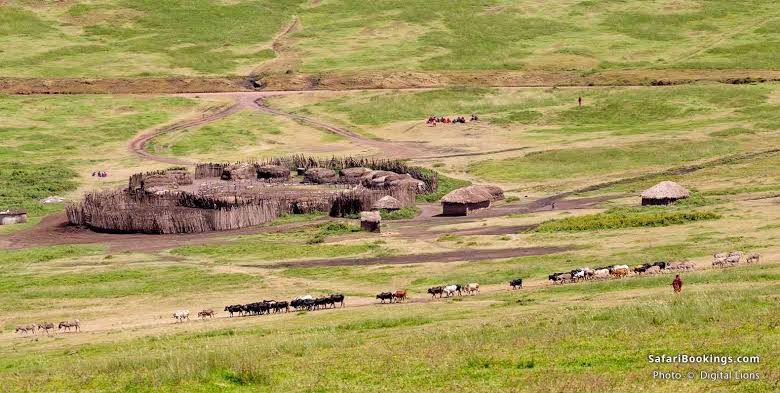
The Maasai people are perhaps Kenya’s most recognized cultural community. Known for their colorful clothing, beadwork, traditional jumping dances, and pastoral lifestyle, they live near many famous safari destinations including the Masai Mara and Amboseli. Visitors often tour traditional villages, learn about cattle keeping, explore local customs, and purchase handmade crafts directly from artisans.
The Samburu people, who live in northern Kenya, share certain similarities with the Maasai while maintaining their own unique traditions. Their colorful attire, jewelry, songs, and ceremonies provide fascinating cultural experiences that complement safaris in Samburu National Reserve.
The Turkana community offers insight into life in Kenya’s arid northern regions. Their traditions reflect generations of adapting to harsh environmental conditions while preserving a strong cultural identity.
The Swahili people along Kenya’s Indian Ocean coast introduce visitors to a completely different cultural experience. Their heritage combines African, Arab, Persian, and Indian influences, creating unique architecture, cuisine, language, and customs. Travelers visiting coastal destinations often enjoy guided cultural walks through historic towns alongside their wildlife adventures.
Each community offers a different perspective on Kenya’s remarkable cultural heritage, making every cultural tour unique.
What Can You Experience During Cultural Tours?
Cultural tours offer far more than simple sightseeing. They invite travelers to participate in meaningful activities that create lasting memories and deeper appreciation for Kenyan traditions.
Visitors often begin with guided village walks that introduce traditional homes, family structures, livestock management, farming methods, and community organization. Local guides explain how families live, celebrate important milestones, and preserve their cultural heritage.
Traditional dance and music performances bring communities together while showcasing centuries-old customs. Guests frequently join the dancing, learn rhythmic movements, and experience the joyful atmosphere that defines many Kenyan celebrations.
Craft demonstrations provide another memorable highlight. Skilled artisans create beautiful beadwork, baskets, wood carvings, pottery, woven items, jewelry, and textiles using techniques passed down through generations. Travelers can watch these crafts being made while learning the stories behind different designs and symbols.
Many cultural tours also include opportunities to sample traditional Kenyan meals. Depending on the region, visitors may enjoy local vegetables, roasted meats, fresh fruits, millet dishes, maize-based meals, tea, or freshly prepared snacks. Sharing a meal often creates a welcoming environment where conversations flow naturally.
Storytelling sessions add another layer to the experience. Elders share legends, historical events, cultural values, and lessons that have guided their communities for generations. These stories help visitors understand how traditions continue to shape modern Kenyan society.
Why Cultural Experiences Make Kenya Safaris More Meaningful
Wildlife remains the heart of most Kenya safaris, but cultural experiences give travelers a broader understanding of the country. Instead of viewing Kenya only through its national parks, visitors begin to appreciate the people who protect these landscapes and maintain centuries old traditions.
Learning about local cultures helps travelers understand the relationship between communities and wildlife. Many people living near conservation areas have developed innovative ways to coexist with elephants, lions, giraffes, and other animals. Their knowledge contributes significantly to conservation efforts across Kenya.
Cultural tours also create emotional connections. Meeting local families, listening to personal stories, and participating in everyday activities transform a vacation into a meaningful learning experience. Many travelers return home with greater respect for cultural diversity and a deeper appreciation for responsible tourism.
These experiences encourage slower, more thoughtful travel. Instead of rushing between wildlife sightings, visitors spend time understanding local traditions, values, and daily routines. This balanced approach often leads to more satisfying travel memories.
Furthermore, cultural tourism spreads the benefits of tourism beyond safari lodges and national parks. Local guides, artisans, performers, farmers, and community businesses all benefit from visitor spending. This support strengthens rural economies while encouraging younger generations to preserve traditional knowledge and cultural practices.
How to Choose a Safari That Includes Authentic Cultural Tours
Not every cultural tour provides the same quality of experience. Travelers should choose safari operators that prioritize authentic community partnerships rather than entertainment designed only for tourists. Responsible operators work closely with local communities to create respectful experiences that benefit everyone involved.
Before booking, review the itinerary carefully. Look for details about village visits, community projects, cultural centers, local guides, traditional meals, or artisan workshops. Well-planned itineraries clearly explain what each cultural experience includes.
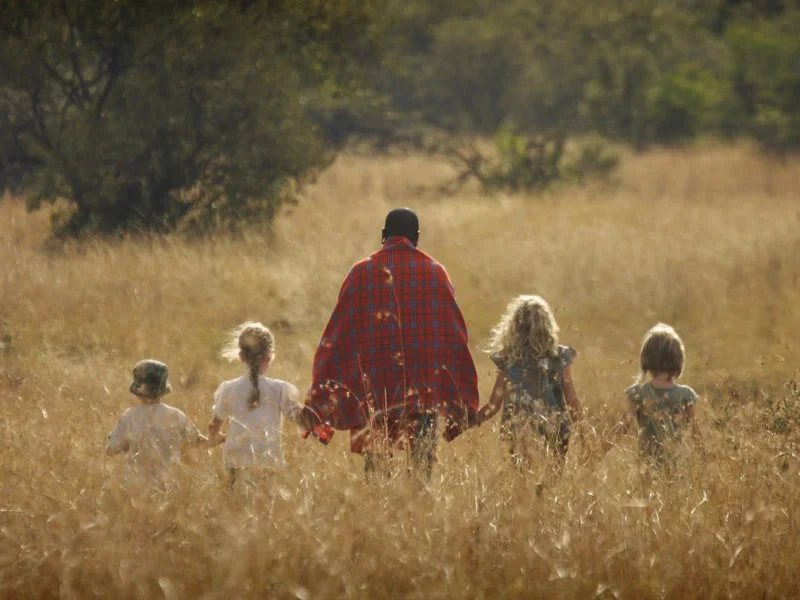
Ask whether community members lead the tours themselves. Local guides offer firsthand knowledge that creates more genuine interactions and accurate cultural understanding. Their personal experiences enrich every visit and provide perspectives that outside guides cannot match.
It is also helpful to choose companies that support sustainable tourism initiatives. Ethical operators ensure that communities receive fair compensation, protect cultural traditions, and encourage respectful visitor behavior. This approach helps preserve Kenya’s cultural heritage while improving local livelihoods.
Travelers should remain respectful throughout their visits. Asking permission before taking photographs, dressing appropriately, listening carefully, and supporting local businesses all contribute to positive cultural exchanges. Small gestures of respect often lead to warmer interactions and more memorable experiences.
Best Destinations in Kenya for Cultural and Wildlife Experiences
Several destinations combine exceptional wildlife viewing with rich cultural experiences, making them ideal choices for travelers seeking a well rounded safari.
The Masai Mara remains one of the best places to experience Maasai culture alongside world famous wildlife safaris. Visitors enjoy exciting game drives while also visiting nearby Maasai communities to learn about traditional lifestyles and conservation partnerships.
Amboseli National Park offers another outstanding combination. Travelers admire large elephant herds with Mount Kilimanjaro as a backdrop before exploring Maasai villages that surround the park. The close relationship between wildlife conservation and community life becomes especially clear here.
Samburu National Reserve introduces visitors to the unique traditions of the Samburu people while showcasing rare wildlife species found in northern Kenya. The region offers fewer crowds and a more intimate safari experience.
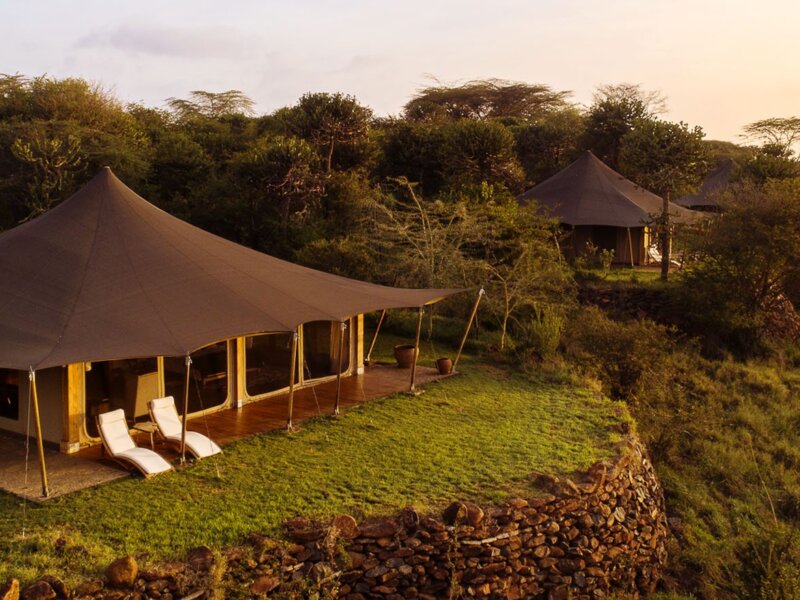
Laikipia Conservancy combines luxury safaris with community based tourism initiatives that highlight conservation, education, and local culture. Many conservancies actively involve neighboring communities in wildlife protection and tourism activities.
Travelers extending their safari to Kenya’s coastline can explore the cultural heritage of Mombasa, Lamu, and other Swahili settlements. Historic architecture, vibrant markets, traditional cuisine, and centuries of maritime history provide an excellent complement to inland safari adventures.
Choosing destinations that combine wildlife and culture allows visitors to experience Kenya from multiple perspectives while creating a more complete understanding of the country’s remarkable diversity.
Conclusion
Cultural tours are an increasingly valuable part of Kenya safaris, offering travelers the opportunity to experience much more than spectacular wildlife. While not every safari automatically includes these experiences, many itineraries now feature authentic community visits that deepen travelers’ understanding of Kenya’s people, traditions, and conservation efforts. These encounters add meaning to every journey by connecting visitors with the communities that help protect the country’s natural treasures.
A well-planned safari that combines wildlife adventures with cultural experiences creates unforgettable memories. Watching lions on the open savannah, learning traditional beadwork from local artisans, sharing stories with community members, tasting authentic Kenyan cuisine, and discovering centuries old customs all contribute to a richer travel experience. Together, these moments reveal the true spirit of Kenya and leave visitors with a lasting appreciation for its incredible cultural and natural heritage.
When planning your next adventure, choosing an experienced and trusted tour operator makes all the difference. Giant Holiday Safaris is committed to creating unforgettable Kenya safari experiences that combine world-class wildlife viewing with authentic cultural encounters. By offering thoughtfully designed itineraries, knowledgeable guides, and responsible tourism practices, Giant Holiday Safaris helps travelers discover the heart of Kenya while supporting local communities and promoting sustainable tourism. Whether you are visiting Kenya for the first time or returning to explore more, Giant Holiday Safaris can help you experience the country’s extraordinary landscapes, wildlife, and vibrant cultures in one remarkable journey.